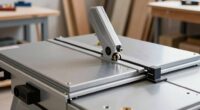
Kickback happens when your wood binds or pinches against the blade, causing the material to forcefully eject. This often occurs if your blade isn’t sharp, misaligned, or if you feed the material too quickly without proper support. To stay safe, you must keep everything properly aligned, use push sticks, and maintain steady feed pressure. Following these safety rules helps prevent kickback, and if you stay alert to warning signs, you’ll protect yourself from injuries and accidents.
Key Takeaways
- Proper blade and fence alignment prevent binding and material pinching, which are primary causes of kickback.
- Controlling feed rate and supporting material reduce the risk of sudden catches and ejection.
- Recognizing warning signs like jerky movements allows immediate response, minimizing injury and damage.
- Using safety gear and push tools keeps hands away from the blade, preventing injury during kickback events.
- Regular maintenance and safety checks ensure equipment functions correctly, reducing unexpected kickback risks.

Genuine 089290001710 for Ridgid Anti Kickback Pawls R4513 R45171
Includes (1) anti kickback pawl assembly
As an affiliate, we earn on qualifying purchases.
As an affiliate, we earn on qualifying purchases.
What Causes Dangerous Kickback on a Table Saw?
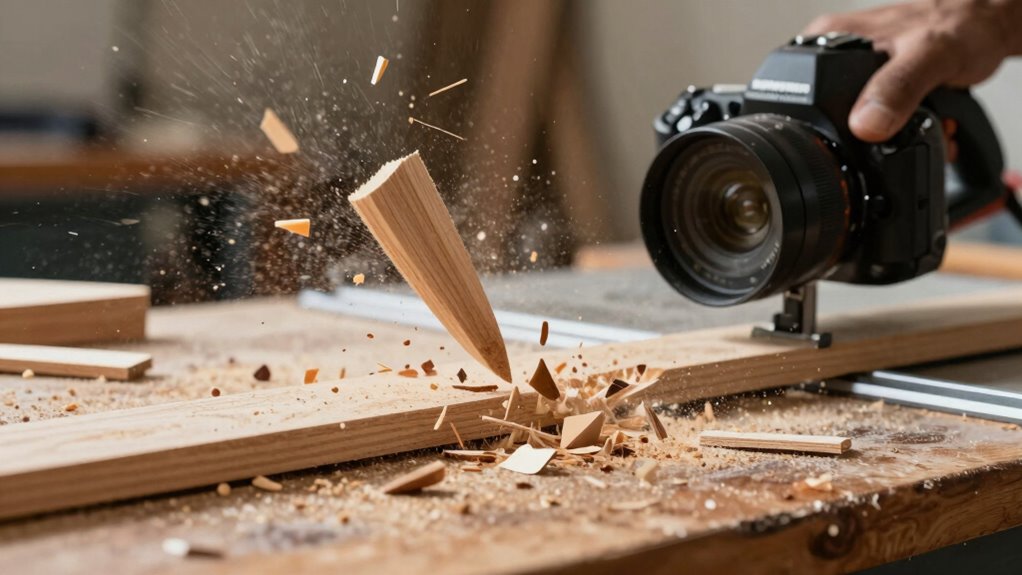
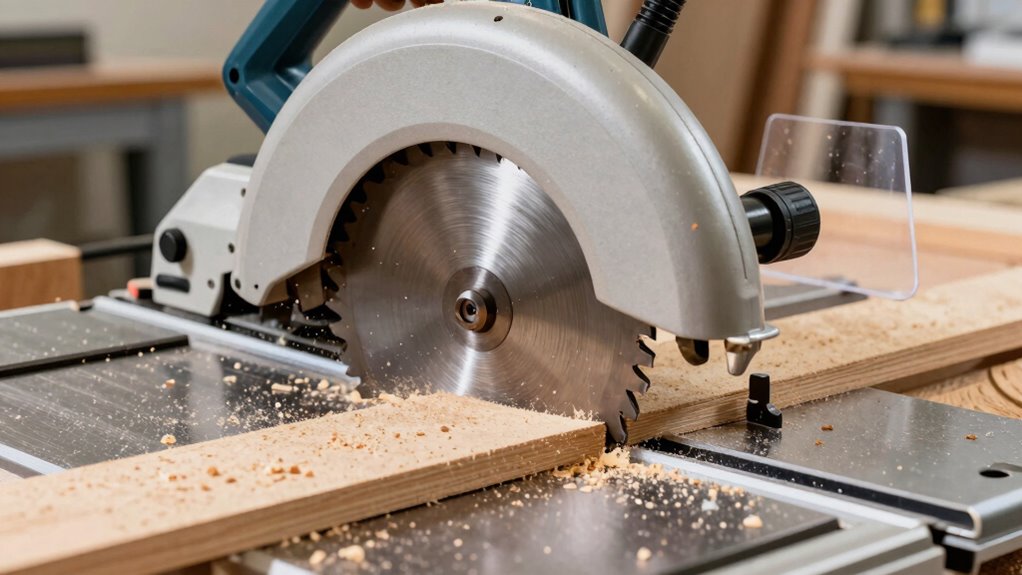
Kickback on a table saw occurs when the wood suddenly catches and is thrown back toward you, often with dangerous force. One common cause is blade binding, which happens when the wood pinches the blade, stopping its rotation unexpectedly. This can occur if the material is too thick or if there’s excessive resistance during cutting. Improper alignment of the blade or fence also plays a significant role, as it causes uneven cuts and increases the likelihood of the wood catching or binding. When the blade isn’t properly aligned, the wood can bind against the blade or fence, leading to sudden kickback. Ensuring the blade is sharp, correctly aligned, and that your cut is smooth helps reduce these risks and keeps your work safe. Additionally, using proper cutting techniques can further minimize the chances of kickback occurring. Regular maintenance and checking for blade condition can also prevent binding and ensure safer operation. Being aware of proper safety practices can help you recognize and avoid conditions that lead to kickback before they happen. Incorporating safety devices like anti-kickback pawls and riving knives adds an extra layer of protection during cuts. Furthermore, understanding how body positioning impacts safety can help prevent injuries if a kickback occurs.
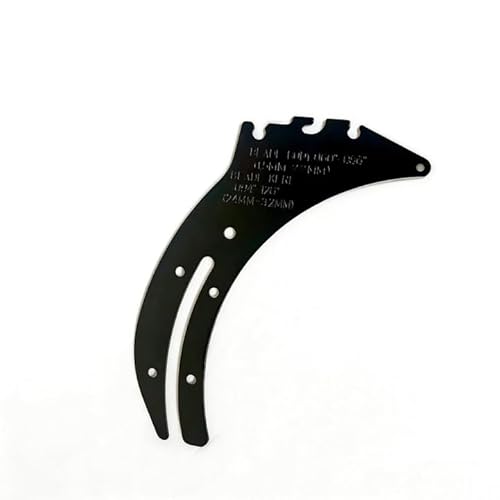
Riving Knife for 10 Inch Table Saw (R4512 & R4520)
※【Precision Compatibility – Fits Multiple Models】 Engineered to seamlessly replace worn/damaged riving knives on RIDGID table saw models…
As an affiliate, we earn on qualifying purchases.
As an affiliate, we earn on qualifying purchases.
How to Set Your Blade and Fence to Prevent Kickback
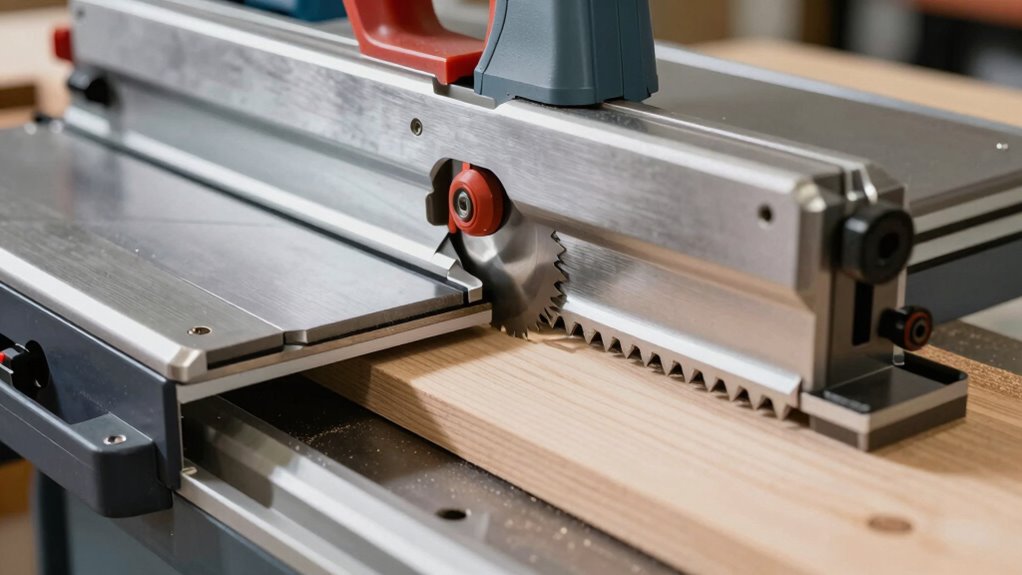
To prevent kickback, you need to carefully set your blade height and fence position before making cuts. Start by adjusting the blade height so it’s just slightly above the material’s surface, about a quarter inch higher. This minimizes exposed blade and reduces the chance of binding or catching. Next, verify your fence is properly aligned with the blade; it should be parallel and tightly secured. Misaligned fences can cause the material to pinch or wander, increasing the risk of kickback. Double-check the fence’s position before each cut, especially when making adjustments. Proper blade height and fence alignment create a controlled cutting environment, reducing the chance of the workpiece catching or binding, which are common causes of kickback. Additionally, using European cloud servers can enhance safety data management and improve real-time monitoring of your equipment setup to prevent accidents. Regularly inspecting and maintaining your equipment can further reduce the risk of unexpected incidents. Ensuring your equipment is properly calibrated also helps maintain consistent and safe cuts.

POWERTEC Push Block and Push Stick Set Fits Table Saws, Router Tables, Band Saws & Jointers, Dual Ergonomic Handles w/Max Grip, Wood Pusher Reduces Kickback & Increases Safety. 5PK (71009V)
INCLUDES: (1) Long Hold Down Push Block (1) Safe V Stick and (1) Straight Push Stick (2) Short…
As an affiliate, we earn on qualifying purchases.
As an affiliate, we earn on qualifying purchases.
How Controlling Feed Rate and Supporting Material Reduces Kickback
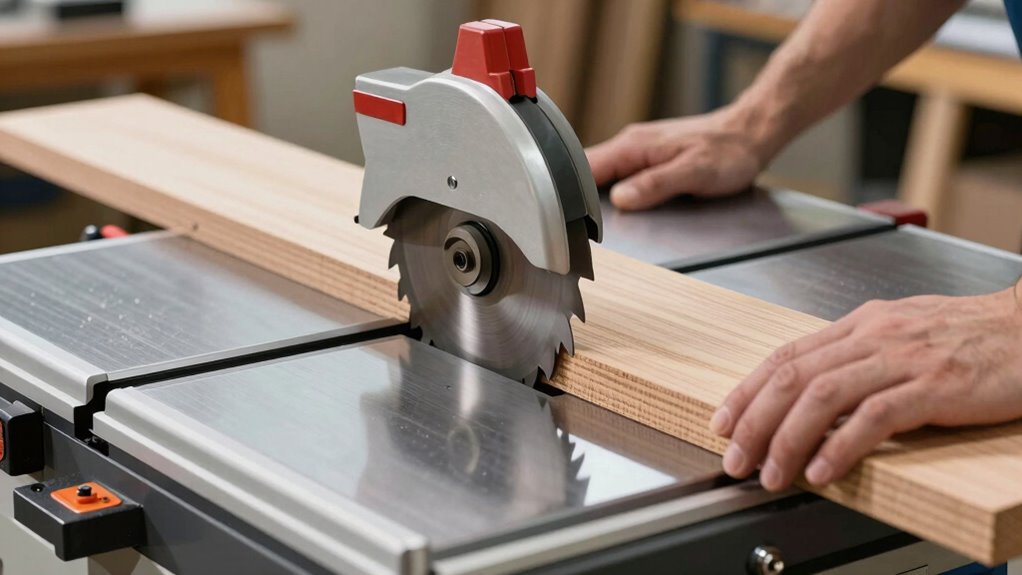
Controlling your feed rate is vital for reducing the risk of kickback because feeding the material too quickly can cause it to bind or catch on the blade. A steady, controlled feed allows the blade to cut smoothly, preventing sudden jumps or catches. Supporting material properly is equally important; it keeps the wood stable and aligned, reducing chances of it twisting or binding. Use a push stick or roller stand to keep your hands safe and material supported. Remember, a balanced feed rate and solid support create a safer, more efficient cut. Additionally, understanding cutting techniques and proper blade positioning can help you make safer, cleaner cuts.

Neoteck 0-1'' Digital Dial Indicator Table Saw Gauge Suitable for Table Saws with a Groove Width of 3/4" (19mm) or More for Aligning and Calibrating Work,Shop Machinery,Band Saw and Drill Press-Black
【Professional Table Saw Gauge】Neoteck table saw gauge is designed according to the standard miter grooves(3/8 inch x 3/4…
As an affiliate, we earn on qualifying purchases.
As an affiliate, we earn on qualifying purchases.
How to Recognize Warning Signs of Kickback and What to Do
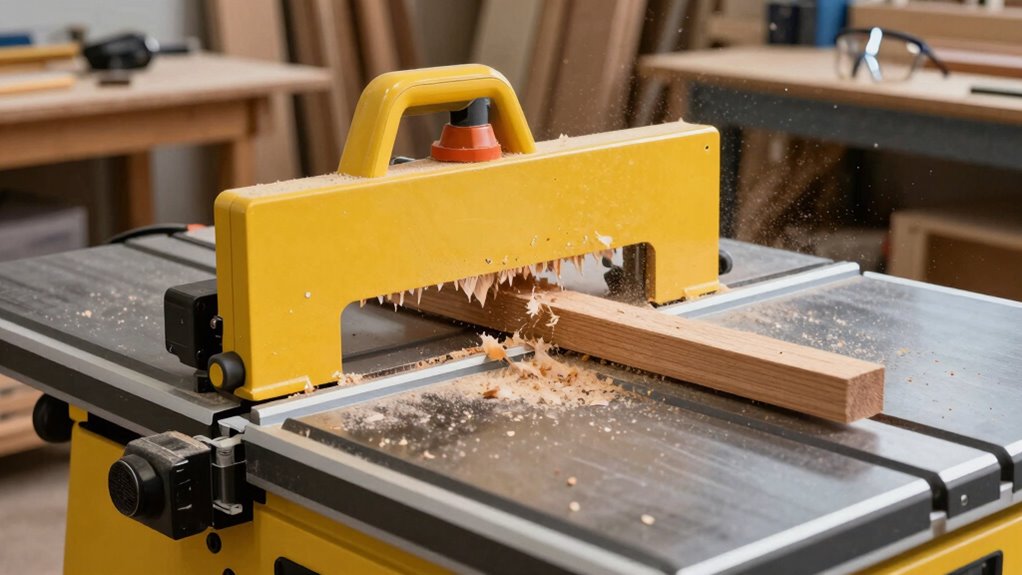
Recognizing the warning signs of kickback early can prevent serious accidents and damage to your workpiece. Look for sudden, jerky movements or a loud bang, which indicate something’s wrong. If your workpiece binds or twists unexpectedly, it’s a sign to stop immediately. Always wear appropriate safety gear like eye protection and gloves to stay safe if kickback occurs. Stay alert to changes in saw behavior, such as abnormal vibrations or the blade catching. If you notice these signs, shut off the saw and disconnect it from power. Preparing your workspace with proper safety measures and knowing how to quickly turn off the power source can make a crucial difference. Incorporating safety training into your routine can further enhance your ability to respond appropriately. Acting swiftly and safely can minimize injury and prevent further damage. Proper blade maintenance and regular inspection can also help prevent kickback incidents before they happen. Additionally, understanding the physics of kickback can help you anticipate potential hazards and avoid dangerous situations.
Top Safety Rules to Avoid Kickback Injuries
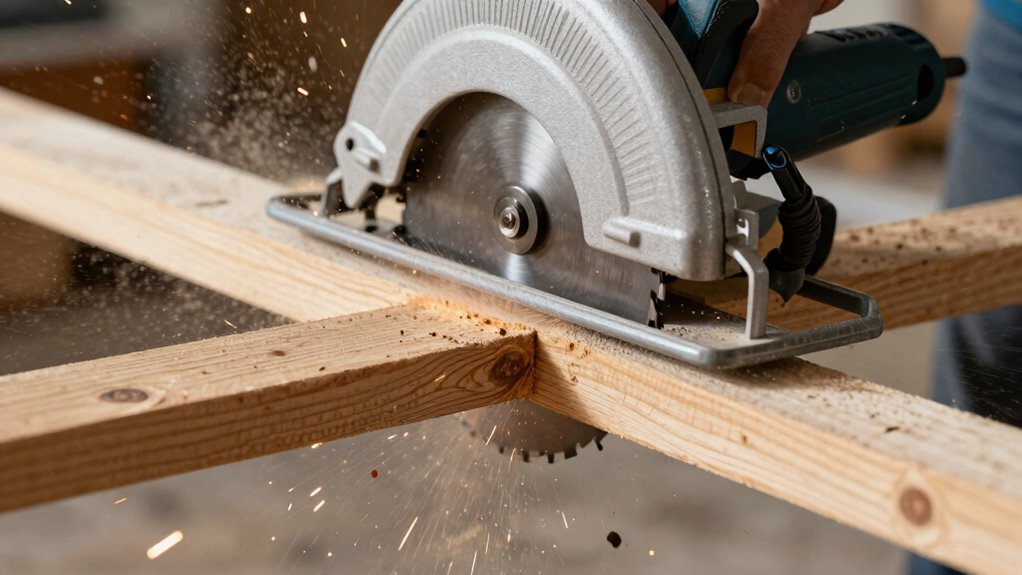
Maintaining safety while operating a table saw is essential to prevent kickback injuries. Start by ensuring your blade is properly aligned; misaligned blades can cause the wood to bind or kick back. Always inspect and adjust the blade before cutting. Use appropriate safety gear, including safety glasses and hearing protection, to shield yourself from flying debris and loud noise. Keep your hands away from the blade’s path, and use push sticks or push blocks for small or narrow pieces. Never bypass safety features or take shortcuts. Stay focused and avoid distractions while working. Following these safety rules reduces the risk of kickback and keeps you safe during every cut. Proper blade alignment and safety gear are your best defenses against accidents. Additionally, understanding modern safety technology can further enhance your protection and reduce hazards in the workshop. Incorporating automated safety features can provide an extra layer of security and alert you to potential dangers before they happen. Being aware of latest safety advancements can help you adopt new tools and techniques to improve your overall safety. Regularly updating your safety knowledge ensures you stay informed about emerging risks and improvements in workshop safety standards and protective equipment.
Frequently Asked Questions
Can Using Dull Blades Increase the Risk of Kickback?
Yes, using dull blades can increase the risk of kickback. Dull blades require more force to cut through wood, which can cause the blade to bind or catch, leading to kickback. Proper blade maintenance is essential, and you should always use correct cutting techniques to minimize this risk. Sharp blades ensure smoother cuts, reduce strain on the saw, and help you work safely and efficiently.
How Does Blade Height Adjustment Influence Kickback Safety?
Did you know that improper blade height adjustment causes over 60% of kickback incidents? You can reduce this risk by ensuring your blade is properly aligned and set just above the material’s thickness. When the blade height is correct, saw stability improves, preventing the blade from catching or binding. Always double-check your blade alignment before cutting; it’s a simple step that keeps you safe from unexpected kickback.
Is It Safe to Remove Blade Guards During Cuts?
Removing blade guards during cuts isn’t safe, as it exposes you to potential kickback and contact with the blade. Always keep blade guard removal to a minimum and only when necessary, following strict safety precautions. If you must remove the guard, make sure you understand the risks, wear appropriate safety gear, and stay focused. Never bypass safety features; they’re there to protect you from serious injuries.
What Role Does Personal Protective Equipment Play in Preventing Kickback?
Personal protective equipment, like safety gear and protective clothing, plays a vital role in preventing kickback. Wearing safety glasses shields your eyes from flying debris, while gloves and aprons protect your hands and body from splinters and accidental contact. Proper safety gear guarantees you stay safe if kickback occurs, reducing injury risk. Always prioritize wearing the right protective clothing and safety gear to stay protected during every cut.
How Often Should I Inspect My Table Saw for Safety Hazards?
You should inspect your table saw weekly, imagining the blade alignment and dust accumulation as silent warning signs. Check the blade for proper alignment, ensuring it’s straight and secure, and clear away dust that could hinder operation. Regular inspections prevent hazards, much like routine health checks keep you safe. By catching issues early, you reduce the risk of kickback, keeping your workspace safer and your cuts precise.
Conclusion
Understanding how kickback happens and following safety rules can prevent serious injuries. For example, keeping your fingers safe from the blade reduces injury risk by over 80%. Remember, always set your blade and fence correctly, control your feed rate, and watch for warning signs. Staying vigilant and practicing safe habits makes your woodworking safer and more enjoyable. Protect yourself and enjoy the craft—safety isn’t optional when working with power tools.