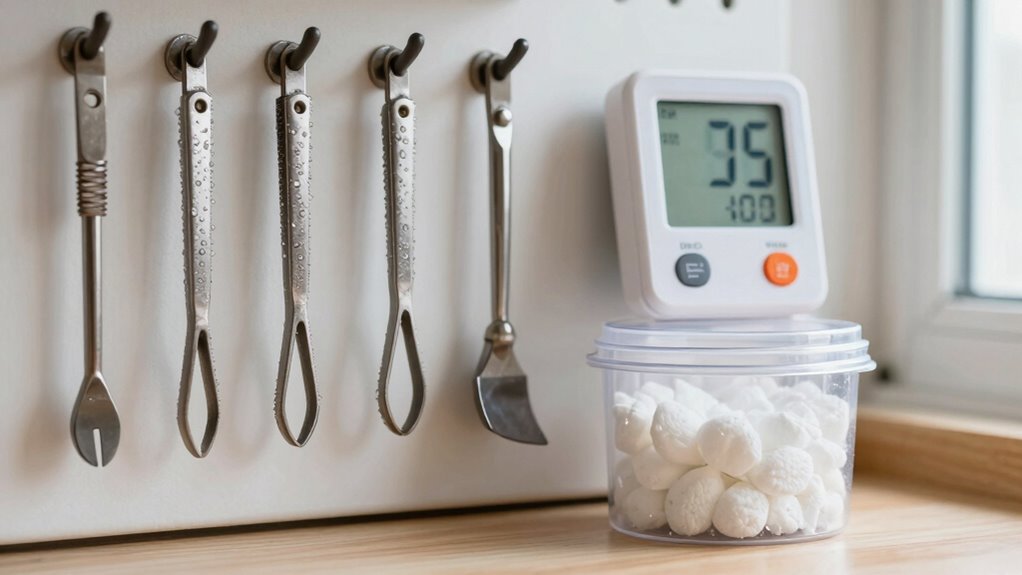

To prevent rust in your shop, control humidity levels using a hygrometer to monitor moisture and maintain it between 30-50%. Use dehumidifiers, moisture absorbers like silica gel, or airtight storage to keep tools dry. Improve ventilation with fans or vents to reduce stagnant moisture. Regularly clean your space and inspect for leaks. For more effective tips and detailed strategies, you’ll discover additional ways to keep rust at bay and protect your tools.
Key Takeaways
- Use reliable hygrometers to monitor and maintain optimal humidity levels in your shop.
- Incorporate dehumidifiers and moisture absorbers like silica gel to reduce ambient moisture.
- Apply rust-resistant paint and seal metal surfaces to create effective moisture barriers.
- Improve ventilation with fans and exhaust systems to prevent stagnant, humid air.
- Regularly inspect for leaks, water intrusion, and clean tools to minimize rust risk.

TempPro TP50 Digital Hygrometer Indoor Thermometer Room Thermometer and Humidity Gauge with Temperature Humidity Monitor(Previously ThermoPro)
Wellness Indicator: This humidity meter with humidity level icon indicates air conditions – DRY/COMFORT/WET, allowing this humidity sensor…
As an affiliate, we earn on qualifying purchases.
As an affiliate, we earn on qualifying purchases.
Why Humidity Matters for Rust Prevention in Your Shop
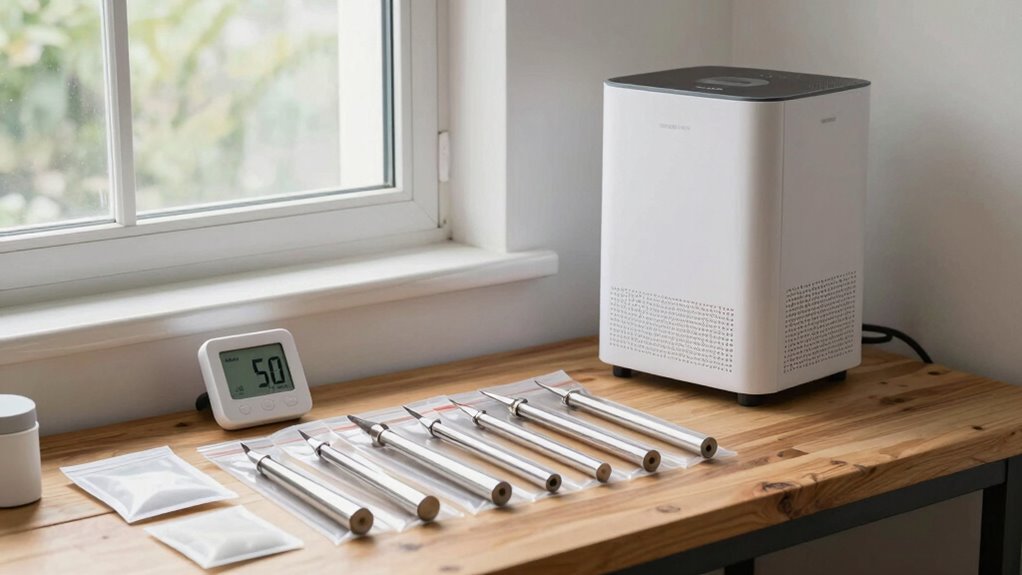
Humidity plays a crucial role in rust formation because moisture in the air accelerates the oxidation process on metal surfaces. When humidity levels are high, water molecules cling to your tools and equipment, creating the perfect environment for rust to develop. Effective rust prevention relies on controlling this moisture, which means managing humidity levels in your shop. By keeping humidity low, you reduce the risk of rust forming on your metal items. Using dehumidifiers or moisture barriers can help maintain ideal conditions. Remember, even small increases in humidity can markedly speed up corrosion. Prioritizing humidity control is essential for protecting your tools and extending their lifespan, ensuring your workspace remains rust-free and efficient. Additionally, understanding climate control techniques can further enhance your rust prevention strategies.

1500 Sq.ft Dehumidifier for Basement, Trazico 21 Pint Quiet Dehumidifiers for Home with Drain Hose, Smart Humidity Control, 3 Modes, 24H Timer, Auto Defrost, for Large Room, Bedroom, and Bathroom
1500 Sq. Ft High-Efficiency Dehumidifier – Enhance your living space with this powerful dehumidifier, designed to remove up…
As an affiliate, we earn on qualifying purchases.
As an affiliate, we earn on qualifying purchases.
How to Measure and Monitor Humidity in Your Workspace
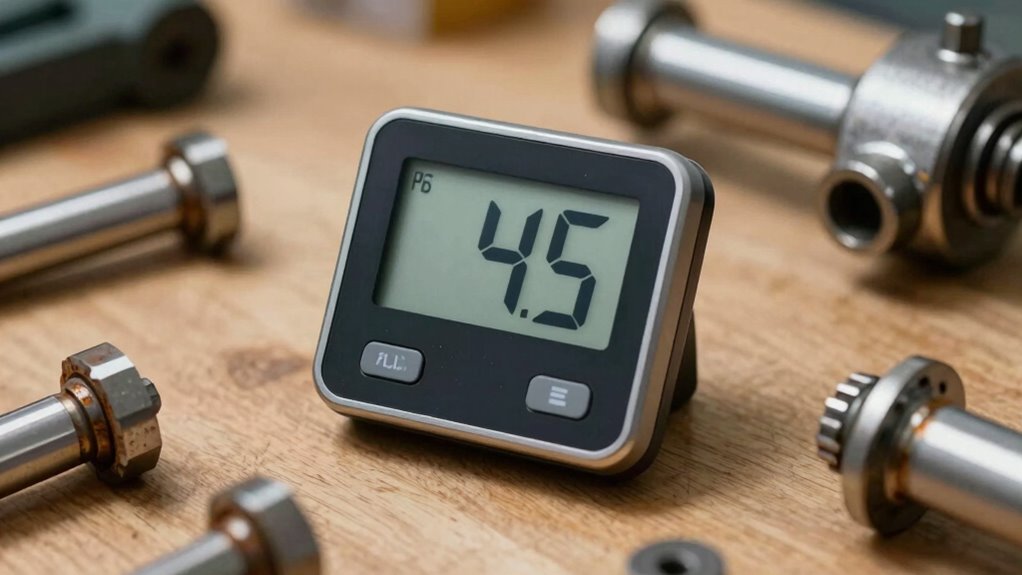
To effectively prevent rust, you need to accurately measure and monitor the moisture levels in your workspace. Use a reliable humidity sensor to get real-time readings of the ambient humidity. Regularly calibrate your hygrometer to guarantee accuracy, especially if it’s digital or analog, as incorrect readings can lead to improper adjustments. Place sensors in key areas where tools are stored or worked on, avoiding direct contact with water or heat sources. Keep an eye on your humidity levels consistently, recording readings to identify trends. Proper measurement helps you determine when humidity control methods are necessary and ensures your tools stay protected. Accurate monitoring is the foundation for maintaining ideal conditions that prevent rust and prolong the life of your equipment. Additionally, understanding how high contrast ratios influence image quality can help you optimize your home cinema setup for a better viewing experience.

Vbeijll 5 Gram (50 Pack) Color-Indicating Silica Gel Packets, Premium Food Grade Desiccant – Rechargeable Moisture Absorbers for Food Storage, Electronics, 3D Filament & Safes
FOOD GRADE & SAFE: The storage desiccant packs are made from food grade silicone and has passed a…
As an affiliate, we earn on qualifying purchases.
As an affiliate, we earn on qualifying purchases.
Easy Ways to Lower Humidity and Protect Your Tools
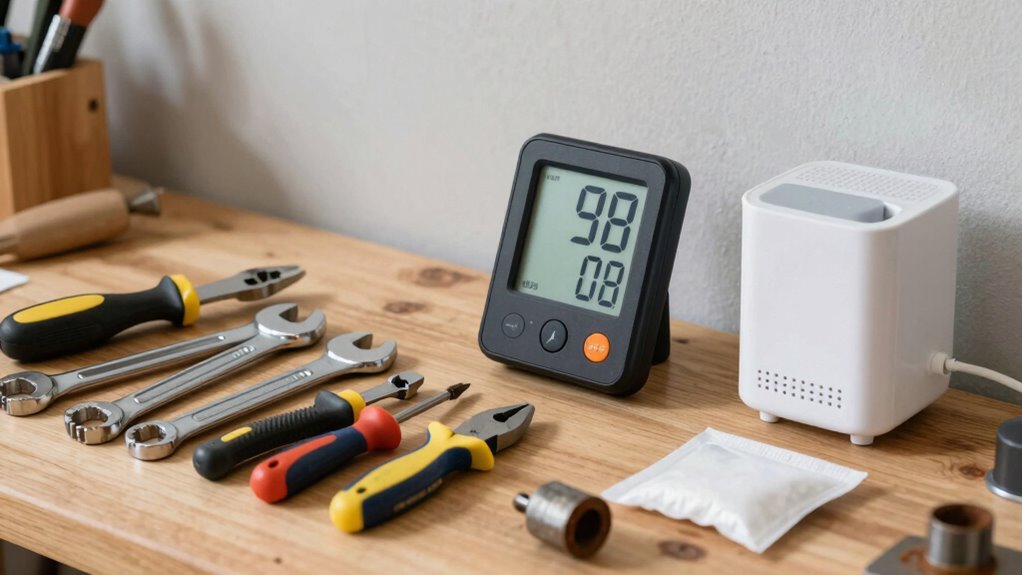
Lowering humidity levels in your workspace is vital for preventing rust on your tools. One effective method is applying rust resistant paints, which create a moisture barrier on metal surfaces. These paints help protect your tools from ambient humidity and reduce rust formation. Additionally, maintaining your dehumidifier is essential; clean filters regularly and check for proper operation to guarantee it runs efficiently. Using a dehumidifier consistently lowers moisture levels in the air, creating a less hospitable environment for rust. Incorporating air quality monitoring devices can help you keep track of humidity levels more precisely. Combining these strategies keeps humidity in check and shields your tools from corrosion. By staying on top of dehumidifier maintenance and choosing protective coatings, you can considerably extend the life of your tools and keep your workspace rust-free.
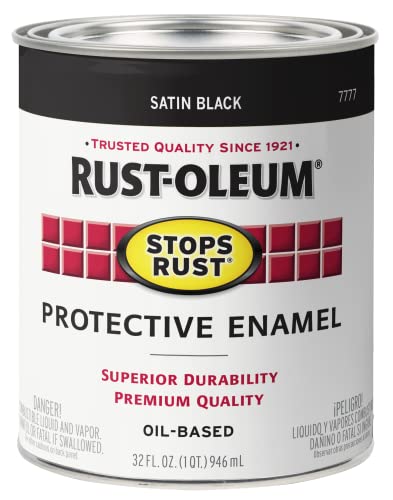
Rust-Oleum 7777502 Stops Rust Brush On Paint, Quart, Satin Black
Weather and corrosion resistant coating protects exterior/interior surfaces like wood, metal, concrete, masonry and more
As an affiliate, we earn on qualifying purchases.
As an affiliate, we earn on qualifying purchases.
How to Use Desiccants and Moisture Absorbers Effectively
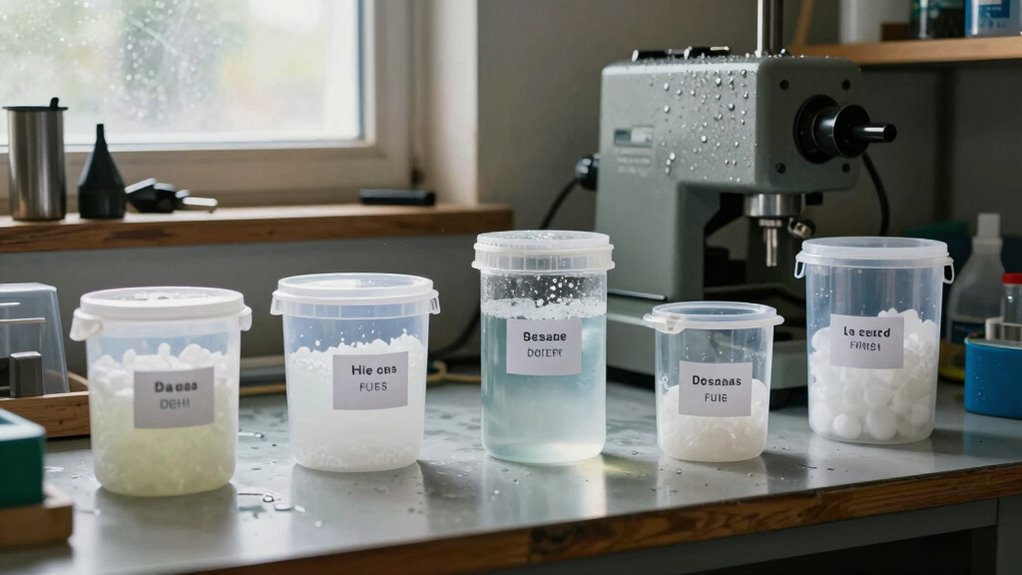
Using desiccants and moisture absorbers effectively can substantially reduce humidity in your workspace, protecting your tools from rust. Start by choosing the right desiccant types, such as silica gel, activated charcoal, or calcium chloride, based on your shop’s needs. Proper moisture absorption techniques involve placing these absorbers in airtight containers or sealed drawers where tools are stored. Replace or recharge desiccants regularly to maintain their effectiveness. Use moisture absorbers in high-humidity areas or where tools are prone to rust. Keep an eye on indicators like color changes or weight gain to determine when replacements are needed. Additionally, understanding the importance of Free Floating concepts can help you optimize your storage environment for maximum protection. By strategically deploying these moisture absorption techniques, you create a dry environment that discourages rust formation and preserves your tools longer.
Ventilation Tips to Keep Moisture Out of Your Shop
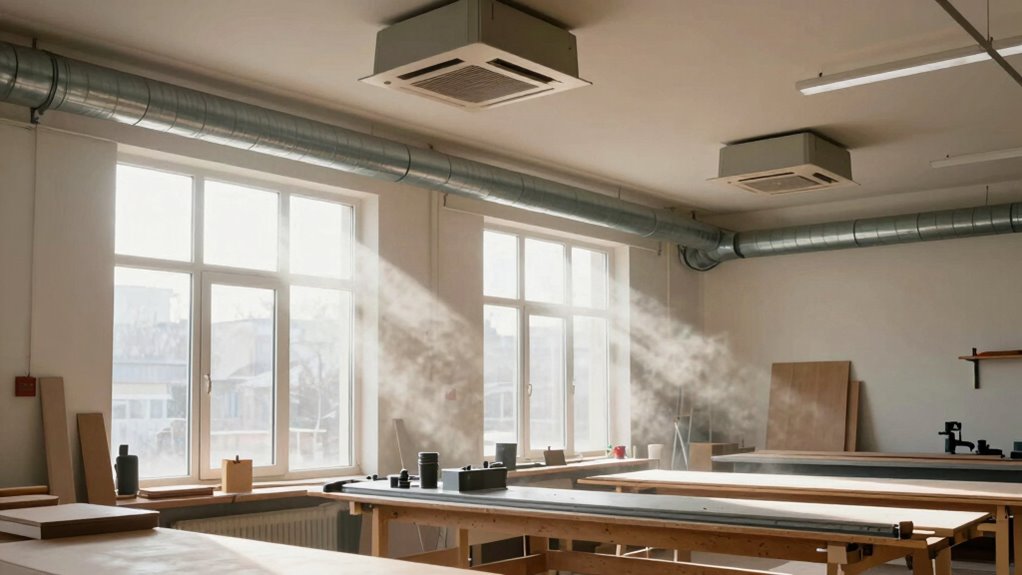
Ensuring proper ventilation is essential for preventing moisture buildup in your shop. Good airflow optimization keeps humidity levels low, protecting tools from rust. To improve ventilation, consider these tips:
Proper ventilation prevents moisture buildup, keeps humidity low, and protects your tools from rust.
- Install exhaust systems that vent moist air outside.
- Use fans to increase air circulation and reduce stagnant pockets.
- Keep vents clear of obstructions to maintain steady airflow.
- Open windows or doors during dry weather to enhance ventilation.
- Regularly inspect and maintain ventilation systems to ensure they operate effectively preventing rust.
Best Storage Practices to Prevent Rust on Tools and Materials
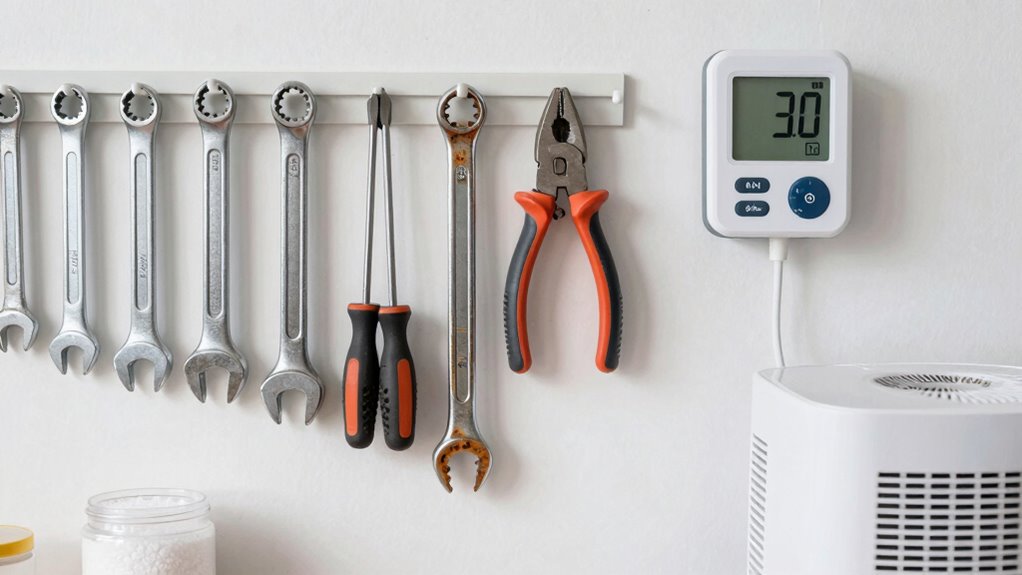
Keeping your tools and materials in an ideal storage environment is key to preventing rust. Using protective coatings adds an extra layer of defense against moisture and corrosion. By following these practices, you can extend the lifespan of your tools and keep your shop organized. Additionally, maintaining proper humidity levels in your workspace helps prevent moisture buildup that can lead to rust formation.
Optimal Storage Environment
A controlled storage environment is essential for preventing rust on your tools and materials. To minimize metal corrosion caused by humidity fluctuations, follow these best practices:
- Keep the storage area dry and well-ventilated to reduce moisture buildup.
- Use dehumidifiers or silica gel packs to maintain consistent humidity levels.
- Store tools off the floor on shelves or racks to prevent contact with damp surfaces.
- Avoid temperature swings that can cause condensation, leading to rust development.
- Regularly monitor your environment with whole-house water filtration systems to ensure optimal humidity control and moisture prevention.
Maintaining stable humidity prevents metal corrosion and protects your tools from rust. Regularly monitor your environment, and address any moisture issues immediately. By creating an ideal storage environment, you prolong the life of your tools and materials, reducing rust-related damage and ensuring they stay in top condition.
Use of Protective Coatings
Applying protective coatings to your tools and materials adds an effective barrier against moisture and oxygen, which are primary causes of rust. Using rust resistant paints or other protective coatings helps prevent corrosion, especially in humid environments. Before applying, clean and dry your tools thoroughly. Choose a suitable coating based on the material—oil-based, latex, or specialized rust resistant paints. For best results, apply multiple thin coats, allowing each to dry completely. This creates a durable shield that fights rust and prolongs tool life. Additionally, understanding corrosion prevention techniques can further enhance your efforts in protecting your tools from rust.
Affordable Humidity Control Devices for Your Workshop
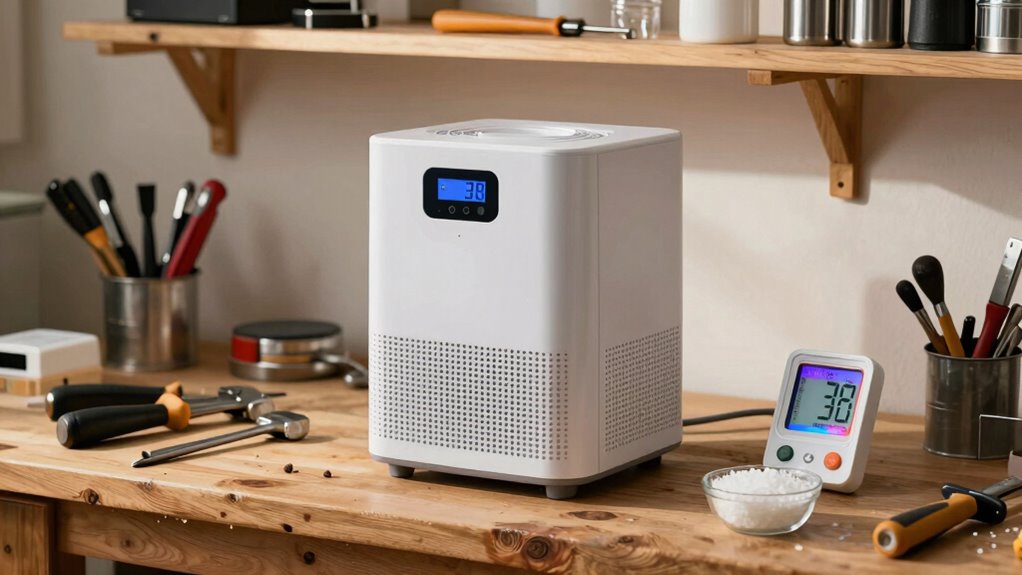
Controlling humidity is essential for preventing rust, and fortunately, there are affordable devices that can help you maintain ideal moisture levels in your workshop. Here are some options to contemplate:
- Dehumidifier options – Compact models are budget-friendly and effective at reducing moisture.
- Affordable humidifiers – These add moisture during dry periods, balancing humidity.
- Silica gel packs – Cheap and portable, they absorb excess moisture in small spaces.
- Ventilation fans – Installing exhaust fans can improve air circulation and control humidity naturally.
- Incorporating smart‑home integrations with humidity control devices can optimize maintenance and ensure consistent conditions.
Troubleshooting Humidity Problems: When to Call a Professional
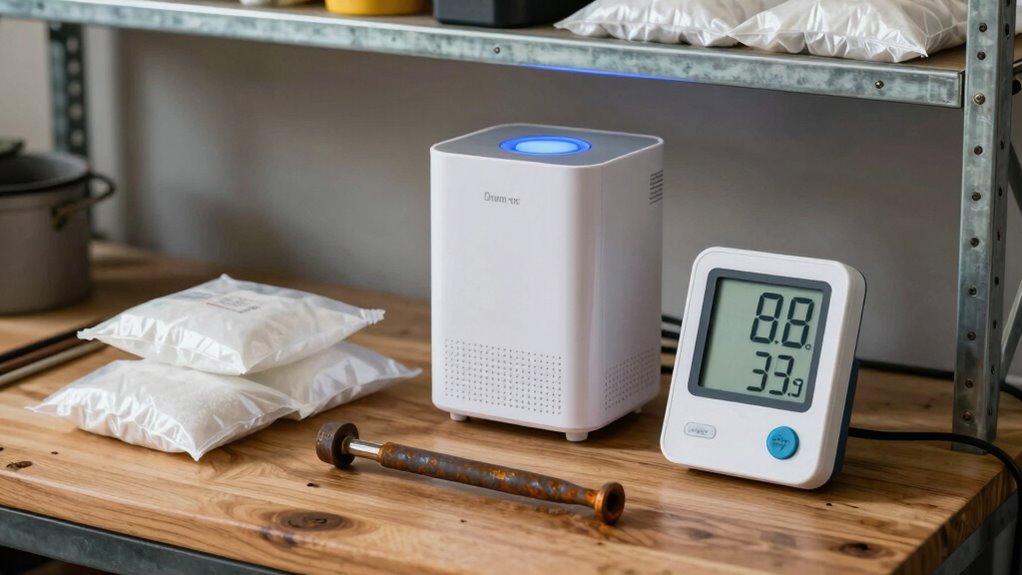
When humidity levels become unpredictable or persist despite your efforts, it’s time to contemplate calling in a professional. A professional inspection can identify underlying issues contributing to moisture-related damage that you might overlook, such as leaks, ventilation problems, or insulation failures. If your attempts to control humidity aren’t working, or you notice signs like rust, corrosion, or warped materials, it indicates that the problem is more complex. A specialist can assess your shop’s environment thoroughly, pinpointing the root cause of moisture buildup. Addressing moisture-related damage early prevents long-term rust issues and costly repairs. Additionally, understanding how to measure humidity accurately in your workspace can help you maintain optimal conditions. Don’t ignore persistent humidity problems—getting expert help ensures your workspace stays dry, safe, and protected from rust.
Frequently Asked Questions
Can Outdoor Weather Changes Affect Indoor Humidity Levels?
Outdoor influence and seasonal fluctuations definitely affect indoor humidity levels. When outdoor air is humid or dry, it can seep inside through gaps or ventilation, changing your shop’s moisture balance. Warmer seasons tend to increase indoor humidity, while cooler months lower it. You can manage this by sealing leaks, using dehumidifiers or humidifiers, and monitoring humidity levels regularly to keep rust at bay and protect your tools.
Are There Natural Remedies to Reduce Humidity in a Workshop?
Think of your workshop as a sponge soaking up moisture; natural remedies can help squeeze out excess humidity. You can craft DIY dehumidifiers using charcoal or silica gel packs, which absorb moisture naturally. Additionally, natural moisture absorbers like baking soda or rock salt placed in open containers work wonders. These inexpensive, eco-friendly options reduce humidity without harsh chemicals, keeping your tools rust-free and your workspace comfortable.
How Often Should I Check Humidity Levels During Different Seasons?
You should check humidity levels weekly during summer and winter, as these seasons impact moisture more. Regular dehumidifier maintenance ensures peak performance, while humidity meter calibration keeps your readings accurate. Adjust your dehumidifier settings based on seasonal changes, and monitor humidity closely to prevent rust. Consistent checks help you maintain ideal conditions, safeguarding your tools and equipment from moisture damage throughout the year.
What Are the Signs That Humidity Is Causing Rust on Tools?
You’ll notice rust formation creeping like a stealthy invader on your tools, with tiny reddish-brown specks and dull patches. Corrosion signs become obvious with pitted surfaces, sticky handles, or a metallic smell. If your tools feel gritty or look streaked, humidity’s behind the rust. Don’t ignore these clues—they signal moisture is causing corrosion, and acting quickly can save your tools from irreversible damage. Stay vigilant!
Is It Safe to Use Chemical Desiccants Around Woodworking Materials?
Yes, it’s generally safe to use chemical desiccants around woodworking materials if you follow proper chemical desiccant safety guidelines. Always keep desiccants away from children and pets, and guarantee good ventilation in your workspace. For desiccant disposal guidelines, make sure to dispose of used desiccants according to local regulations, avoiding contact with water or food. Proper handling minimizes risks and keeps your woodworking area safe.
Conclusion
Think of your shop like a fortress against rust, where humidity is the sneaky intruder. I once watched a fellow craftsman shield his tools with simple moisture absorbers, and his workspace stayed dry even in humid summer. By keeping humidity in check, you’re creating a safe haven for your tools—like a fortress with strong walls. Stay vigilant, monitor regularly, and your tools will remain rust-free, ready for your next project.