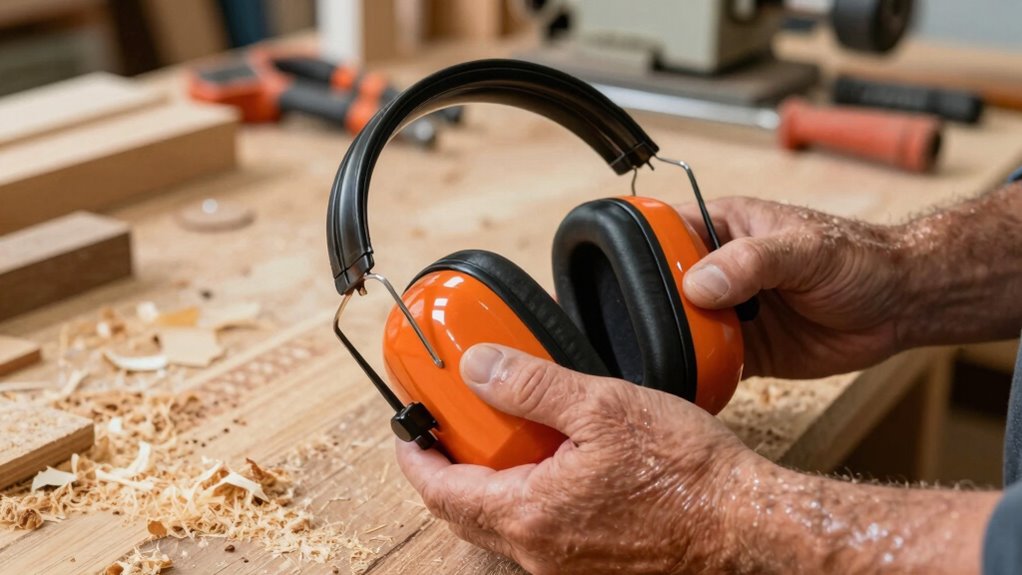

Hearing protection is vital for woodworkers because loud machinery can cause silent, cumulative damage that leads to irreversible hearing loss over time. Even moderate noise from saws and drills adds up, damaging tiny hair cells in your ears without immediate signs. Wearing proper earplugs or earmuffs, using gear correctly, and minimizing noise exposure help prevent this hidden harm. If you want to safeguard your hearing for the long term, you’ll find valuable tips ahead.

Get business pricing on tools and workshop supplies
- Business-only prices and quantity discounts
- Tax-exempt purchasing
- Multiple users, one account, clear invoices
Key Takeaways
- Quiet damage from woodworking noise accumulates gradually, often without immediate symptoms, emphasizing the need for consistent hearing protection.
- Exposure to sounds above 85 decibels can cause irreversible hearing loss, even if the damage is silent initially.
- Earplugs or earmuffs effectively reduce noise exposure and prevent the tiny hair cell deterioration responsible for hearing loss.
- Recognizing early signs like muffled sounds or ringing helps prevent long-term damage through timely use of protective gear.
- Properly fitted and maintained hearing protection, combined with noise awareness strategies, is essential for long-term hearing health in woodworking.
earplugs for woodworking noise reduction
As an affiliate, we earn on qualifying purchases.
As an affiliate, we earn on qualifying purchases.
Why Hearing Protection Matters for Woodworkers
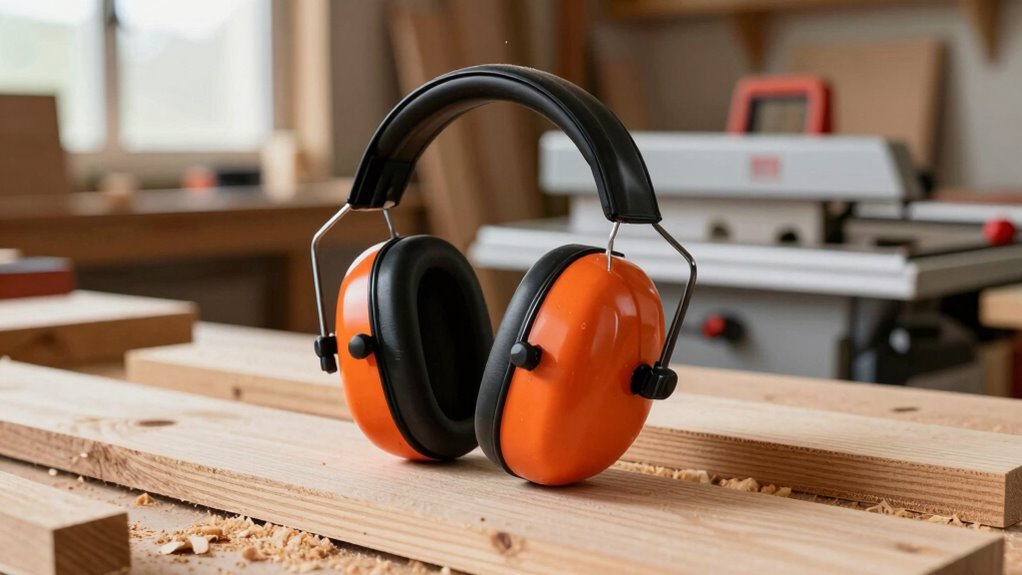
Woodworking involves loud machinery and tools that produce noise levels harmful to your hearing, especially over extended periods. Without proper ear protection, you’re at risk of damage from continuous noise exposure. Hearing loss from woodworking is often gradual, making it hard to notice until it’s too late. Wearing ear protection, like earplugs or earmuffs, helps reduce noise exposure and shields your ears from harmful sounds. Protecting your hearing isn’t just about comfort; it’s about preventing irreversible damage. The louder the noise, the more essential it is to use ear protection consistently. Regularly calibrating your sound levels ensures you’re not exceeding safe exposure thresholds. Maintaining awareness of noise exposure limits helps you make informed decisions about when to wear hearing protection. Incorporating natural sound barriers into your workspace can also help minimize noise pollution. Additionally, understanding “quiet damage” can help you recognize that hearing loss can occur even at lower noise levels over time. Being aware of the cumulative effects of noise exposure emphasizes the importance of consistent protection. By taking these precautions, you preserve your hearing health and ensure you can enjoy woodworking for years to come. Don’t underestimate the importance of safeguarding your ears during every project.
As an affiliate, we earn on qualifying purchases.
What Is Quiet Damage and How Loud Noises Harm Your Hearing
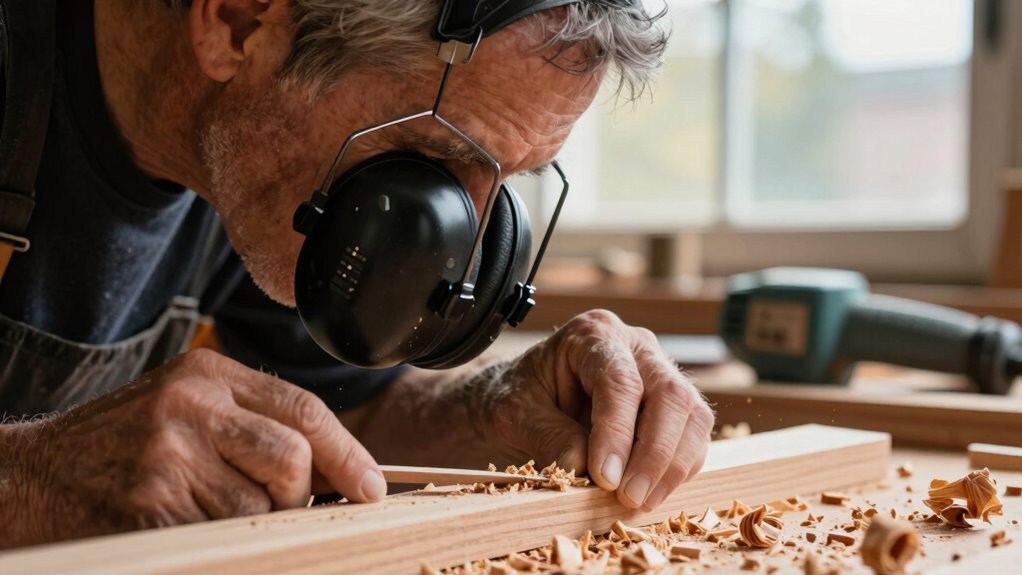
Even if you don’t notice immediate discomfort, exposure to loud noises can cause quiet damage to your hearing over time. This damage happens gradually, often without obvious signs, due to sustained exposure to high sound intensity and noise levels. Over time, your ears suffer from tiny, repeated injuries that diminish your ability to hear soft sounds and understand speech.
- Noise levels above 85 decibels can cause irreversible damage
- Silent damage accumulates with repeated exposure
- Loss begins with the tiny hair cells in your inner ear
- Damage can occur even without pain or ringing
- Protecting your ears reduces long-term hearing decline
Understanding quiet damage helps you realize that protecting your ears isn’t just about avoiding immediate pain—it’s about preventing silent, cumulative harm.
noise-canceling ear protection for woodworkers
As an affiliate, we earn on qualifying purchases.
As an affiliate, we earn on qualifying purchases.
How Does Woodworking Noise Pose a Hidden Risk to Your Ears

You might think only loud noises cause damage, but even moderate woodworking sounds can add up over time. This cumulative exposure quietly harms your hearing without immediate signs. Hidden noise hazards make it easy to overlook the risk and delay protection. Recognizing the importance of personal branding and ongoing engagement can help woodworkers stay informed about safety practices and protect their hearing health. Understanding noise-induced hearing loss as a gradual process emphasizes the need for consistent hearing protection, even during seemingly quiet tasks. Incorporating creative storytelling into safety education can improve awareness and encourage proactive measures. Additionally, many woodworkers underestimate how support breakfast options like cozy accommodations and local attractions can promote a balanced approach to work safety and personal well-being.
Cumulative Hearing Damage
While short-term exposure to loud noises can be uncomfortable, the real danger lies in the gradual, cumulative damage that occurs over time. Silent damage accumulates silently, often without immediate signs, making it easy to overlook. Repeated exposure to woodworking noise can cause hearing fatigue, dulling your ears and reducing your ability to distinguish sounds. Over months or years, this leads to irreversible hearing loss, often unnoticed until it’s severe. You might not realize you’re harming your ears until you experience difficulty understanding speech or ringing. Protecting your hearing today prevents long-term consequences. Remember:
- Silent damage builds gradually without obvious symptoms
- Hearing fatigue can mask ongoing damage
- Cumulative exposure accelerates hearing loss
- Early protection can prevent irreversible harm
- Ignoring warning signs worsens the risk
- Proper hearing protection is essential for safeguarding your ears during woodworking activities.
- Hearing conservation practices are crucial for maintaining long-term auditory health.
- Utilizing hearing protection devices consistently can significantly reduce the risk of silent damage.
- Implementing sound level awareness can help you better gauge and manage exposure to potentially harmful noise levels.
Hidden Noise Hazards
Many woodworkers underestimate the hidden risks posed by everyday noise in their workshops. Noise-induced hearing loss can occur gradually, often without obvious symptoms, making it a silent threat. Continuous exposure to loud tools like saws and drills can cause auditory damage over time, even if the noise seems manageable. These sounds contribute to hidden noise hazards that aren’t immediately noticeable but can lead to permanent hearing impairment. Recognizing the long-term effects of noise exposure is key to preventing long-term hearing loss. Protecting your ears with appropriate gear helps prevent noise-induced damage, ensuring your hearing stays healthy long-term and avoiding the silent, hidden dangers lurking in your workshop. Additionally, understanding the types of hearing protection available can help you choose the most effective options for your specific needs to reduce risk.
reusable hearing protection earplugs
As an affiliate, we earn on qualifying purchases.
As an affiliate, we earn on qualifying purchases.
What Are the Signs and Symptoms of Hearing Loss From Power Tools
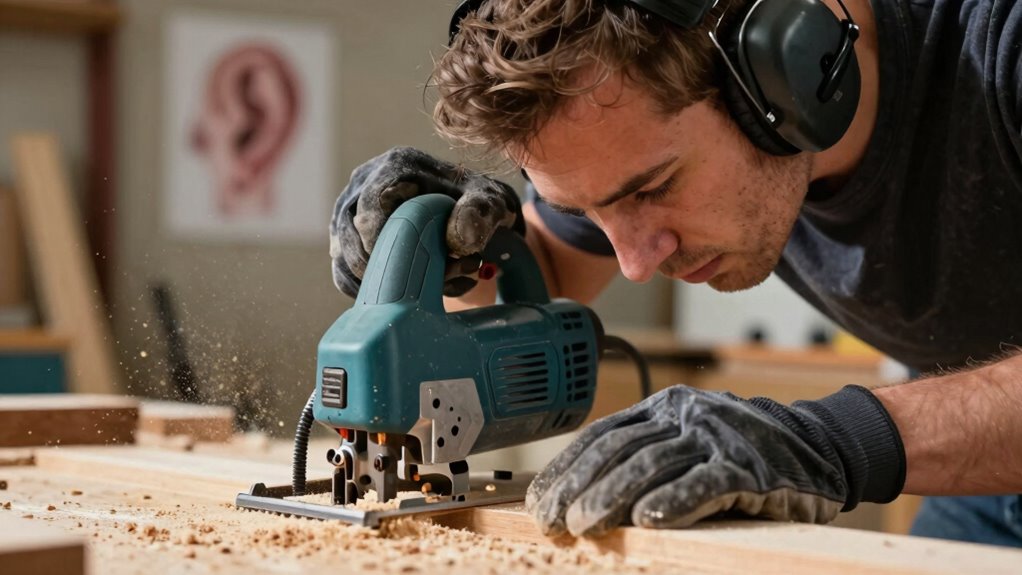
You might notice early changes in your hearing, like muffled sounds or difficulty hearing soft voices. Tinnitus, or ringing in your ears, could become a persistent annoyance after working with power tools. Additionally, understanding speech in noisy environments may become harder, signaling potential hearing loss. Prolonged exposure to loud noise can also cause hearing damage, which may be permanent if not addressed promptly. Recognizing these signs early can help prevent further hearing deterioration and protect your long-term hearing health. Incorporating hearing protection strategies, such as earplugs or earmuffs, can significantly reduce the risk of damage during woodworking activities. Ensuring proper equipment maintenance and understanding noise levels can also contribute to better hearing conservation. Using appropriate ear protection consistently is essential to avoid cumulative damage over time.
Early Hearing Changes
Early signs of hearing loss from power tools often include muffled sounds, difficulty understanding conversations, or ringing in the ears, known as tinnitus. These subtle signs indicate earlier damage to your hearing that shouldn’t be ignored. Recognizing these early changes helps you take action before the loss worsens. You might notice that everyday sounds seem quieter or less clear than before. Over time, these small changes can become more pronounced. Understanding how noise exposure damages your hearing can help you appreciate the importance of early detection and protection.
- Difficulty hearing high-pitched sounds
- Struggling to follow conversations in noisy environments
- Requiring louder volumes for music or TV
- Feeling less aware of surrounding sounds
- Increased fatigue from trying to focus on conversations
Pay attention to these signs—they’re your body’s way of warning you about early damage.
Tinnitus and Ringing
Ringing in the ears, or tinnitus, often signals that your hearing has been affected by power tool noise. You might notice a persistent ear ringing even after you’ve stopped working. Tinnitus can be a sign of auditory fatigue, where your ears have been overexposed to loud sounds. This sensation indicates your hearing has been compromised, and ignoring it could lead to more serious damage. The ear ringing may come and go or be constant, and it can be accompanied by a feeling of fullness or muffled hearing. Recognizing these signs early is essential. If you experience tinnitus regularly, it’s a clear indication that your hearing health is at risk, and you should take steps to protect your ears moving forward. Proper hearing protection can significantly reduce the risk of long-term damage. Additionally, understanding noise-induced hearing loss can help you better grasp the importance of preventative measures.
Difficulty Understanding Speech
Difficulty understanding speech is a common sign of hearing loss caused by exposure to power tool noise. You might find it harder to follow conversations, especially in noisy environments. Speech clarity diminishes, making words sound muffled or blurred. Over time, your conversation comprehension can decline, leading to frustration or social withdrawal. You may notice that others have to repeat themselves more often or speak louder. This difficulty can affect your ability to communicate effectively at work and in social settings. Recognizing these signs early can help you seek proper hearing protection. Protecting your hearing now preserves your ability to understand speech clearly later. Ignoring these symptoms risks further damage, making everyday communication increasingly challenging.
How to Choose the Best Hearing Protection for Your Workshop
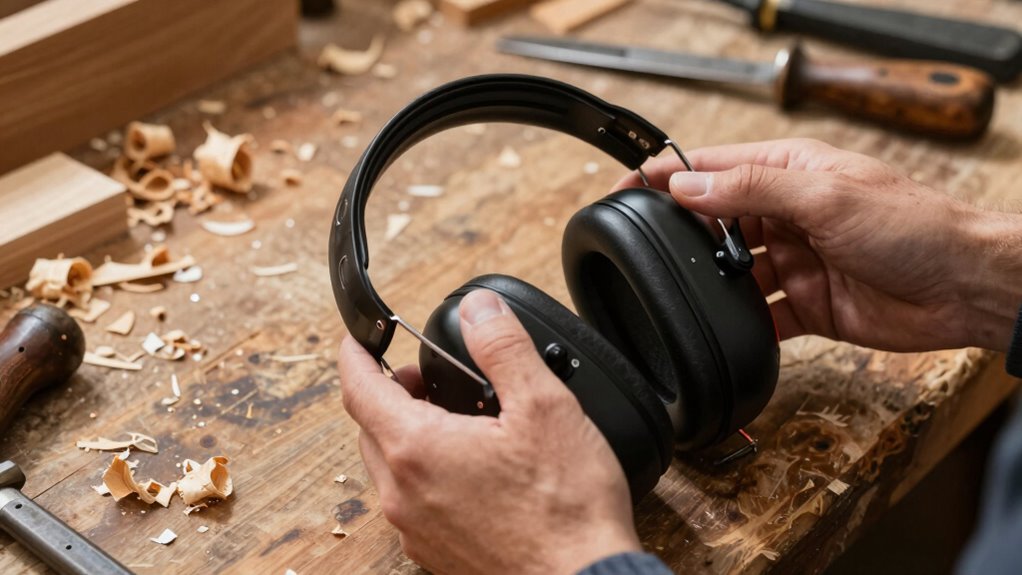
Choosing the right hearing protection for your workshop is crucial to prevent hearing loss and make sure you can enjoy woodworking for years to come. Start with hearing conservation in mind, balancing noise reduction with comfort. When selecting earplugs, consider their noise reduction rating (NRR) to ensure they block harmful sounds without muffling speech or safety signals. Earplug selection depends on your work environment and personal preference—foam, silicone, or custom-molded options each offer different benefits. Fit is key; poorly fitting earplugs won’t protect effectively. Test different styles to find what stays securely in place and feels comfortable during extended use. Properly chosen hearing protection helps you stay safe while maintaining clear communication and awareness in your workshop.
How to Use Hearing Protection Correctly and Consistently
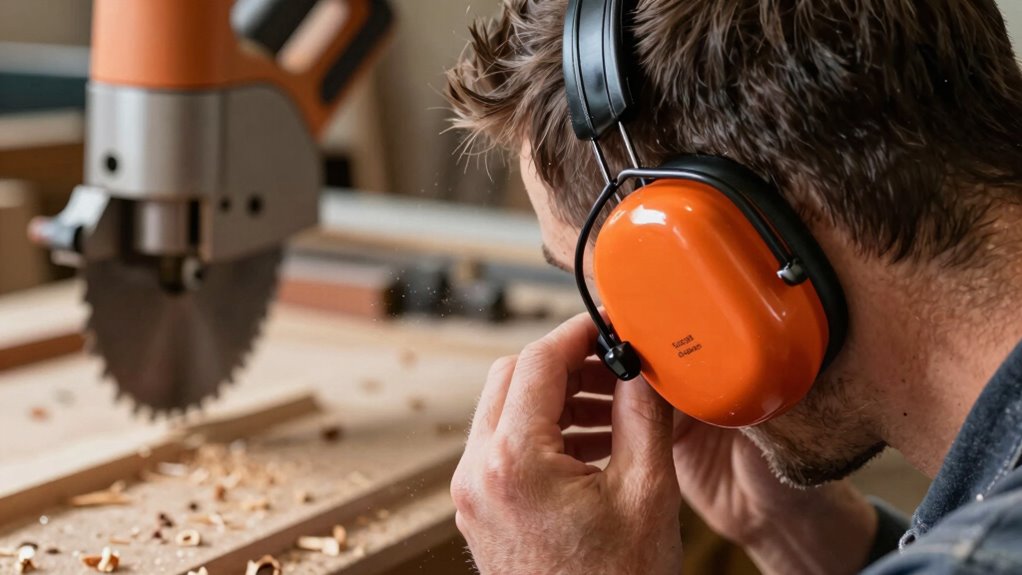
Using your hearing protection correctly and consistently guarantees you get the full benefit of its noise-reducing capabilities. Proper earplug insertion ensures a tight seal, which is essential for maximum noise reduction. Remember to check your protective gear regularly and perform maintenance to keep it in prime condition. Consistency is key—wear your protection every time you’re exposed to loud sounds, no matter how short the exposure. Be mindful of these tips:
- Insert earplugs fully, twisting them for a snug fit
- Replace damaged or worn protective gear immediately
- Clean reusable earplugs according to manufacturer instructions
- Store hearing protection in a clean, dry place
- Develop a routine to remind yourself to wear protection every session
These habits help prevent “quiet damage” and safeguard your hearing long-term.
Simple Ways to Minimize Noise During Your Woodworking Projects
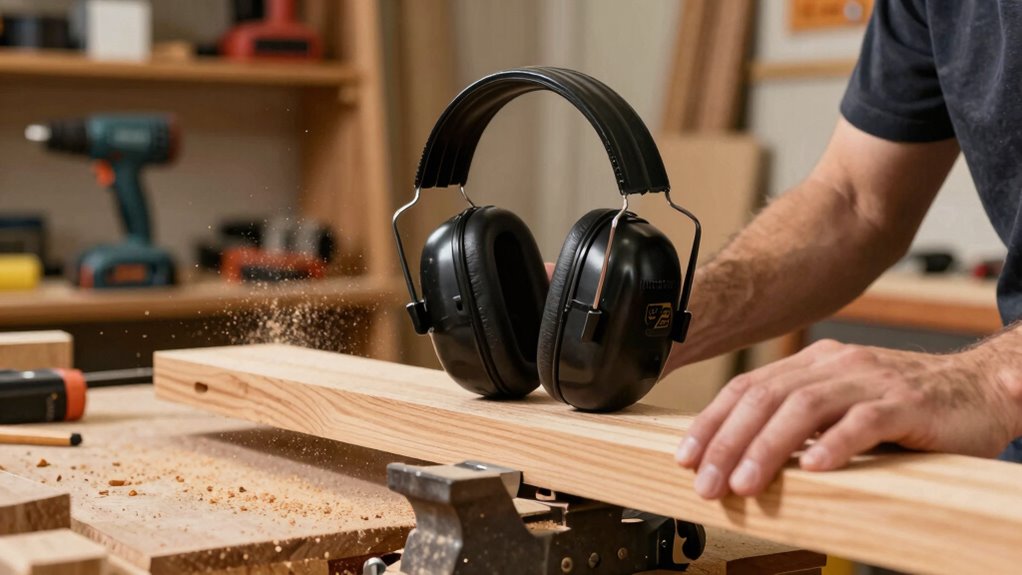
To keep noise levels manageable during your woodworking projects, you can implement simple strategies that make a significant difference. Start by positioning yourself away from loud equipment when possible, reducing your exposure. Use barriers or sound-dampening materials around noisy tools to absorb sound and lower overall noise levels. Opt for quieter tools or upgrades designed to operate more quietly, which helps protect your hearing safety. Regular maintenance of your equipment ensures it runs smoothly and produces less noise. Keep your workspace organized to minimize distractions and accidental loud noises. Wearing hearing protection during loud tasks remains essential, but these small adjustments can further reduce your risk of noise-induced damage, making your woodworking safer and more enjoyable.
Protect Your Hearing Today for a Safer, Louder-Free Future
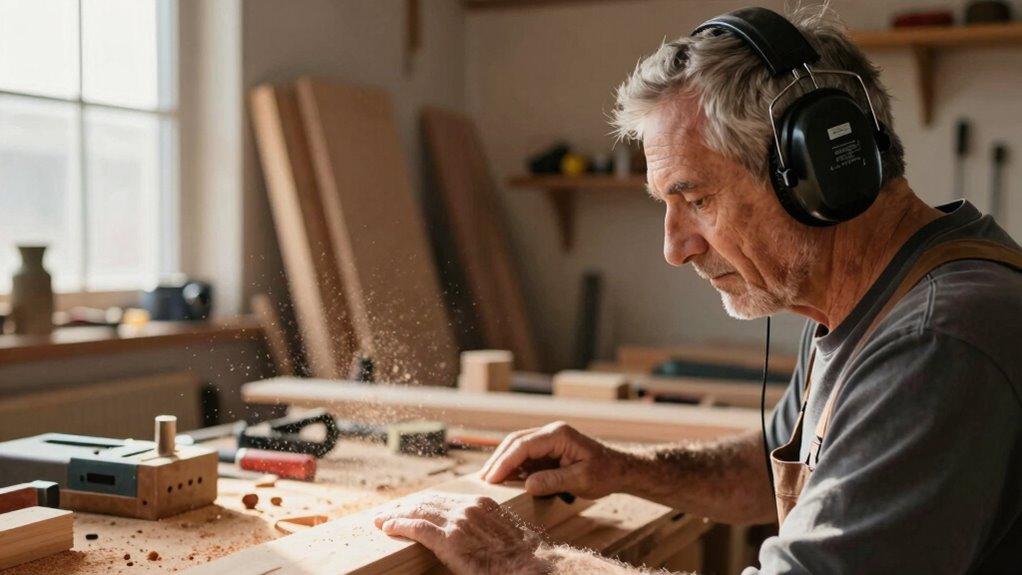
Protecting your hearing today is essential to enjoy a safer, louder-free future. By prioritizing proper ear protection and noise control, you reduce the risk of silent damage that accumulates over time. Investing in quality ear protection keeps your ears safe during loud woodworking sessions. Implementing noise control measures, like barriers or silencers, minimizes exposure. Remember, hearing loss isn’t always immediate; it’s a gradual process often unnoticed until it’s too late. Taking proactive steps now ensures you maintain your hearing health long-term. Safeguard your future self by making noise control and ear protection a priority in every project. It’s a small effort that leads to significant benefits, allowing you to work safely and enjoy your craft without risking your hearing.
- Use effective ear protection consistently
- Limit exposure duration to loud noises
- Incorporate noise barriers in your workspace
- Maintain tools to reduce unnecessary noise
- Educate yourself on safe noise levels
Frequently Asked Questions
Can Hearing Damage Occur Without Feeling Immediate Pain or Discomfort?
Yes, hearing damage can occur without immediate pain or discomfort. This silent damage often goes unnoticed because it happens gradually, causing unnoticed harm over time. You might not feel anything at first, but repeated exposure to loud sounds can weaken your hearing without obvious signs. That’s why wearing hearing protection is vital; it prevents the ongoing, unnoticed harm that leads to permanent hearing loss.
Are Certain Types of Hearing Protection More Effective for Woodworkers?
They say, “Better safe than sorry,” and that’s true for hearing protection. For woodworkers, electronic earmuffs often offer superior sound quality and environmental awareness, while foam earplugs provide a simple, affordable barrier against noise. Your choice depends on the job—electronic earmuffs are more effective for loud, prolonged exposure, whereas foam earplugs suit quick, low-noise tasks. Either way, using the right protection keeps your hearing safe.
How Often Should I Get My Hearing Checked if I Work With Power Tools?
You should get hearing tests at least once a year if you work with power tools regularly. Regular hearing tests help catch early signs of damage, especially since quiet damage can occur without obvious symptoms. Stick to a maintenance schedule for your hearing protection, and schedule check-ups accordingly. This way, you safeguard your hearing health proactively and ensure your hearing remains sharp despite frequent exposure to loud noise.
Does Hearing Loss From Woodworking Noise Happen Gradually or Suddenly?
You might not notice it, but hearing loss from woodworking noise happens gradually, like a slow leak that eventually floods your ears with silence. Acoustic trauma from persistent exposure causes hearing deterioration over time, making it seem sudden when you realize you can’t hear your favorite sounds. Protect your ears every day, because this quiet damage creeps in unnoticed, and once gone, your hearing is gone for good.
Are There Specific Noise Levels That Are Safe for Extended Woodworking Sessions?
Yes, there are specific noise levels that are considered safe for extended woodworking sessions. Generally, noise exposure below 85 decibels (dB) is safe for prolonged periods, while exposure to levels above 85 dB increases your risk of hearing damage. To protect your hearing during woodworking, you should use hearing protection if noise levels approach or exceed this threshold, and take regular breaks to limit overall noise exposure.
Conclusion
Don’t wait until it’s too late—your hearing is more vulnerable than you think. Quiet damage sneaks in, gradually stealing your ability to hear without obvious signs. By choosing the right protection and staying consistent, you can safeguard your future. But the real question is: will you act now or risk losing your soundscape forever? The choice is yours—protect your hearing today before silence becomes your new normal.
Fall yard work Picks
leaf blowers
As an affiliate, we earn on qualifying purchases.