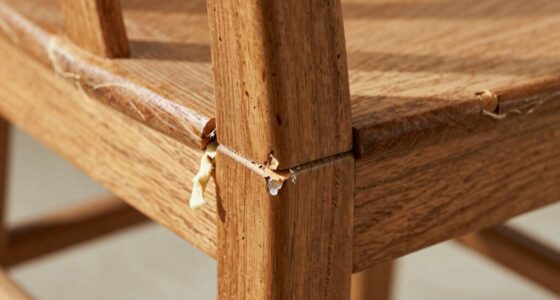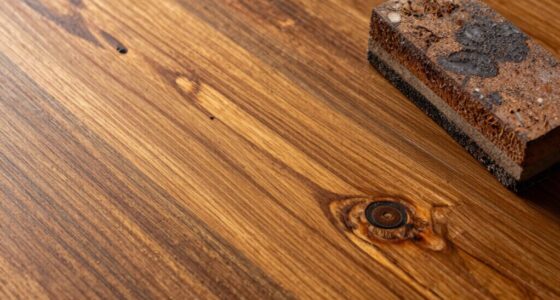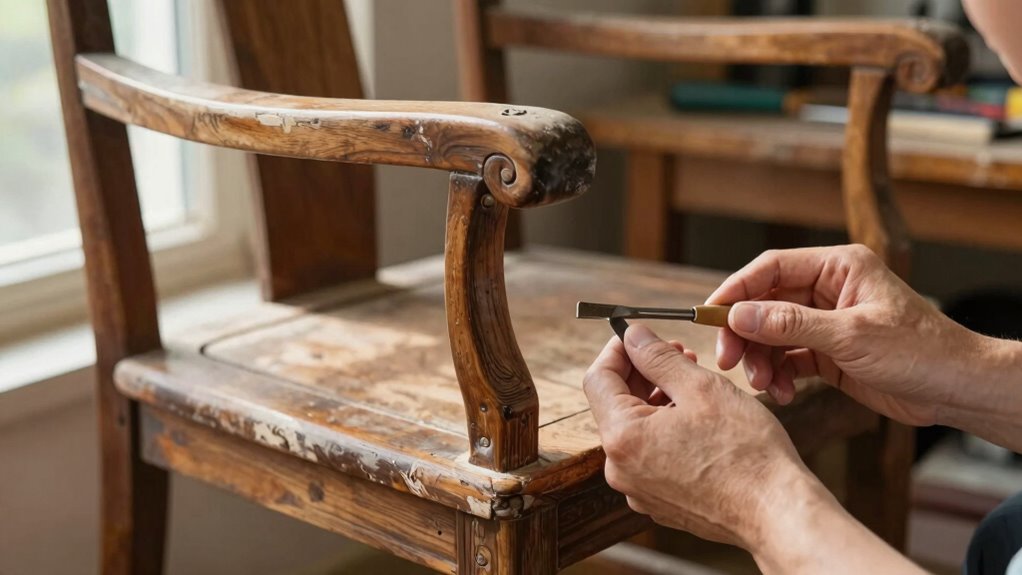
The best furniture repairs start with one essential question most people skip: “Is this piece worth fixing?” Before diving into repairs, assess the sentimental and monetary value of your furniture. Consider the overall condition and extent of the damage. This evaluation helps you decide if you should tackle the repairs yourself or call a professional. Taking this step can save you time and money down the road. Discover more strategies to make informed repair decisions.

Get business pricing on tools and workshop supplies
- Business-only prices and quantity discounts
- Tax-exempt purchasing
- Multiple users, one account, clear invoices
Key Takeaways
- Begin by asking, “Is this worth fixing?” to assess both sentimental and monetary value before proceeding with repairs.
- Evaluate the overall condition of the furniture to determine if repair efforts are feasible and sensible.
- Consider the extent of damage; minor issues may be suitable for DIY, while extensive damage may require professional help.
- Compare the estimated repair costs against the furniture’s value to avoid unnecessary expenses on irreparable pieces.
- Recognize signs of irreparable damage early to prevent wasting time and resources on unfixable furniture.

Furniture repairs can breathe new life into your favorite pieces, saving you money and preserving memories. When you face a damaged piece of furniture, it’s tempting to jump right into the repair process, but stopping to ask one important question can make all the difference: “Is this worth fixing?” This question can guide your decision on whether to engage in DIY techniques, seek professional services, or even consider a complete replacement.
Furniture repairs can revive cherished pieces, but first, ask: “Is this worth fixing?” This key question shapes your next steps.
If you decide to go the DIY route, you’ll want to gather cost estimates for the necessary repair materials. Think about what you need: wood glue, screws, or perhaps new upholstery. Knowing the cost upfront helps you decide if it’s a project worth your time and investment. You can often find great resources online that can help you learn some effective DIY techniques to tackle common repairs, like fixing a wobbly chair or re-staining a table. These projects can be rewarding, but make sure you’re prepared to invest both time and effort. Understanding the cost of repairs can help you better evaluate whether a DIY fix is practical or if professional help is needed.
On the other hand, if the damage is extensive or the piece has significant sentimental value, you might want to weigh the option of professional services. Professionals can provide a level of expertise that you may not have, especially for intricate repairs. They can also offer you maintenance tips afterward, guaranteeing that your restored furniture remains in great shape for years to come. Knowing when to ask for help is just as important as knowing how to fix things yourself. Additionally, considering the value of the furniture can help guide whether restoration efforts are justified.
Furniture restoration is an art, and not every piece can be saved with a simple DIY fix. If you’re considering restoration, evaluate the overall condition of your furniture. Is the frame sturdy? Does the finish look worn? These factors will help you determine if it’s worth the investment. You should also assess the extent of damage to decide whether professional restoration is necessary or if a simple repair will suffice. If the costs of repair materials and labor exceed the value of the piece, it might be time to let go and find something new. Recognizing the signs of irreparable damage can save you from unnecessary expense.
Ultimately, the best furniture repairs start with understanding the value of what you’re working on. Whether you choose to tackle a project yourself or seek out professional help, asking that initial question can save you time, money, and a lot of frustration. Being aware of furniture value can help you make more informed decisions about repairs and replacements. You’ll not only restore your furniture but also guarantee that it continues to hold its place in your home, filled with memories for years to come.
As an affiliate, we earn on qualifying purchases.
Frequently Asked Questions
How Do I Determine if My Furniture Is Worth Repairing?
To determine if your furniture’s worth repairing, evaluate its repair criteria and overall furniture value. Check for structural integrity, the quality of materials, and sentimental value. If it’s a high-quality piece with minor damage, it’s likely worth fixing. Consider the cost of repairs versus the potential resale value—if repairs exceed its worth, you might want to rethink. Ultimately, assess how much you love it and how it fits into your space.
What Tools Do I Need for Basic Furniture Repairs?
If you’re fixing a wobbly chair, you’ll need some tool essentials to get started. Grab a screwdriver, wood glue, clamps, and a sanding block for basic repairs. These tools help you apply effective repair techniques, like tightening joints or smoothing rough edges. With a bit of effort, you can restore that chair to its former glory. Don’t forget safety goggles to protect your eyes while you work!
Can I Repair Furniture Without Professional Help?
Yes, you can definitely repair furniture without professional help! Use DIY techniques like sanding, staining, or reupholstering. Gather repair materials such as wood glue, clamps, and paint. Different furniture types, like wooden chairs or fabric sofas, have specific needs, so tailor your approach accordingly. For successful repairs, follow some restoration tips: take your time, measure accurately, and don’t hesitate to watch tutorial videos for guidance. You’ll be amazed at what you can achieve!
How Much Do Furniture Repairs Typically Cost?
Furniture repair costs can feel like a rollercoaster ride, often ranging from $50 to $500 or more, depending on the damage. You’ll need repair cost estimates to understand what you’re facing. Start with a furniture value assessment; knowing your piece’s worth helps you decide if it’s worth the investment. Remember, sometimes a small repair can breathe new life into a cherished item, making it all the more valuable.
What Common Mistakes Should I Avoid During Repairs?
When repairing antiques, avoid using harsh chemicals that can damage the finish. Don’t skip proper furniture maintenance; regular checks can prevent bigger problems later. Make sure you’re using the right tools for repairs—improper tools can lead to mistakes. Also, resist the urge to rush; taking your time guarantees quality work. Finally, don’t forget to document your repairs; this helps maintain the piece’s history and value.
As an affiliate, we earn on qualifying purchases.
Conclusion
When it comes to furniture repairs, don’t just reach for a tool; pause and ask yourself, “What story does this piece tell?” Picture your favorite chair, its worn arms cradling laughter and memories. By understanding its history, you breathe new life into its spirit. Each scratch and dent becomes a chapter, beckoning for restoration rather than replacement. So, embrace that question, and transform not just your furniture, but the very essence of your living space.
As an affiliate, we earn on qualifying purchases.
professional furniture restoration services
As an affiliate, we earn on qualifying purchases.
As an affiliate, we earn on qualifying purchases.
Fall yard work Picks
leaf blowers
As an affiliate, we earn on qualifying purchases.