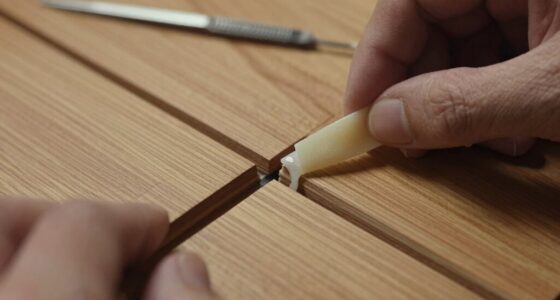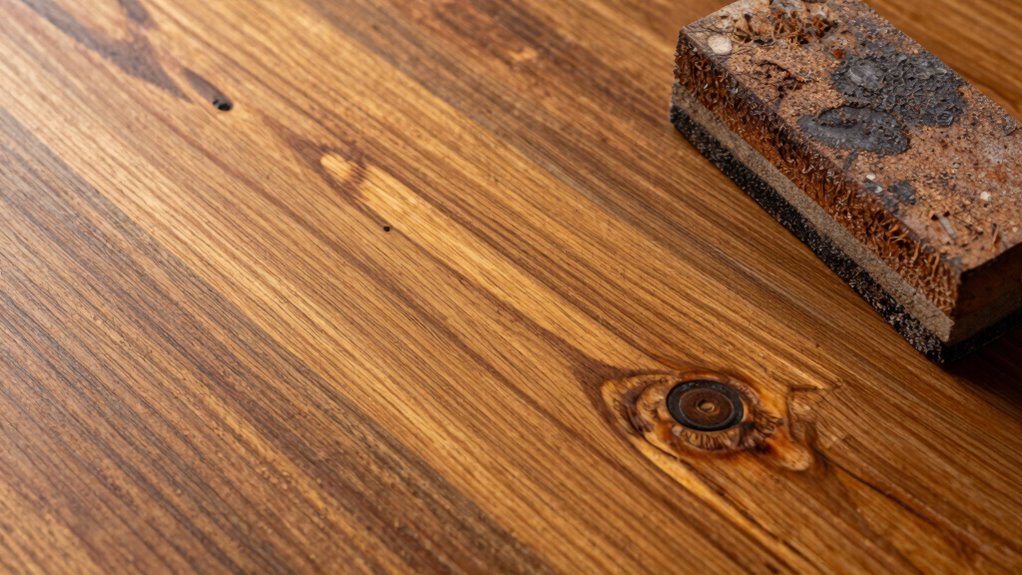
Aggressive sanding strips away your outdoor teak’s natural oils and protective layers, leaving it vulnerable to moisture and damage. This process can make the wood look dull and lifeless, increasing the risk of warping and cracking. By opting for gentle cleaning methods, you can maintain the wood’s integrity and fresh appearance. Remember to use appropriate products to preserve and protect your teak. To truly restore its beauty, you might want to explore additional tips and techniques.

Get business pricing on tools and workshop supplies
- Business-only prices and quantity discounts
- Tax-exempt purchasing
- Multiple users, one account, clear invoices
Key Takeaways
- Aggressive sanding removes natural oils, leading to a dull and lifeless appearance in teak furniture.
- Stripping protective layers increases susceptibility to moisture, warping, and cracking.
- Gentle cleaning techniques preserve the wood’s integrity and maintain its natural finish.
- Regular oil replenishment after cleaning is crucial for protecting against UV rays and moisture.
- Choosing the right teak care products ensures effective restoration and long-term maintenance.
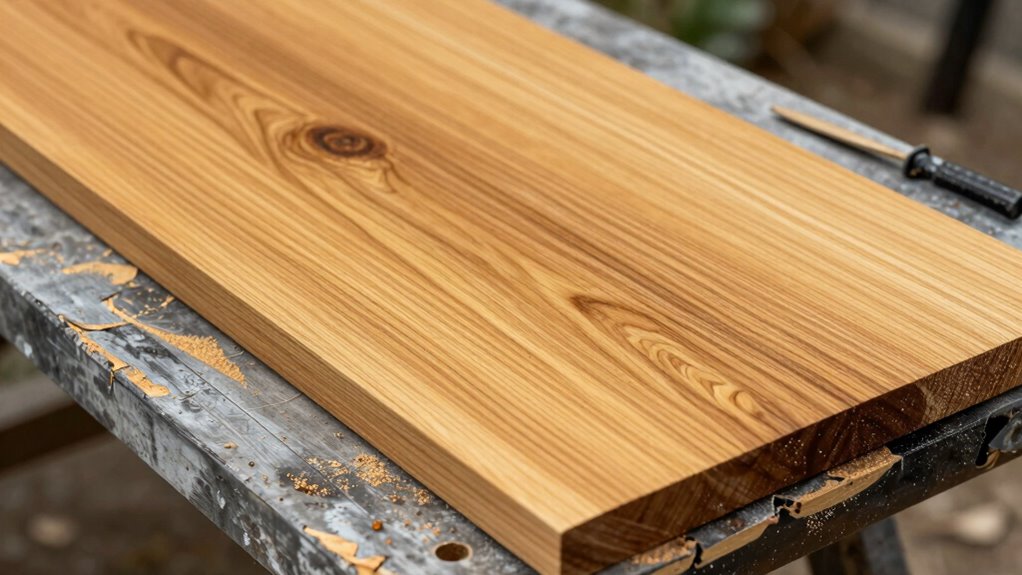
When you aggressively sand teak, you’re stripping away its natural oils and protective layers. These oils are vital for wood preservation because they help repel moisture and prevent damage from the elements. Instead of revealing a beautiful surface, you could end up with a dull, lifeless finish. This isn’t just about looks; it’s about the long-term health of your furniture. Once those oils are gone, the teak becomes more susceptible to warping, cracking, and other forms of damage. To preserve the wood’s integrity, it’s best to avoid aggressive sanding and opt for gentler cleaning methods. You may wonder what the best approach is for restoring your teak. Instead of reaching for the sander, consider gentle cleaning techniques. Start by washing the surface with a mild soap and water solution, using a soft brush to remove dirt and grime. This method won’t strip away the wood’s natural oils, allowing you to maintain its integrity while achieving a fresh appearance. Proper maintenance also involves understanding wood preservation to extend the life of your outdoor furniture. After cleaning, applying a teak oil or sealer can help replenish those essential oils, ensuring your furniture stays protected against moisture and UV rays. Additionally, understanding wood care can help you select the right products to keep your teak looking its best over time. Regular maintenance routines can significantly prolong the lifespan of your outdoor teak furniture by preventing buildup and damage.
As an affiliate, we earn on qualifying purchases.
Frequently Asked Questions
How Often Should I Restore My Outdoor Teak Furniture?
You should restore your outdoor teak furniture every one to two years for ideal teak maintenance. Regular upkeep not only enhances its appearance but also extends its lifespan considerably. Keep an eye on any signs of wear or discoloration, and don’t hesitate to clean and oil it as needed. By staying proactive, you’ll guarantee your teak remains beautiful and lasts for years to come, providing you with lasting enjoyment.
Can I Use Bleach for Cleaning Outdoor Teak?
You can’t just throw bleach on your outdoor teak and expect it to shine like a diamond! Using bleach isn’t recommended, as it can damage the wood. Instead, opt for bleach alternatives like vinegar or mild soap mixed with water. These cleaning techniques preserve the natural beauty of your teak while effectively removing dirt. Regular maintenance with gentle cleaners will keep your furniture looking stunning without the risk of harm.
What Weather Conditions Affect Teak Maintenance?
Weather conditions like humidity, temperature, and UV exposure considerably affect teak maintenance. High humidity can promote mold growth, while extreme temperatures may cause the wood to expand and contract, impacting its durability. You’ll also notice that prolonged sun exposure can lead to fading and graying, altering its appearance. Environmental impact plays a role too; pollution can accelerate deterioration, so regular cleaning and protective treatments are essential for maintaining your teak’s integrity.
Is Teak Oil Required After Sanding?
Teak oil isn’t strictly required after sanding, but it’s highly beneficial. Applying teak oil enhances the wood’s natural color and grain, protecting it from moisture and UV damage. If you want to maintain that rich, warm look, consider applying it after sanding. Just make certain the surface is clean and dry before you start. This way, you’ll guarantee the oil penetrates properly, giving your teak the protection it needs.
How Do I Prevent Mold on Outdoor Teak?
To prevent mold on outdoor teak, you should regularly clean the surface with a mild soap solution and water. Verify proper ventilation and sunlight exposure, as these enhance teak durability and reduce moisture buildup. Applying a protective sealant can also help in mold prevention. Avoid storing items on the teak for extended periods, as this can trap moisture and promote mold growth. Regular maintenance keeps your teak looking great and resistant to mold.
As an affiliate, we earn on qualifying purchases.
Conclusion
When you restore outdoor teak, remember that aggressive sanding can strip away its natural beauty, leaving it bare and lifeless. Instead, gently embrace the wood’s rich, golden hues, letting the sun dance on its surface. Picture the warm, inviting glow as you maintain its character, allowing the grain to tell its story. With care, your teak will flourish, transforming your space into a serene oasis, where nature and craftsmanship blend in perfect harmony.
teak sealer for outdoor furniture
As an affiliate, we earn on qualifying purchases.
As an affiliate, we earn on qualifying purchases.
As an affiliate, we earn on qualifying purchases.
Fall Picks
fall essentials
As an affiliate, we earn on qualifying purchases.