
TL;DR

Get business pricing on tools and workshop supplies
- Business-only prices and quantity discounts
- Tax-exempt purchasing
- Multiple users, one account, clear invoices
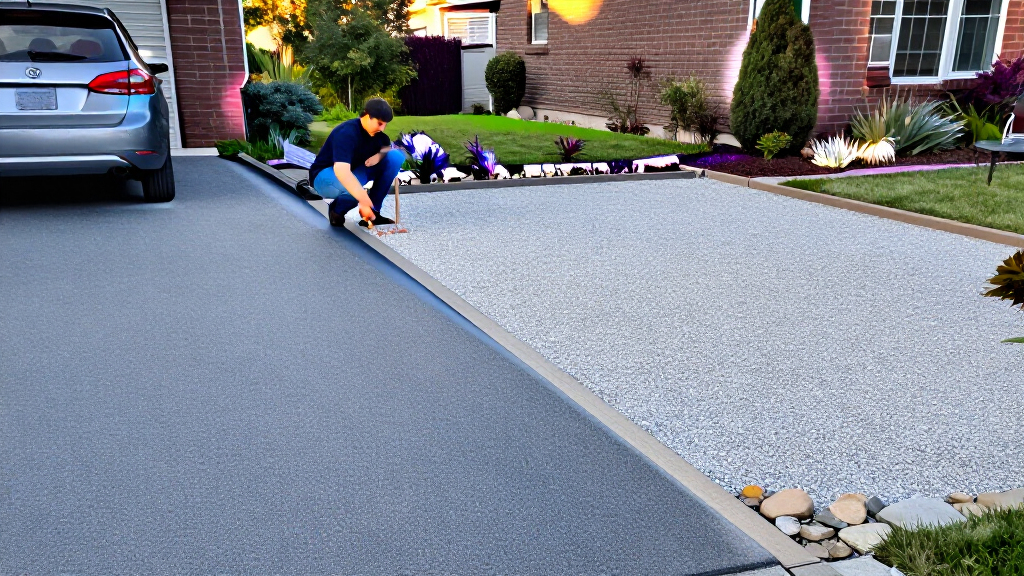
Ideal Home’s comparison of resin and gravel driveways outlines different trade-offs in upfront cost, installation, maintenance and appearance. Gravel generally costs less and may be suitable for a carefully planned DIY installation; resin costs more and requires a specialist. Actual lifespan and upkeep depend on installation, materials and site conditions.
Ideal Home has published a comparison of resin and gravel driveways, setting out how the two popular surfaces differ in price, installation, upkeep and expected lifespan. The guide is aimed at homeowners planning a driveway and highlights a key trade-off: gravel is generally cheaper to install, while resin offers a smooth, fixed finish but calls for specialist installation and a higher initial budget.
The guide gives typical UK installation costs of £50–£70 per square metre for gravel and £90–£130 per square metre for resin, citing Zaeem Chaudhary, director of AC Design Solution. These figures are presented as typical ranges, not quotes for a particular property; the supplied report does not specify when they were collected or what work each estimate includes.
Installation requirements differ. The report says gravel can be quicker and more accessible for a DIY project with research and preparation, although homeowners may prefer to hire a contractor. Resin-bound and resin-bonded surfaces require professional installation, according to the guide. Fergus Wickland of Beauxfort Landscaping Systems warns that poor technique or unsuitable weather can leave resin with a patchy finish.
The comparison says properly installed resin may last 15–20 years, while gravel may last longer overall but needs more ongoing attention, including topping up. Both outcomes depend on preparation and installation. The guide also notes possible resin maintenance issues, including moss or algae in surface voids, discolouration and repairs that may remain visible; these are expert observations, not guarantees that every resin driveway will develop those problems.
Budget and Upkeep Shape the Choice
A driveway is both a parking and manoeuvring surface and a prominent part of a home’s exterior. Choosing on appearance alone can leave owners unprepared for installation costs, recurring maintenance or the difficulty of repairing damage. The comparison gives readers a framework for weighing those practical demands alongside kerb appeal.
Gravel’s lower typical upfront price may appeal to households with a tighter installation budget, but its need for periodic topping up affects long-term costs and effort. Resin’s higher initial price reflects, in part, the materials and skilled installation described by the experts. Homeowners should compare like-for-like estimates for their own site rather than treating the published ranges as a final budget.
The surface also needs to fit the property and how it is used. A smooth, continuous finish and a loose stone surface have different visual and practical characteristics. The source material does not provide a complete comparison of drainage, accessibility or local planning rules, so those issues need separate consideration before work begins.
As an affiliate, we earn on qualifying purchases.
How the Two Surfaces Differ
The comparison distinguishes between resin-bound and resin-bonded finishes. It describes resin-bound as the more common option, with lower maintenance requirements and greater longevity than resin-bonded, while stressing that both types need professional installation. The supplied text does not give a full technical breakdown of how the two systems are constructed.
Gravel is a natural loose material that can be laid relatively quickly, according to designer Samantha-Jane Agbontaen of House Designer. Its appearance can change with the selected stone, and its surface needs periodic attention. Wickland says rain can help clean gravel, while warning that resin surfaces may collect moss or algae in their voids if not regularly power-washed.
The report’s expert comments also point to the importance of the base and preparation beneath either finish. Chaudhary says longevity depends on proper installation, and identifies rushed preparation as a common source of later problems. The article offers a comparison rather than a site-specific design or construction assessment.
“Resin is notoriously difficult to lay, and if not done correctly or laid in the wrong weather conditions, it can result in a poor and patchy finish.”
— Fergus Wickland, project consultant at Beauxfort Landscaping Systems
As an affiliate, we earn on qualifying purchases.
Costs and Lifespans Vary by Site
The supplied report does not state the date of its cost estimates, the assumptions behind them or whether they include excavation, drainage, edging and removal of an existing surface. Actual quotes may differ according to driveway size, location, ground conditions, materials and preparation work.
The lifespan figures are also not guarantees. The source ties durability to installation quality but does not set out a common testing method or conditions for comparing resin and gravel. It does not establish how a particular driveway will respond to vehicle loads, weather, shade, spills or movement in its base.
The source excerpt ends during its discussion of appearance, so it does not provide the complete expert comparison of styles or explain which finish suits specific house types. It also gives no project-specific advice on drainage, accessibility, planning restrictions or local requirements. Homeowners should check these points for their property before deciding.
As an affiliate, we earn on qualifying purchases.
Get Site-Specific Driveway Advice
The guide does not announce a new product, policy or scheduled follow-up. For homeowners considering a project, the next practical step is to obtain itemised quotes for both materials based on the same site and scope of work. Ask contractors what preparation, base work, drainage, edging and removal are included, and request details of expected maintenance and repair options.
Resin buyers should check an installer’s experience with the specific system and ask how weather and curing conditions will be managed. Gravel buyers should ask what groundwork is needed, how often topping up may be required, and how the surface will be maintained. Both groups should verify any local rules that apply to the property; the supplied article does not address those requirements.
As an affiliate, we earn on qualifying purchases.
Key Questions
Which driveway is cheaper to install?
The Ideal Home comparison gives typical UK ranges of £50–£70/m² for gravel and £90–£130/m² for resin, citing Zaeem Chaudhary. These are guide figures; request an itemised quote for the property and check what work is included.
Can I install a gravel driveway myself?
The report says gravel may be suitable for a DIY approach with research and planning, and describes it as relatively quick to lay. The amount of groundwork and skill required will depend on the site, so homeowners should establish what preparation is needed before deciding.
Does a resin driveway need professional installation?
Yes. The guide says both resin-bound and resin-bonded driveways require a specialist installer. Fergus Wickland warns that incorrect installation or unsuitable weather can produce a patchy finish.
Which surface lasts longer?
Chaudhary says properly installed resin can last 15–20 years, while gravel can last longer overall but needs more maintenance. These are conditional estimates, not a guarantee for an individual driveway.
What should I compare before choosing?
Compare the full installation quote, preparation work, maintenance needs, repair options and the look you want. The supplied report does not cover every site-specific factor, including drainage and local rules, so ask contractors and check requirements for your property.
Source: rss
Fall Picks
fall essentials
As an affiliate, we earn on qualifying purchases.