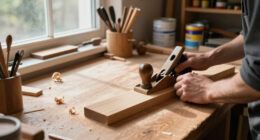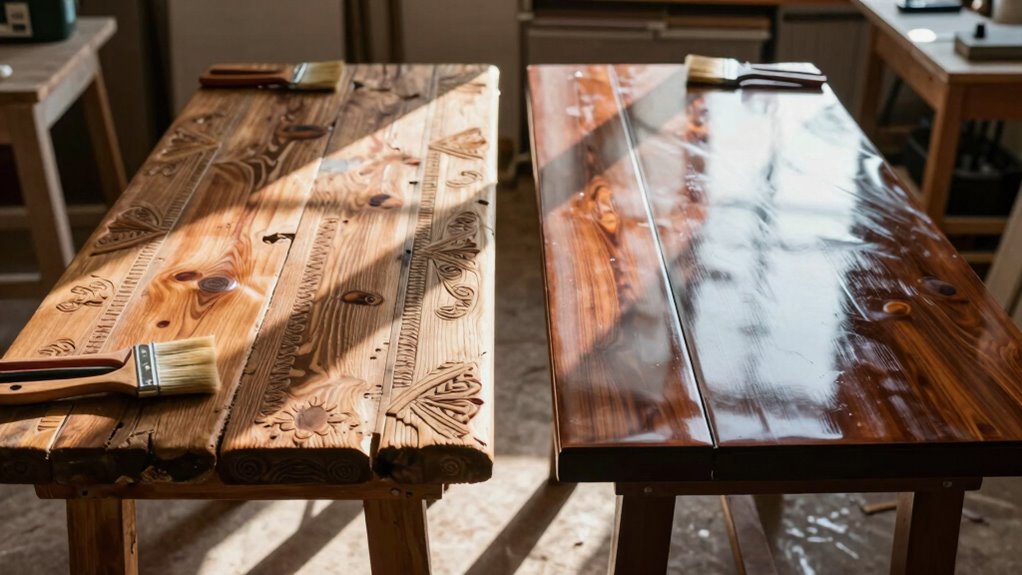
When you’re deciding between furniture restoration and refinishing, it’s key to understand their differences. Refinishing boosts appearance by stripping and applying new finishes, while restoration focuses on preserving original materials and historical value. Refinishing can enhance aesthetics, but restoration often increases a piece’s worth. Knowing which process suits your furniture can greatly impact its longevity and appeal. If you want to explore these techniques further, there’s plenty more to discover.

Get business pricing on tools and workshop supplies
- Business-only prices and quantity discounts
- Tax-exempt purchasing
- Multiple users, one account, clear invoices
Key Takeaways
- Understanding Differences: Refinishing enhances appearance while restoration preserves authenticity and historical value, making both processes distinct in purpose.
- Value Impact: Restoration often retains or increases a piece’s value, unlike refinishing, which may only improve aesthetics.
- Skill Requirements: Refinishing generally requires basic skills, while restoration demands advanced techniques for intricate repairs and preserving integrity.
- Collector Appeal: Restored furniture is usually more attractive to collectors due to its authenticity and preserved materials.
- Expert Guidance: Seeking professional advice is crucial for restoration to ensure historical respect and proper technique, unlike simpler refinishing tasks.
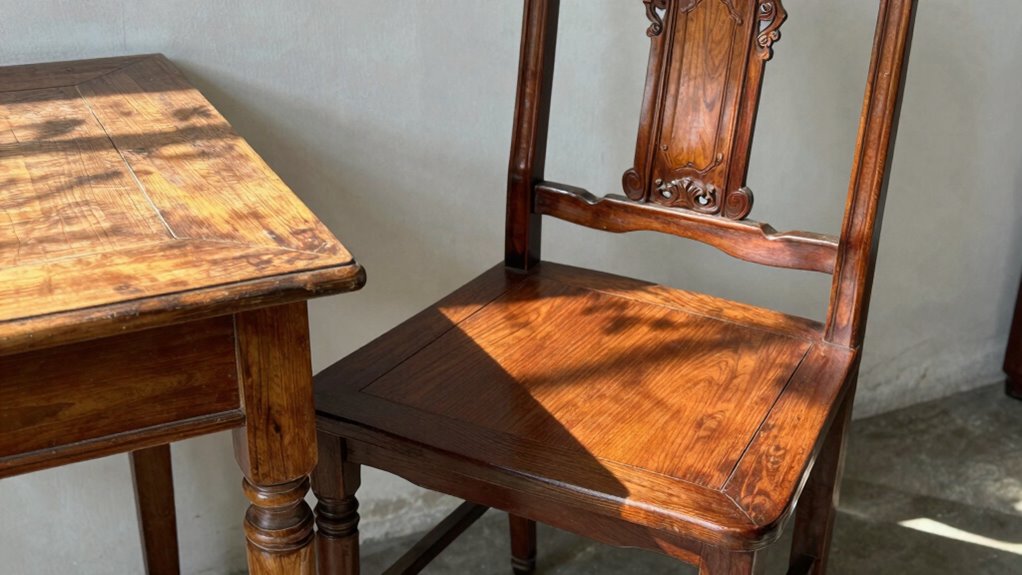
When you want to bring an old piece of furniture back to life, you might wonder whether to restore or refinish it. Both options can breathe new life into your beloved items, but they serve different purposes and involve distinct processes. Understanding the difference is essential, especially if you’re passionate about antique preservation. Refinishing often means stripping away the old finish and applying a new one. It’s a great way to enhance the beauty of the wood and maintain its usability. If your piece is heavily worn or scratched, refinishing can give it that fresh look without losing its character.
When revitalizing old furniture, choosing between restoration and refinishing is key to preserving its unique charm and history.
On the other hand, restoration is more about preserving the original elements of the furniture. When you restore a piece, you’re often trying to keep as much of the original material as possible. This could mean repairing broken parts, reupholstering with period-appropriate fabrics, or even just cleaning the surface without altering the finish. If you’ve got a valuable antique, restoration is usually the way to go. It retains the integrity of the piece and can greatly increase its value in the long run. Additionally, restoration often involves preserving authenticity, which can be crucial for collectors and history enthusiasts.
If you’re considering a DIY approach, both refinishing and restoration can be done at home, but it’s essential to know your skills and limits. For refinishing, you might use sandpaper, wood stain, and a sealant. You can find plenty of DIY techniques online to guide you through the process. Just remember, applying too much stain or rushing the drying time can ruin your hard work. Take your time, and don’t skip the prep work. Proper techniques are key to achieving a good result and avoiding damage.
Restoration, however, can be more complex. You might need specialized tools or materials, especially if you’re dealing with intricate details or repairs. If you’re not confident in your ability, consulting a professional can save you headaches down the line. The goal of antique preservation is to keep the piece as authentic as possible, so it’s worth considering expert advice. Additionally, understanding the restoration process helps in making informed decisions that respect the piece’s history. Learning about proper techniques and materials can also help ensure the longevity of your restored furniture.
As an affiliate, we earn on qualifying purchases.
Frequently Asked Questions
How Can I Identify if My Furniture Needs Restoration or Refinishing?
To identify if your furniture needs restoration or refinishing, start by examining its historical significance and identifying materials. If it’s a valuable antique with original features, restoration might be best to preserve its authenticity. However, if it’s simply worn down and lacks significant value, refinishing can revitalize its appearance without compromising its integrity. Look for structural damage or unique craftsmanship—these factors can help you decide the appropriate care for your piece.
What Tools Are Essential for DIY Furniture Restoration?
Did you know that over 50% of DIYers believe they can restore furniture with just a few basic tools? For successful DIY furniture restoration, you’ll need a solid tool selection. Start with a sander, wood glue, clamps, and a paintbrush. Incorporating restoration techniques like stripping old finishes and applying new ones will enhance your project. Don’t forget safety gear, too—it’s essential for a smooth and safe restoration experience!
How Long Does Furniture Restoration Typically Take?
Furniture restoration typically takes anywhere from a few days to several weeks, depending on various time factors. If you’re using intricate restoration techniques, like reupholstering or detailed refinishing, expect a longer timeline. Simpler tasks, like cleaning or minor repairs, can be quicker. It’s essential to set realistic expectations based on the condition of your piece and the methods you choose. Patience often pays off when breathing new life into old furniture!
Are There Specific Types of Wood Better Suited for Refinishing?
Yes, certain types of wood are better suited for refinishing. Hardwoods, like oak and maple, offer significant advantages due to their durability and ability to withstand wear. They take stains and finishes well, enhancing appearance. On the other hand, softwoods, such as pine and cedar, present challenges because they can dent easily and absorb finishes unevenly. You’ll find that hardwoods generally yield more satisfying results when refinishing your furniture.
Can I Restore Furniture With Sentimental Value Myself?
Yes, you can restore furniture with sentimental value yourself! Start by evaluating its condition and identify the restoration techniques you’ll need. Clean, sand, and refinish the piece carefully to maintain its character. Since you’ve got sentimental attachments, take your time and enjoy the process. Remember, it’s not just about the final result; it’s about preserving memories. With patience and love, you can bring that cherished furniture back to life.
antique furniture restoration tools
As an affiliate, we earn on qualifying purchases.
As an affiliate, we earn on qualifying purchases.
Conclusion
In the dance of furniture care, restoration and refinishing each have their rhythm. While refinishing wipes the slate clean, restoration whispers stories of the past, preserving the soul of your piece. Recognizing this delicate balance adds depth to your appreciation of craftsmanship. So, next time you consider a project, remember: one brushstroke can revive a memory, while the other can create a fresh canvas. Respect the line, and let your furniture’s journey unfold beautifully.
wood stain and sealant for furniture
As an affiliate, we earn on qualifying purchases.
As an affiliate, we earn on qualifying purchases.
professional furniture restoration services
As an affiliate, we earn on qualifying purchases.
As an affiliate, we earn on qualifying purchases.
Fall Picks
fall essentials
As an affiliate, we earn on qualifying purchases.