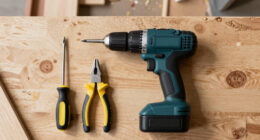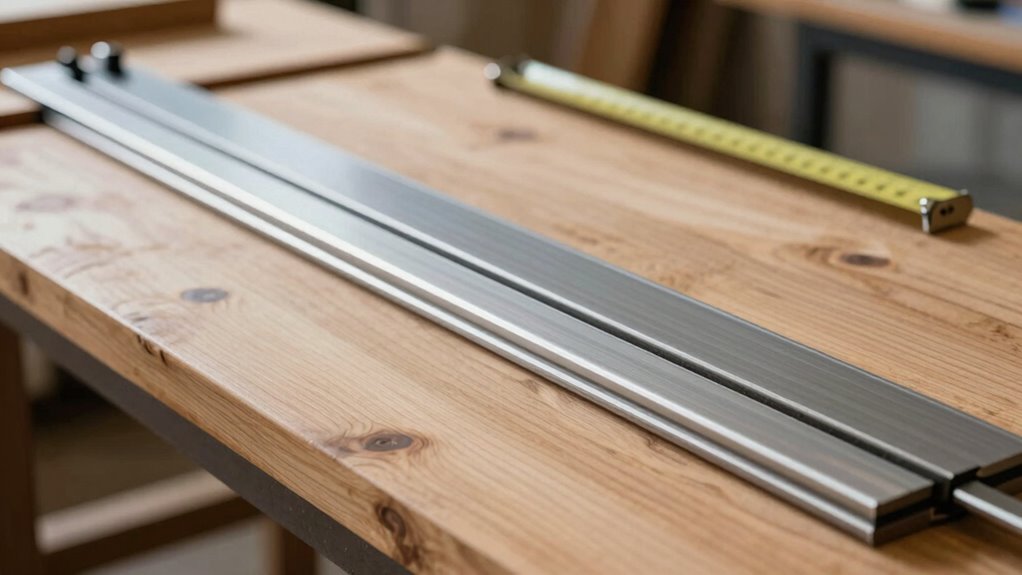
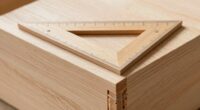
To keep your cuts straight over long runs, make certain your guide rail is properly aligned and securely clamped to your work surface. Check that the rail is free from warps, debris, and misalignment, and make adjustments using alignment tools if needed. Use enough clamps at regular intervals to prevent shifting, and verify the track’s stability frequently. Staying attentive to these details will help you achieve perfectly straight cuts, and more tips follow if you keep going.

Get tools and workshop supplies delivered free — and shop member deals
- Fast, free delivery on millions of items
- Access to Prime Big Deal Days deals on October 6–7
- Prime Video, Amazon Music and more included
Key Takeaways
- Regularly check and tighten clamps to secure the guide rail firmly along the entire length.
- Use alignment tools like straightedges or gauges to verify the rail stays true throughout the cut.
- Ensure the guide rail is free of warping, damage, or debris before starting long cuts.
- Confirm track and rail compatibility with your saw, and avoid extending rails improperly.
- Perform calibration checks and adjust as needed to maintain precise alignment during the project.
As an affiliate, we earn on qualifying purchases.
Why Long, Straight Cuts Are Hard to Achieve: And How to Make Them Easy
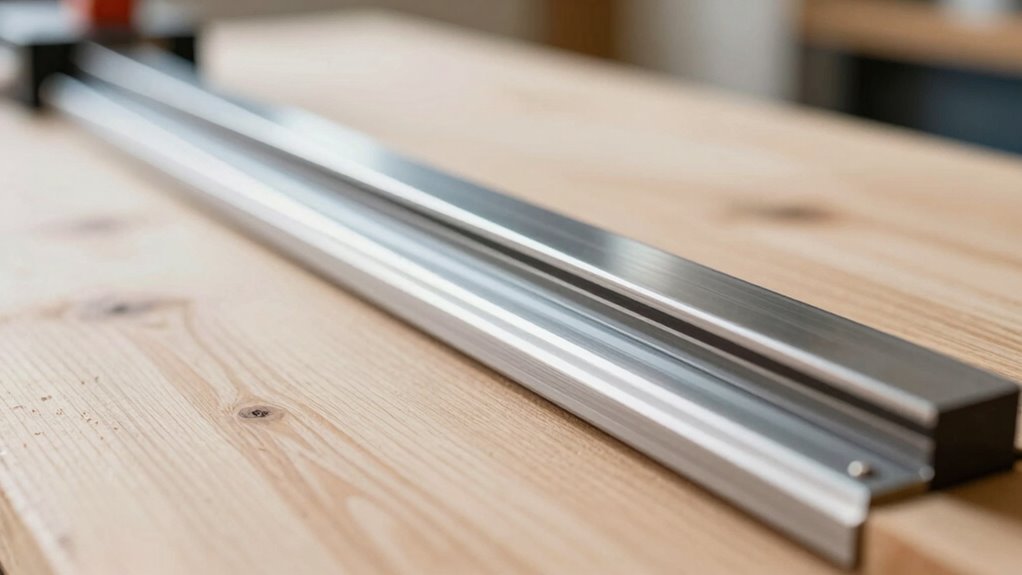
Have you ever struggled to make a long, straight cut that actually stays straight? One common reason is not accounting for grain direction. When cutting wood, going against the grain causes splintering and uneven edges, making your cut crooked. Additionally, material hardness affects cut accuracy; harder woods resist the blade, causing it to veer off course. If you don’t consider these factors, your cut can easily become jagged or crooked, especially over long runs. The key is to understand how grain direction influences the cut and to adjust your approach accordingly. Using a sharp blade and applying consistent pressure helps, but knowing your material’s hardness and grain pattern is vital for achieving those clean, straight lines you want. Properly aligning your saw and understanding the properties of your wood can significantly improve your results. Recognizing cutting techniques that minimize deflection can also lead to more precise long cuts. Being aware of material properties like grain and hardness allows you to select the best cutting strategy for each project, ensuring accuracy from start to finish. Moreover, practicing proper saw setup can help reduce wobble and improve cut straightness.
As an affiliate, we earn on qualifying purchases.
Getting Your Track Saw and Rail Ready for Precise Cuts
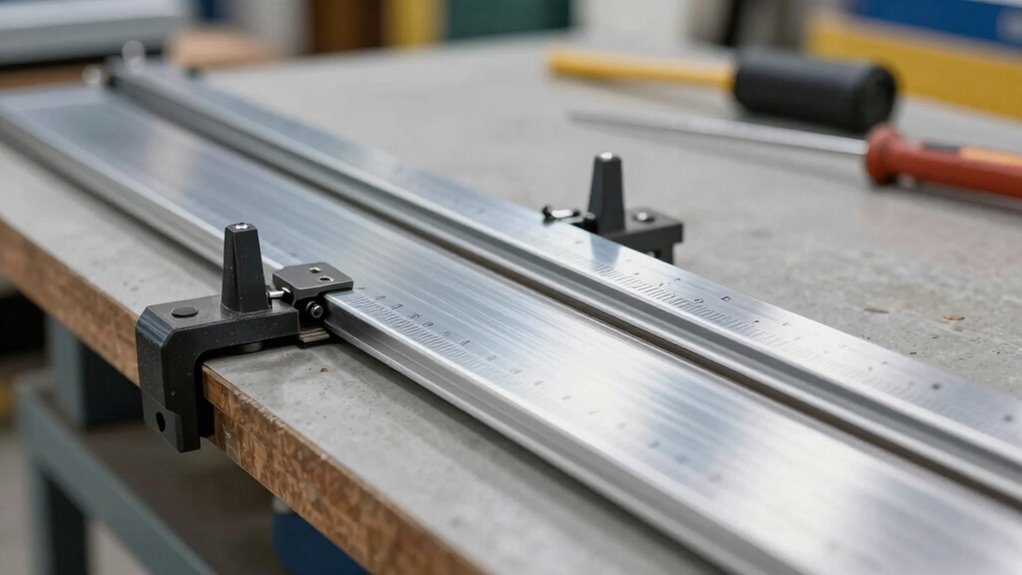
Before making precise cuts, it’s essential to verify your track saw and guide rail are properly prepared. First, check that your blade is sharp and clean, which improves cut accuracy and reduces splintering. Perform blade maintenance regularly to keep it in top shape. Second, ensure your dust collection system is functioning correctly; a clear system prevents debris buildup that can affect the saw’s movement and accuracy. Third, confirm the guide rail is free of dirt and debris, and that it’s securely aligned with your marking lines. Proper blade maintenance guarantees smooth operation, while effective dust collection keeps your workspace clean and your cuts precise. Additionally, verifying the contrast ratio of your projector can help ensure optimal image quality during setup, especially in varying lighting conditions. Moreover, inspecting the rail for warping or damage is crucial for maintaining straight cuts over long runs, as any imperfections can lead to inaccuracies. To further ensure precision, it’s important to consider the influence of guide rail alignment on cut accuracy, as even slight deviations can cause errors over extended cuts. Also, checking the clamping mechanism of your guide rail ensures it remains firmly in place during cutting, preventing shifts that could compromise straightness. Ensuring the rail surface is smooth and free of imperfections will also contribute to more consistent cuts. Lastly, inspect the rail for any warping or damage before starting, ensuring consistent, straight cuts every time.
woodworking straight edge alignment tools
As an affiliate, we earn on qualifying purchases.
As an affiliate, we earn on qualifying purchases.
Check and Adjust Your Rail Alignment Before Cutting

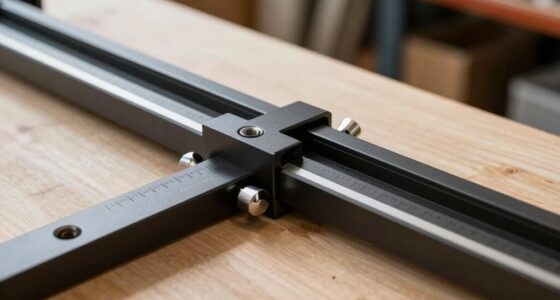
To guarantee accurate cuts, you need to check and adjust your rail alignment just before you start cutting. Proper rail maintenance ensures your track remains straight and minimizes deviations. Use alignment tools such as a straightedge, a combination square, or a dedicated rail alignment gauge to verify the rail’s position. Place the tools along the length of the track to spot any misalignments, like warping or uneven gaps. If you notice discrepancies, loosen the rail clamps or fasteners and gently shift the track into proper position. Re-tighten everything securely. Taking this extra step before cutting ensures your saw runs smoothly along the straight path, leading to precise, clean cuts over long runs without wobbling or deviation. Regularly inspecting your equipment’s navigation and mapping capabilities can help detect potential issues early and maintain optimal performance. Additionally, ensuring your track system is free of debris and properly lubricated can further enhance alignment accuracy.
As an affiliate, we earn on qualifying purchases.
Tips to Keep Your Rail Stable During Long Cuts
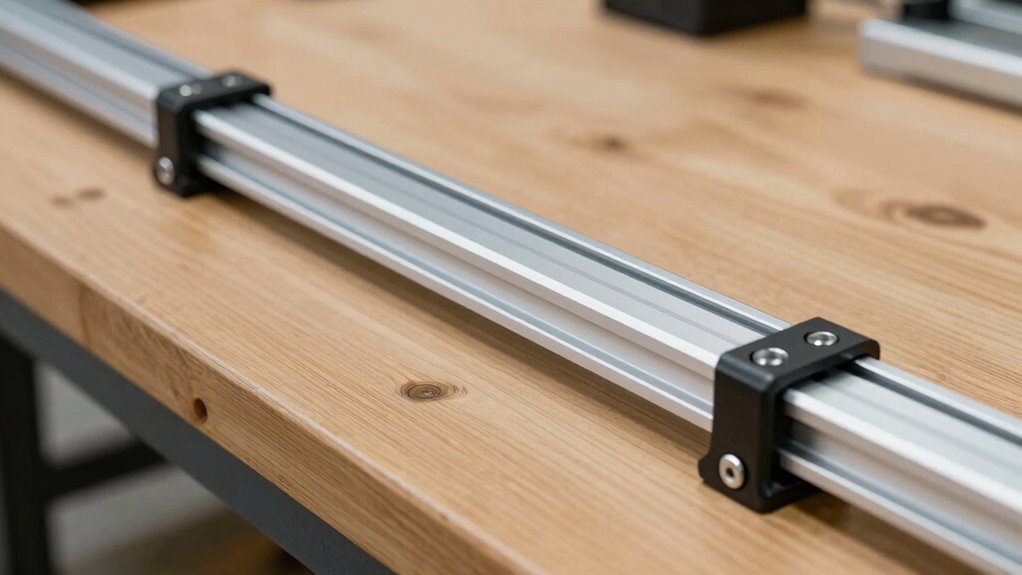
During long cuts, maintaining the stability of your track rail is crucial to guarantee clean, accurate results. To keep your rail steady, consider these tips:
- Use clamps or sturdy fasteners to secure the rail material firmly to your work surface, preventing any shifting during cutting.
- Regularly check that the rail remains aligned and tighten any loose bolts, especially if working with longer sections.
- Ensure your saw blade is sharp and appropriate for the rail material, reducing vibrations that could cause movement or misalignment.
- Familiarize yourself with proper setup procedures to optimize safety and accuracy when handling power tools for long cuts.
- Additionally, selecting high-quality equipment can significantly reduce vibrations and improve cut precision over extended runs.
- Confirm that your tools and accessories meet industry standards to ensure consistent performance during your project.
- For added stability, consider using vibration-dampening accessories designed to minimize movement during extended cuts. Incorporating essential oils known for reducing vibrations in power tools is a creative way to enhance performance, especially if used with compatible attachments.
These practices help minimize vibrations and movement, keeping your saw blade on track. Properly securing the rail and choosing the right blade material are essential for precise, straight cuts over long runs.
Common Mistakes That Cause Rail Misalignment and How to Avoid Them
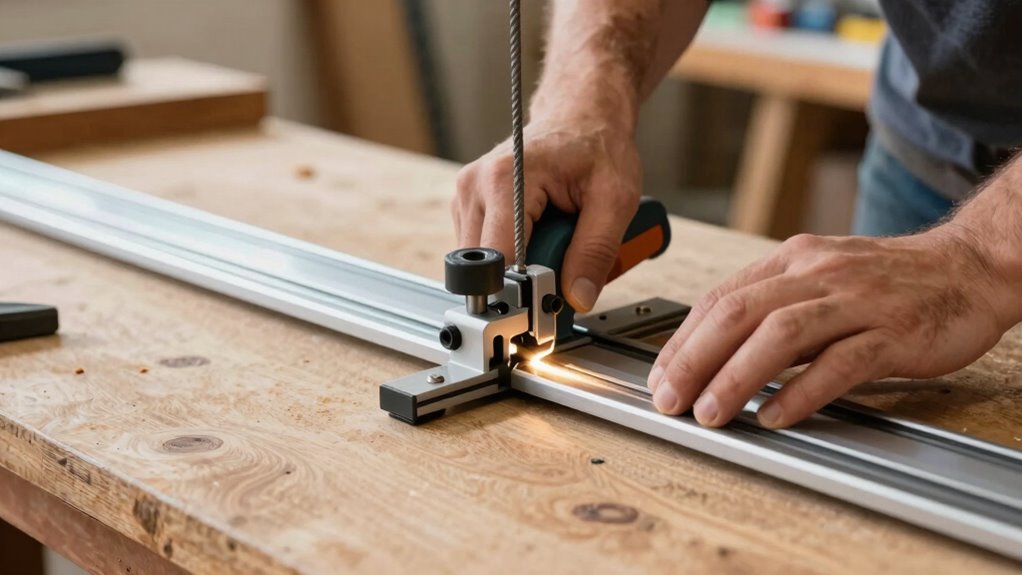
One common mistake is using clamps improperly, which can cause the rail to shift during cuts. Ignoring track compatibility or skipping calibration checks can also lead to misalignment. To keep your cuts accurate, make sure to clamp correctly, use compatible track, and regularly verify your setup.
Improper Clamp Usage
Using clamps improperly is a common mistake that can easily cause your saw rail to become misaligned. Poor clamp placement or incorrect clamp pressure can lead to movement during cutting, compromising accuracy. To avoid this, keep these tips in mind:
- Clamp Placement: Position clamps directly over the rail’s reinforcement points and not too close to the cut line to prevent interference.
- Clamp Pressure: Apply firm, even pressure to secure the rail without deforming it or causing bowing.
- Number of Clamps: Use enough clamps at proper intervals to evenly distribute pressure and prevent any shifting during the cut. Ensuring proper piercing care and hygiene of your clamps and tools helps maintain their effectiveness and prevents contamination or corrosion that could affect clamp performance. Regular inspection and cleaning of clamps also help preserve their structural integrity, ensuring consistent clamping force during use.
Ignoring Track Compatibility
Ensuring your track saw rail is compatible with your saw and workpiece is essential for maintaining proper alignment. Ignoring track compatibility can lead to misaligned cuts and uneven surfaces. Check that the rail length suits your project needs; a rail that’s too short may force you to reposition frequently, increasing the risk of misalignment. Using incompatible rails or extending rails improperly can cause uneven tracking and wobble. Always verify that your track system matches your saw’s specifications and that extensions are secure and straight. Mismatched components or improper rail lengths compromise stability, making straight cuts difficult. To avoid these issues, double-check compatibility before starting, and choose a rail length that accommodates your longest cuts without overextending. Proper compatibility ensures smoother, more accurate cuts over long runs.
Skipping Calibration Checks
Skipping calibration checks is a common mistake that can lead to significant rail misalignment during cuts. When you neglect regular calibration checks, your track saw may lose tracking consistency, resulting in crooked or uneven cuts. To avoid this, make sure to:
- Perform calibration checks before each project to ensure the track remains aligned.
- Confirm that the rails are properly secured and free of debris that could affect tracking consistency.
- Recheck calibration after any impact or if you notice any deviation during cuts.
Using Clamps and Guides to Keep Your Rail Straight Over Long Runs
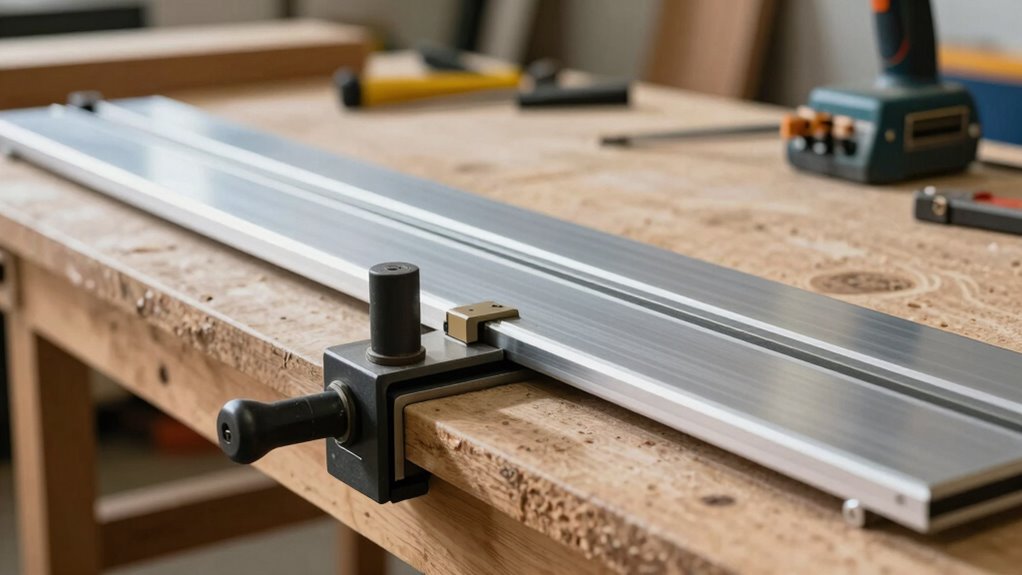
To keep your track saw rail straight over long cuts, clamps and guides are essential tools. Proper clamp placement guarantees the rail stays securely aligned, preventing shifting during cuts. Position clamps at regular intervals, focusing on both ends and the middle, to distribute pressure evenly. Check guide compatibility before attaching, making sure your guides fit snugly without wobbling. Using guides that match your track saw’s profile helps maintain a straight, consistent cut. Avoid over-tightening clamps, which can cause distortion or damage to the rail. Instead, tighten just enough to hold the rail firmly in place. With correct clamp placement and compatible guides, your long cuts will stay straight, accurate, and clean, reducing the need for rework or correction. Incorporating inner wisdom into your setup process can also help you develop a more intuitive sense of proper alignment and technique, leading to improved results over time.
Troubleshooting Rail Alignment Issues and Fine-Tuning for Perfect Cuts
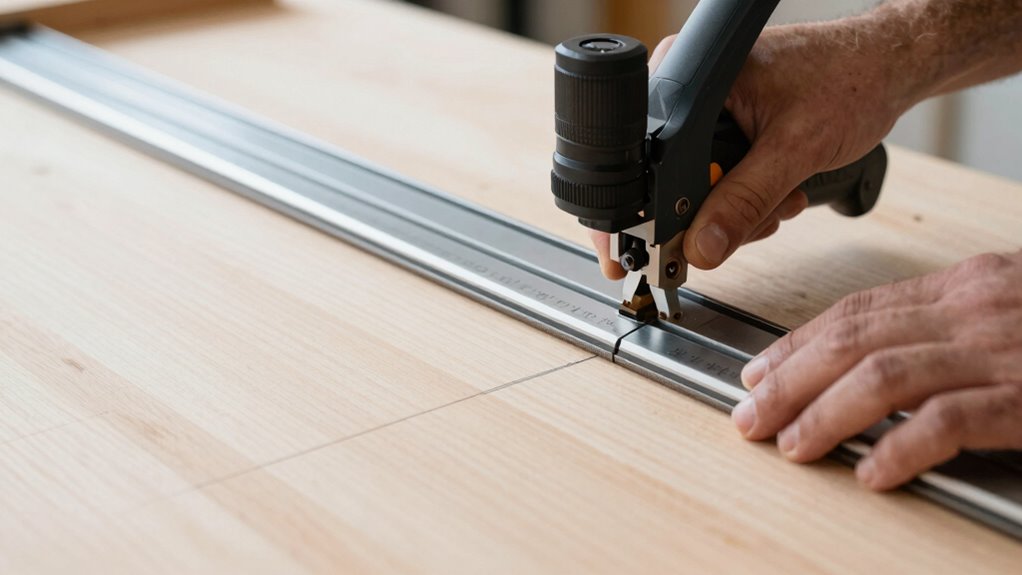
Even with careful setup, rail alignment issues can still occur, causing your cuts to drift or become uneven. To troubleshoot, start by checking your blade alignment; a misaligned blade can throw off your cut accuracy. Next, inspect your dust collection system—clogged or inadequate dust extraction can cause debris buildup that affects the rail’s position. Finally, verify that your rail is securely clamped and free of warps or bends. To fine-tune your setup:
- Adjust the blade to ensure it runs true with the track.
- Clean your dust collection system to prevent debris interference.
- Realign and tighten clamps, making sure the rail sits flat and stable.
- Confirm that your setup adheres to woodworking fundamentals, ensuring consistent and precise results.
Addressing these issues helps keep your cuts straight and accurate over long runs.
Frequently Asked Questions
How Often Should I Check Rail Alignment During Long Cuts?
You should check rail alignment every 10 to 15 minutes during long cuts to make certain of accuracy. Regular checks help catch rail wear or calibration shifts early, preventing crooked cuts. Keep an eye on the rail’s condition and re-calibrate as needed. Frequent adjustments maintain straight cuts, especially over extended runs, saving you time and material waste. Proper maintenance and monitoring are key to consistent, precise results.
Can Temperature Changes Affect Rail Stability and Alignment?
A stitch in time saves nine, and when it comes to your rail setup, temperature changes definitely matter. Fluctuations can cause rail expansion or contraction, affecting stability and alignment. To keep your cuts straight, monitor temperature stability and consider using rails designed to accommodate expansion, especially during hot or cold days. Regularly checking alignment guarantees you catch any shifts early, maintaining precision over long cuts.
What Are the Best Storage Practices to Prevent Rail Warping?
You should store your rails in a cool, dry place to prevent warping. Use proper wood storage techniques, stacking rails flat with spacers to promote airflow. Control humidity levels, ideally between 40-60%, to avoid moisture buildup that causes warping. Keep rails away from direct sunlight and heat sources. Regularly check and adjust storage conditions to maintain stability, ensuring your rails stay straight and true for precise cuts over long runs.
Are There Specific Brands of Clamps That Work Best for Alignment?
You should choose clamps with high clamp quality, as they provide consistent pressure and prevent slipping during long cuts. Brands like Bessey, Irwin, and Kreg are top recommendations because they’re known for durability and reliable grip. Invest in clamps that are designed for precision, ensuring your rail stays aligned. Using quality clamps from trusted brands will make your long cuts straighter and safer, giving you professional results every time.
How Do I Correct Slight Misalignments Without Dismantling the Setup?
Did you know that even a 1/16-inch misalignment can throw off a cut over long runs? To correct slight misalignments without dismantling your setup, try rail correction by gently nudging the rail back into alignment. Use a level or straight edge to guide your adjustment, and tighten clamps securely once the misalignment is corrected. This misalignment adjustment is quick, saving you time and ensuring straight, accurate cuts.
Conclusion
Think of your track saw rail like a tightrope—balance and precision are key. When I first started, I struggled with long cuts, feeling like I was walking a high wire without a net. Once I checked my alignment and used clamps, everything fell into place—just like learning to walk steadily across that wire. With patience and the right setup, you’ll make perfectly straight cuts every time, turning a challenging task into a walk in the park.
Fall Picks
fall essentials
As an affiliate, we earn on qualifying purchases.