
Exterior joinery fails faster than interior joinery because it constantly faces harsh weather conditions like sunlight, rain, and snow. These elements weaken joints and materials, leading to quicker degradation. Moisture and temperature fluctuations further contribute to issues like swelling or rotting, particularly with untreated wood. Proper material selection, installation, and maintenance are essential to longevity. If you want to explore how to enhance durability and prevent failures, there’s more to uncover about best practices.
Key Takeaways
- Exterior joinery faces harsher weather conditions, including sunlight, rain, and snow, leading to increased material degradation.
- Environmental factors, such as moisture and temperature fluctuations, heighten the risk of joint failures in outdoor applications.
- Untreated materials used in exterior joinery are more prone to swelling, warping, and rot compared to those used indoors.
- Poor installation techniques, like misalignment, can exacerbate vulnerabilities in exterior joinery, regardless of material quality.
- Inadequate maintenance and inspections allow environmental damage to accumulate, leading to faster deterioration of exterior joinery.
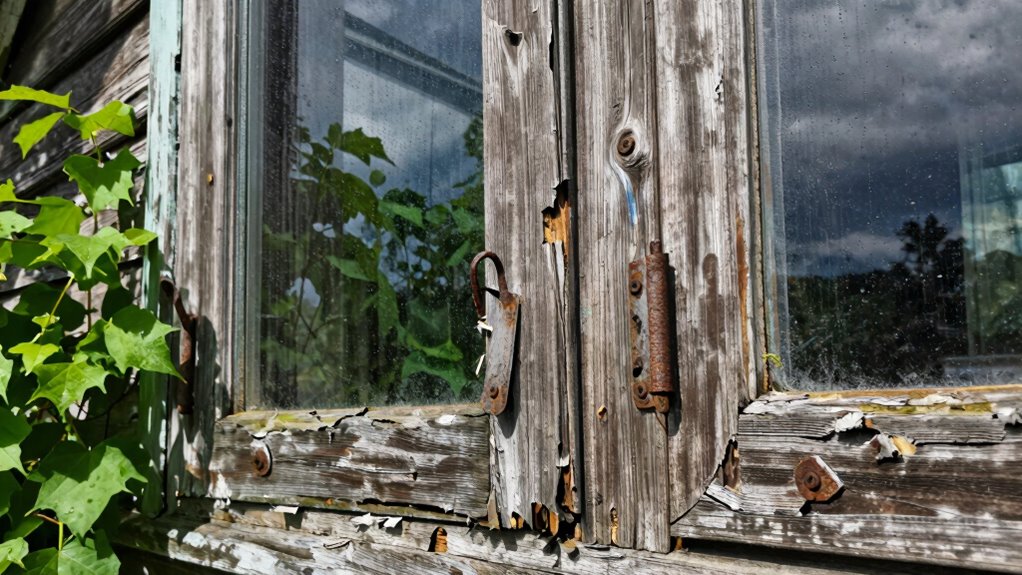
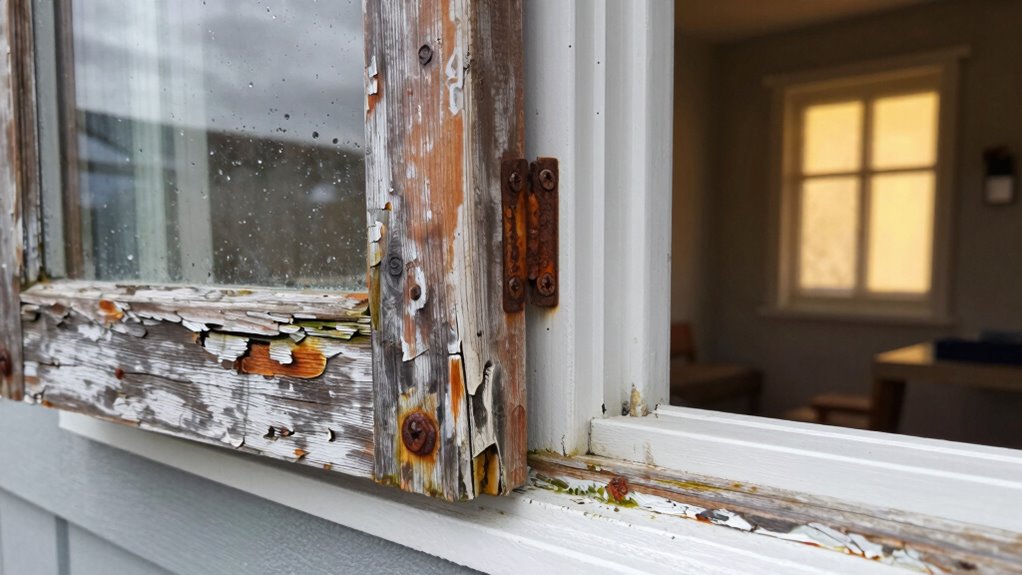
When it comes to maintaining your home, exterior joinery failures can sneak up on you, often leading to costly repairs. You might wonder why these issues seem to happen more frequently than with interior joinery. The answer lies in several factors, primarily related to environmental exposure. Your home’s exterior is constantly bombarded by weather impacts, from intense sunlight to heavy rain and snow. These conditions can weaken joints and materials over time, making them more prone to failure.
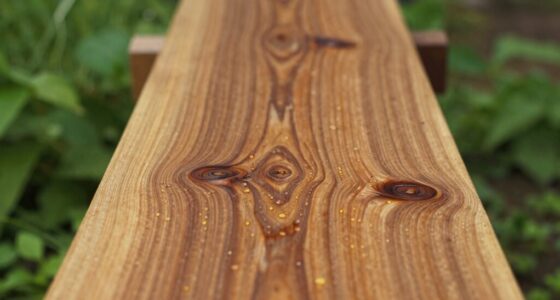
Material selection plays a vital role in the longevity of your exterior joinery. While interior joinery can often rely on standard materials, exterior applications require specially designed options that offer greater moisture resistance and durability. If you choose materials that aren’t suited for outdoor conditions, you’re setting yourself up for problems down the line. For instance, untreated wood can swell, warp, or rot when exposed to moisture, making it less reliable than treated wood or synthetic options designed for external use.
Material selection is crucial for exterior joinery; using untreated wood can lead to swelling and rot, risking long-term reliability.
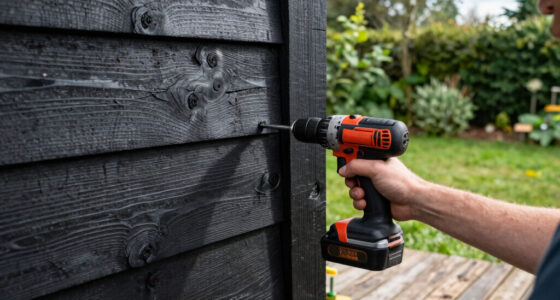
Installation techniques also greatly influence the lifespan of your joinery. If the installation isn’t done correctly, even the best materials can fail. Proper sealing and fitting are essential to prevent moisture from seeping in, which can lead to decay and instability. You should always verify that the joinery is installed by skilled professionals who understand the specific requirements for exterior applications.
Maintenance practices are another important aspect to think about. While you might keep up with regular cleaning and maintenance indoors, exterior joinery often gets overlooked. The harsh elements can quickly deteriorate finishes and protective coatings, leading to vulnerabilities. Regular inspections and touch-ups can help mitigate these risks, but they require a proactive approach that many homeowners forget. Additionally, choosing materials with proven durability testing can help ensure that your joinery will withstand the weather conditions in your area.
Design considerations also come into play when discussing joinery failures. A design that doesn’t account for drainage or ventilation can trap moisture, increasing the risk of damage. Confirming proper design can be just as essential as the materials and methods used. You should always reflect on how your design choices will impact the durability of your joinery in the long term.
Finally, durability testing is essential for any materials you choose. Look for products that have undergone rigorous testing to verify they can withstand the specific weather impacts in your area. By paying attention to these factors, you can greatly reduce the likelihood of exterior joinery failures, ultimately saving you time and money.
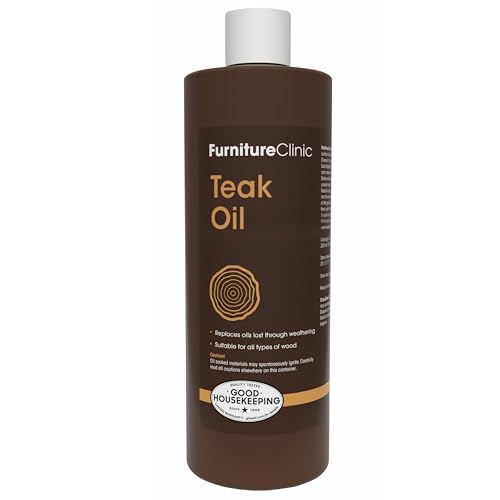
Furniture Clinic Teak Oil | Wood Oil Protects & Cleans Outdoor & Indoor Furniture, Boats, Shower Benches | Restore & Protect Wood, Prevent Drying & Other Damage | Natural Matte Finish | 17oz/500ml
ENHANCES THE BEAUTY OF THE WOOD: Teak Oil restores the beauty of grey, old and weathered teak furniture…
As an affiliate, we earn on qualifying purchases.
As an affiliate, we earn on qualifying purchases.
Frequently Asked Questions
How Can I Prevent Exterior Joinery From Failing Prematurely?
To prevent exterior joinery from failing prematurely, prioritize weather protection and effective sealing techniques. Start by using high-quality sealants and finishes that resist moisture and UV damage. Regularly inspect joints for wear or gaps, and reapply protective coatings as needed. Guarantee proper drainage around your joinery to minimize water exposure. By taking these proactive steps, you can appreciably extend the lifespan of your exterior joinery and maintain its integrity over time.
What Materials Are Best for Exterior Joinery Durability?
If you want your exterior joinery to outlast a superhero, choose durable wood species like teak or mahogany. These champions of weather resistance laugh in the face of rain and sun! Don’t forget treatment options like sealants or stains to boost their defenses. Plus, smart design considerations—like proper drainage and ventilation—can keep moisture at bay. With these materials and tips, your joinery will stand strong against the elements for years to come!
Are There Specific Maintenance Tips for Exterior Joinery?
Yes, there are specific maintenance tips for exterior joinery. First, apply a high-quality wood treatment to protect against moisture and UV damage. Regularly inspect your joinery for signs of wear or damage. Reapply sealant every few years to maintain that protective barrier. Make sure to clean surfaces regularly to prevent dirt buildup, and address any issues promptly to prolong the lifespan of your exterior joinery. Keeping up with these tasks really pays off!
How Does Climate Affect Exterior Joinery Lifespan?
Did you know that exterior joinery can last up to 30% less time in humid climates? Climate variations play a huge role in your joinery’s lifespan. Constant moisture exposure can lead to rot and mold, weakening the materials. In contrast, dry climates might cause cracking due to rapid drying. Keeping an eye on local weather patterns and choosing the right materials can help extend your joinery’s life considerably.
Can Interior Joinery Be Used for Exterior Applications?
You shouldn’t use interior joinery for exterior applications. Interior materials aren’t designed to withstand the elements, which can lead to rapid deterioration. Even with skilled joinery techniques, the lack of resistance to moisture, UV exposure, and temperature fluctuations makes them unsuitable. If you want longevity and durability outside, opt for materials specifically made for exterior use. This way, you guarantee your joinery holds up against the harsh outdoor conditions.

goldenwarm Pack of 3 Matte Black Heavy Duty Iron Door Hinges, 4 Inch x 4 Inch Interior and Exterior Black Door Hinges with 5/8" Radius Corners
Matte Black Finish – 4 inch x 4 inch, 5/8'' Radius Corners – We recommend you to apply…
As an affiliate, we earn on qualifying purchases.
As an affiliate, we earn on qualifying purchases.
Conclusion
Ultimately, exterior joinery often deteriorates faster than its interior counterparts due to constant exposure to harsh elements. Just like a flower wilting under the scorching sun, these joints face relentless wear from moisture, temperature fluctuations, and UV rays. To guarantee longevity, it’s essential to choose durable materials and apply proper protective finishes. By recognizing these vulnerabilities, you can better safeguard your exterior joinery and maintain its integrity over time.

Bantie 20FT Weather Stripping Door Seal, Self-Adhesive Silicone D-Shaped Seal Strip for Door Frame & Window Gaps, Soundproof Insulation Gap Filler
1. Helps Seal Everyday Door & Window Gaps — Helps block drafts, dust, moisture, light gaps, and everyday…
As an affiliate, we earn on qualifying purchases.
As an affiliate, we earn on qualifying purchases.
exterior joinery maintenance tools
As an affiliate, we earn on qualifying purchases.
As an affiliate, we earn on qualifying purchases.