
“Food-safe” finishes are coatings that have been tested and certified to prevent harmful substances from leaching into food-contact surfaces, like cutting boards or utensils. Regulations from agencies like the FDA set strict standards, and third-party certifications verify safety and compliance. Common options include mineral oil, beeswax, and shellac, but even natural finishes need proper testing. To guarantee safety, you should understand certification labels and application practices—if you keep exploring, you’ll gain detailed guidance on top-safe finishes and their proper use.
Key Takeaways
- Food-safe finishes are coatings verified to prevent harmful substances from leaching into food contact surfaces.
- They meet strict standards set by regulatory agencies like the FDA and third-party organizations.
- Certification and testing confirm that a finish is safe for use on utensils, cutting boards, and food-related items.
- Natural finishes such as mineral oil or beeswax can be food-safe if properly tested and certified.
- Simply claiming a finish is natural or organic doesn’t guarantee it meets food safety standards without proper certification.

Thirteen Chefs Mineral Oil – 8 oz Food Grade Conditioner for Wood Cutting Board, Countertop & Butcher Block, Lubricant for Knife or Meat Grinder – Safe USP Finish on Marble, Soapstone
FOOD GRADE – This butcher block conditioner is lab tested to ensure that it meets food safety standards,…
As an affiliate, we earn on qualifying purchases.
As an affiliate, we earn on qualifying purchases.
What Does ‘Food-Safe’ Actually Mean?
Have you ever wondered what “food-safe” really means when it comes to finishes? It means the product is designed to guarantee ingredient safety, so nothing harmful leaches into your food. Food-safe finishes meet strict certification standards that verify their safety for contact with food surfaces. These standards are set by regulatory agencies and industry organizations to ensure that the ingredients used won’t cause health issues or contamination. When a finish is labeled food-safe, it indicates that it has been tested and approved based on these requirements. This certification process ensures you can trust the finish not only to protect your project but also to keep your food and those who enjoy it safe from potential toxins. Additionally, ingredient safety in finishes can also influence how natural and appealing the food appears when displayed. Understanding these safety standards helps consumers make informed choices about the products they use around food. Knowing the testing procedures involved can provide extra assurance of a finish’s safety.

HOWARD WAX-IT-All – Protective Food-Grade Wax, Beeswax Wood Polish: Beautifies and Extends the Finish of Surfaces, Food Grade Beeswax Ideal for Wood, Stone, Metal, Cement, Paint, Plastics, 9 Fl oz
SAFE FOR FOOD-CONTACT SURFACES: This cutting board wax is a food grade beeswax for wood that offers a…
As an affiliate, we earn on qualifying purchases.
As an affiliate, we earn on qualifying purchases.
How Are Food-Safe Finishes Regulated and What Certifications Matter?

Food-safe finishes are subject to strict regulations and certification processes that guarantee their safety for contact with food. These standards ensure finishes won’t leach harmful substances and that they maintain finish durability over time. Agencies like the FDA in the U.S. set guidelines for food-safe coatings, requiring specific testing and documentation. Certifications such as FDA compliance, NSF certification, or food-safe labels provide assurance that the finish meets safety criteria. Eco friendly coatings are increasingly prioritized, with many regulations encouraging environmentally sustainable options. These eco friendly coatings must also pass safety tests, ensuring they’re both safe and sustainable. When selecting a finish, look for recognized certifications to confirm it aligns with safety standards and supports long-lasting, environmentally conscious results. Additionally, understanding the regulations surrounding food-safe finishes helps ensure compliance and consumer confidence. It’s also important to consider the testing procedures that verify a finish’s safety for food contact. Moreover, ongoing monitoring and compliance with evolving standards are essential to maintain safety and certification validity.
food safe shellac coating
As an affiliate, we earn on qualifying purchases.
As an affiliate, we earn on qualifying purchases.
What Are the Common Food-Safe Finishes and When Should You Use Them?
There are several food-safe finishes you can choose from, each suited for different projects. Knowing when to use a specific type depends on the material, purpose, and safety concerns. Considering safety and application will help you select the best finish for your needs.
Types of Food-Safe Finishes
Are you wondering which finishes are best for ensuring your wooden surfaces are safe for food contact? Common options include food-grade mineral oil, beeswax, and shellac, all recognized for their safety and durability. Food-grade mineral oil is easy to apply, odorless, and creates a moisture barrier, making it ideal for cutting boards and utensils. Beeswax offers a natural, eco-friendly alternative, providing a protective coating that’s safe for food contact. Shellac is another food-safe finish, giving a glossy, durable surface. When choosing a finish, consider food allergy awareness, ensuring none of the ingredients pose risks. Eco friendly alternatives are increasingly popular, allowing you to protect your surfaces and the environment simultaneously. Always verify that finishes are labeled food-safe before applying.
Ideal Application Situations
Choosing the right finish depends on how you’ll use your wooden surface. Food-safe finishes are ideal for surfaces that come into direct contact with food, such as cutting boards, bowls, and utensils. They’re best suited for situations where ingredient interactions matter, as some finishes can affect flavor or react with acidic foods. Consider shelf life considerations; certain finishes might wear over time or become less effective if exposed to moisture or frequent washing. For example, mineral oil works well for short-term use and easy reapplication, while beeswax provides a protective barrier but needs periodic renewal. If you’re making items for regular use, choose finishes that are durable and easy to maintain. Additionally, understanding the proper air purifier maintenance and filter replacement schedules can ensure your environment remains clean and safe, especially when working with food-related items. Proper food safety standards should always be followed when selecting and applying finishes to ensure they are safe for food contact and do not introduce contaminants. When selecting a finish, it’s important to verify that it is certified food-safe and complies with relevant safety regulations to prevent health risks. Always match the finish to your specific needs to ensure safety and longevity. Moreover, selecting finishes with non-toxic ingredients can further enhance safety for your food-contact surfaces. Being aware of regulatory certifications can help confirm that the finishes meet established safety criteria.
Safety Considerations
What are the most common food-safe finishes, and how do you know when to use each? Choosing the right finish depends on safety, durability, and preventing cross-contamination. Here are key options:
- Food-grade Mineral Oil: Ideal for cutting boards and utensils; it’s easy to reapply and helps maintain finish durability without harboring bacteria.
- Shellac: Suitable for decorative surfaces, but less durable in high-moisture environments, so avoid areas prone to cross contamination.
- Polyurethane: Best for tabletops and furniture; offers strong finish durability but must be fully cured to prevent chemical transfer.
Always consider how each finish impacts cross contamination risks, ensuring surfaces stay safe for food contact. Proper selection minimizes hazards and maximizes longevity.

Garden Box Sealer | FDA Food Contact Safe Plant-Based Wood Sealant for Raised Bed, Planter & Pet House. Protects All Wood Types from Water & Weather Damage |
GARDEN BED WOOD SEALER – For Use On Cedar And All Wood Types Used In Raised Bed Gardens….
As an affiliate, we earn on qualifying purchases.
As an affiliate, we earn on qualifying purchases.
What Factors Should You Consider When Choosing a Food-Safe Finish?

Selecting the right food-safe finish involves considering several crucial factors to guarantee your surfaces remain safe and durable. First, check the product’s food labeling to ensure it’s explicitly approved for food contact. This labeling confirms the finish meets safety standards and is appropriate for your project. Next, review safety protocols recommended by manufacturers, such as curing times and application methods, to prevent contamination. Consider the type of finish—whether it’s oil, wax, or varnish—and how it interacts with different materials. Durability is also key; choose a finish that withstands regular use and cleaning without deteriorating or releasing harmful substances. Additionally, understanding the vetted nature of the product helps ensure it has been properly evaluated for safety and effectiveness. By paying attention to food labeling and safety protocols, you ensure your finishes are truly food-safe and suitable for your needs. Moreover, researching compliance standards can provide further assurance that the product adheres to recognized safety regulations. Incorporating natural finishes can also be beneficial for eco-conscious projects, as they often pose fewer health risks. Being aware of product certifications can further help you select finishes that meet recognized safety benchmarks.
Are Natural or Organic Finishes Always Safer for Food Contact?
While natural or organic finishes often seem safer, they aren’t always tested to the same standards as synthetic options. You need to contemplate how regulations and testing affect their safety for food contact. Sometimes, synthetic finishes can meet stricter safety criteria than their natural counterparts.
Natural Versus Synthetic Options
Natural or organic finishes are often perceived as inherently safer for food contact, but that isn’t always the case. While they may seem more eco-friendly, they can still involve chemical interactions that affect safety. Additionally, some natural finishes might have a higher environmental impact during production or disposal. Consider these points:
- Not all natural ingredients are free from allergens or harmful compounds.
- Synthetic finishes can be engineered for safer chemical interactions and durability.
- Environmental impact varies; some natural options require more resources, while others are more sustainable.
Ultimately, safety depends on specific formulations and how finishes interact with food, not just whether they’re natural or synthetic. Always evaluate the full context to ensure food safety and environmental responsibility.
Regulatory Standards and Testing
Just because a finish is labeled as natural or organic doesn’t mean it automatically meets safety standards for food contact. Regulatory standards and testing ensure ingredient safety, verifying that finishes won’t transfer harmful substances to food. Agencies like the FDA or EPA set strict guidelines, and finishes must pass rigorous testing before being approved for food contact. Labeling standards also play a vital role—they require accurate ingredient disclosures and safety certifications. However, some natural or organic labels can be misleading if not backed by proper testing and certification. As a consumer, you should look for finishes that meet recognized safety standards and have been tested for food contact. Relying solely on labels without verifying compliance can lead to unsafe exposure. Testing protocols established by regulatory agencies provide assurance that finishes are safe for food contact use. Additionally, third-party certifications can serve as a trustworthy indication that a finish has undergone proper safety evaluations. Understanding regulatory compliance helps ensure that the product you choose is genuinely safe for food-related applications.
How Do You Properly Apply and Maintain Food-Safe Finishes?
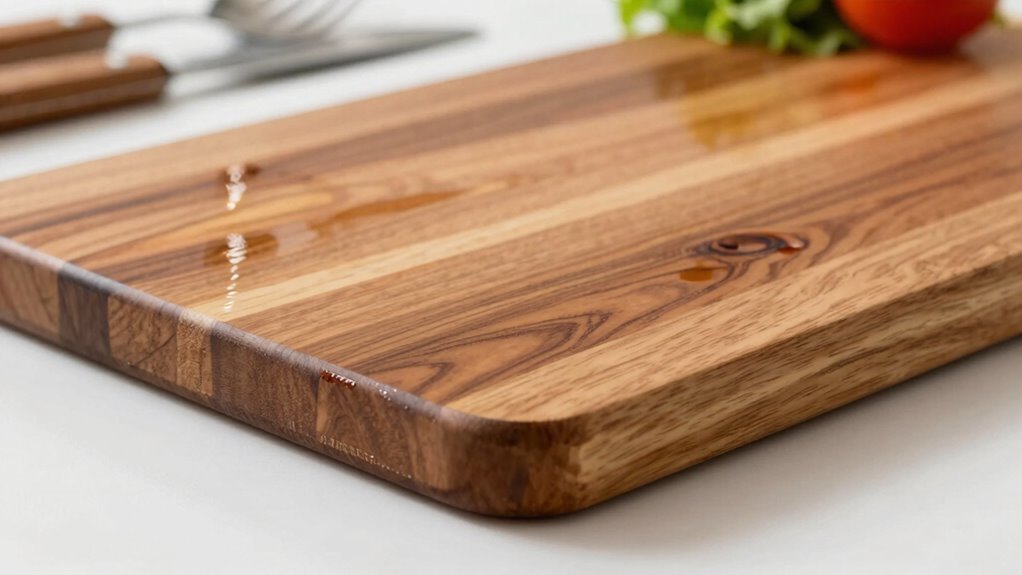
Applying and maintaining food-safe finishes requires careful attention to detail to guarantee your surfaces remain safe for contact with food. Proper application enhances finish durability and ensures safety. To do this effectively:
Properly applying food-safe finishes ensures durability and safe food contact.
- Clean the surface thoroughly before applying the finish to remove dust, grease, and old coatings.
- Follow the manufacturer’s instructions precisely, including drying times and recommended number of coats.
- Regularly inspect and reapply finishes as needed to maintain protection and prevent wear that could compromise food contact safety.
- Understanding the materials and coatings used can help you choose the most appropriate finish for your specific kitchen surfaces.
What Are the Most Common Food Safety Myths About Finishes?
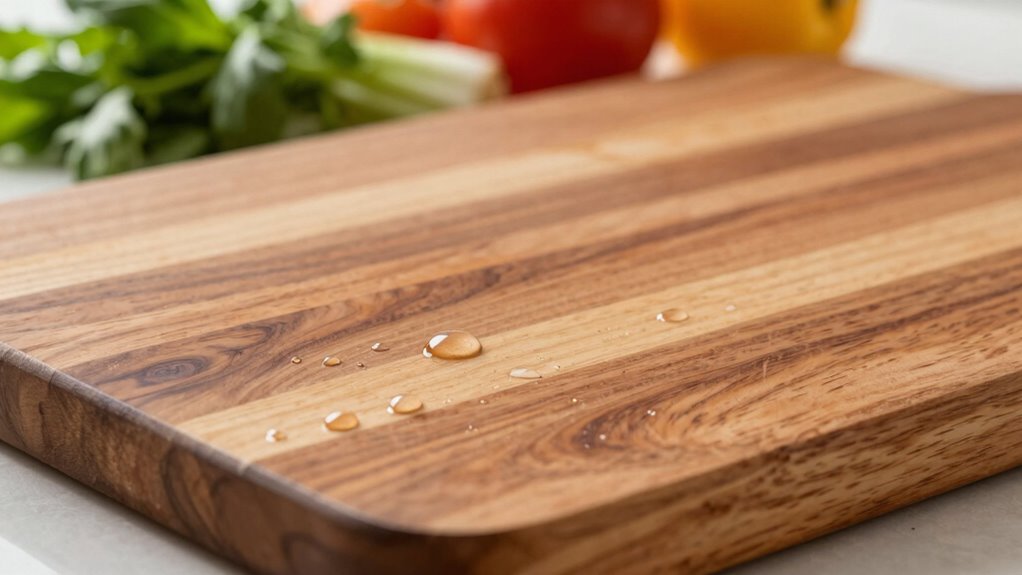
Many common food safety myths about finishes can lead to misunderstandings and unsafe practices. Myth busting is essential to clear up safety misconceptions that circulate about finishes in woodworking and food contact. Some believe that any finish is safe once dried, but not all finishes are food-safe, and improper application can pose health risks. Others think that natural oils or homemade solutions automatically qualify as food-safe, yet they may contain harmful ingredients. Some assume that finishes don’t need to be reapplied or maintained, which can lead to contamination over time. Addressing these safety misconceptions helps you make informed choices and prevents unsafe practices. Remember, verifying the safety of finishes isn’t just about ingredients but also about proper application and ongoing maintenance. Additionally, understanding food contact safety standards ensures that finishes do not leach harmful substances into your food. It is also important to recognize that regulatory guidelines are in place to help consumers identify truly safe food contact finishes. Furthermore, awareness of food contact safety standards can guide you in selecting appropriate products for your projects.
How Can You Verify That a Finish Is Truly Food-Safe?
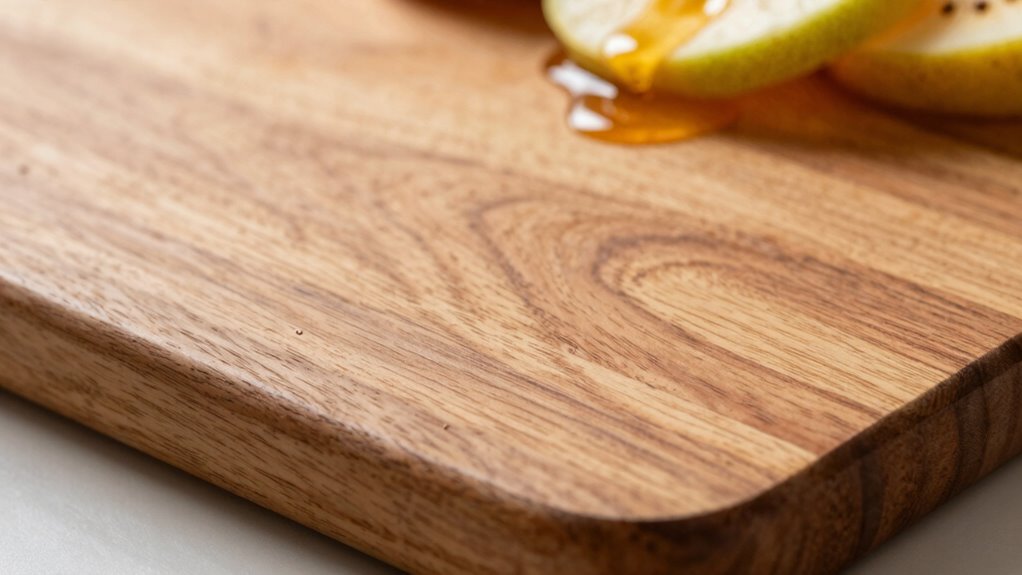
To guarantee a finish is truly food-safe, it’s vital to look for specific certifications and labels that verify its suitability for contact with food. These indicators ensure the finish meets safety standards and offers adequate finish durability and chemical resistance. To assess if a finish is genuinely food-safe, consider these steps:
- Check for recognized certifications like FDA approval or NSF registration.
- Review the product label for explicit statements about food safety and compliance.
- Research the finish’s chemical composition, ensuring it’s formulated for food contact and resistant to common kitchen chemicals.
These measures help assure your finish will stand up to regular use, maintain its durability, and resist harmful chemicals, safeguarding your health and your furniture’s longevity.
Frequently Asked Questions
Can Food-Safe Finishes Be Used on All Types of Wood Surfaces?
Food-safe finishes can be used on most wood surfaces, but you should consider the wood grain and finish durability. Some finishes work better on certain types of wood, especially those with open grain, to guarantee safety and longevity. Always choose a finish specifically labeled food-safe, and test it on a small area first. This way, you assure the finish preserves the wood’s appearance and withstands regular use.
How Long Does a Food-Safe Finish Typically Last Before Reapplication?
You might worry about how often you need to reapply food-safe finishes, but typically, their food contact longevity lasts 1 to 3 years, depending on usage. Finish durability varies with factors like cleaning methods and surface exposure. To keep your surfaces safe and protected, monitor for signs of wear and reapply as needed. Regular maintenance ensures your wood remains safe for food contact and looks great longer.
Are There Any Finishes That Are Both Food-Safe and Environmentally Friendly?
You can find finishes that are both food-safe and environmentally friendly, such as plant-based coatings and biodegradable finishes. These options are designed to be safe for contact with food while reducing environmental impact. Look for products labeled as eco-friendly or biodegradable, and verify they meet food safety standards. Using these finishes helps protect your health and the planet, making them a smart choice for sustainable, safe projects.
What Are the Signs That a Finish Is No Longer Food-Safe?
Imagine you’re in a zero-day situation—your finish shows signs it’s no longer safe. You’ll notice surface discoloration, which hints at deterioration, and possibly a toxic chemical presence if it’s breaking down. These signs mean the finish isn’t food-safe anymore. When you see these changes, it’s time to strip and reapply a safe finish. Don’t risk contaminants leaching into your food; stay vigilant with your finishes.
Is It Necessary to Seal Food-Safe Finishes for Dishwasher Safety?
You should seal food-safe finishes to guarantee dishwasher compatibility and long-lasting protection. Sealing techniques help prevent water and detergent from penetrating, which could compromise the finish’s safety and durability. By applying a proper sealant, you make your item more resistant to dishwashers’ high heat and moisture, maintaining food safety standards. Without sealing, your finish might degrade faster, risking contamination or damage, so sealing is a smart step for dishwasher safety.
Conclusion
Choosing the right food-safe finish is essential for your health and safety. Did you know that over 90% of food contact surfaces in homes and restaurants use some form of food-safe finish? By understanding what truly makes a finish food-safe, how to select and apply it properly, you can guarantee your surfaces are safe for everyday use. Stay informed, verify certifications, and maintain your finishes to keep your food contact areas both beautiful and safe.