Shellac is a classic, versatile wood finish that easily addresses common problems like blotchiness, uneven stains, cracking, and dullness. It provides a warm, amber glow that enhances natural wood beauty while acting as a barrier against stains and odors. Quick-drying and easy to apply, shellac is perfect for repairing or finishing projects, even in less-than-ideal conditions. Want to discover how to get flawless results? Keep exploring to learn more about this proven finish.

Get business pricing on tools and workshop supplies
- Business-only prices and quantity discounts
- Tax-exempt purchasing
- Multiple users, one account, clear invoices
Key Takeaways
- Shellac provides a quick-drying, protective finish that can fix issues like uneven surfaces and minor damage efficiently.
- Its barrier properties help seal in odors, stains, and prevent moisture intrusion, solving common wood surface problems.
- Easily repairable with light sanding and reapplication makes shellac ideal for fixing small finish mishaps.
- Shellac enhances natural wood beauty with a warm glow, masking imperfections and irregularities effectively.
- Proper application conditions and thin coats prevent common problems like cracking, bubbles, and streaks.
As an affiliate, we earn on qualifying purchases.
What Is Shellac and Why Is It a Classic Wood Finish?
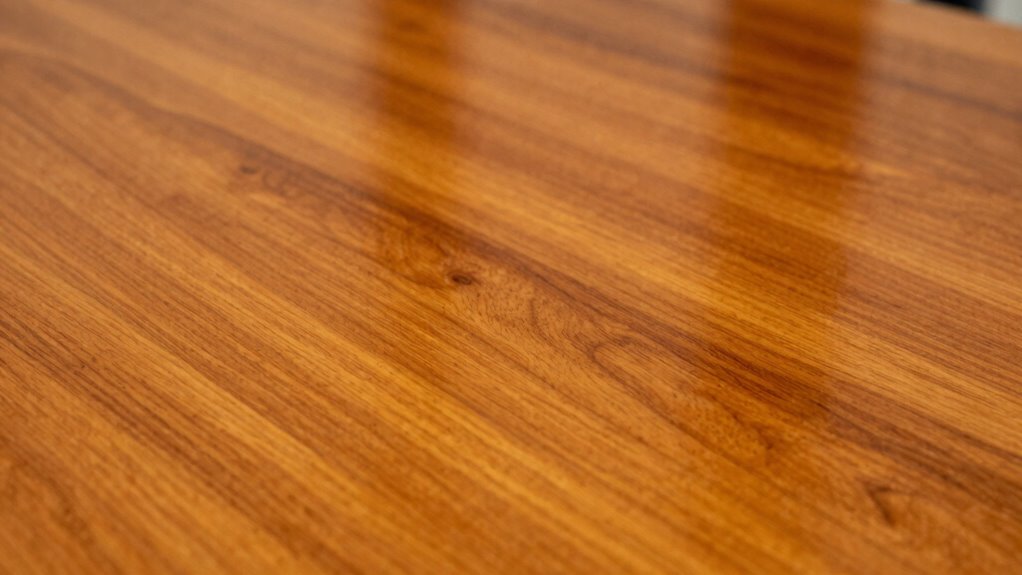
Shellac has long been celebrated as a timeless wood finish, prized for its beautiful gloss and quick-drying properties. It’s a natural resin that enhances wood’s appearance and provides a smooth, protective surface. When applying shellac, you can easily achieve color matching by mixing different shades, giving you control over the final look. Environmental factors, like humidity and temperature, influence how shellac cures and adheres. You’ll find that it works best in stable conditions, preventing issues like cracking or uneven finish. Because shellac is sensitive to moisture, it’s important to contemplate your environment during application. This versatility and ease of use make shellac a favorite among woodworkers, offering a classic finish that’s both functional and aesthetically pleasing.
As an affiliate, we earn on qualifying purchases.
How to Pick the Right Shellac for Your Project
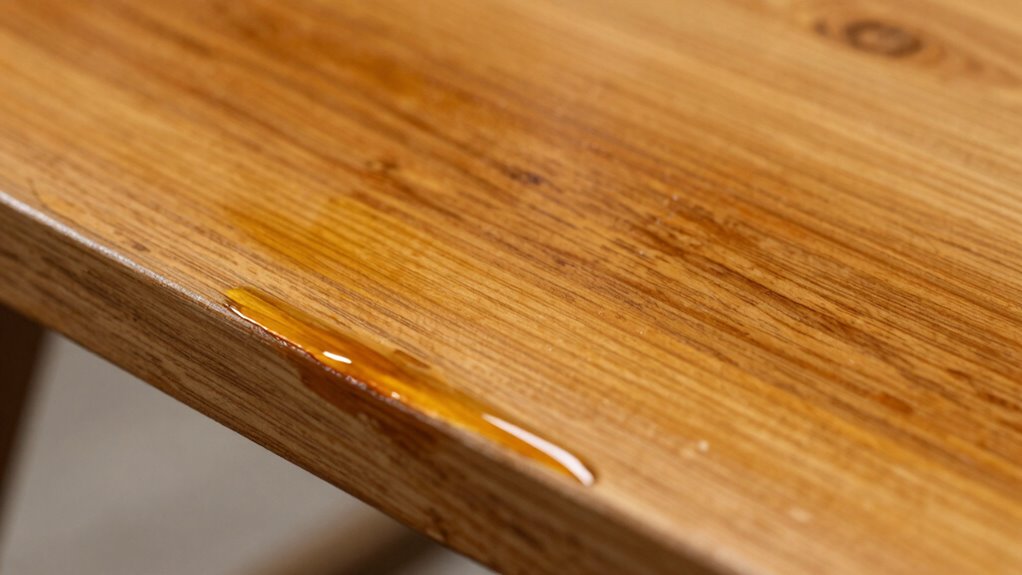
To choose the right shellac, you need to take into account your project’s specific needs. Think about whether you want a quick-drying finish, a high-gloss shine, or a more natural look. Picking the correct type ensures your project turns out just the way you envision it. Additionally, consider the free floating properties of different shellac formulations to ensure compatibility with your materials and desired finish. Understanding how ventilation considerations can influence drying times and safety can help you achieve optimal results. Incorporating sustainability practices when selecting shellac options can further align your project with eco-friendly goals. Being aware of the energy-efficient aspects of shellac production can also contribute to more sustainable craftsmanship.
Understanding Project Needs
Choosing the right shellac for your project starts with understanding your specific needs and goals. Consider what you want to achieve with your finish—whether it’s highlighting the woodgrain, adding color, or creating a protective coat.
- Decide if you need a clear finish to showcase natural beauty or a tinted shellac for color customization.
- Think about the level of sheen you prefer, from matte to high gloss.
- Assess your project’s environment; shellac can be ideal for interior projects or decorative accents.
Choosing the Correct Type
Selecting the right type of shellac depends on your project’s specific requirements and the desired outcome. If you want to showcase the wood grain, choose a clear, natural shellac that enhances the grain’s depth and beauty. For projects sensitive to moisture, consider shellac formulations with better moisture control, which help prevent issues like swelling or cracking. If you’re working on a piece that needs quick drying, a dewaxed shellac might be best, as it penetrates deeply and dries faster. On the other hand, if you’re sealing a surface prone to humidity, a more moisture-resistant shellac can provide added protection. By matching the shellac type to your project’s needs, you ensure a durable, beautiful finish that highlights the wood grain and manages moisture effectively.
As an affiliate, we earn on qualifying purchases.
How to Apply Shellac Step-by-Step: A Complete Guide

To achieve a smooth shellac finish, you need to start by preparing your surface properly. Next, apply the shellac carefully, ensuring even coats without drips or bubbles. Proper application techniques can help you avoid common pitfalls like streaks or uneven coverage. Additionally, understanding drying and curing times is essential for a durable, polished look that lasts. Finally, let it cure fully to get a durable, polished look that lasts.
Preparing Your Surface
Before applying shellac, you need to make certain your surface is properly prepared to achieve a smooth, durable finish. Start by sanding the surface lightly to reveal the grain patterns and ensure even absorption. Remove dust thoroughly to prevent bumps and irregularities. If you want to enhance the wood’s color, consider applying a pre-conditioner or a stain compatible with shellac. Proper surface prep helps highlight grain patterns and guarantees shellac adheres well. Additionally, using easy document management techniques can help keep your workspace organized and free of debris, ensuring a cleaner finish. Incorporating quality sanding tools, such as fine-grit sandpaper, can further improve the surface preparation process and lead to a more professional-looking result. Engaging in auditory processing techniques can also help you stay focused and attentive during detailed prep work, reducing errors and ensuring a flawless application. Understanding surface preparation is essential for a successful finish and long-lasting results. Moreover, considering the horsepower of electric dirt bikes can provide insight into the power and performance of tools that might be used in a woodworking shop.
Applying Shellac Properly
Applying shellac properly begins with choosing the right application method—most commonly brushing or pad application—to achieve a smooth, even coat. As you work, pay attention to the wood grain, following its natural flow to prevent drips and brush marks. Use light, even strokes and keep a wet edge to avoid lap marks. Applying thin coats enhances finish durability and reduces the risk of runs or uneven drying. Proper drying times are essential to ensure the shellac cures evenly and achieves a high-quality finish. Allow each layer to dry thoroughly before applying the next, and lightly sand between coats if needed. Proper application guarantees you get a seamless, glossy finish that highlights the wood grain’s beauty while maximizing shellac’s protective qualities. Understanding wood grain orientation can help you achieve a more professional and attractive result. Being mindful of application techniques ensures a more consistent and durable finish, especially when working with complex or uneven surfaces. Additionally, maintaining proper drying times is crucial to prevent issues like cracking or uneven curing. Using the correct application method can also minimize the appearance of brush marks and improve overall finish quality. With careful technique, your project will have a professional look and lasting durability.
Finishing and Curing
Once you’ve finished applying your final coat of shellac, the finishing and curing process begins. Proper curing guarantees your shellac’s durability and smooth finish. During this stage, avoid touching or placing objects on the surface to prevent marks or dents. Good brush techniques, like light, even strokes, help eliminate streaks and bubbles that can affect drying times. Shellac dries quickly, usually within 30-45 minutes, but full curing may take up to 24 hours. Patience is key to achieving a flawless finish. To maximize curing, keep the workspace well-ventilated and maintain stable temperature and humidity levels. Remember, thorough curing enhances shellac’s sheen and hardness, making it more resistant to damage over time. Additionally, understanding the curing process can help you anticipate how your finish will perform long-term. Proper curing also reduces the risk of finish imperfections such as cracks or peeling. Maintaining appropriate environmental conditions during curing ensures optimal finish adhesion and longevity. Being aware of the environmental conditions can significantly impact the overall quality of your shellac finish. For best results, consider monitoring and controlling these factors with home automation tools to create ideal curing conditions.
As an affiliate, we earn on qualifying purchases.
How Shellac Prevents Blotchiness and Uneven Stains

Shellac creates a smooth, even barrier on wood surfaces that helps prevent blotchy and uneven stains. When you apply shellac first, it seals the wood and evens out absorption, reducing the risk of uneven color development. Proper color matching is essential; shellac’s amber tone can influence stain hues, so selecting a compatible shade ensures consistent results. Solvent selection also plays a key role—using denatured alcohol designed for shellac ensures smooth, even application and quick drying. This creates a uniform surface that absorbs stains evenly, preventing dark spots or patchiness. By choosing the right shellac formulation and solvent, you lay a stable foundation that promotes uniform stain penetration, reducing blotchiness and achieving a professional, consistent finish. Additionally, understanding the air quality in your workspace can help maintain optimal drying conditions for the best results.
Troubleshooting Common Shellac Problems: Cracking, Wrinkling, and More
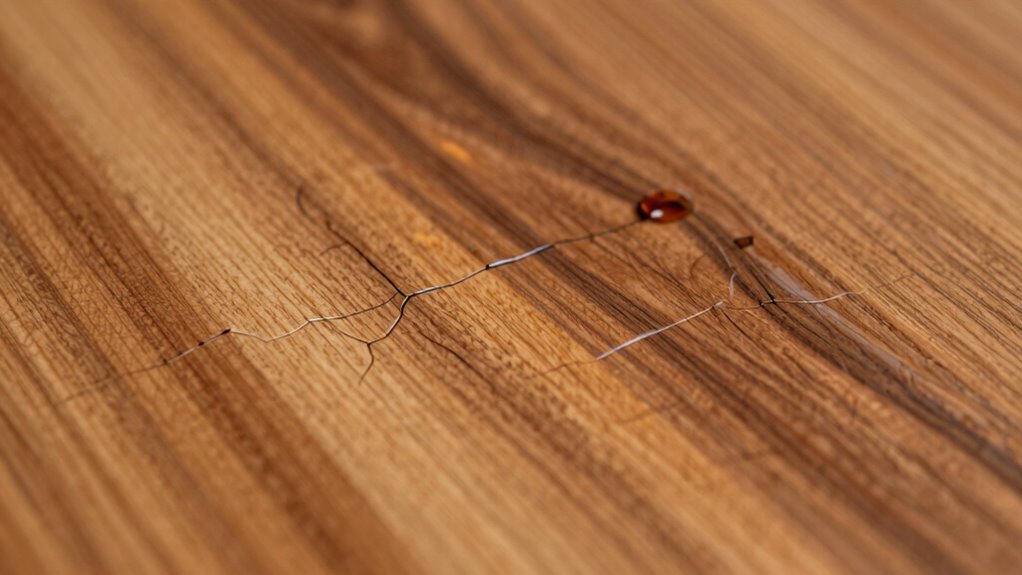
When shellac cracks or wrinkles, it’s usually due to issues like improper surface prep or applying coats too thick. Bubbles and blisters can form if the environment is too humid or if you rush the drying process. Understanding these causes helps you prevent problems and fix them quickly when they happen. Additionally, ensuring proper artistic expression can lead to smoother, more consistent finishes. Proper paint thinning techniques, such as using the right dilution ratios, also play a critical role in achieving a flawless shellac application.
Common Shellac Cracking Causes
Cracking in shellac can often be traced back to issues with surface preparation or application techniques. If the surface isn’t properly sanded or cleaned, the shellac may not adhere well, leading to cracks. Applying shellac too thickly can also cause it to dry unevenly and crack as it cures. When aiming for wood grain enhancement or color tinting, thin, even coats are essential to prevent stress buildup that causes cracking.
- Insufficient surface preparation can trap moisture or debris, weakening the finish
- Applying multiple thick coats without proper drying time promotes cracking
- Rapid environmental changes during curing create stress, especially on delicate or uneven surfaces
Preventing Wrinkling During Application
Wrinkling during shellac application often occurs when the finish dries too quickly or is applied too thickly, trapping solvents and causing the surface to pull and form wrinkles. To prevent this, work in thin, even coats, especially over the wood grain, which can influence how the finish flows. Maintain proper room temperature and humidity—cooler, stable conditions help slow drying, reducing the chance of surface tension issues. Use a high-quality brush or pad, and avoid overworking the shellac once it’s laid down. Thin coats allow better penetration into the wood grain, enhancing finish durability. Patience is key: wait for each layer to dry completely before applying the next. This approach minimizes wrinkling and ensures a smooth, long-lasting shellac finish.
Fixing Bubbles and Blisters
Bubbles and blisters in shellac can often be traced back to trapped air or uneven application, which disrupts the smooth surface you’re aiming for. To fix these issues, start by gently sanding the affected area once the shellac has dried sufficiently, then reapply a thin coat. Pay attention to your drying time—rushing it can cause bubbles to form, so ensure each coat dries fully before applying the next. Proper storage tips also matter; keep shellac in a sealed container to prevent contamination and evaporation, which can lead to inconsistent drying and blistering.
- Use a clean, lint-free brush to minimize air entrapment during application
- Apply thin, even coats, allowing adequate drying time between layers
- Store shellac in a cool, airtight environment to maintain quality
Best Practices for Sanding and Preparing Before Applying Shellac
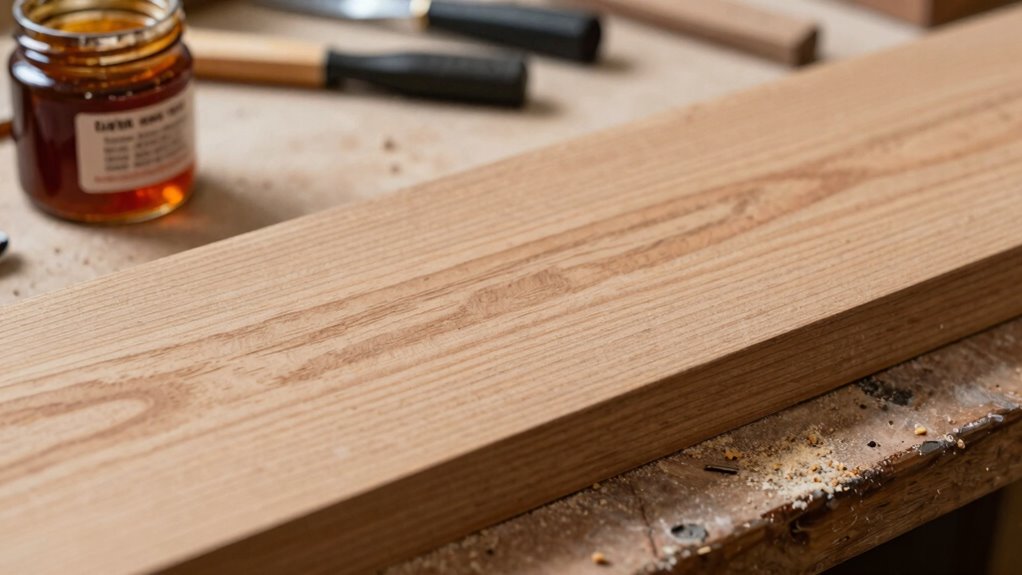
Proper sanding and preparation are essential steps to guarantee a smooth, even shellac finish. Start with thorough surface preparation by cleaning the wood to remove dust, grease, or any debris that could interfere with adhesion. Use fine-grit sandpaper—typically 220 or higher—to lightly scuff the surface, ensuring good bonding without scratches. Focus on sanding techniques that evenly smooth out imperfections and open the wood’s pores for better shellac absorption. Always sand in the direction of the grain to prevent scratches and raise the grain for a smoother final coat. After sanding, wipe down the surface with a tack cloth or damp cloth to remove dust. Proper preparation ensures your shellac adheres well and provides a flawless, professional-looking finish.
How to Combine Shellac With Other Finishes for a Flawless Look
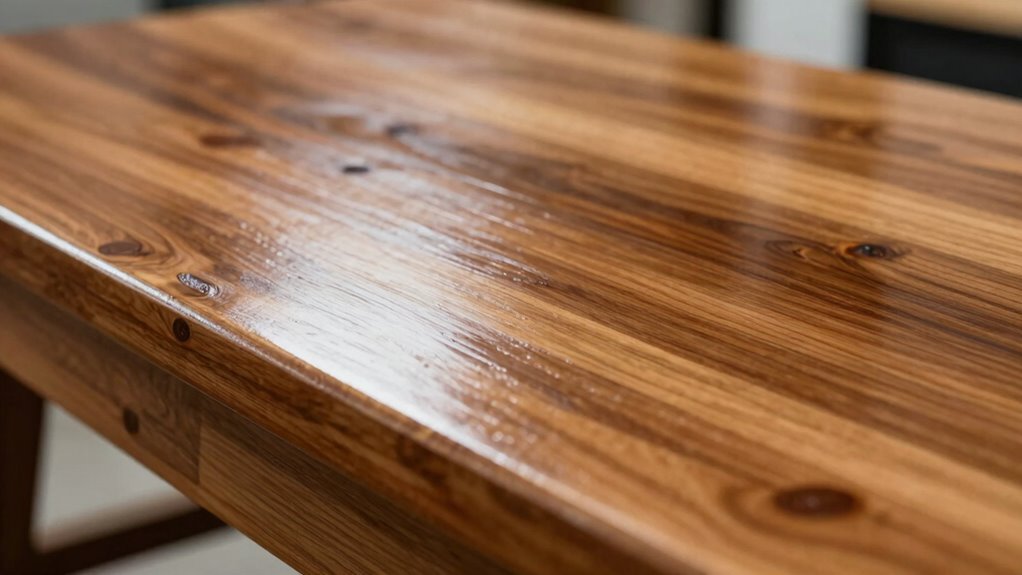
Combining shellac with other finishes can enhance both the appearance and durability of your project, creating a flawless final look. To do this effectively, focus on color matching to guarantee seamless transitions between finishes. Use proper brush techniques—light, even strokes—to avoid streaks and overlaps. When layering, allow each coat to fully dry before applying the next, especially when blending different finishes. You can also use shellac as a clear sealer over stained wood or as a base for lacquer or polyurethane, achieving a smooth, glossy surface. Keep in mind that compatibility is key; test small areas first to prevent unwanted reactions.
- Choose finishes with similar drying times for easier blending
- Use thin coats for better control and smoother results
- Practice brush techniques to prevent streaks and uneven coverage
Tips for Maintaining and Repairing Shellac Over Time
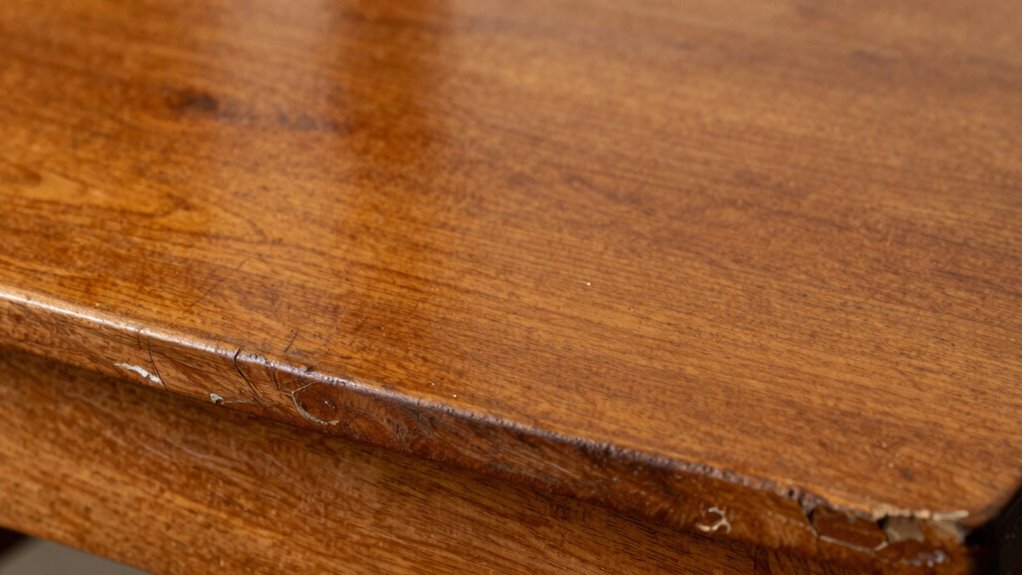
To keep your shellac finish looking its best over time, regular maintenance is essential. Check the wood grain regularly for any signs of wear or damage. If the finish begins to look dull or uneven, light sanding with fine-grit paper can help restore the sheen without damaging the wood. Applying a fresh coat of shellac in thin layers can revive the finish sheen and enhance the appearance of the wood grain. Repairs are straightforward: spot touch-ups with shellac match the original finish, blending seamlessly. Keep your tools clean to prevent buildup or streaks. Protect the surface from excessive moisture and direct sunlight, which can degrade the shellac. With proper care, your shellac finish remains beautiful and durable over time.
When Should You Use Shellac Instead of Other Finishes?
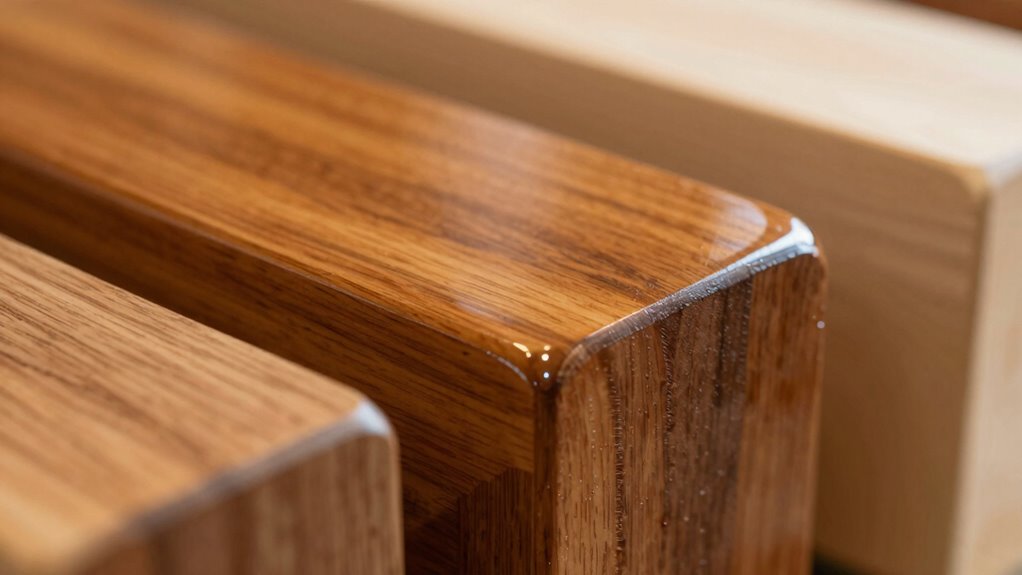
Choosing the right finish depends on your project’s specific needs and desired outcome. Shellac is ideal when you need quick application and fast drying times, making it perfect for projects requiring prompt completion. Its compatibility with a variety of wood types and its ability to be overcoated easily make it versatile. Use shellac when you want a natural, warm finish that’s easy to repair or recoat. It’s especially suitable for creating a barrier against stains or odors. Consider application timing—shellac works best in moderate temperatures and humidity, ensuring smooth, even coats. For projects needing a quick-drying, repair-friendly finish with excellent project compatibility, shellac is your best choice. It’s less suitable for high-moisture environments or heavy wear, where other finishes might excel.
Final Tips and Tricks for Perfect Shellac Finishing
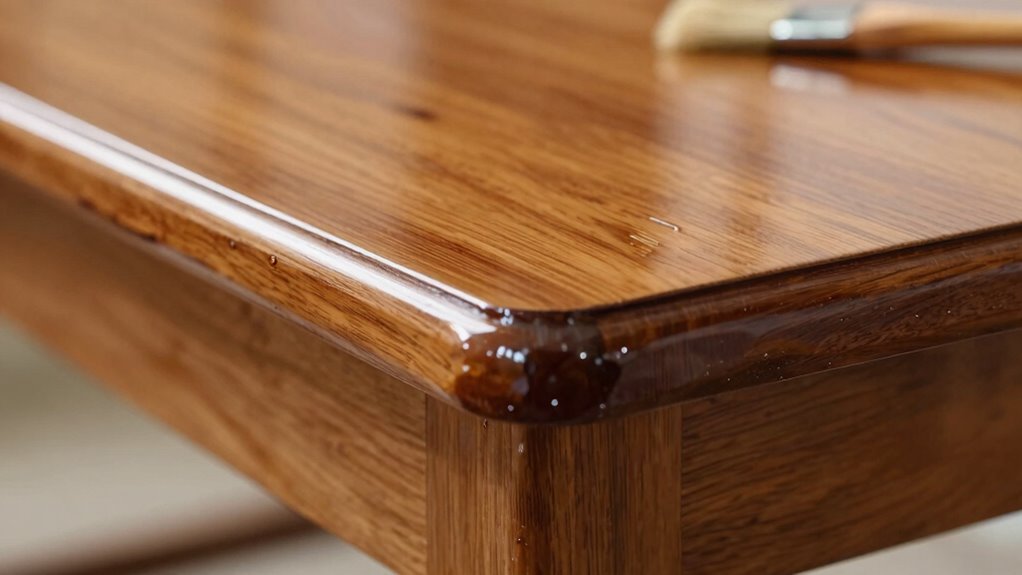
Achieving a flawless shellac finish requires attention to detail and proper technique. To guarantee perfect results, focus on color matching your shellac to the wood or stain underneath. Test your final coat on a hidden area first, adjusting the hue if needed. Environmental factors also matter; keep humidity and temperature stable during application, as fluctuations can cause uneven drying or blotching. Use thin, even coats and avoid overworking the finish, which can lead to streaks. Sand lightly between coats for smoothness. Maintain a clean workspace to prevent dust from settling. With these tips, you’ll improve your chances of a professional-looking shellac finish, highlighting the natural beauty of your wood while minimizing common issues caused by environmental changes or color mismatches.
Frequently Asked Questions
Can Shellac Be Used Over Painted Surfaces?
Yes, you can use shellac over painted surfaces. First, verify proper surface preparation by cleaning and lightly sanding the paint to promote adhesion. Then, apply a thin layer of shellac, which works well for paint layering and sealing. Keep in mind that shellac bonds best to well-prepared, matte or semi-gloss paints, providing a smooth finish that helps solve weird problems like sticking or uneven textures.
How Long Does Shellac Take to Dry Completely?
Imagine a butterfly emerging from its cocoon—your shellac needs about 30 to 60 minutes to dry completely. The drying time varies based on humidity and thickness, but don’t rush it; patience allows the curing process to solidify the finish. During this time, avoid touching or exposing your project to moisture. Once dry, shellac hardens, giving you a beautiful, durable surface that’s ready for the next step.
Is Shellac Suitable for Outdoor Furniture?
Shellac isn’t ideal for outdoor furniture because it has durability concerns and limited weather resistance. You might find it chips or peels when exposed to moisture or fluctuating temperatures. For outdoor use, consider finishes like polyurethane or varnish, which offer better protection against the elements. Shellac works best indoors where it can provide a beautiful, smooth finish without the worry of weather damage.
Can Shellac Be Tinted or Colored?
Yes, you can tint or color shellac by using color mixing techniques with colored pigments or dyes. To achieve your desired shade, mix the pigments thoroughly into the shellac prior to application. Use proper application techniques like brushing or padding to guarantee an even finish. Keep in mind that shellac’s transparency allows the color to blend beautifully, giving you a customizable finish that enhances your project’s look.
How Do I Remove Shellac From Finished Wood?
Removing shellac from finished wood is like peeling away a stubborn layer of paint. You’ll want to use stripping techniques such as applying denatured alcohol or a commercial shellac remover. Gently wipe or scrape the shellac off, making sure to work in a well-ventilated area. For stubborn spots, apply more remover and patience. With care, you’ll be able to strip shellac without damaging the wood beneath.
Conclusion
Think of shellac as your secret weapon in the world of woodworking—a chameleon that solves tricky finishing problems with grace. When you master its quirks and charms, it becomes your trusty ally, transforming rough wood into a glossy masterpiece. With patience and a bit of practice, shellac’s magic will make your projects shine like stars in a clear night sky, proving that sometimes, the simplest solutions create the most stunning results.
Evergreen bestsellers Picks
bestsellers
As an affiliate, we earn on qualifying purchases.