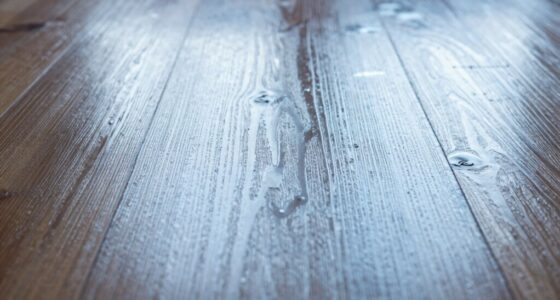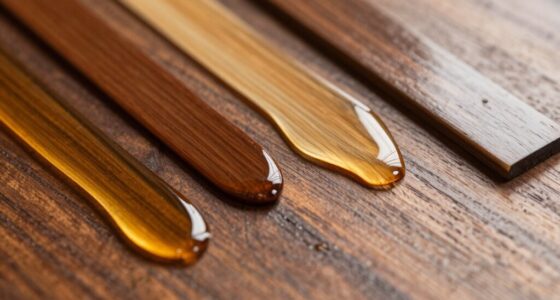

White woods yellow under clear finish mainly due to UV rays breaking down the chemical structure of the finish and the wood’s natural properties. Oil-based finishes can add a warm tone, while even water-based options may change over time. The right finish selection and regular maintenance help slow down this discoloration. To keep your white woods looking fresh and prevent yellowing, you’ll want to understand these interactions better. Stick around to learn more!
Key Takeaways
- UV rays break down the chemical structure of clear finishes, leading to yellowing in white woods over time.
- The chemical composition of the wood itself can contribute to discoloration when combined with certain finishes.
- Oil-based finishes often impart a warm tone, exacerbating the yellowing effect on white woods.
- Regular maintenance and cleaning can help mitigate the visual impact of yellowing on finished surfaces.
- Using UV-blocking finishes can slow down the discoloration process and protect the wood’s appearance.
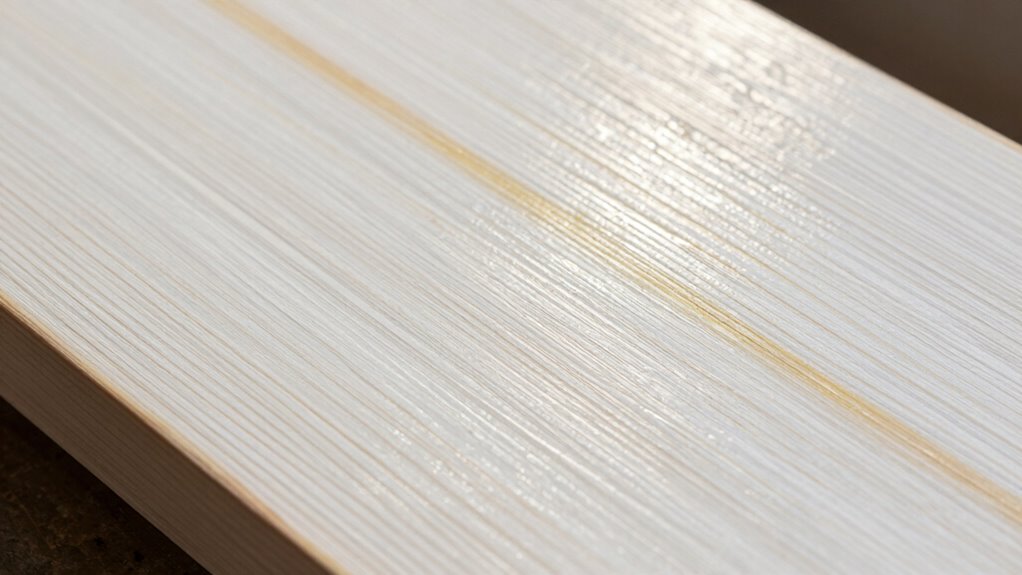
When you apply a clear finish to white woods, you might notice an unexpected yellowing over time. This phenomenon can be frustrating, especially if you’ve chosen white woods for their bright, clean appearance. This yellowing isn’t just a random occurrence; it’s tied to the characteristics of the wood itself and the effects of the clear finish you’ve selected.
White woods, like maple or birch, are prized for their light color and fine grain. They’re often used in various applications, from furniture to cabinetry, for their aesthetic appeal and versatility. However, these woods also have natural properties that can interact with finishes in surprising ways. One of the key characteristics of white woods is how they respond to environmental factors, including light exposure and humidity. Over time, UV rays can break down the chemical structure of a clear finish, leading to discoloration. Additionally, the chemical composition of the wood can influence how it reacts with various finishes, potentially enhancing or mitigating discoloration.
White woods like maple and birch are valued for their light color and fine grain, but they can interact unexpectedly with finishes.
The clear finish you choose plays a critical role in this process. Some finishes are designed to be truly “clear,” but even these can contain compounds that react with the wood over time. Oil-based finishes, for instance, may impart a warm tone that contributes to yellowing. Even water-based finishes, which are generally more stable, can undergo changes as they age. The interaction between the finish and the wood can lead to a gradual shift in color, impacting the overall appearance of your project. Additionally, the type of finish formulation can influence how well the finish resists discoloration over time. Regular maintenance, such as cleaning and reapplying the finish, can help prevent the buildup of dirt and grime that accelerates yellowing.
Another aspect to evaluate is the maintenance of the finish. If you’re not regularly cleaning or renewing the finish, dirt and grime can build up, making the yellowing more pronounced. Regularly maintaining your finish can help mitigate these effects and keep your white woods looking fresher for longer. Additionally, understanding how wood properties influence finish reactions can help you make more informed choices. The use of UV-blocking finishes is also a vital step in protecting your wood from harmful sunlight exposure. Applying a finish containing UV inhibitors can significantly slow down the discoloration process and preserve the wood’s original brightness. Proper application and curing of the finish can further enhance its protective qualities, reducing the likelihood of yellowing over time.
As an affiliate, we earn on qualifying purchases.
Frequently Asked Questions
What Types of Clear Finishes Are Most Prone to Yellowing?
Oil-based finishes are more prone to yellowing than water-based finishes. If you’re looking for durability, oil-based options might seem appealing, but they can develop an amber hue over time. Water-based finishes, on the other hand, typically stay clearer, especially when formulated with UV inhibitors. However, environmental factors like sunlight and humidity can still affect any finish. To minimize yellowing, consider using high-quality products specifically designed to resist it.
How Can I Prevent Yellowing on My White Wood Projects?
To prevent yellowing on your white wood projects, focus on wood maintenance tips and proper finish application techniques. Use high-quality, UV-resistant finishes and apply them in thin, even coats to minimize the chance of yellowing. Make certain the wood is clean and dry before application, and consider using a water-based finish, as these are less likely to yellow over time. Regularly clean and maintain your projects to keep them looking fresh and bright.
Does Exposure to Sunlight Worsen Yellowing in Finishes?
Yes, exposure to sunlight can worsen yellowing in finishes. UV rays break down the chemicals in your clear finish, leading to discoloration over time. To protect your white wood projects, consider using products with UV protection or applying additional coatings designed to resist sunlight effects. Also, try positioning your furniture away from direct sunlight or using UV-filtering window treatments to minimize exposure and maintain that fresh, bright look.
Are There Clear Finishes Specifically Designed to Resist Yellowing?
Yes, there are clear finishes designed to resist yellowing. Think of them as sun shields for your wood, blocking harmful rays with UV protection. When you compare finishes, look for those labeled as non-yellowing. Use proper application techniques for the best results, like sanding before you start. Regular maintenance tips, such as cleaning and reapplying, can keep your surfaces looking fresh and vibrant, ensuring your wood stays radiant through the seasons.
How Long Does It Take for Yellowing to Occur?
Yellowing can start to occur within a few months to a couple of years, depending on several factors. UV exposure, moisture, and the type of wood play significant roles in yellowing causes. As wood ages, it naturally undergoes changes that can accelerate this process. To minimize yellowing, consider using finishes designed to resist it and keep your wood protected from direct sunlight, helping maintain its original appearance longer.
As an affiliate, we earn on qualifying purchases.
Conclusion
As you wander through the forest of woodworking, remember that even the most pristine white woods can weave tales of transformation. Just like the sun’s gentle caress turns morning dew to shimmering gold, clear finishes can reveal the hidden warmth within the wood. Embrace this change, for it’s nature’s way of telling a story, reminding us that beauty often lies in the unexpected. So, don’t shy away—let your creations bask in their newfound glow.
water-based wood finish for white woods
As an affiliate, we earn on qualifying purchases.
As an affiliate, we earn on qualifying purchases.
As an affiliate, we earn on qualifying purchases.