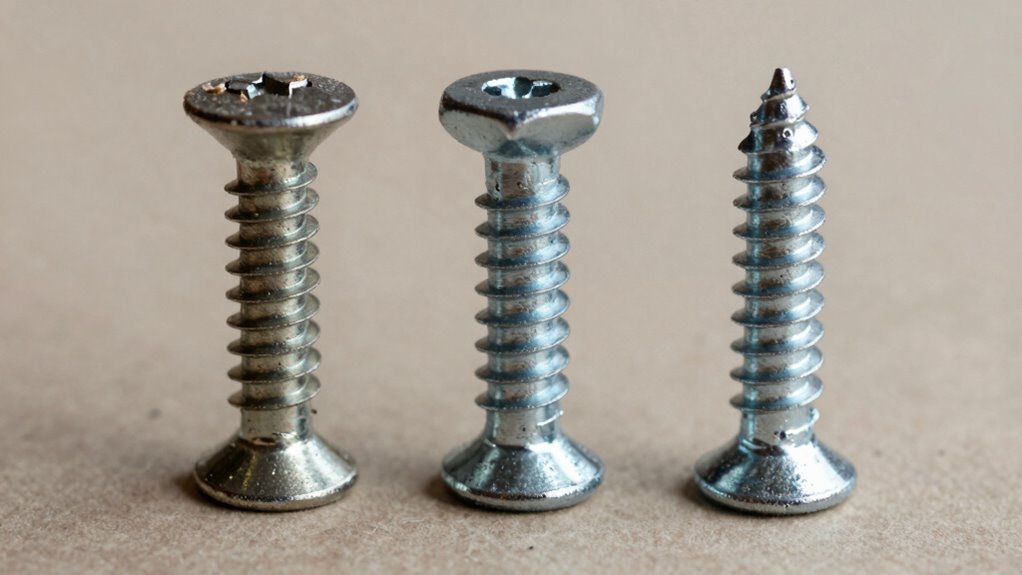
If you’re choosing between wood screws, machine screws, and sheet metal screws, each has unique features suited for different jobs. Wood screws have coarse threads ideal for wood, machine screws are designed for metal and require matching nuts or threaded holes, and sheet metal screws feature sharp, deep threads for fastening thin metal sheets. Understanding these differences helps you select the right fastener for your project’s strength and durability. Keep exploring to discover how to pick and install the best screw for your needs.
Key Takeaways
- Wood screws have coarse threads designed for gripping into wood fibers, with head styles like flat or round for flush or decorative finishes.
- Machine screws are typically finer threaded, made from steel or stainless steel, used with nuts or tapped holes in metal or plastic components.
- Sheet metal screws feature sharp, deep threads to cut into thin metal or sheet materials, often with bugle or pan heads for drywall or metal applications.
- Material choices vary: wood screws often use brass or steel, while machine and sheet metal screws frequently use stainless steel or coated steel for corrosion resistance.
- Application focus: wood screws are for woodworking, machine screws for precision metal applications, and sheet metal screws for fastening metal sheets or thin metal surfaces.

Wood Screws Assortment Kit, FIXLINK 240 PCS High Hardness Flat Head Wood Screws Set, Phillips Drive Assorted Screws, Contain 15PC Anchors and 8 Size (2-1/2”,2”,1-1/2”,1-1/4”,1”,3/4”,5/8”,1/2”), Black
【VARIOUS SIZES】FIXLINK wood screws assortment kit provides you with 8 common sizes from short to long. Contains #6…
As an affiliate, we earn on qualifying purchases.
As an affiliate, we earn on qualifying purchases.
What Are Wood Screws and When Should You Use Them?
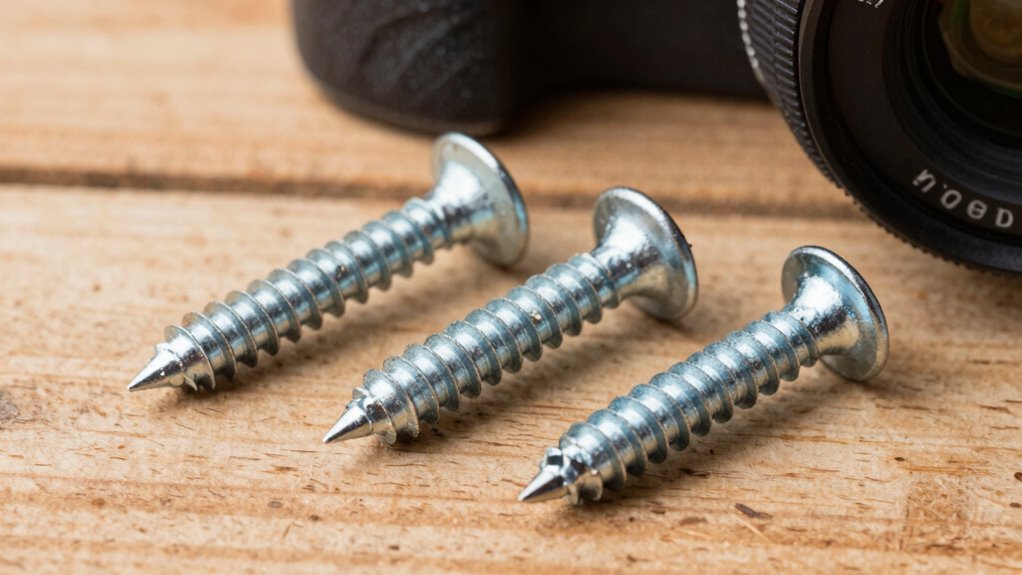
Are you wondering what makes wood screws different from other fasteners? Wood screws are specially designed to join wood pieces securely. They come in various screw head styles, such as flat, round, or pan heads, allowing you to choose based on your project’s finish needs. The thread design considerations are vital; they typically feature coarse threads that grip wood tightly, providing strong holding power. Unlike machine screws, wood screws don’t require nuts and are often self-tapping, making installation easier. Use wood screws when working on furniture, framing, or decking projects. Their design ensures durability and stability in wood-to-wood connections. Understanding the free floating nature of certain fasteners can help you select the most appropriate screw for your specific application. Knowing the right screw head style and thread design considerations helps you select the ideal screw for your woodworking tasks. Additionally, being aware of thread engagement can improve the longevity and strength of your fastening. Selecting the proper material compatibility ensures your wood screw will perform optimally in your project. Moreover, considering corrosion resistance is important for outdoor or moisture-prone environments to enhance durability.

VGBUY 351Pcs Machine Screws Nuts and Bolts Assortment Kit, # 6-32# 8-32# 10-24 Phillips Pan Head Assorted 304 Stainless Steel Bolts Nuts Flat Washers Bolts with Case
Machine Screws with Washers Nut:Our nuts and bolts assortment kit is made of premium 304 stainless steel, rust,…
As an affiliate, we earn on qualifying purchases.
As an affiliate, we earn on qualifying purchases.
Machine Screws: Features, Materials, and Common Uses
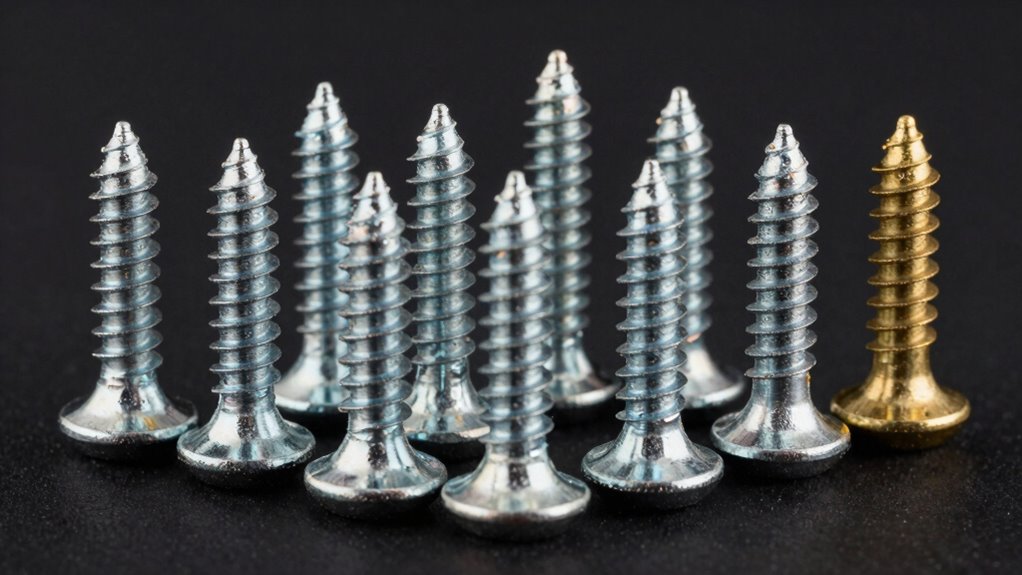
Machine screws are made from various materials like steel, brass, and stainless steel, each offering different strengths and corrosion resistance. You’ll find them used across industries such as electronics, automotive, and machinery. Understanding the materials helps you choose the right screw for your specific application.
Materials Used in Manufacturing
Materials play a crucial role in determining the strength, durability, and application of machine screws. The choice of manufacturing materials impacts screw composition, influencing how well the screw performs in different environments. Common materials include steel, stainless steel, brass, and nylon, each offering unique properties. Steel provides high strength and affordability but can corrode without treatment. Stainless steel resists rust and corrosion, making it suitable for outdoor use. Brass offers good corrosion resistance and electrical conductivity, often used in electrical applications. Nylon screws are lightweight and non-conductive, ideal for delicate or non-metallic setups. Selecting the right manufacturing material depends on your project’s requirements, such as strength, corrosion resistance, and environmental conditions. Understanding screw composition helps you choose the best screw for your specific needs. Additionally, the weight of wind turbine blades can influence transportation and installation considerations, especially for larger blades.
Common Applications and Industries
Because of their versatile design and broad range of sizes, machine screws find applications across numerous industries, playing a vital role in assembling, fastening, and securing components. They guarantee hardware compatibility and withstand environmental considerations, making them dependable in various settings. Additionally, selecting the appropriate screw type and material ensures optimal performance and longevity in different applications. The selection process often involves considering corrosion resistance, especially in outdoor or moist environments, to enhance durability and service life. Incorporating smart home integration can also optimize maintenance and monitoring, ensuring the longevity of fasteners in modern, connected environments. Understanding material properties can further improve the selection process by matching screw materials to specific environmental challenges, which is crucial for maintaining the integrity of designer-look spaces.

60 Pcs #10 x 1 Metal Roofing Screws with Rubber Washers, Made of 410 Stainless Steel,Providing Good Sealing and Leak Prevention, Upgraded Hex Head Self Tapping Screws for Metal
Package Includes: 60pcs #10 x 1”Upgraded Hex Head Self Tapping Screws with EPDM Washers for Sheet Metal, and…
As an affiliate, we earn on qualifying purchases.
As an affiliate, we earn on qualifying purchases.
Sheet Metal Screws: Characteristics and Best Applications
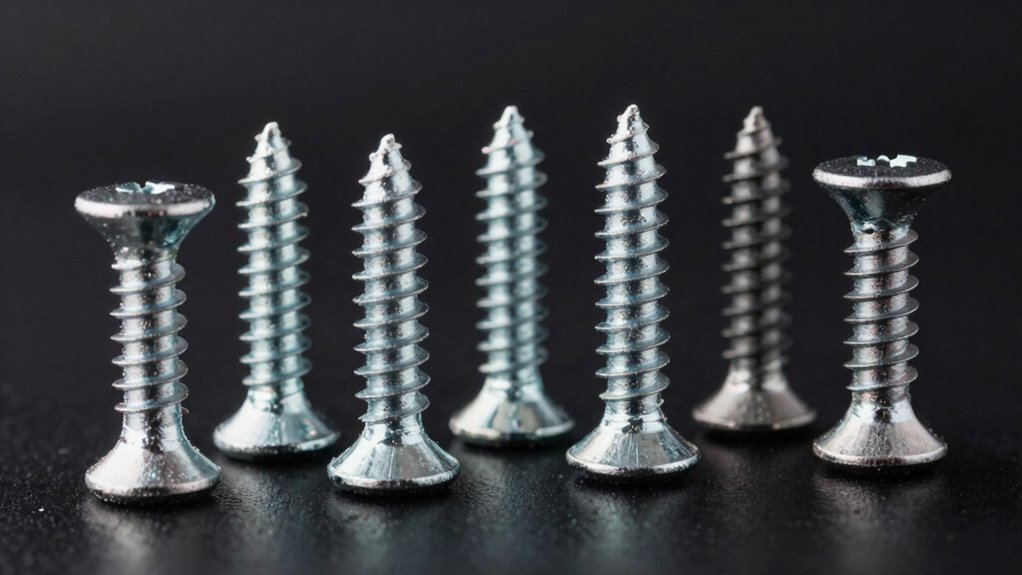
Sheet metal screws are also known for their corrosion resistance, which makes them ideal for outdoor or humid environments, preventing rust over time. These screws excel when you need strong, secure fastening in metal or thin sheet materials. Their corrosion resistance makes them ideal for outdoor or humid environments, preventing rust over time. The thread design is a key feature—sharp, deep threads cut into metal easily, providing excellent holding power without the need for nuts or washers. The ability to thread directly into metal surfaces saves you time and effort. Sheet metal screws also come in various head styles, making them adaptable for different applications. Whether you’re fastening HVAC components or attaching metal panels, these screws deliver durability and efficiency. Their specialized design ensures your project remains secure and resistant to environmental damage, especially when combined with proper installation techniques. Additionally, understanding the types of threads and their compatibility can further enhance the strength of your fastening.

HanTof 625pcs M2 M3 M4 Phillips Pan Head Self-Tapping Wood Screws,14 Sizes Cross Recessed Round Head Self Tapper Screws Assortment Kit for Wood,Plastic and Soft Metal,Black Carbon Steel,Sharp Point
🔩【625 Pcs & 14 Types Screws】:Pan Head Wood Screws Kits includes 14 sizes, them contains M2 x 6mm/8mm/10mm;M3…
As an affiliate, we earn on qualifying purchases.
As an affiliate, we earn on qualifying purchases.
Main Differences Between Wood, Machine, and Sheet Metal Screws
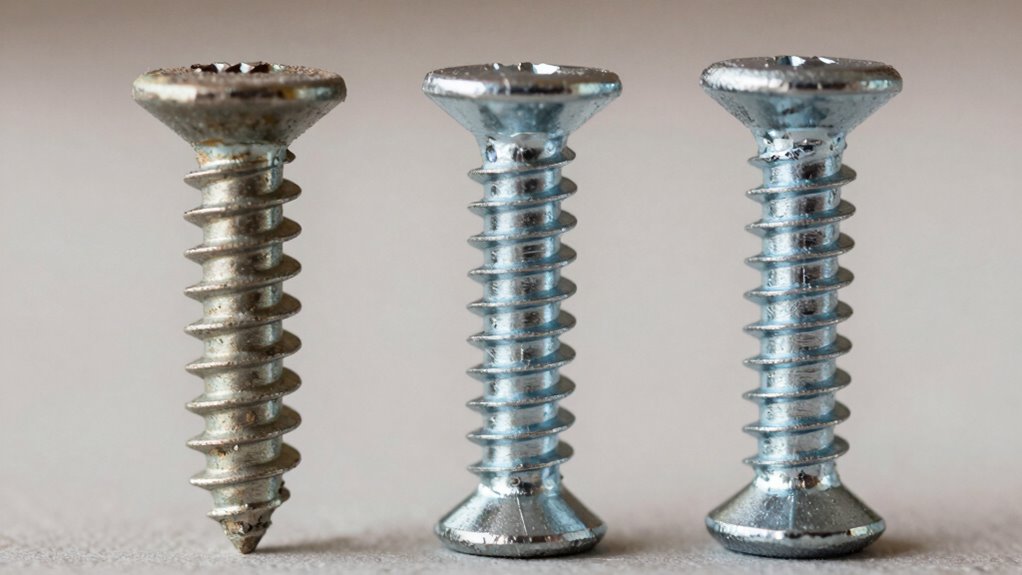
Understanding the key differences between wood, machine, and sheet metal screws helps you choose the right fastener for your project. Here are the main distinctions:
Choosing the right screw type ensures secure, efficient fastening for your project.
- Thread Pitch: Wood screws usually have coarse threads for gripping wood, while machine screws have fine threads for metal or precision fittings. Sheet metal screws feature aggressive threads for piercing thin metal sheets.
- Head Styles: Wood screws often have flat or round heads, designed for countersinking. Machine screws typically have hex or pan heads for machine applications, while sheet metal screws frequently have bugle or pan heads.
- Purpose: Wood screws are used to join wood, machine screws for metal components, and sheet metal screws for fastening thin metal sheets.
- Design: The thread pitch and head style are tailored to the material, impacting how securely and easily they fasten.
How to Choose the Right Screw for Your Project
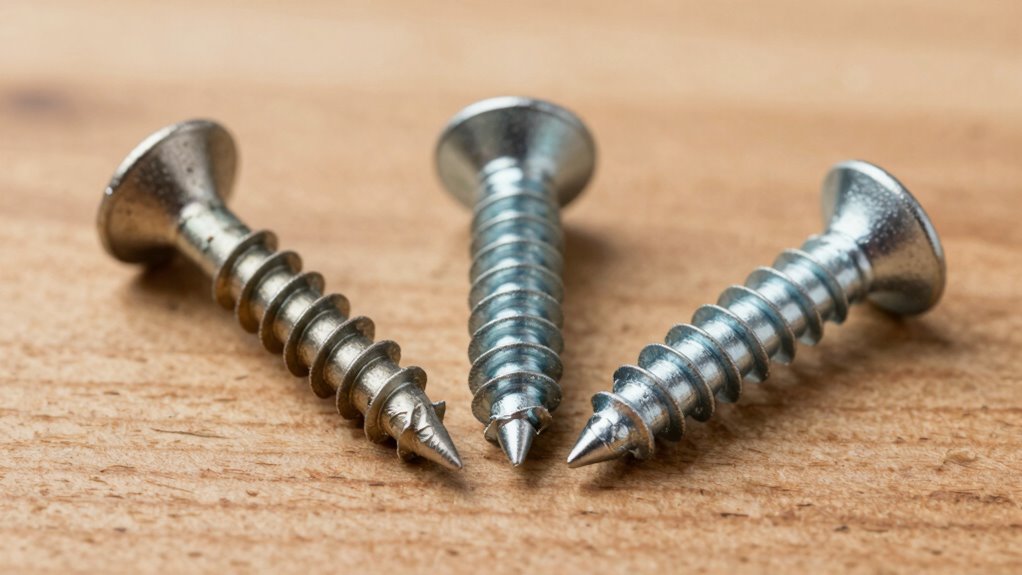
Choosing the right screw depends on matching it to your project’s materials and purpose. Consider material compatibility to prevent damage and guarantee strength. Selecting an application-specific screw helps you achieve the best hold and durability for your project. Additionally, understanding appropriate tool use ensures you can install screws efficiently and accurately. Being familiar with material compatibility also helps prevent issues like splitting or stripping during installation. For example, knowing the differences between wood screws, machine screws, and sheet metal screws ensures you select the proper type for your project, enhancing both safety and durability.
Material Compatibility Tips
Selecting the right screw for your project starts with considering the materials you’ll be joining. You need to guarantee compatibility to prevent issues like fastener corrosion and to maintain proper thread engagement. Here are four key tips:
- Match screw material to the base material to avoid galvanic corrosion.
- Choose corrosion-resistant finishes (like zinc or stainless steel) for outdoor or humid environments.
- Verify thread compatibility—using the correct thread type ensures secure fastening and easier installation.
- Consider material hardness; softer materials may strip threads, so select screws designed for softer substrates.
- Additionally, understanding the field‑of‑view and how it relates to the materials can help ensure a secure and lasting connection between components.
Application-Specific Selection
When you’re selecting a screw for your project, considering its specific application is essential to guarantee a secure and durable connection. Different tasks require tailored choices in fastener coatings and screw head styles to optimize performance and appearance. For example, outdoor projects benefit from corrosion-resistant coatings like zinc or galvanized finishes, while interior tasks may use plain steel screws. The screw head style also matters; flat heads are ideal for flush finishes, while pan or hex heads provide better grip for heavy-duty applications. Here’s a quick guide:
| Application | Fastener Coatings | Screw Head Styles |
|---|---|---|
| Exterior woodwork | Galvanized, zinc | Flat, round |
| Metal assembly | Phosphate, black oxide | Hex, pan |
| Indoor furniture | Nickel, plain steel | Phillips, slotted |
| Heavy-duty tasks | Stainless steel, coatings | Hex, socket |
Choosing the appropriate screw also involves understanding fastener materials, which can influence strength and longevity in your projects. Additionally, being aware of corrosion resistance can help you select screws that withstand environmental conditions and extend the lifespan of your projects. Choose wisely based on your project’s specific needs.
Strength, Materials, and Design Factors of Common Screws
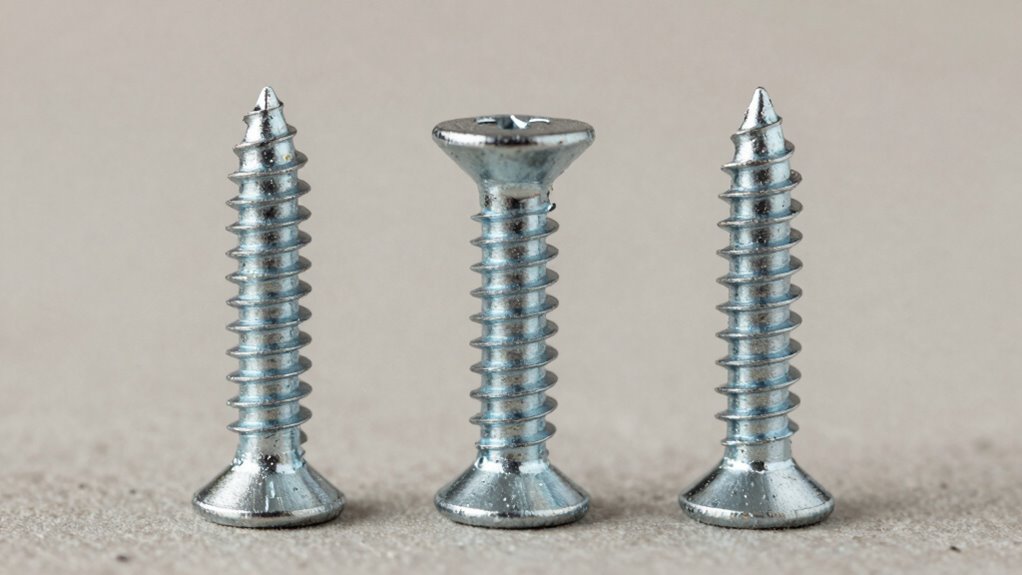
The strength of a screw depends heavily on the materials used and its design features. High-quality steel offers better tensile strength, while stainless steel provides excellent corrosion resistance, ideal for outdoor or humid environments. The thread design impacts holding power; deeper threads grip more firmly. Material choice influences cost efficiency—cheaper zinc-plated screws are suitable for light tasks, while hardened alloys suit heavy-duty use. Here’s what to think about: Vetted 1. Material type (steel, stainless steel, alloy) 2. Thread design (deep, coarse, fine) 3. Coatings for corrosion resistance 4. Cost versus durability balance
Installing Different Types of Screws: Tips for Success
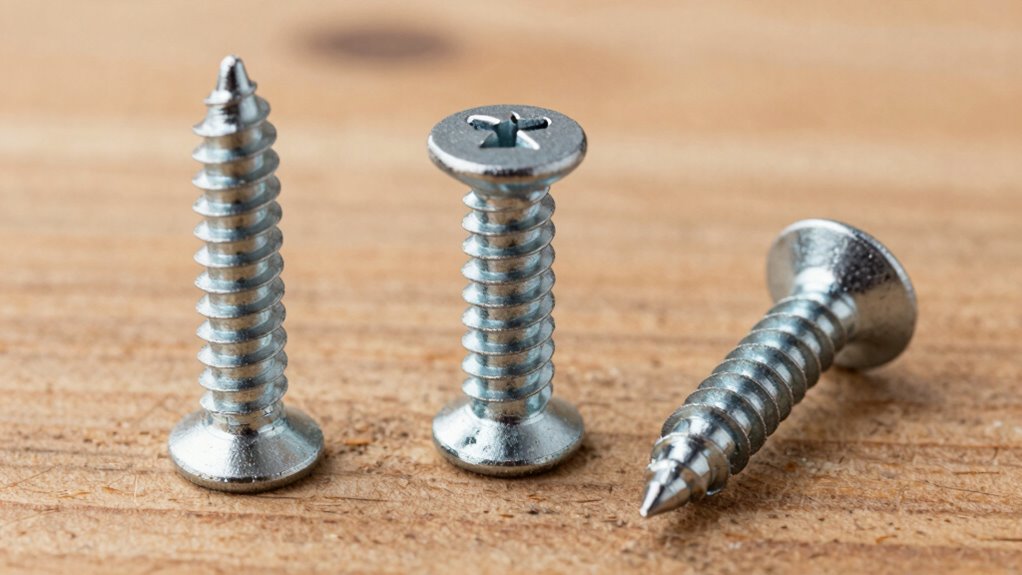
To guarantee your screws hold firmly and securely, paying attention to proper installation techniques is essential. Make certain you achieve adequate thread engagement by choosing the right screw length and drilling pilot holes when necessary. This step is especially important for material compatibility to prevent stripping and ensure a strong grip. When selecting screw head types, consider the application—flat heads for flush finishes or pan heads for general purposes. Use a screwdriver or drill suited to the screw’s head type to avoid damaging the head or stripping the drive. Apply steady, controlled pressure during installation to maintain alignment and prevent wobbling. Also, avoid over-tightening, which can weaken the screw’s hold or damage the material. Proper technique guarantees a durable, professional-looking result, regardless of whether you’re working with wood, metal, or sheet materials. Understanding fastener types can help you choose the most appropriate screw for your project, ensuring optimal performance and safety.
Common Mistakes When Selecting and Using Screws
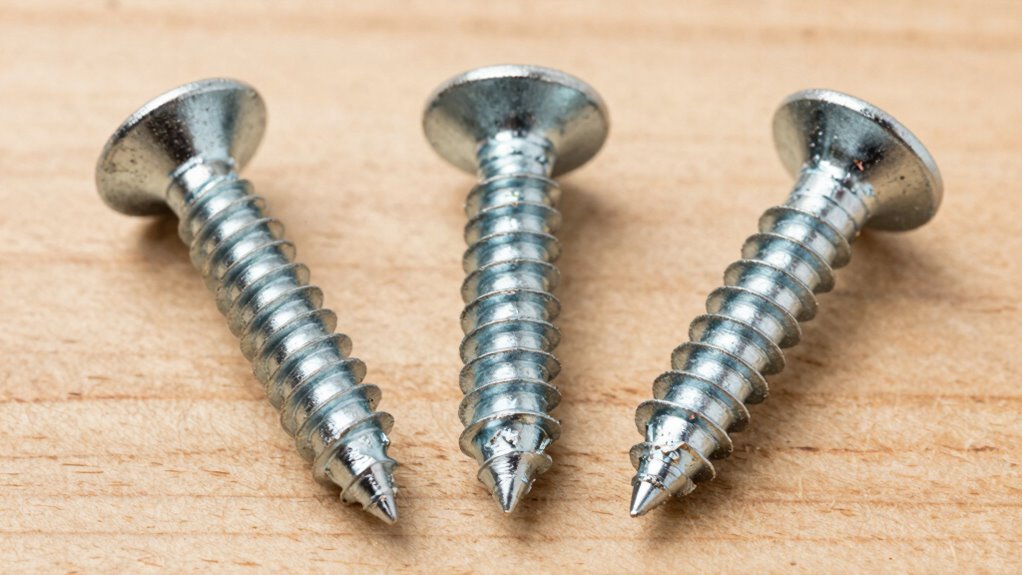
Choosing the wrong screw type or size is a common mistake that can compromise your project’s stability. Incorrect screw sizing can lead to weak joints or damage to materials. Misunderstanding thread types often results in using the wrong screw for the application, causing stripping or poor holding power. To avoid these issues, consider these points:
- Picking screws that are too short or too long for your materials
- Using the wrong thread type—coarse threads for softwood, fine for metal
- Neglecting the material’s density, leading to insufficient grip
- Overlooking manufacturer recommendations for specific projects
Frequently Asked Questions
Are There Eco-Friendly Options for These Screw Types?
Yes, you can find eco-friendly options for these screw types. Look for screws made with eco-friendly materials like bamboo or recycled metals, which reduce environmental impact. Additionally, choose screws with biodegradable coatings that break down more easily in nature. These options help you stay sustainable without sacrificing strength or durability, making your projects more environmentally responsible while still meeting your needs.
How Do Temperature Changes Affect Screw Performance?
Temperature changes can substantially impact your screw performance. As thermal expansion occurs, materials may loosen or tighten, affecting joint stability. Extreme cold can make metals brittle, reducing their strength, while heat can cause expansion, leading to warping or stripping. You need to take into account material strength and thermal expansion properties when choosing screws, especially for outdoor or high-temperature environments, to guarantee your projects stay secure despite temperature fluctuations.
Can These Screws Be Reused After Removal?
Yes, you can often reuse screws after removal, but it depends on their condition. If the screw isn’t stripped, bent, or damaged, reusing it minimizes waste and reduces environmental impact. Keep in mind, however, that reusing screws may compromise their hold if they’ve been weakened or corroded. Always inspect screws carefully before reuse to ensure safety and maintain the integrity of your project.
What Are the Safety Considerations During Installation?
Think of safety as your guiding star during installation. You should always wear personal protective equipment like eye goggles and gloves to prevent injuries. Proper tool selection is vital; use the right screwdriver or drill bit to avoid slips or stripped screws. Keep your work area clear of debris, maintain steady hands, and follow manufacturer instructions. These precautions guarantee a safe, smooth process and protect you from potential hazards.
How Do Cost Differences Impact Long-Term Project Expenses?
Cost differences can considerably impact your long-term project expenses. Choosing the right screw type for your material guarantees cost efficiency by reducing the need for replacements or repairs. When you plan your budget, consider not just the upfront price but also durability and installation costs. Investing in quality screws might seem higher initially, but it saves you money over time by preventing issues and ensuring a smoother project flow.
Conclusion
Choosing the right screw makes all the difference—did you know that using the wrong type can weaken your project by up to 50%? Whether you’re working with wood, metal, or sheet metal, understanding their unique features guarantees durability and safety. Take your time to select the proper screw, and follow best installation practices. Doing so will save you time, effort, and frustration, resulting in a professional finish every time.