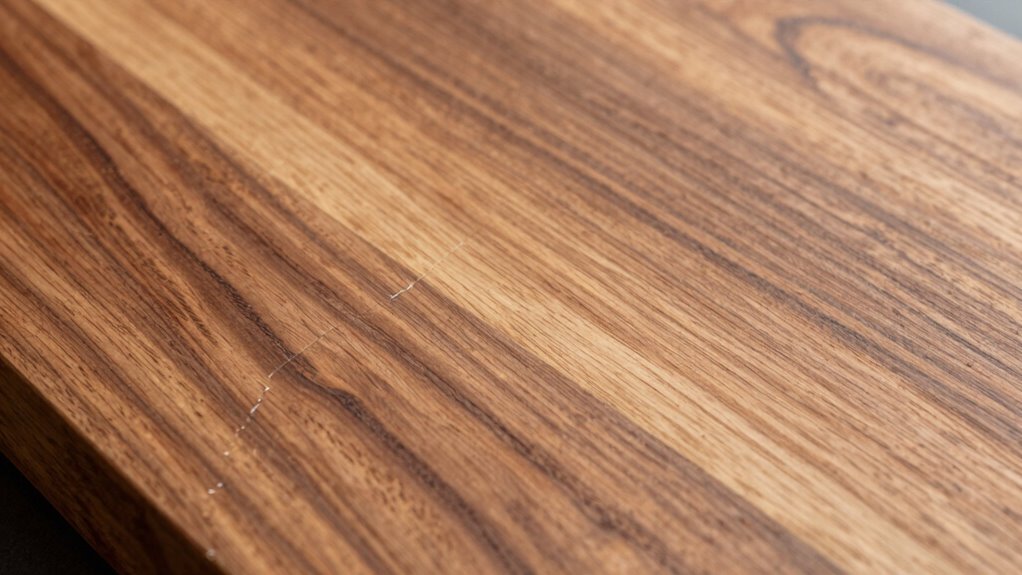

Understanding grain direction helps you choose a stronger, more stable cutting board that resists warping and is safer for food prep. Look closely at the surface to spot the flow of wood fibers—running parallel to the edges usually indicates the grain direction. Clear glue lines and proper alignment ensure durability and a smooth surface. Mastering these details boosts your confidence in selecting or maintaining a quality board—exploring more reveals how to maximize its lifespan and safety.

Get business pricing on tools and workshop supplies
- Business-only prices and quantity discounts
- Tax-exempt purchasing
- Multiple users, one account, clear invoices
Key Takeaways
- Proper grain direction enhances strength, durability, and resistance to warping, cracking, and bacterial buildup on cutting boards.
- Grain generally runs parallel to the longer sides and should be aligned correctly before gluing or cutting.
- Visible, neat glue lines indicate quality craftsmanship and ensure the board’s stability and longevity.
- Check for grain mismatch early to prevent long-term damage like splitting and uneven surfaces.
- Sealing and finishing surface properly helps protect glue lines and maintains a smooth, safe cutting surface.
wood cutting board with visible grain
As an affiliate, we earn on qualifying purchases.
As an affiliate, we earn on qualifying purchases.
How to Recognize Grain Direction in Cutting Boards
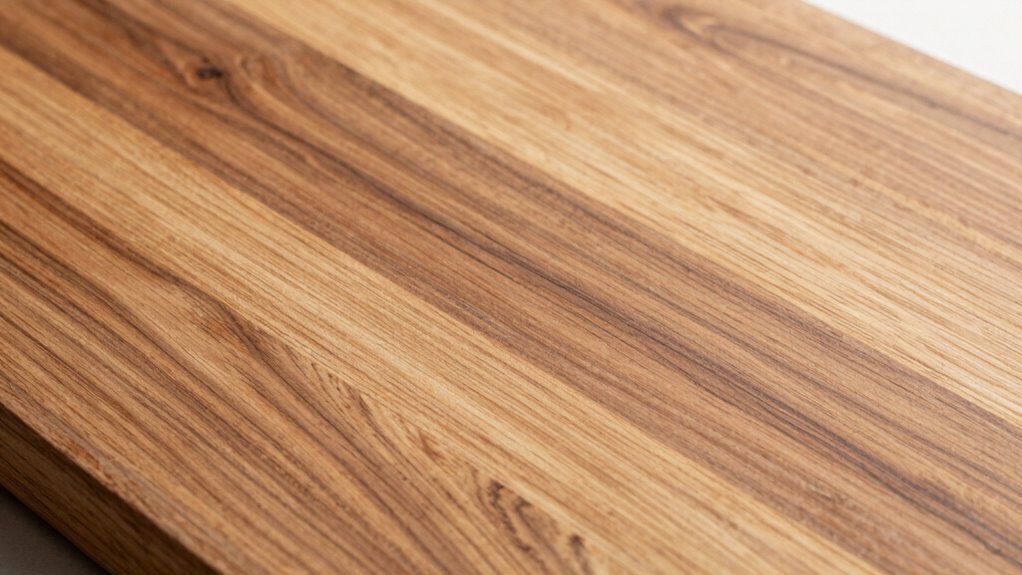
Understanding the grain direction in a cutting board is essential for proper use and maintenance. To recognize it, start by examining the grain pattern, which reveals the natural flow of the wood fibers. Run your fingers along the surface; you’ll notice the wood texture feels smoother or tighter in the direction of the grain. Generally, the grain will run parallel to the longer sides of the board. Look for subtle lines and variations in the wood’s appearance—these indicate the grain’s flow. Sometimes, the pattern may be more uniform, but always trust the visual cues and texture to determine the direction. Correctly identifying the grain helps you cut efficiently and extends your board’s lifespan by aligning cuts with the natural wood fiber flow. Additionally, understanding grain orientation can prevent splintering and help maintain the board’s structural integrity over time. Recognizing the grain pattern also assists in choosing the best cutting techniques for different types of wood, and being aware of the wood properties can further enhance your ability to care for and select the most suitable cutting boards for various tasks. You can also look for growth rings as an additional visual cue to determine grain direction, especially in more complex grain structures.
As an affiliate, we earn on qualifying purchases.
Why Grain Orientation Matters for Food Safety and Durability
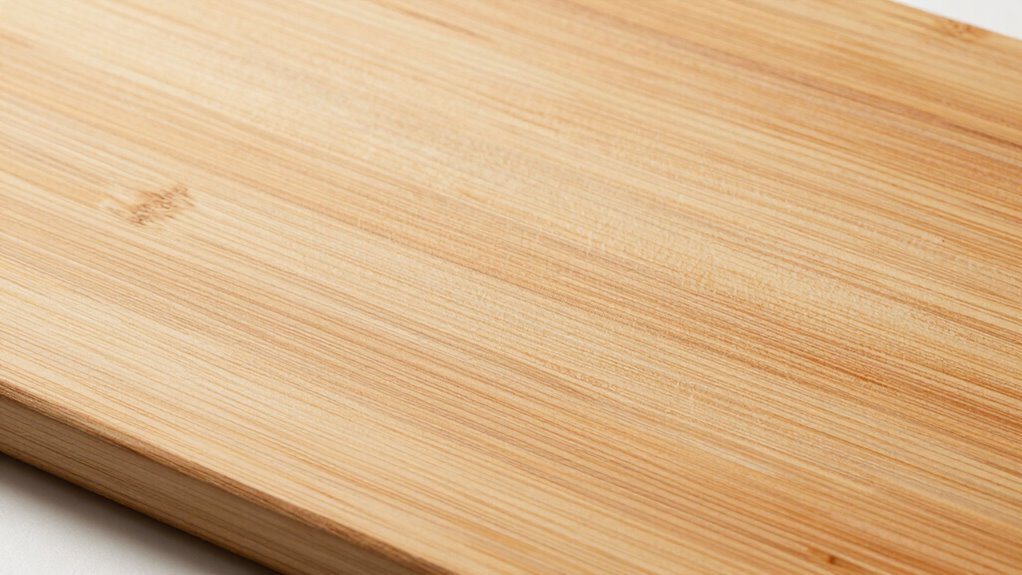
Proper grain orientation is essential for food safety and the longevity of your cutting board because it directly influences how well the wood resists bacteria buildup and withstands regular use. When the grain runs with the board’s surface, it creates fewer cracks and pores where bacteria can hide, enhancing grain safety. Conversely, cutting against the grain can cause splintering and weaken the board’s durability factors over time. Proper grain alignment reduces the risk of warping, cracking, or splitting, ensuring your board stays solid and safe for food prep. Additionally, well-oriented grain helps maintain a smooth, even surface that’s easier to clean. Understanding wood grain is crucial for selecting the best cutting board, as it impacts both safety and durability. Choosing a board with correct grain orientation is a simple step to improve both food safety and durability, making your kitchen tools more reliable and long-lasting. Ensuring correct grain orientation can also prevent premature wear and prolong the life of your cutting board, especially when combined with proper maintenance techniques. Being aware of wood properties can further help in making informed choices for your kitchen tools.
food safe end grain cutting board
As an affiliate, we earn on qualifying purchases.
As an affiliate, we earn on qualifying purchases.
How to Spot Grain Patterns on Your Cutting Board
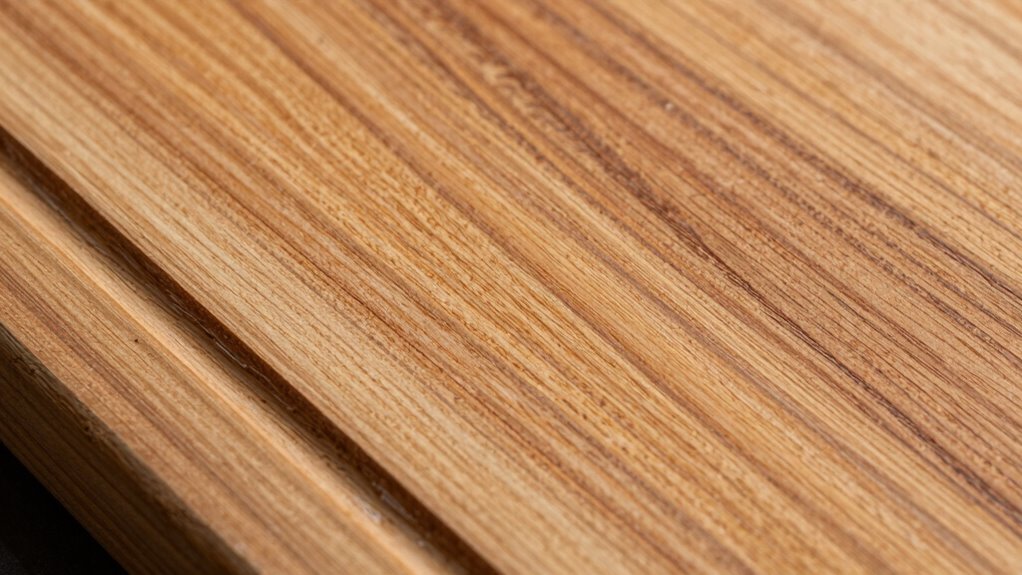
To spot grain patterns on your cutting board, start by examining the surface closely for lines and textures that run in a consistent direction. The wood grain reveals how the wood fibers are aligned, which can affect cutting performance and durability. Look for natural variations in color and pattern; these indicate the grain’s flow. If you see straight, uniform lines, the grain runs parallel, suggesting a sturdy, stable surface. A visible glue line may appear where pieces are joined, but it shouldn’t disrupt the overall pattern. Pay attention to the grain’s direction—it influences cutting ease and how the board wears over time. Recognizing these patterns helps you understand the board’s construction and guarantees you’re choosing a piece aligned with your needs. Understanding grain orientation can also guide you in maintaining your cutting board for longer-lasting performance. Additionally, being aware of grain direction can help you cut more efficiently and prevent splitting or chipping of the wood. Knowing how grain structure affects the strength of the wood can further inform your selection and care.
large butcher block cutting board
As an affiliate, we earn on qualifying purchases.
As an affiliate, we earn on qualifying purchases.
Do Glue Lines Affect Your Cutting Board’s Strength?
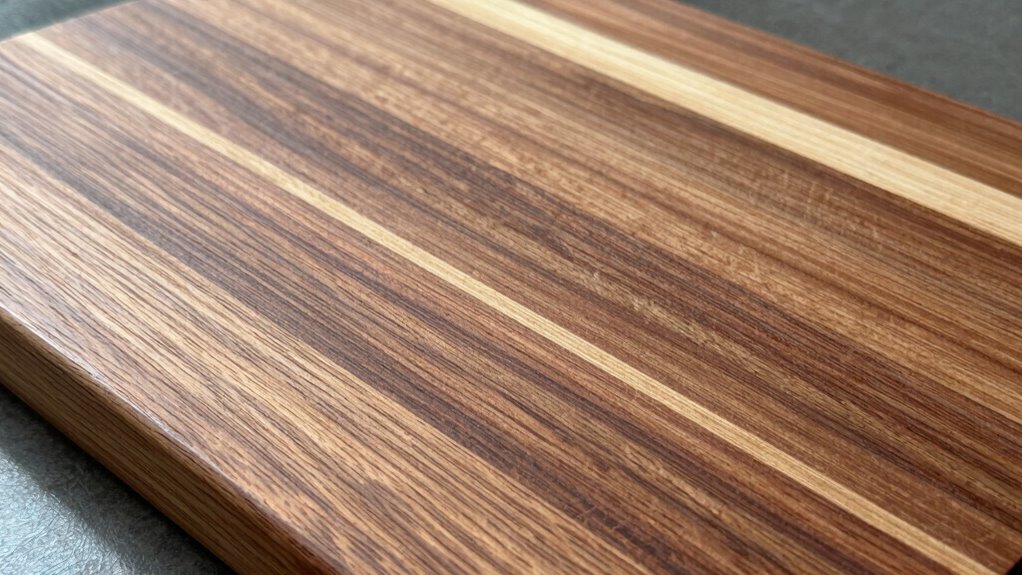
Glue lines are common in many cutting boards, especially those made from multiple pieces of wood joined together. While some worry that these lines weaken the board, proper glue integrity assures they don’t compromise overall strength. When glue bonds are applied correctly, they create a bond that matches the wood’s grain strength, maintaining the board’s durability under regular use. High-quality adhesives and proper clamping during the glue-up process help prevent weak spots. If glue lines are well-executed, they won’t affect the board’s ability to withstand cutting and chopping. Instead, they serve as a testament to craftsmanship. Ultimately, the strength of your cutting board depends on the quality of the glue joint and how well the pieces are aligned during assembly. The grain direction of the wood also plays a crucial role in ensuring the board’s overall stability and resistance to warping. Additionally, understanding the adhesion properties of different glues can help ensure long-lasting bonds that maintain the integrity of the entire piece. Proper grain alignment during assembly further enhances the durability and lifespan of your cutting board. Paying attention to wood movement characteristics can also help prevent future warping or cracking over time. A thorough understanding of wood expansion and contraction can guide better construction choices to extend your board’s lifespan.
How to Identify and Evaluate Glue Lines in Finished Boards
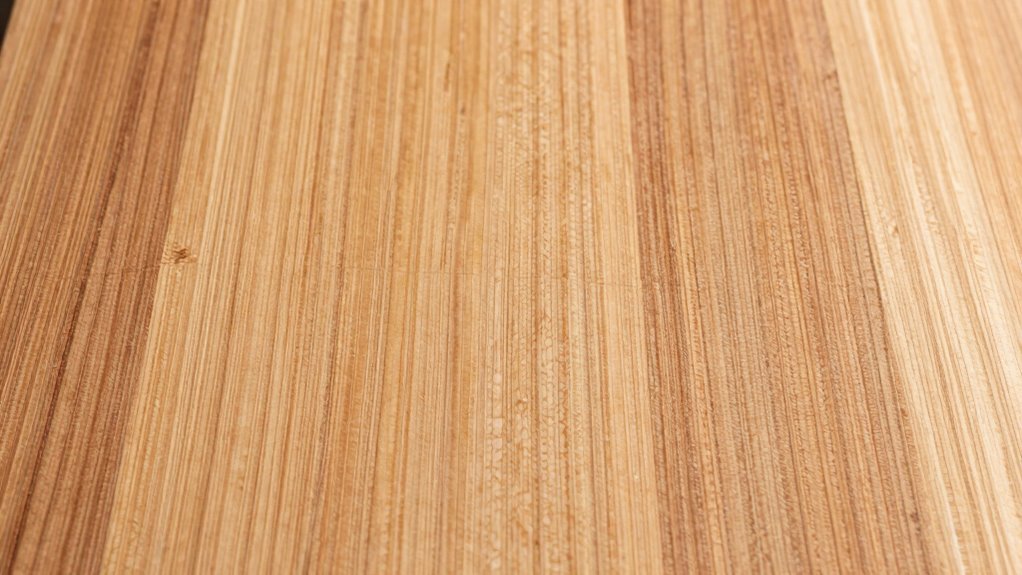
You can easily spot glue lines in a finished cutting board by closely inspecting its surface. Look for visible seams or slight color differences where pieces are joined, which indicate glue lines. High glue line clarity means the seam is tight and neat, showing minimal gaps or unevenness. Examining the grain alignment across the glue line—well-aligned grains suggest proper assembly, contributing to strength and aesthetics. If the glue line appears cloudy or irregular, it might indicate weaker adhesion or poor craftsmanship. Consistent, smooth glue lines without gaps or protrusions are signs of quality work. Additionally, understanding how wood movement can affect glue lines over time helps in evaluating the longevity of the piece. Being aware of seasonal changes in humidity and temperature can help you assess potential stresses on the glue lines and overall durability. Recognizing the effects of adhesive properties and how they interact with different wood types can further inform your assessment. Proper clamping techniques during assembly are essential to achieving optimal glue line quality. By assessing glue line clarity and grain alignment, you can determine how well the board was assembled and whether it’s built to last. Paying attention to wood grain patterns can also reveal craftsmanship and the level of skill involved in the creation process.
How to Choose the Best Grain Direction for Your DIY Cutting Board
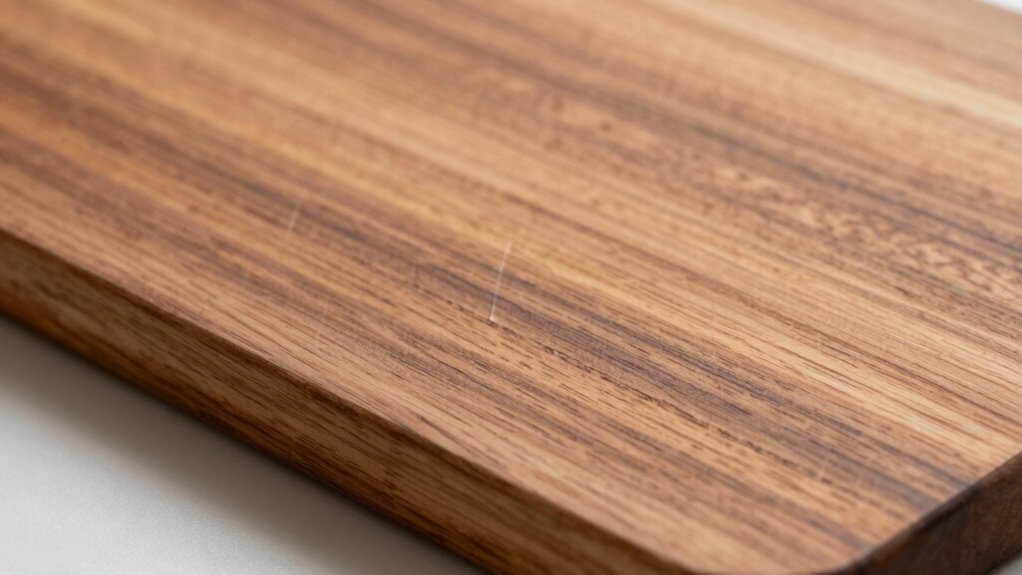
Choosing the right grain direction can markedly improve your cutting board’s durability and performance. It also affects how the wood looks and how well it resists wear over time. Consider these points carefully to create a beautiful, long-lasting DIY project. Additionally, understanding wood grain orientation can help you select the best cuts to enhance both strength and aesthetic appeal. Being aware of grain direction techniques is essential for achieving optimal results in your woodworking projects.
Grain Orientation Benefits
The grain orientation of your cutting board considerably impacts its strength, durability, and appearance. Proper orientation offers clear grain benefits, such as increased resistance to splitting and warping. When you align the grain correctly, you maximize its natural strength, making your board more resilient against daily use. Orientation advantages also include a smoother surface that’s easier to clean and less likely to trap bacteria. Additionally, choosing the right grain direction enhances the visual appeal, giving your board a more uniform and attractive look. By understanding these benefits, you can select the most suitable grain orientation for your project, ensuring your DIY cutting board is both functional and aesthetically pleasing. Proper grain placement ultimately results in a more durable, long-lasting, and beautiful kitchen tool.
Cutting Board Durability
Selecting the right grain direction is essential for maximizing your cutting board’s durability. Higher wood density makes the board more resistant to dents and cuts, so choosing dense hardwoods like maple or walnut boosts longevity. Grain direction also influences how the wood responds to moisture content; vertical grain cuts tend to expand and contract less across seasons, reducing warping. When moisture content is consistent and properly dried, the board maintains its shape longer. Flat-grain boards with wide surface areas are more prone to splitting if exposed to fluctuating moisture levels. By understanding how grain orientation affects the wood’s density and moisture response, you can select a grain direction that guarantees your DIY cutting board remains sturdy and durable through years of use.
Aesthetic Considerations
Your choice of grain direction not only affects the board’s durability but also dramatically influences its aesthetic appeal. The wood grain pattern creates a unique look that can complement your kitchen decor or personal style. If you prefer a uniform, linear appearance, edge grain offers a sleek, modern look. For a more natural, textured effect, face grain showcases the intricate patterns of the wood’s surface. End grain presents a distinctive checkerboard pattern that highlights craftsmanship and adds visual interest. Consider the overall aesthetic you want—whether it’s clean and minimalist or warm and rustic. The grain direction impacts how the wood grain flows across the surface, making your DIY cutting board a reflection of both function and style.
Common Mistakes When Working With Grain and Glue Lines (And How to Avoid Them)
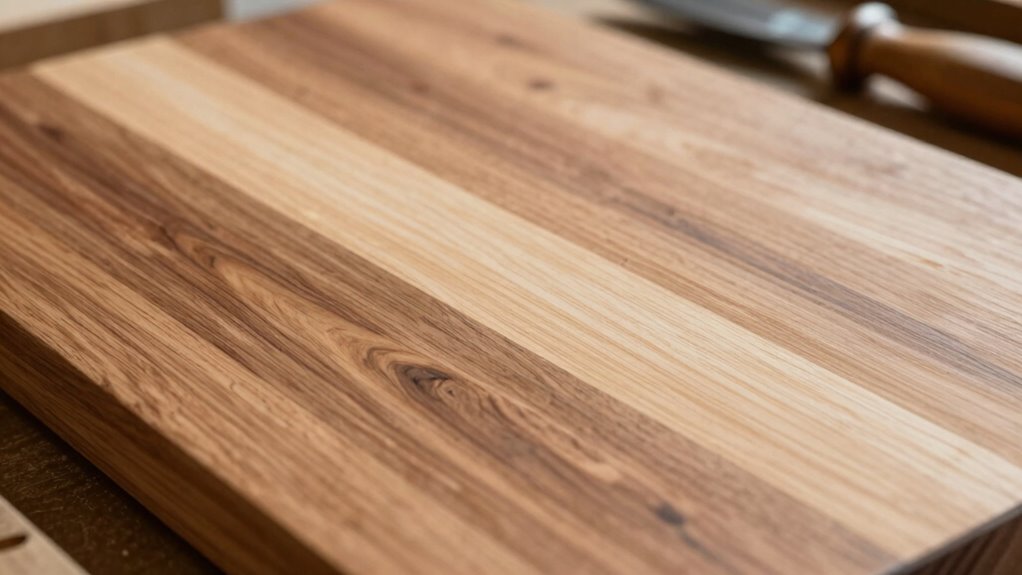
Ignoring grain direction can cause warping or splitting over time. Overlooking proper glue line alignment results in weak joints and uneven surfaces. Paying attention to these details helps make sure your cutting board is durable and looks professional.
Ignoring Grain Direction Risks
Failing to pay attention to grain direction can lead to weak joints, warped boards, and visible glue lines that ruin the appearance of your cutting board. Ignoring grain distortion risks uneven surfaces and compromised structural integrity, making your board prone to cracking or splitting over time. When glue lines aren’t aligned with the grain, they become more noticeable, detracting from the finished look. Additionally, improper grain orientation can cause boards to warp or cup as they dry, ruining your craftsmanship. To avoid these issues, always check the grain direction before gluing or cutting. Aligning the grain properly ensures stronger joints, reduces glue line visibility, and results in a flatter, more durable cutting board. Paying attention to grain direction is key to a professional finish.
Overlooking Glue Line Alignment
When working with glue and grain, overlooking proper glue line alignment can lead to weak joints and visible imperfections. Misaligned glue lines compromise strength and create grain mismatch issues that are hard to fix later. To avoid this, carefully align your pieces before applying glue, ensuring edges match perfectly. Use clamps to keep the pieces steady during drying. Pay attention to grain direction so that glue lines run smoothly along the grain, reducing risk of splitting or warping.
| Proper Glue Line Alignment | Common Mistakes |
|---|---|
| Align edges precisely | Overlooking grain mismatch |
| Use clamps effectively | Ignoring grain direction |
| Check for flat surfaces | Applying uneven pressure |
Best Practices for Cleaning and Caring for Your Cutting Board

To keep your cutting board in top condition, maintaining proper cleaning and care after each use is vital. Regular cleaning prevents bacteria buildup and preserves the wood’s finish. After washing, consider finishing techniques like applying mineral oil or beeswax to seal the surface and enhance durability. Store your board in a dry, well-ventilated area, following storage tips that prevent warping and cracking. Here are three best practices:
- Clean with hot water and soap immediately after use, avoiding soaking.
- Apply a food-safe finish regularly to maintain moisture and prevent splitting.
- Store upright or in a breathable container to guarantee proper airflow and dryness.
Consistent care keeps your cutting board looking great and lasting longer.
How to Pick a Commercial Cutting Board Based on Grain and Glue Lines
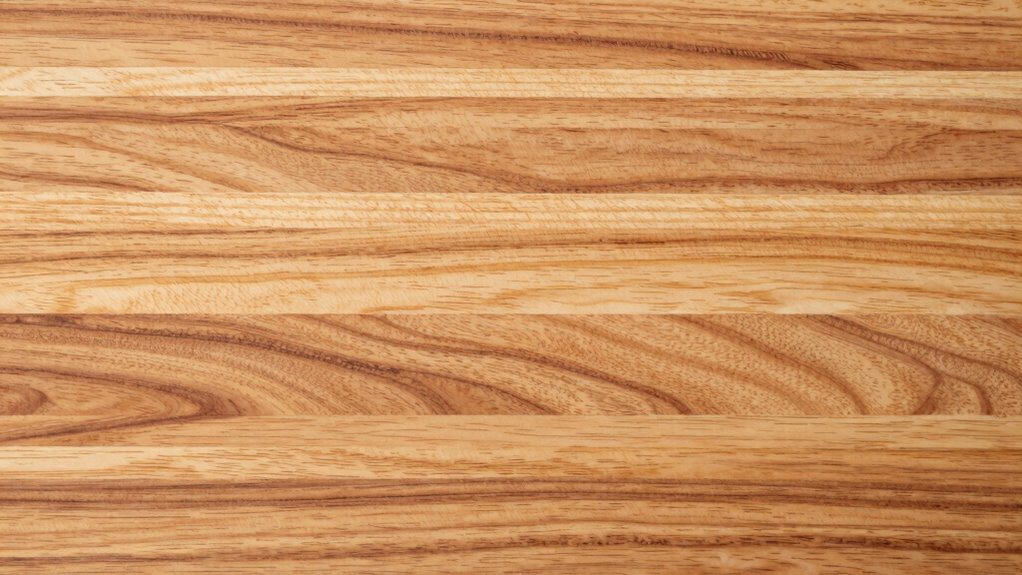
When choosing a commercial cutting board, pay close attention to the grain pattern. Consistent grain lines indicate a well-constructed board that will last longer and perform better. Also, look for visible glue lines to spot potential weak points or poorly assembled pieces.
Grain Pattern Consistency
Examining the grain pattern and glue lines of a cutting board helps you assess its durability and quality. Focus on grain pattern consistency to verify the wood’s strength and aesthetic appeal. A uniformity in wood grain indicates the board was crafted with care, reducing the risk of warping or splitting over time. To evaluate this, consider these key points:
- Check for even, continuous grain lines without abrupt changes or gaps.
- Look for consistent color and texture throughout the board, signaling careful selection.
- Ensure the grain runs in a uniform direction, which enhances strength and cutting efficiency.
Visible Glue Lines
Visible glue lines can reveal a lot about the quality of a cutting board. When shopping, look closely at these lines to assess wood safety and overall craftsmanship. Sharp, clean joints indicate careful construction, reducing the risk of bacteria hiding in gaps. Poorly glued boards may have visible gaps or uneven lines, which can compromise safety and durability. For aesthetic appeal, choose boards with minimal or neatly integrated glue lines, ensuring a smooth surface. Well-executed glue lines also reflect better manufacturing standards, meaning you’re investing in a safer, longer-lasting product. Keep in mind that visible glue lines aren’t just about looks—they’re a sign of how carefully the board was assembled. A quality cutting board balances good construction with visual harmony, enhancing both safety and style in your kitchen.
Troubleshooting Common Issues Caused by Grain Direction and Glue Lines
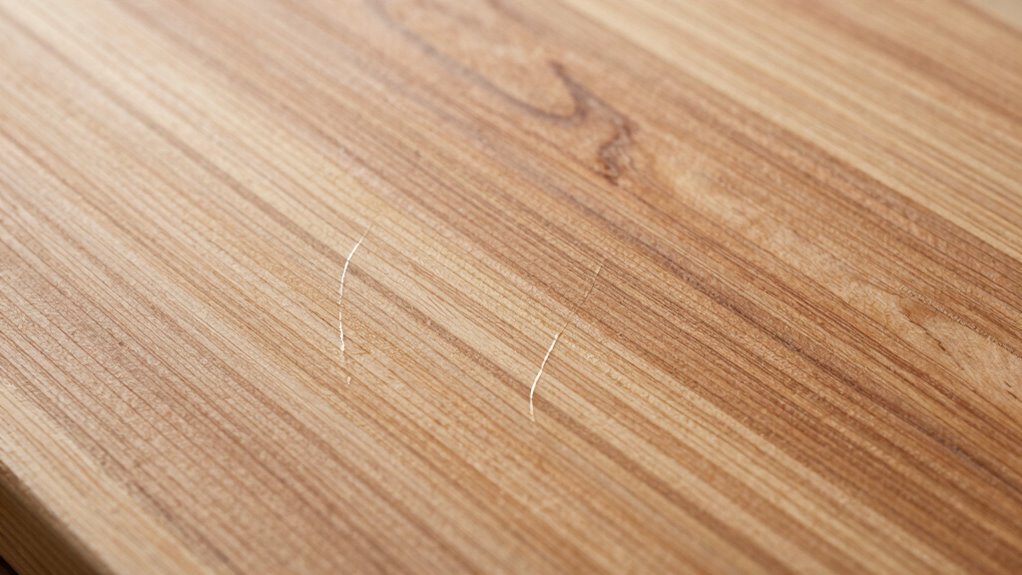
Grain direction and glue lines can profoundly impact the stability and durability of your cutting board. Common issues include grain mismatch, which can cause warping or splitting, and uneven surfaces that hinder safe cutting. To troubleshoot, consider these points:
Proper grain alignment and sealed glue lines ensure a stable, durable cutting surface.
- Check for grain mismatch early in the process, ensuring that all pieces align correctly before gluing.
- Use proper finishing techniques to seal the surface, preventing moisture from weakening glue lines or causing warping.
- If glue lines are visible or compromised, sand carefully to blend them seamlessly or re-glue with tighter clamps and aligned grain for added strength.
Addressing grain mismatch and optimizing finishing techniques will improve your board’s longevity and performance. Proper attention to these details prevents common issues and results in a more stable, durable cutting surface.
Frequently Asked Questions
Can Different Wood Species Affect Grain Visibility and Glue Line Appearance?
Yes, different wood species can affect grain visibility and glue line appearance. You’ll notice that some species, like maple, have fine, uniform grain, making glue lines less noticeable. Others, like walnut or cherry, have more prominent grain patterns that can highlight glue lines. Choosing the right wood species enhances the aesthetic, ensuring the grain visibility complements your design, while minimizing the prominence of glue lines for a cleaner look.
How Does Grain Orientation Influence the Cutting Board’s Resistance to Warping?
You can improve your cutting board’s warp resistance by paying attention to grain orientation. When you align the grain properly, it enhances the board’s stability and minimizes warping over time. Proper grain alignment ensures even expansion and contraction with humidity changes, boosting warp resistance. By following correct grain direction principles, you help your cutting board stay flat, durable, and functional, even after repeated use and cleaning.
Are There Specific Tools Recommended for Inspecting Grain and Glue Lines?
You should definitely use a magnifying glass or a wood grain gauge to inspect grain and glue lines closely. These tools reveal hidden flaws or inconsistencies that could compromise your board’s durability. With a keen eye, you’ll catch subtle defects before they become problems, ensuring your cutting board stands the test of time. Don’t overlook these tools—they hold the key to choosing the perfect, stable piece of wood.
How Do Grain Patterns Impact the Aesthetic Value of Custom Cutting Boards?
You’ll find that grain patterns greatly influence the aesthetic appeal of your custom cutting boards. Grain contrast adds depth and highlights natural beauty, while pattern symmetry creates a balanced, harmonious look. When selecting or designing, pay attention to these features; they can make your board stand out. A well-chosen grain pattern enhances visual interest and showcases craftsmanship, making your cutting board not just functional but also a striking piece of kitchen decor.
What Are the Environmental Factors That Can Alter Glue Line Integrity Over Time?
Environmental factors like moisture fluctuations and temperature variations can weaken your glue lines over time. When moisture levels rise or fall, wood expands or contracts, stressing the glue bonds. Similarly, temperature changes cause wood to swell or shrink, which can lead to cracks or separation along the glue line. To preserve your cutting board’s integrity, keep it in a stable environment, avoiding excessive humidity or heat exposure.
Conclusion
By paying attention to grain direction and glue lines, you’ll make certain your cutting board remains a sturdy, safe workspace. Picture your board as a resilient river, flowing smoothly with the grain, or a sturdy bridge with well-placed support beams. When you choose and care for your board wisely, it becomes more than just a surface—it transforms into a trusted companion that withstands your culinary adventures, slice after slice, year after year.
Halloween Picks
halloween
As an affiliate, we earn on qualifying purchases.