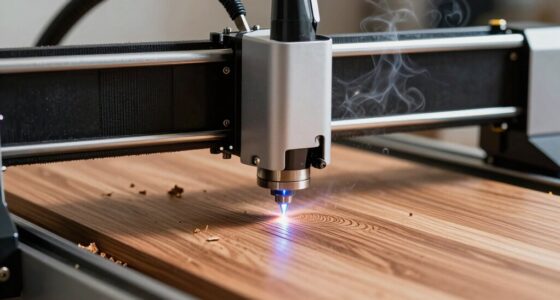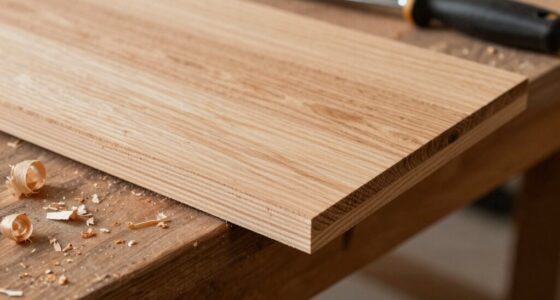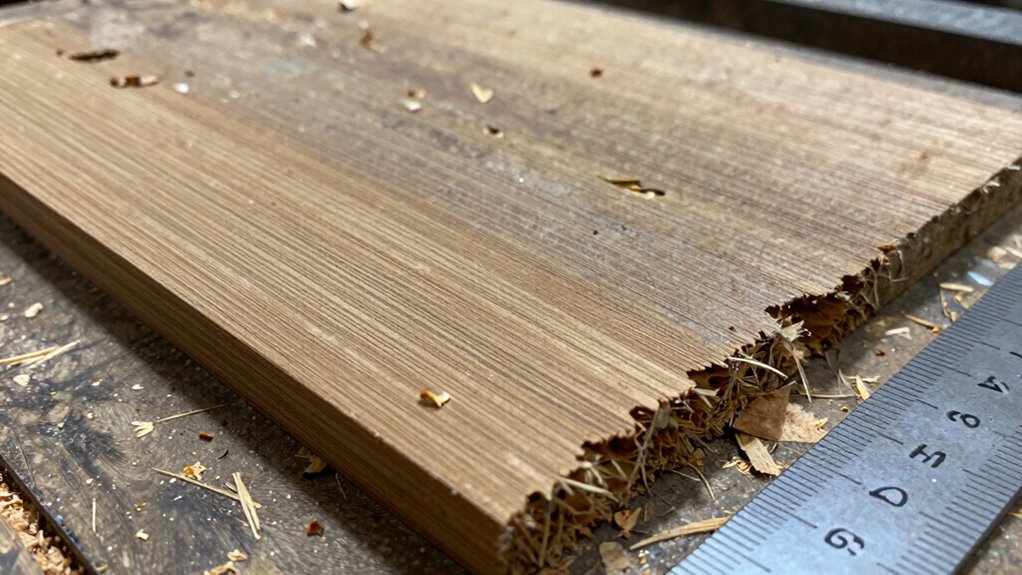
A flat CNC surface doesn’t stay flat forever because of wear patterns and material degradation over time. Whether you’re using MDF, plywood, or specialized plastics, each material has its own vulnerabilities. MDF wears down quickly, while plywood lasts longer but may still warp. Specialized plastics resist damage but come at a higher cost. Understanding these factors helps you maintain your spoilboard effectively. Stick around, and you’ll find out more about optimizing your CNC setup!

Get business pricing on tools and workshop supplies
- Business-only prices and quantity discounts
- Tax-exempt purchasing
- Multiple users, one account, clear invoices
Key Takeaways
- Spoilboards wear down over time due to repeated cutting, drilling, and milling operations, leading to surface irregularities.
- Material choice affects durability; MDF wears out faster than plywood or specialized plastics, requiring more frequent maintenance.
- Understanding wear patterns helps in identifying areas needing repair or replacement, ensuring optimal CNC performance.
- Environmental factors like humidity can cause warping, further compromising the spoilboard’s flatness.
- Regular inspection and maintenance can extend the lifespan of a spoilboard, keeping it functional for CNC operations.
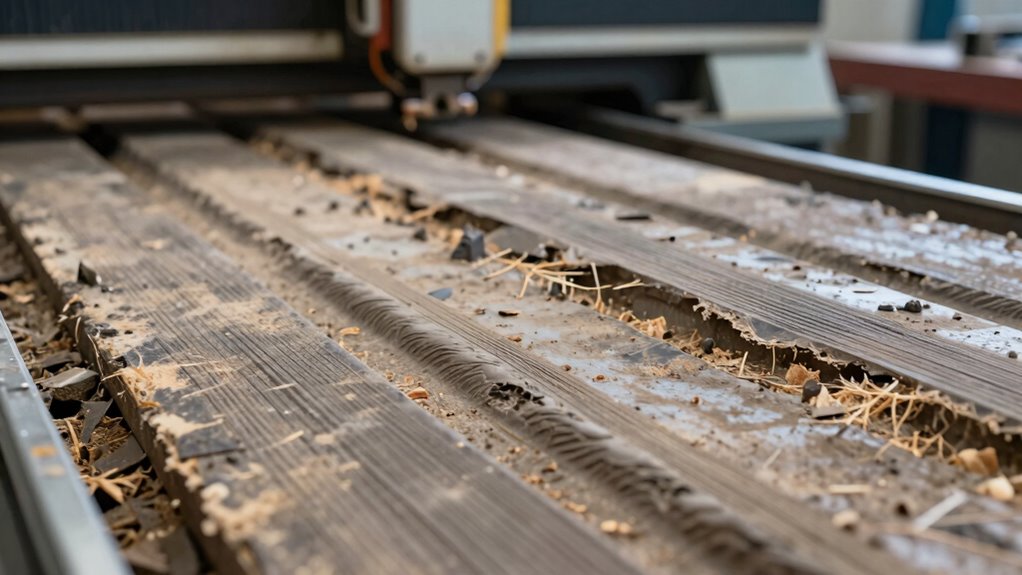
When you first set up your CNC machine, you’ll likely choose a spoilboard material that suits your needs. Common options include MDF, plywood, and even specialized plastics. Each material has its pros and cons. For instance, MDF is affordable and easy to work with, but it can wear down quickly under heavy use. Plywood offers more durability, while certain plastics can resist damage better but might be costlier. Choosing the right spoilboard materials impacts how often you’ll need to perform spoilboard maintenance. Additionally, understanding the wear patterns of your spoilboard can help you plan more effective maintenance routines and extend its lifespan.
As an affiliate, we earn on qualifying purchases.
Frequently Asked Questions
How Often Should I Replace My Spoilboard?
You should replace your spoilboard every few months, depending on your usage and spoilboard maintenance. Regular spoilboard leveling is essential, as it helps maintain precision in your CNC projects. If you notice significant wear, deep grooves, or inconsistent surfaces, it’s time for a change. Keeping an eye on the condition will save you headaches later on, ensuring your machines run smoothly and your work remains accurate. Don’t wait too long!
Can I Use Multiple Spoilboards Simultaneously?
Absolutely, you can use multiple spoilboards simultaneously! Think of them as different canvases for your artistry, each offering unique spoilboard benefits. By layering various spoilboard types, you can tailor your setup for specific projects, enhancing versatility and efficiency. One might absorb wear while another stays pristine, maximizing your CNC’s potential. Just remember to keep them well-maintained, so they all contribute to your creative masterpiece without compromising precision.
What Materials Are Best for Spoilboards?
For spoilboards, MDF offers great advantages like cost-effectiveness and smoothness, making it a popular choice. Plywood provides durability, handling heavier workpieces better. If you’re looking for sturdiness, composite materials can be ideal. Laminate surfaces are excellent for easy cleanup and resistance to wear, while foam options can absorb impact for lighter projects. Consider your cost considerations and project needs when choosing the best material for your spoilboard.
How Do I Clean My Spoilboard Effectively?
To clean your spoilboard effectively, start by using a vacuum to remove dust and debris. Then, grab a putty knife or scraper to gently remove any stubborn residue. For a deeper clean, use a damp cloth with a mild cleaner, ensuring you don’t soak the surface. Regular spoilboard maintenance tips include checking for dents or gouges and addressing them promptly to keep your surface in top shape. Happy machining!
Are Spoilboards Necessary for All CNC Operations?
Spoilboards aren’t just necessary; they’re the unsung heroes of CNC operations! They offer incredible benefits, like protecting your machine and providing a stable surface for cutting. While you could use alternatives like vacuum tables or tape, they often can’t match the versatility and ease of a spoilboard. So, if you want to keep your projects smooth and your machine happy, you’ll definitely want to stick with spoilboards for most jobs.
As an affiliate, we earn on qualifying purchases.
Conclusion
In the world of CNC machining, remember that “you can’t have your cake and eat it too.” Your spoilboard may start perfectly flat, but wear and tear from cutting can alter its surface over time. Regular maintenance and replacement are crucial to keep your projects precise and your tools functioning at their best. Embrace the journey of spoilboard upkeep, and you’ll guarantee your CNC machine continues to deliver the quality you expect. Stay vigilant, and your results will shine!
As an affiliate, we earn on qualifying purchases.
As an affiliate, we earn on qualifying purchases.
Halloween Picks
halloween
As an affiliate, we earn on qualifying purchases.