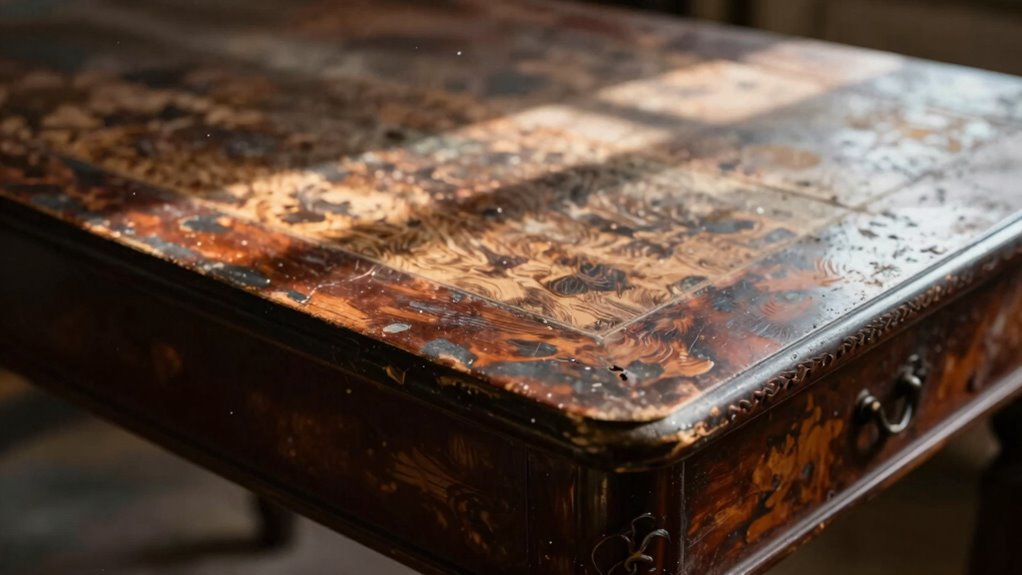
Sanding antique finishes can wipe out their unique character and historical value. Removing the original finish risks losing the rich patina and stories embedded in the piece. Plus, softer woods can get damaged, leaving scratches and gouges that diminish its worth. Instead of sanding, consider gentle cleaning or finish restoration techniques. These methods help maintain the integrity and charm of your antiques. Curious about the best preservation practices? There’s more to explore on this topic.

Get tools and workshop supplies delivered free — and shop member deals
- Fast, free delivery on millions of items
- Access to Prime Big Deal Days deals on October 6–7
- Prime Video, Amazon Music and more included
Key Takeaways
- Sanding can strip away the unique antique finish, diminishing the piece’s character and historical significance.
- The natural patina developed over time adds depth, and sanding risks losing this valuable authenticity.
- Softer woods may sustain irreversible damage from sanding, leading to scratches, gouges, or warping.
- Restoring finishes with gentle cleaning methods preserves integrity without compromising the item’s value or charm.
- Embracing imperfections enhances the story behind each piece, making it more unique and cherished.
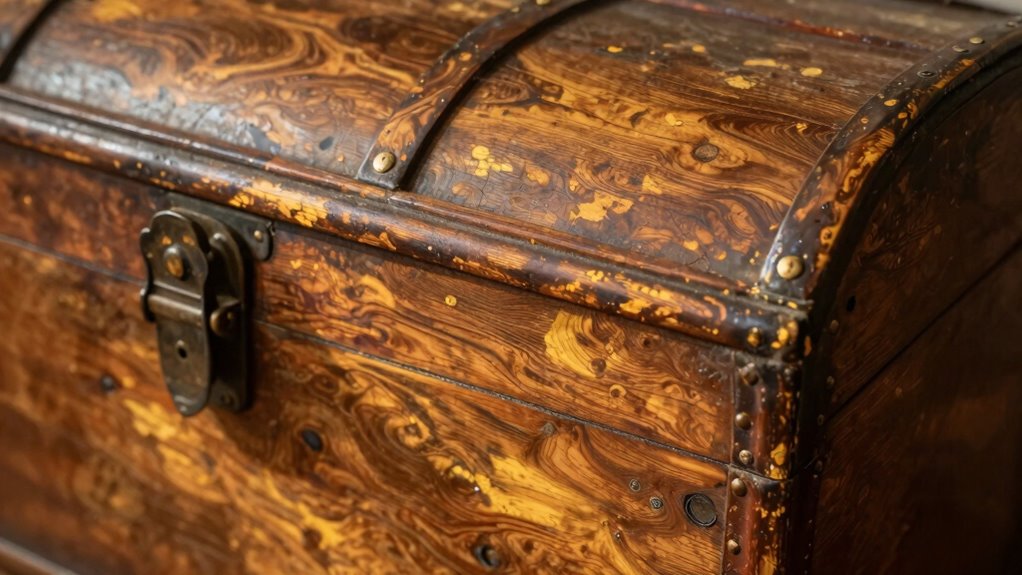
Antique finishes bring a timeless elegance to furniture and decor, instantly transforming spaces with their rich character. When you come across a piece that’s steeped in history, it’s vital to recognize that the finish isn’t just a protective layer; it tells a story. Many people might feel compelled to sand off an old finish, believing it’ll enhance the piece. However, doing so could strip away the very essence that makes it special.
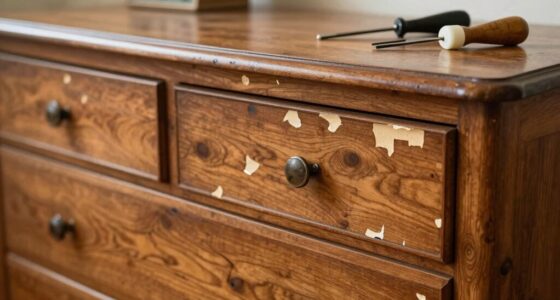
First off, consider the concept of patina preservation. Over time, an antique piece develops a unique patina that reflects its journey through the years. This natural aging process adds depth and character, making the item more valuable and aesthetically pleasing. By sanding away the original finish, you risk losing that beautiful patina, fundamentally erasing history. Instead of rejuvenating the piece, you might inadvertently diminish its charm.
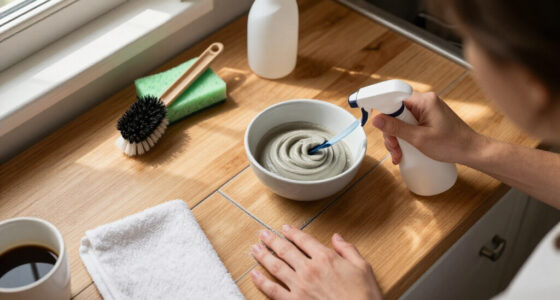
Moreover, finish restoration is often a more thoughtful approach. If you’re looking to revitalize an antique, there are various methods to restore its finish without sanding. Using gentle cleaning solutions or wax can help bring back the luster without compromising the original surface. This allows you to maintain the integrity of the piece while still enhancing its appearance. You’ll find that many antique enthusiasts and professionals advocate for preserving the original finish as it contributes to the item’s authenticity.
Another reason to avoid sanding is the potential damage it could inflict on the wood itself. Antiques are typically made from softer woods that have become more fragile over time. Sanding can lead to scratches, gouges, or even warping, which can be irreversible. Instead of achieving a smooth, refined surface, you might end up with a ruined piece that’s lost its value. Recognizing the importance of patina preservation ensures you respect the age and story embedded in each piece. Understanding the history behind each antique can deepen your appreciation and guide proper care practices. Additionally, knowing how to properly care for delicate wood surfaces can extend the lifespan of your cherished items. Sometimes, simply gentle cleaning can reveal the beauty that lies beneath layers of dirt and old finish, emphasizing the value of preservation over restoration.
Finally, remember that every scratch and blemish on an antique tells a story. They’re evidence of the life it’s lived, and erasing them can take away its soul. Embracing the imperfections is part of what makes antiques so unique. So, before you grab that sander, think about the importance of preserving the original finish. Whether you’re a collector or simply love the charm of antiques, understanding the value of patina preservation and finish restoration will help you maintain these beautiful pieces for generations to come.
antique furniture finish restoration kit
As an affiliate, we earn on qualifying purchases.
As an affiliate, we earn on qualifying purchases.
Frequently Asked Questions
What Tools Are Best for Restoring Antique Finishes?
For restoring antique finishes, you’ll want to use soft cloths, fine steel wool, and natural bristle brushes. These tools help with vintage restoration while ensuring finish preservation. Avoid harsh chemicals or power tools, as they can damage delicate surfaces. Instead, opt for gentle cleaners and oils that nourish the wood. Remember, patience is key; take your time to carefully restore each piece to maintain its character and integrity.
How Can I Tell if a Finish Is Original?
Determining if a finish is original can feel like finding a needle in a haystack! First, inspect the surface closely; look for inconsistencies like wear patterns and patina. Original finishes often have a rich depth and muted sheen. Check for signs of repairs or touch-ups, as these can indicate a later finish. If you’re unsure, consult with an expert in finish identification to guarantee you appreciate the true beauty of the piece.
Are There Safe Chemicals for Cleaning Antique Finishes?
Yes, there are safe chemicals for cleaning antique finishes. You should look for pH-balanced cleaners specifically designed for wood. Always test a small, inconspicuous area first to guarantee it doesn’t damage the finish. Avoid harsh chemicals, as they can harm both the wood and the finish, compromising its preservation. Prioritize chemical safety by wearing gloves and working in a well-ventilated space. This way, you can maintain your antique’s beauty without risking damage.
Can I Apply New Finishes Over Old Ones?
Can you really breathe new life into old finishes? Yes, you can apply new finishes over old ones, but it’s essential to check finish compatibility first. Sometimes, layering techniques can enhance the piece, creating a beautiful effect. Just remember that not all finishes bond well with each other, so testing a small area is wise. By doing so, you’ll guarantee your project looks great and lasts for years to come!
What Are Signs of Damage to Antique Finishes?
You can spot signs of damage to antique finishes by looking for cracks, peeling, or discoloration. These issues often compromise finish integrity and can indicate that the patina preservation is at risk. If you see dull spots or areas where the finish is worn away, it’s essential to address them carefully. Avoid harsh cleaning methods or sanding, as these can further damage the antique’s character and value.
wood cleaning solutions for antiques
As an affiliate, we earn on qualifying purchases.
As an affiliate, we earn on qualifying purchases.
Conclusion
So, before you reach for that sander, remember that some antique finishes are like a treasured storybook, each layer telling a tale of its history. Sanding them off can strip away not just the finish, but the character and charm that make your piece unique. Instead of losing its soul, consider cleaning and preserving its beauty. Embrace the imperfections; they’re what give your antiques their rich, undeniable allure. Keep the past alive, and let it shine through!
As an affiliate, we earn on qualifying purchases.
As an affiliate, we earn on qualifying purchases.
Halloween Picks
halloween
As an affiliate, we earn on qualifying purchases.