When considering veneer repair on old furniture, think about the damage. If it’s minor, you can patch it with wood filler or a stain pen. For larger issues, replacing the damaged section might be best, especially to maintain grain consistency. However, if the piece holds sentimental value or is a collector’s item, it might be wise to leave it untouched. Each choice impacts the piece’s integrity and value, and there’s much more to weigh in on this topic.

Get business pricing on tools and workshop supplies
- Business-only prices and quantity discounts
- Tax-exempt purchasing
- Multiple users, one account, clear invoices
Key Takeaways
- Assess the damage: Minor scratches can be patched with DIY methods, while larger areas may need complete replacement for consistency.
- Consider the piece’s value: Higher-value furniture often warrants professional restoration to maintain integrity and aesthetics.
- Evaluate your skills: If confident in DIY, minor repairs can be satisfying, but complex issues may benefit from expert help.
- Research historical context: Understanding the era and materials of the furniture can guide appropriate repair methods and authenticity preservation.
- Weigh costs against potential value: Analyze budget constraints and potential value increase when deciding between restoration options.
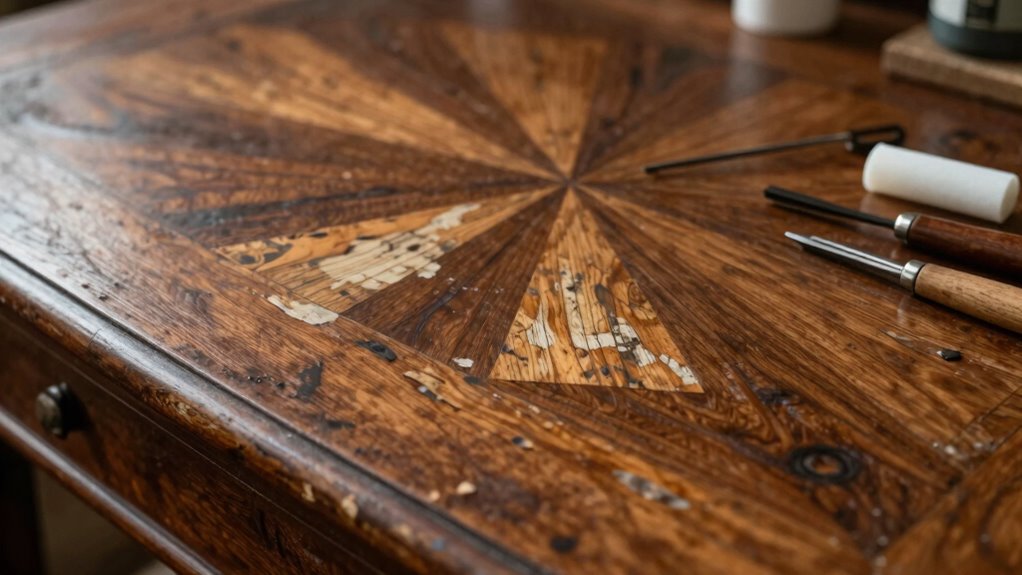
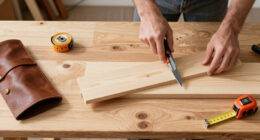
When you decide to tackle veneer repair, you’ll encounter various repair techniques. For minor scratches or chips, DIY methods like using wood filler or stain pens can work wonders. If a larger area is damaged, you might need to patch it. This involves carefully removing the damaged section and replacing it with a new piece of veneer, ideally matching the original grain. If you’re not confident in your skills, consider professional services. They can guarantee a seamless finish that keeps the piece’s integrity intact.
Restoration benefits extend beyond aesthetics; they can also increase the value of your furniture. A well-restored piece can become a focal point in your home or even a treasured heirloom. However, it’s crucial to weigh cost considerations. Hiring professionals can be pricey, but their expertise often saves you from making costly mistakes. If you’re on a budget, you might find that some DIY methods not only save money but also provide a satisfying project that enhances your skills. Additionally, understanding the historical context of your piece can also guide your repair decisions. Gaining knowledge about the age and style of your furniture can help you choose the most appropriate restoration techniques.
Research into the original materials used in furniture construction can provide valuable insights that influence your repair choices. The historical context of your piece can also guide your repair decisions. If it’s a rare find, preserving its authenticity becomes paramount, and authenticity preservation can influence your approach. Knowing the materials used during its creation can help you select compatible repair methods and avoid further damage. Understanding the furniture’s era might influence your choices in materials and techniques. If you’re unsure about the historical context, research or consult with experts who can provide insights.
Ultimately, whether you patch, replace, or leave it alone depends on several factors: your skills, the piece’s value, and your budget. Embracing the challenge of veneer repair not only revives old furniture but also connects you with its history, making it a rewarding endeavor.
As an affiliate, we earn on qualifying purchases.
Frequently Asked Questions
How Can I Identify Different Types of Veneer?
To identify different veneer types, start by examining the grain patterns and colors. Look closely at the surface—real wood veneers often have unique variations, while synthetic veneers may appear more uniform. You can also check the edges; real wood typically shows a layered look. Research common veneer types like walnut, oak, or mahogany to familiarize yourself with their characteristics. Finally, consider using a magnifying glass to spot subtle details in the materials.
What Tools Are Essential for Veneer Repair?
For your veneer restoration techniques, you’ll need a few handy tools. Grab a utility knife for clean cuts, a small putty knife for smooth application, and a heat source like an iron for softening adhesives. Don’t forget clamps to hold everything in place! Common veneer materials, like walnut or oak, may require specific glues, so keep those on hand. With the right tools, you’ll breathe new life into your furniture effortlessly.
How Do I Prevent Veneer Damage in the Future?
To prevent veneer damage in the future, focus on preventive care and regular maintenance. Keep your furniture away from direct sunlight and humidity, as these can warp or fade the veneer. Use coasters and mats to protect surfaces from scratches and spills. Regularly dust and clean with a soft, damp cloth, avoiding harsh chemicals. By staying proactive, you’ll help preserve the integrity and beauty of your furniture for years to come.
Can I Use Modern Adhesives for Antique Veneers?
You can use modern adhesives on antique veneers, but you’ve got to choose wisely. “A stitch in time saves nine,” so make sure the adhesive types you select are compatible with the veneer. PVA and hide glue are often safe bets, as they offer flexibility and won’t damage the wood. Always test a small area first, ensuring it won’t compromise the veneer’s integrity or appearance. You’ll protect your antique while keeping it looking great!
When Should I Consult a Professional for Repairs?
You should consult a professional for repairs when your furniture shows significant damage, like deep cracks or extensive wear. A professional assessment can save you from costly mistakes and guarantee the restoration preserves the piece’s value. If you’re unsure about the repair cost or the best approach, getting expert advice is wise. Don’t hesitate to reach out; it could make all the difference in maintaining your antique’s integrity and beauty.
furniture wood filler and stain pen set
As an affiliate, we earn on qualifying purchases.
As an affiliate, we earn on qualifying purchases.
Conclusion
When it comes to veneer repair on old furniture, your approach depends on the piece’s condition and sentimental value. If you’ve got a family heirloom with a small veneer chip, patching it might preserve its charm and history. However, if it’s a modern piece with extensive damage, replacing the veneer could be wise. For instance, imagine reviving your grandmother’s cherished side table—repairing its veneer could keep those memories alive, while a full replacement might erase its story.
professional furniture veneer replacement service
As an affiliate, we earn on qualifying purchases.
As an affiliate, we earn on qualifying purchases.
As an affiliate, we earn on qualifying purchases.
Fall yard work Picks
leaf blowers
As an affiliate, we earn on qualifying purchases.