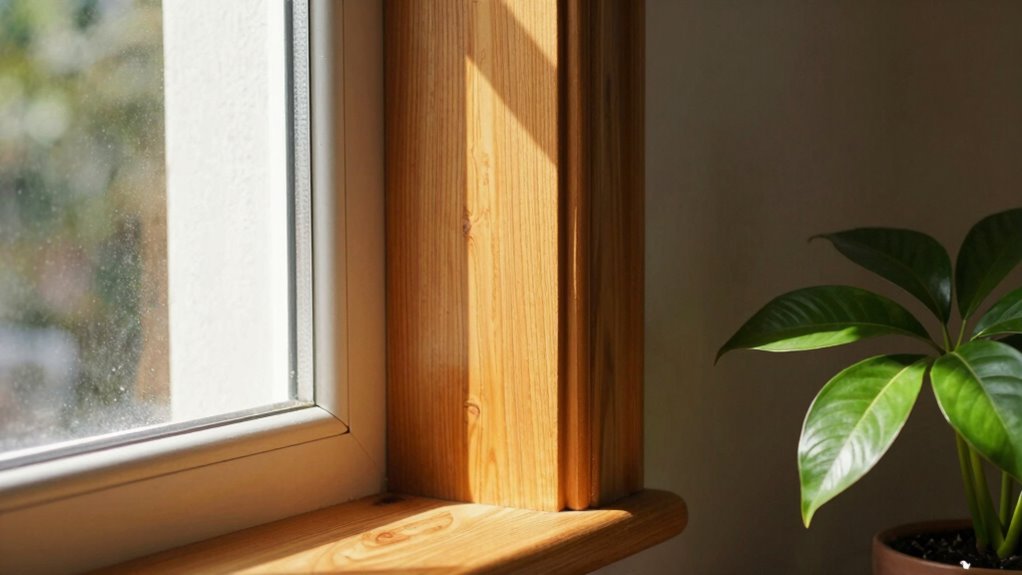
UV damage indoors can fade your wood furniture faster than you think. Sunlight easily penetrates windows, even on cloudy days. This exposure speeds up the breakdown of wood finishes, making rich tones appear lighter and more washed out. Direct sunlight can greatly affect the color over time, so it’s essential to minimize that exposure. By taking some proactive measures, you can help preserve the beauty of your wood pieces. Want to know more about how to protect them?
Key Takeaways
- UV rays penetrate windows, causing gradual but significant fading of wood finishes indoors, even on cloudy days.
- Sunlight accelerates the breakdown of wood finishes, leading to lighter and bleached tones over time.
- Quality wood finishes, such as varnishes and polyurethane, provide better UV protection than lower-quality options.
- Regularly rotating furniture and using UV-blocking window treatments can help minimize uneven color changes.
- Proactive maintenance, including cleaning and reapplication of finishes, extends the life and appearance of wood furniture.
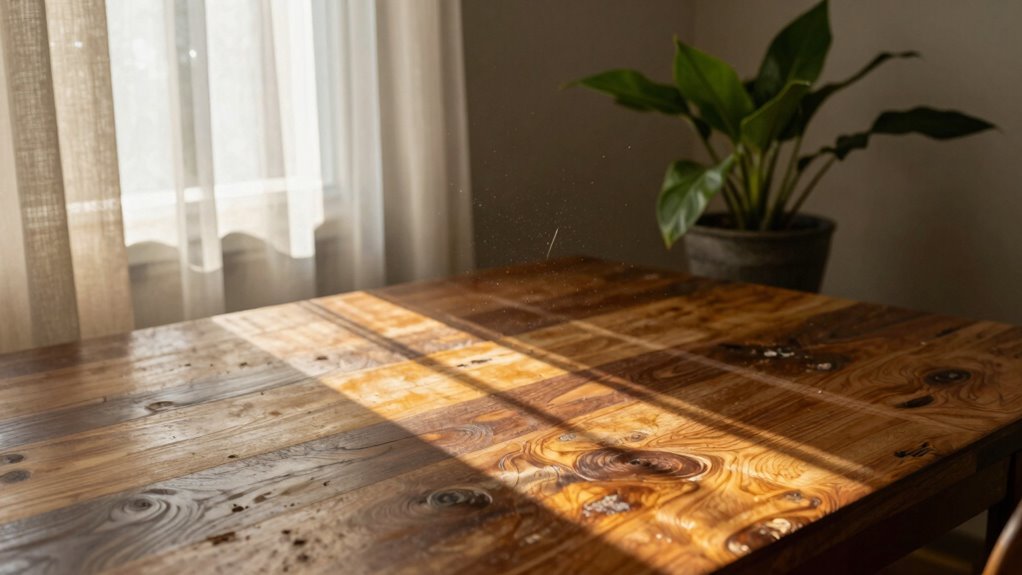
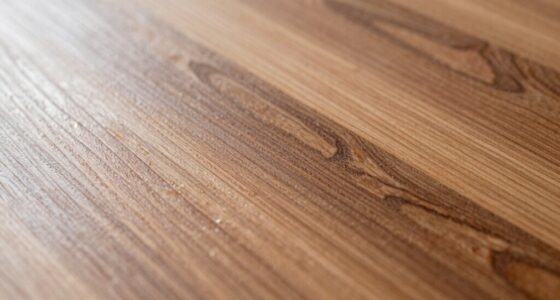
While you might think UV damage only occurs outdoors, it can also affect your indoor spaces. Many people underestimate the impact that sunlight streaming through windows can have on furniture, especially those made of wood. You might not realize that even on cloudy days, UV rays can penetrate windows, leading to gradual changes in color and finish. This slow degradation can be particularly noticeable on furniture, where rich wood finishes might fade or change hue over time.
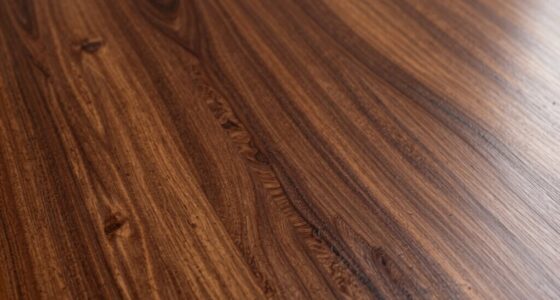
When sunlight hits your wood furniture, it accelerates the breakdown of its finish. The natural oils in the wood can oxidize, leading to a lighter, bleached-out appearance. You may love the deep, warm tones of your walnut table, but if it sits in direct sunlight, you could find it looking washed out before you know it. It’s vital to think about furniture preservation in these terms. If you want to maintain the beauty of your wood pieces, you need to take steps to minimize UV exposure.
Sunlight can quickly fade the rich tones of your wood furniture, making it essential to minimize UV exposure for lasting beauty.
One effective strategy is to use UV-blocking window treatments. Blinds, shades, or films can greatly reduce the amount of harmful rays that enter your space. By filtering out UV light, you’re protecting your wood finishes from fading. You might also consider rearranging your furniture periodically, allowing pieces that usually sit in direct sunlight to take a break. This simple rotation can help maintain an even color across your wood surfaces. Additionally, preventive care can make a significant difference in maintaining your furniture’s appearance long-term.
Another important aspect of furniture preservation is applying quality wood finishes. Not all finishes offer the same level of UV protection. Some products, like varnishes or polyurethane, can provide a barrier against UV rays, slowing the fading process. It’s worth investing in high-quality finishes that are specifically designed to withstand sunlight. Regularly reapplying these finishes will help preserve the original color and texture of your wood furniture. Additionally, choosing UV-resistant finishes can significantly extend the life of your wood surfaces. Ensuring proper application techniques can further enhance their protective qualities.
Finally, don’t forget about maintenance. Dust and dirt can accumulate on surfaces, making the fading more noticeable. Regular cleaning not only keeps your furniture looking its best but also allows you to spot any changes in color earlier. Additionally, using indoor air quality solutions such as air purifiers can help prevent the buildup of particles that might accelerate surface deterioration. By taking preventive measures and investing in quality finishes, you can greatly prolong the life and beauty of your indoor wood furniture. So, be proactive—protect your pieces from the sun’s sneaky rays, and enjoy their natural beauty for years to come.
UV protection window film for furniture
As an affiliate, we earn on qualifying purchases.
As an affiliate, we earn on qualifying purchases.
Frequently Asked Questions
How Can I Protect My Wood Furniture From UV Damage?
To protect your wood furniture from UV damage, start by adjusting your furniture placement. Keep pieces away from direct sunlight to minimize exposure. Consider using window treatments like UV-filtering shades or curtains to block harmful rays. You can also apply a protective finish or use furniture covers when not in use. Regularly rotating your furniture can help guarantee even fading, maintaining its beauty for years to come.
Does UV Exposure Affect Wood Species Differently?
Yes, UV exposure affects wood species differently. Some species, like oak and maple, are more sensitive to UV exposure effects, leading to quicker color changes. Others, such as mahogany and cherry, tend to resist fading better. You’ll notice that the lighter woods might yellow or darken faster, while darker woods maintain their color longer. To protect your furniture, consider using UV-blocking finishes or placing them away from direct sunlight.
Can UV Damage Be Reversed Once It Occurs?
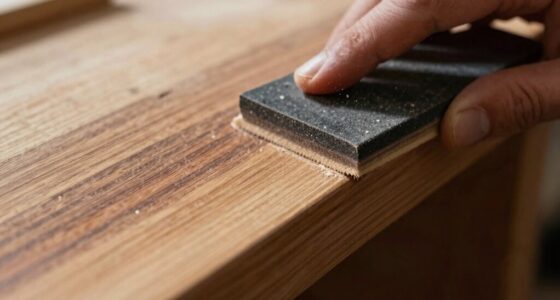
No, UV damage can’t be fully reversed once it occurs, but you can mitigate its effects. You should consider restoration techniques like sanding down the affected area and applying a wood finish to restore some color and luster. For damage prevention, using UV-blocking window films or placing furniture away from direct sunlight helps keep your wood looking its best. Regular maintenance also prolongs the life and appearance of your wooden surfaces.
What Types of Finishes Offer UV Protection for Wood?
To protect wood from UV damage, consider using finishes like oil finishes and water-based finishes that contain UV blockers. Varnish types, such as polyurethane, offer strong protection, while wood stains with UV inhibitors can also help maintain color. Clear coats are excellent for adding a barrier against sunlight. By choosing the right combination, you can greatly reduce the risk of fading and guarantee your wood stays vibrant for longer.
How Long Does It Take for UV Damage to Become Noticeable?
You might think your wood’s safe indoors, but sunlight exposure can surprise you. Generally, you’ll start noticing color fading within a few weeks of consistent exposure. Even if you don’t see immediate changes, the subtle shifts can accumulate quickly, leaving your finishes looking dull over time. To protect your wood, consider using UV-resistant finishes or window treatments. After all, preventing damage is always better than dealing with the consequences later.
As an affiliate, we earn on qualifying purchases.
Conclusion
To sum up, UV damage indoors can sneak up on you, altering your wood’s color faster than you think. For instance, imagine a beautiful oak dining table that’s been basking in sunlight for years. Over time, it shifts from a warm honey tone to a dull gray, drastically changing your space’s vibe. By using window treatments or choosing UV-resistant finishes, you can preserve that rich color and keep your home looking vibrant for years to come.
wood furniture UV resistant finish
As an affiliate, we earn on qualifying purchases.
As an affiliate, we earn on qualifying purchases.
polyurethane varnish for wood protection
As an affiliate, we earn on qualifying purchases.
As an affiliate, we earn on qualifying purchases.