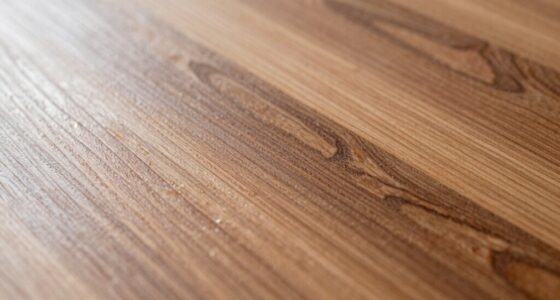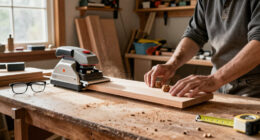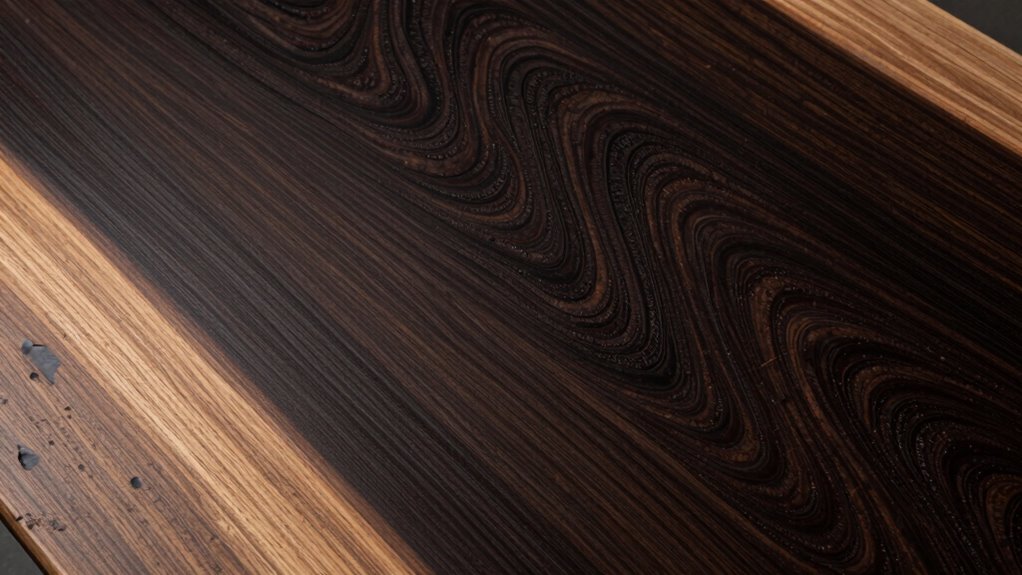
When you ebonize wood, the results can vary dramatically based on the species. Hardwoods like oak and walnut absorb dyes effectively, yielding rich, dark finishes. Softer woods might end up muddy and uneven due to their grain structure. Natural dyes, especially the vinegar and steel wool method, also play a significant role in the outcome. Choosing the right wood and application method is essential, so you’ll want to explore more about how to achieve that perfect finish.

Get business pricing on tools and workshop supplies
- Business-only prices and quantity discounts
- Tax-exempt purchasing
- Multiple users, one account, clear invoices
Key Takeaways
- Hardwoods like oak and walnut absorb dyes better, resulting in richer, dramatic finishes compared to softer woods that may appear muddy.
- Wood species selection is crucial; some species naturally yield deeper tones, while others may dilute the dye effect.
- The chemical reaction of vinegar and steel wool varies by wood type, influencing the final color outcome significantly.
- Application techniques matter; methods like brushing or spraying provide more even coverage than wipe-on techniques, impacting the richness of the finish.
- Proper finishing methods, such as using matte or satin topcoats, enhance the ebonized effect and preserve the wood’s natural beauty.
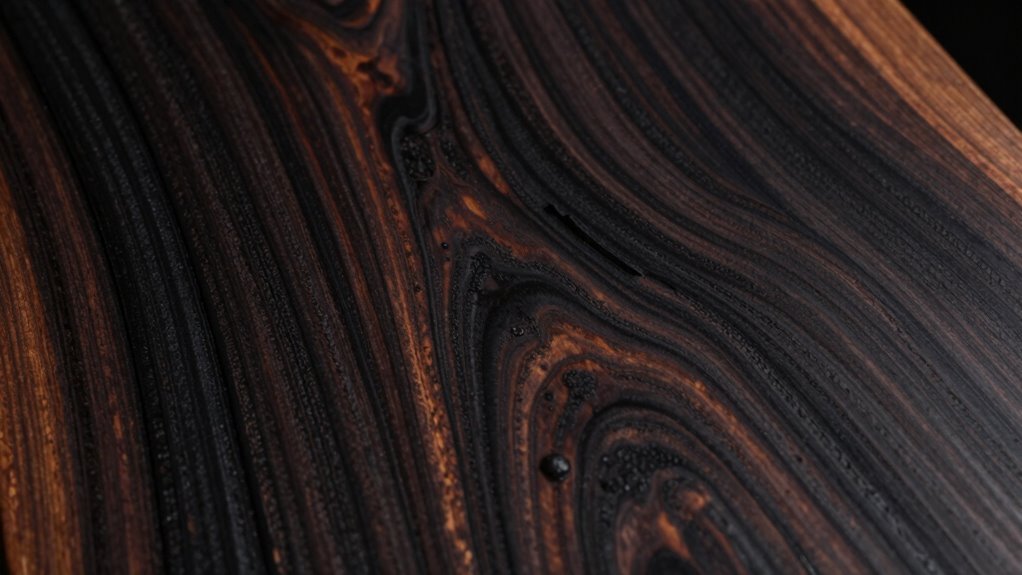
Ebonizing wood can transform ordinary pieces into striking, dark finishes that evoke elegance and sophistication. You might be surprised at how different wood species react to ebonizing techniques, leading some to achieve a rich, deep hue while others end up looking muddy or dull. This variation often boils down to species selection and the specific wood treatment you choose.
When you start ebonizing, it’s crucial to take into account the species of wood you’re working with. Hardwoods like oak, walnut, and cherry typically absorb dyes more effectively than softwoods. Their dense grain allows for a more uniform color application, creating that dramatic effect you’re aiming for. Softer woods, on the other hand, may not take the dye as well, resulting in an uneven finish that lacks the sophistication you want. You’ll notice that certain species naturally lend themselves to deeper, richer tones after the ebonizing process.
Natural dyes can play a significant role in the final appearance of your project. If you opt for something like vinegar and steel wool, you’ll create a chemical reaction that darkens the wood, but not all woods respond equally to this method. Some may turn a lovely ebony hue, while others might come out looking more like a muddy brown. Experimenting with various natural dyes can help you find the right match for your specific wood type and desired outcome.
Application techniques also matter. A simple wipe-on method might work for some projects, but if you want to guarantee even coverage, think about using a brush or spray application. This can help you achieve the rich, dark finish you envision. Be mindful of the wood’s grain direction, as this can affect how the dye settles and appears once it dries. Additionally, understanding the wood’s grain structure can help you better control the dye application and final appearance.
Finally, finishing methods can enhance or detract from your ebonized wood. After ebonizing, applying a clear topcoat can help protect the finish and enhance its depth. You want to preserve the elegance you’ve achieved while maintaining durability. A matte or satin finish often works best, as high-gloss can detract from the natural beauty of the wood.
As an affiliate, we earn on qualifying purchases.
Frequently Asked Questions
Can Ebonizing Wood Damage the Wood’s Structural Integrity?
Ebonizing wood doesn’t usually damage its structural integrity if you use the right techniques. However, certain wood properties can influence the outcome. If you apply ebonizing techniques too aggressively or with harsh chemicals, you might weaken the fibers. Always test on a small area first to ascertain the wood responds well. With proper care, ebonizing can enhance your project without compromising strength. So, choose your wood and technique wisely!
How Long Does the Ebonizing Process Typically Take?
The ebonizing process typically takes a few hours to a couple of days, depending on the wood type and ebonizing techniques you use. You’ll notice natural variations in color and finish, which can affect the overall timeline. If you’re applying multiple coats or letting the solution soak in longer, it might take a bit more time. Just keep an eye on the wood’s response to guarantee you achieve the desired results.
Are There Non-Toxic Ebonizing Options Available?
Absolutely, you’ve got some great options! Natural alternatives like vinegar and steel wool can create stunning ebonized effects without toxic chemicals. By using these simple ebonizing techniques, you not only protect your health but also embrace sustainability. Imagine transforming your wood with just a few household items—it’s like magic! So, immerse yourself in these eco-friendly methods, and you’ll achieve that rich, dark finish while keeping your workspace safe and enjoyable.
What Tools Are Needed for Ebonizing Wood at Home?
To ebonize wood at home, you’ll need a few key tools. Start with sandpaper for proper wood preparation, ensuring a smooth surface. Gather a brush or cloth for dye application, which helps achieve an even coat. You might also want gloves to protect your hands and a container for mixing the dye. Finally, having a sealant on hand will help protect your newly ebonized finish once it’s dried.
Can Ebonized Wood Be Refinished Later?
Yes, you can refinish ebonized wood later. When you do, consider using finishing techniques that enhance its rich color variations. Start by lightly sanding the surface to remove any imperfections or old finishes. After that, apply your chosen finish, like oil or polyurethane, to protect and deepen the color. Just remember, the ebonizing process might influence how the wood absorbs new finishes, so test on a small area first.
As an affiliate, we earn on qualifying purchases.
Conclusion
To sum up, ebonizing wood can transform your projects dramatically, but not all species respond the same way. Did you know that only about 10% of hardwoods can achieve that deep, rich black finish? By understanding the differences in wood species, you can choose the right one for your ebonizing journey. So, whether you’re going for a striking look or a subtle touch, the right choice can make all the difference in your finished piece.
wood stain spray for dark finish
As an affiliate, we earn on qualifying purchases.
As an affiliate, we earn on qualifying purchases.
As an affiliate, we earn on qualifying purchases.
Fall Picks
fall essentials
As an affiliate, we earn on qualifying purchases.