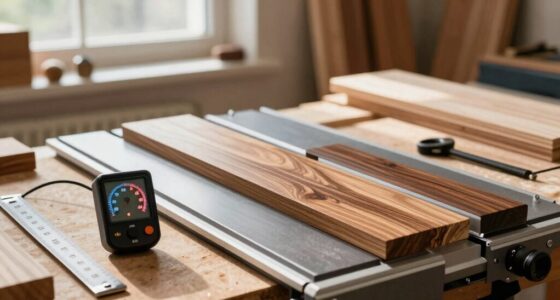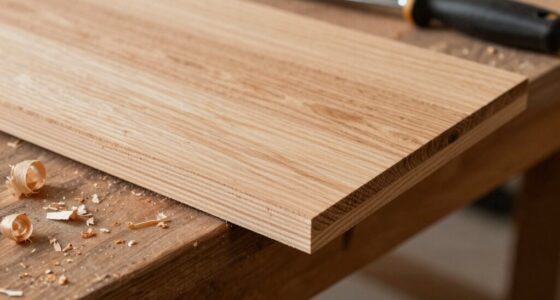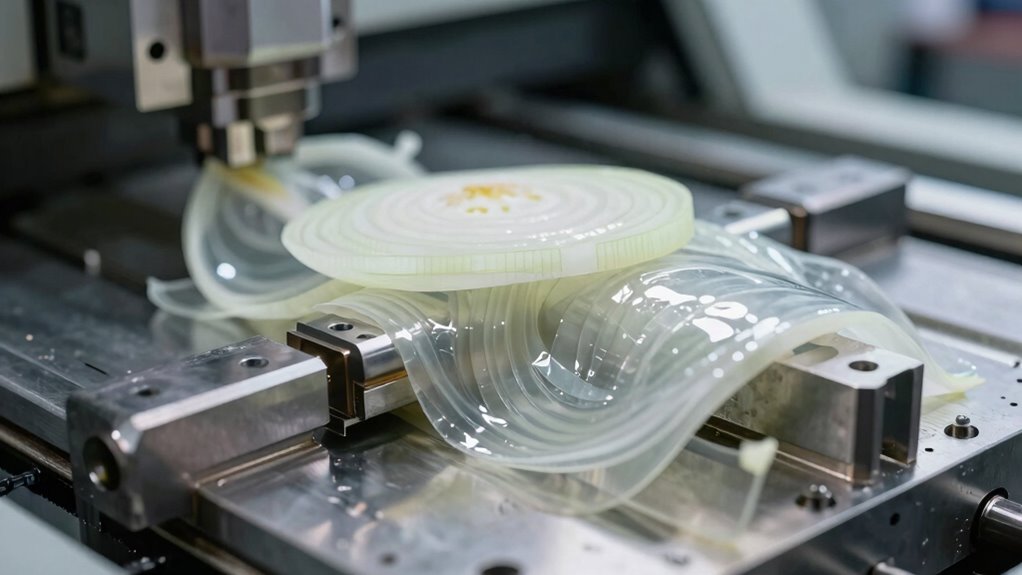

Onion skinning is a CNC strategy that enhances your production efficiency by keeping parts securely attached during machining. By focusing on the last few layers of material, you minimize the risk of parts flying loose and reduce costly rework. It requires careful tool path planning and appropriate material selection for maximum results. Plus, managing the depth of cuts can save you time and resources. Stick around to discover more benefits and tips for implementing this approach.

Get business pricing on tools and workshop supplies
- Business-only prices and quantity discounts
- Tax-exempt purchasing
- Multiple users, one account, clear invoices
Key Takeaways
- Onion skinning improves manufacturing efficiency by securely holding parts until the final cuts, preventing them from flying loose during machining.
- Precision tool path design is essential for maintaining part stability and optimizing machining outcomes in onion skinning processes.
- Choosing the right materials that can withstand machining stresses enhances the effectiveness of onion skinning while reducing tool wear.
- Incrementally managing the depth of cuts creates a controlled machining environment, minimizing the risk of parts detaching.
- Conducting trials before production helps identify the best materials and tool paths, maximizing the benefits of onion skinning.
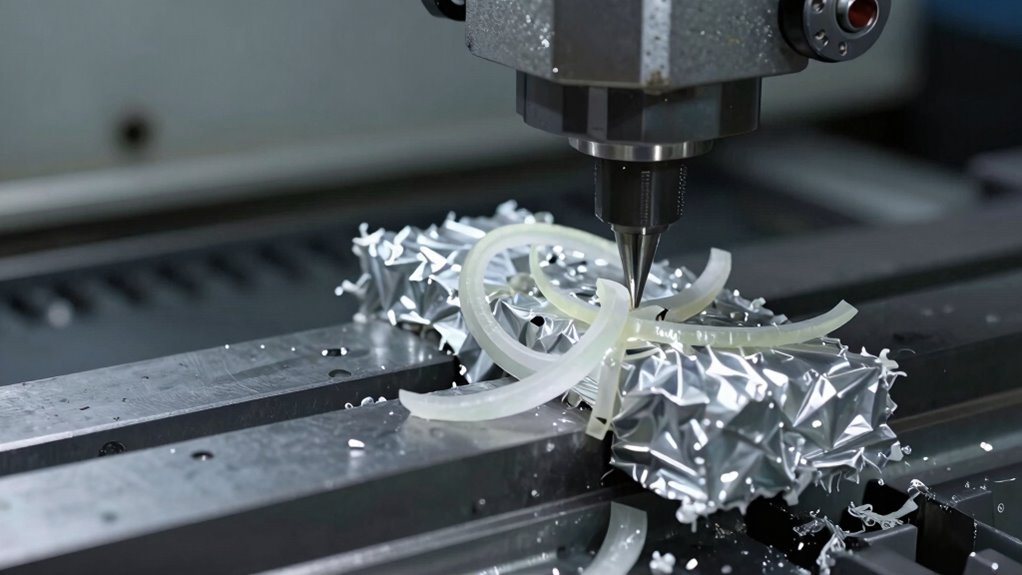
In today’s manufacturing landscape, mastering the onion skinning CNC strategy can elevate your production efficiency. This technique minimizes the chances of parts flying loose during the machining process, which can lead to costly rework and wasted materials. By carefully controlling the way you cut through material layers, you guarantee that your parts remain securely attached until the very last moment.
When you implement onion skinning, you’re focusing on the last few layers of material that hold your piece in place. This approach requires precision in both tool path design and material selection. You’ll want to choose materials that can withstand the stresses of machining while also being suitable for your specific application. For instance, if you’re working with a softer material, the onion skinning technique might allow you to avoid excessive tool wear while achieving a clean finish.
As you plan your tool path, reflect on how you can best utilize the onion skinning method. By keeping the final layers intact, you create a stable environment for your cutting tools. This stability can lead to improved accuracy and a better overall finish on your parts. Make sure to adjust your feed rates and spindle speeds according to the material type you’re using. An optimized tool path can make all the difference in achieving the desired results. Additionally, understanding the material properties involved can help you select the most suitable materials for your application, ensuring optimal results.
Another important aspect to evaluate is the depth of your cuts. By incrementally reducing the thickness of the layers you’re removing, you can create a more controlled environment for your machining operations. This not only helps keep your parts from flying loose but also reduces the risk of damaging your machine or tooling. You’ll find that a well-thought-out approach to depth can save you time and resources in the long run. Incorporating precision in tool path design can further enhance your control over the process and outcomes.
Finally, don’t underestimate the importance of testing your setup before diving into production runs. Conducting trials can help you identify the best material selection and tool path adjustments for your specific needs. Fine-tuning these elements guarantees that you’re maximizing the benefits of the onion skinning CNC strategy.
CNC machining onion skinning tools
As an affiliate, we earn on qualifying purchases.
As an affiliate, we earn on qualifying purchases.
Frequently Asked Questions
What Materials Are Best Suited for Onion Skinning?
For onion skinning, materials with high rigidity and low thermal expansion are best. Metals like aluminum and certain alloys work well due to their excellent material properties and machining efficiency. You’ll find that softer materials, such as plastics, can also be effective in specific applications, but they might not provide the same stability. Selecting the right material guarantees your parts stay securely in place during machining, enhancing overall performance.
How Does Onion Skinning Affect Machining Time?
Onion skinning greatly boosts machining efficiency by enhancing part stability during the process. When you apply this technique, it helps secure the parts, reducing vibrations and movement. As a result, you’ll notice fewer errors and reworks, which saves time. This improved stability allows for faster machining cycles, letting you complete projects more efficiently. Overall, using onion skinning can lead to quicker turnarounds while maintaining high-quality results.
Can Onion Skinning Be Automated?
Yes, onion skinning can be automated using advanced CNC technology. In fact, studies show that automating processes can reduce machining time by up to 30%. By integrating sensors and software, you can enhance precision and efficiency, ensuring parts stay secure during the machining process. This not only minimizes manual intervention but also boosts overall productivity, allowing you to focus on other critical tasks while the CNC system handles the onion skinning seamlessly.
What Are the Cost Implications of Using Onion Skinning?
Using onion skinning can have significant cost implications. You’ll find that a thorough cost analysis reveals both upfront investments and long-term savings. By reducing material waste, you’ll achieve notable material savings, which can offset initial expenses. Additionally, the technique minimizes the risk of part loss during production, further enhancing your overall efficiency. Ultimately, embracing onion skinning can lead to a more cost-effective manufacturing process in the long run.
Are There Alternative Strategies to Onion Skinning?
Yes, there are alternative techniques to onion skinning. You could explore strategies like using fixtures or clamps to secure parts during machining. These methods also have their benefits, such as reducing setup time and increasing stability. While onion skinning offers advantages like minimizing material waste and ensuring precision, alternative techniques can enhance efficiency and safety. It’s essential to weigh these options based on your specific project needs and cost considerations.
clamping fixtures for CNC machining
As an affiliate, we earn on qualifying purchases.
As an affiliate, we earn on qualifying purchases.
Conclusion
Incorporating onion skinning into your CNC strategy isn’t just about precision; it’s about keeping your creations intact, like a knight guarding his castle. By preventing parts from flying loose, you guarantee every piece remains part of the whole, making your craftsmanship shine. Embracing this technique not only elevates your work but also gives you peace of mind, knowing that your hard work won’t be lost to the chaos of the machine. Stay sharp, and keep your projects safe!
precision CNC tool path software
As an affiliate, we earn on qualifying purchases.
As an affiliate, we earn on qualifying purchases.
material selection for CNC machining
As an affiliate, we earn on qualifying purchases.
As an affiliate, we earn on qualifying purchases.
Fall Picks
fall essentials
As an affiliate, we earn on qualifying purchases.