
When choosing between twin tenons and a single wide tenon, you should consider joint stability and load distribution. Twin tenons distribute the load across two points, enhancing stability and reducing the risk of failure, especially in heavy applications. In comparison, a single wide tenon simplifies construction but may place excessive stress on one joint. Balancing strength and aesthetics is key. Stick around, and you’ll uncover more insights about selecting the right joint for your project.

Get business pricing on tools and workshop supplies
- Business-only prices and quantity discounts
- Tax-exempt purchasing
- Multiple users, one account, clear invoices
Key Takeaways
- Twin tenons enhance joint stability by distributing load across two points, reducing the risk of failure under heavy weight.
- A single wide tenon simplifies construction and fitting, making assembly quicker and easier, but may compromise load distribution.
- Load distribution is crucial; twin tenons share stress evenly, while a single tenon bears all the load, increasing failure risk.
- Material properties significantly affect joint performance; understanding wood movement and environmental influences is essential for durability.
- Aesthetic choices matter; twin tenons add complexity, while a single wide tenon offers a cleaner, minimalist look in design.
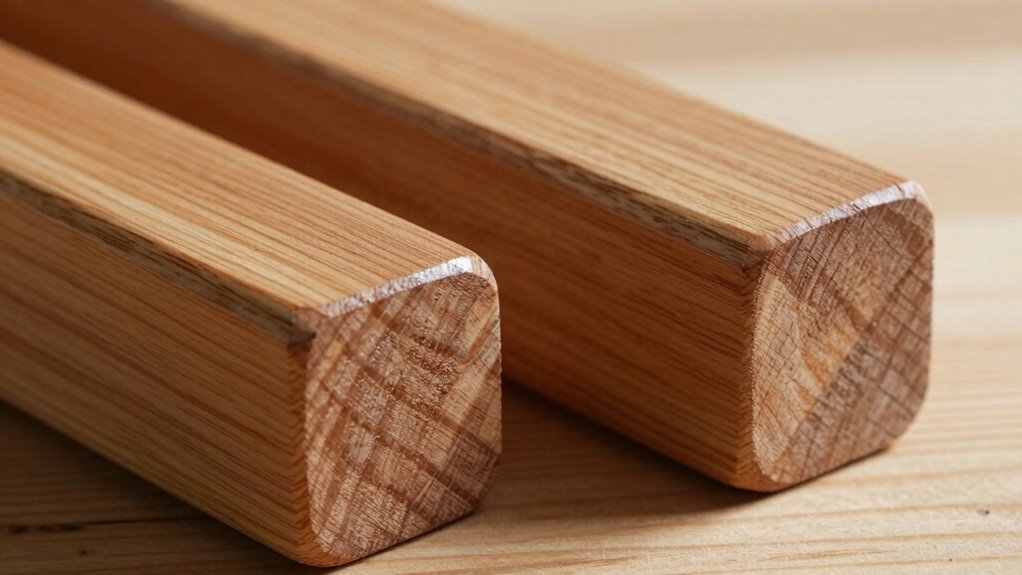
When it comes to joinery, choosing between twin tenons and one wide tenon can make a notable difference in your project’s strength and aesthetics. You might not realize it, but this choice impacts not just how your piece looks, but also how it performs under stress. Understanding the nuances of joint stability and load distribution is vital if you want your project to stand the test of time.
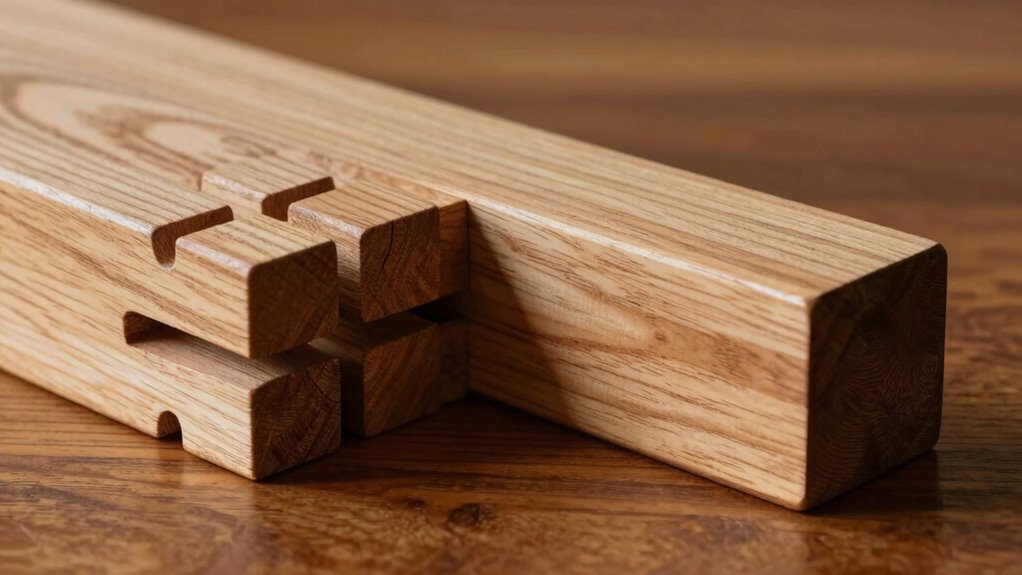
With twin tenons, you’re fundamentally splitting the load between two points. This can enhance joint stability, especially in wider or heavier applications. You might also consider how load sharing can improve overall joint performance, which is a key advantage of twin tenons. When you apply pressure, each tenon bears part of the load, reducing the risk of failure. If you’re building a table that needs to support considerable weight, twin tenons can provide that extra bit of reassurance. You won’t just be relying on one tenon to hold everything together; instead, you’ve got two working in tandem, which can greatly improve the overall durability of your joint.
Twin tenons enhance joint stability by distributing the load, making them ideal for heavier applications like tables that need extra reassurance.
On the other hand, a single wide tenon simplifies the construction process. It’s easier to fit into a mortise, and depending on your design, it can create a clean, streamlined look. However, you’ll want to take into account how that impacts load distribution. A wide tenon may seem robust, but it places all the stress on one joint. Depending on how much weight you expect the joint to handle, this could lead to issues down the line. If there’s any movement in the wood due to humidity changes or temperature shifts, that single point of stress could become a weak link. It’s also important to consider how material properties influence joint performance and longevity. Additionally, understanding wood movement is crucial in designing joints that can withstand environmental changes over time.
Choosing between these two options often boils down to the specific demands of your project. If you’re aiming for maximum strength and resilience, especially in furniture that needs to endure daily use, twin tenons are hard to beat. They provide that key joint stability and guarantee even load distribution. However, if you’re working on a lighter project or focusing on aesthetics, a single wide tenon may be sufficient.
Ultimately, both methods have their merits. Your decision should align with the intended use of your piece and your aesthetic preferences. By weighing the pros and cons, you can make an informed choice that enhances both the functionality and beauty of your work. Remember, every detail counts in joinery, and the right tenon can elevate your project to the next level. Understanding joint stability and how different joinery techniques influence it can help you make more informed decisions for durable and beautiful craftsmanship.
As an affiliate, we earn on qualifying purchases.
Frequently Asked Questions
What Materials Work Best for Twin Tenons or Wide Tenons?
For both twin tenons and wide tenons, hardwoods like oak, maple, and cherry work best due to their durability and joint strength. These wood types resist splitting and provide excellent support for your joints. You’ll want to avoid softer woods like pine, which can compromise the strength of your joints. Ultimately, choosing the right wood will enhance the overall stability and longevity of your project, ensuring it withstands the test of time.
How Do I Choose Between Twin Tenons and Wide Tenons for My Project?
To choose between twin tenons and wide tenons, consider your design and joint strength. Twin tenons offer better distribution of stress, making them ideal for heavier loads or intricate designs. If you’re working with wider joints or need a simpler assembly, wide tenons might be your best bet. Always factor in the materials and the overall aesthetic of your project, as these elements can influence your decision considerably.
Are Twin Tenons More Difficult to Create Than Wide Tenons?
Oh, you’d think twin tenons are a breeze, right? Well, they actually require precise cutting techniques, making them trickier than wide tenons. While you might save time with a single cut for a wide tenon, the stability you gain from twin tenons can be worth the extra effort. It’s all about balancing ease with joint stability. So, if you’re up for a challenge, twin tenons could be your secret weapon!
What Tools Are Needed for Making Twin Tenons Versus Wide Tenons?
For making twin tenons, you’ll need a table saw or hand saw for precise cuts, plus a chisel for joint preparation. A mortising machine or router can help with the mortises. When working with a wide tenon, the same tools apply, but you might prefer a wider chisel for joint preparation. Ultimately, your tool selection depends on the accuracy you want and the details of your project. Choose wisely for the best results!
How Do Environmental Factors Affect the Durability of Tenons?
Environmental factors like moisture levels and temperature fluctuations can seriously impact tenon durability. You might think that any tenon would hold up, but changes in humidity can cause wood to expand or contract, weakening joints over time. If you’re using tenons in fluctuating climates, consider using materials that resist warping or swelling. By paying attention to these factors, you can guarantee your tenons remain strong and reliable, no matter the conditions.
As an affiliate, we earn on qualifying purchases.
Conclusion
When it comes to choosing between twin tenons and one wide tenon, consider the strength beneath the surface. Twin tenons grip like a pair of steady hands, offering stability and resilience, while one wide tenon spreads its strength like a sturdy bridge across a river. Ultimately, your choice shapes not just the joint, but the entire piece’s future. So, which path will you take: the dual embrace of twin tenons or the broad support of a single tenon?
As an affiliate, we earn on qualifying purchases.
As an affiliate, we earn on qualifying purchases.
Fall yard work Picks
leaf blowers
As an affiliate, we earn on qualifying purchases.