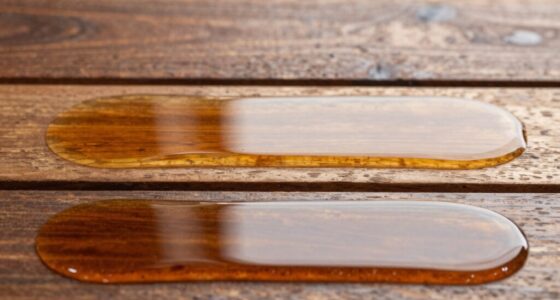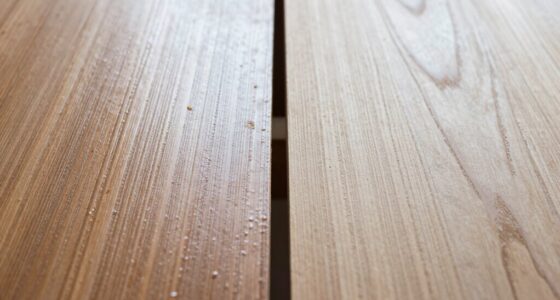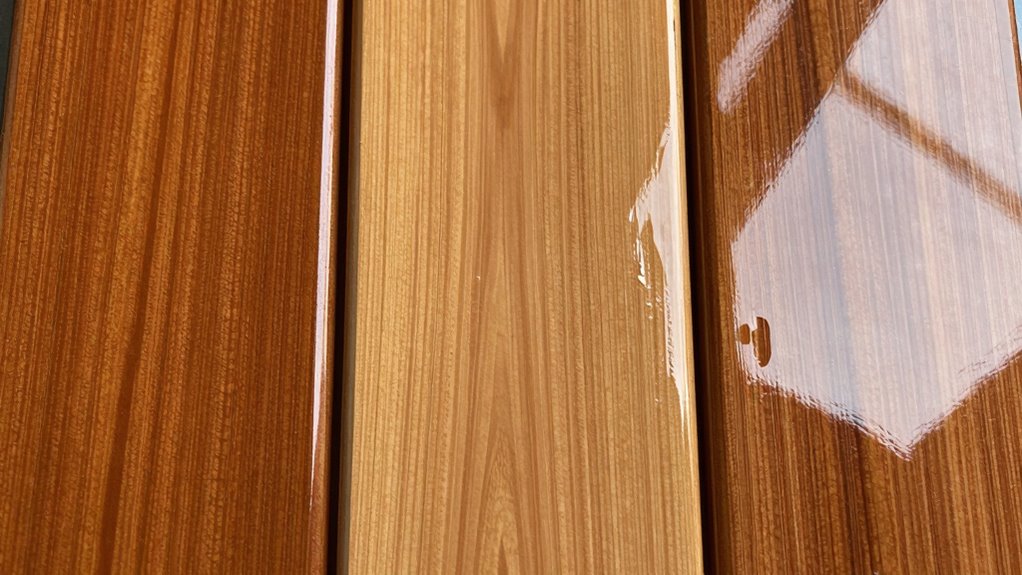
Protection in wood finishes means creating a durable barrier that shields your surface from damage while highlighting its natural beauty. Oil penetrates deeply, emphasizing grain but offers minimal water and scratch resistance. Varnish provides a glossy, visible coating that resists wear, while polyurethane offers a tough, long-lasting surface perfect for high-traffic areas. Understanding these differences helps you choose the best option for your project, with tips to keep your wood protected over time.
Key Takeaways
- Oil enhances natural appearance but offers minimal resistance to water, scratches, and stains, requiring frequent reapplications.
- Varnish provides a glossy, protective layer with good durability, but may develop a slight amber tint over time.
- Polyurethane delivers a highly durable, scratch-resistant surface suitable for high-traffic areas and demanding environments.
- Protection levels depend on the finish type, with polyurethane offering the highest resistance, followed by varnish, then oil.
- Proper application and maintenance are essential to maximize each finish’s protective benefits and extend wood surface longevity.

Howard Products Feed-N-Wax Wood Polish & Conditioner, 8 oz, Orange
Polishes all wood surfaces to a soft luster with a protective coating of Carnauba Wax and Beeswax
As an affiliate, we earn on qualifying purchases.
As an affiliate, we earn on qualifying purchases.
What Does ‘Protection’ Mean in Wood Finishes?
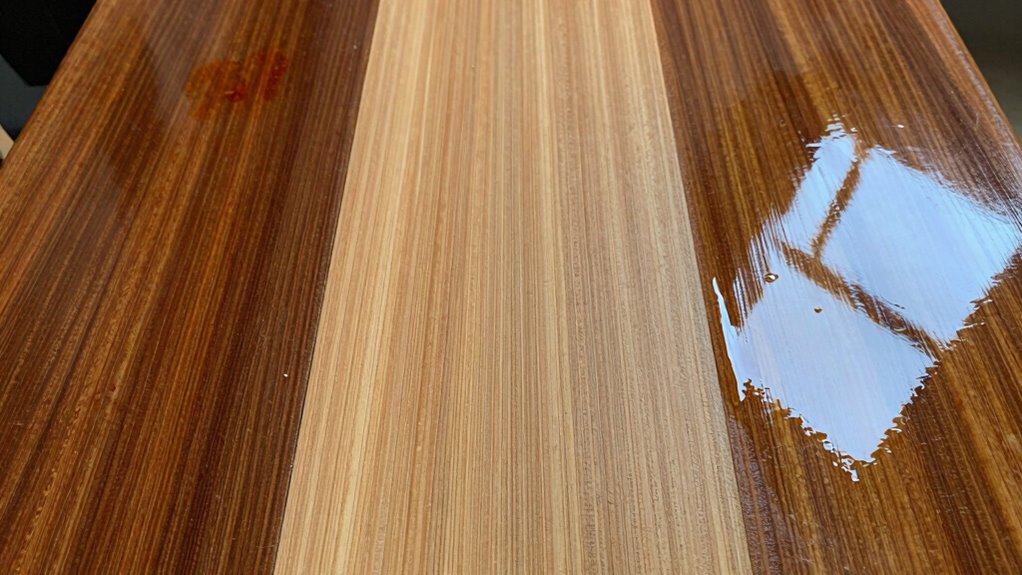
Protection in wood finishes refers to their ability to shield the wood surface from damage. When you choose a finish, you’re aiming to preserve the wood’s natural beauty, including its unique wood grain, while preventing scratches, stains, and moisture. Good protection also enhances the color of the wood, making it more vibrant and appealing. A durable finish forms a barrier that guards against everyday wear and tear, keeping your wood looking fresh longer. Whether it’s oil, varnish, or polyurethane, each provides a layer of defense that maintains the integrity of the surface. Understanding protection in this context helps you select the right finish to keep your wood beautiful, resilient, and visually striking over time. Additionally, contrast ratio plays a role in how well the finish maintains visual clarity and depth in your wood’s appearance. Recognizing the protective qualities of each type of finish can guide you toward the most suitable choice for your specific needs. To ensure maximum longevity, proper application and maintenance are essential components of effective wood protection.

Varathane Water-Based Crystal-Clear Ultimate Polyurethane | Interior Wood Protection | Fast Dry Time | Easy Clean Up | Satin | Half Pint
Protects indoor wood surfaces such as furniture, windows, cabinets, trim and more
As an affiliate, we earn on qualifying purchases.
As an affiliate, we earn on qualifying purchases.
How Oil Protects Wood: Benefits and Limitations
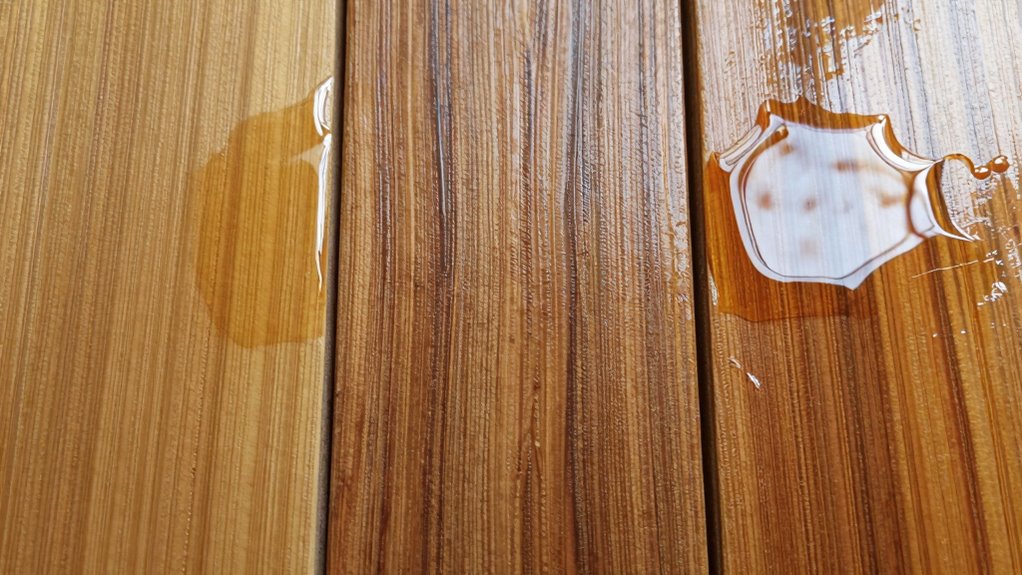
Oil penetrates deeply into the wood fibers, forming a natural barrier that enhances durability and appearance. This process highlights the wood grain, bringing out its unique patterns and character. When you apply oil, you preserve the natural look, maintaining the authentic beauty of the wood without creating a glossy surface.
Think of the oil’s benefits as:
- Enhancing the rich, tactile feel of the wood surface
- Providing easy maintenance with simple reapplication
- Allowing the wood to breathe, reducing the risk of cracking or peeling
However, oil’s protection has limitations. It offers minimal resistance to water, scratches, and stains, requiring frequent reapplications for sustained beauty. While it emphasizes the natural look, it doesn’t create a hard, durable finish like varnish or polyurethane.

Rust-Oleum 207008 Marine Spar Varnish, Quart
Ideal for use on exterior wood surfaces above the water line, including trim, railings and wood furniture
As an affiliate, we earn on qualifying purchases.
As an affiliate, we earn on qualifying purchases.
Varnish’s Durability and Appearance: What You Need to Know
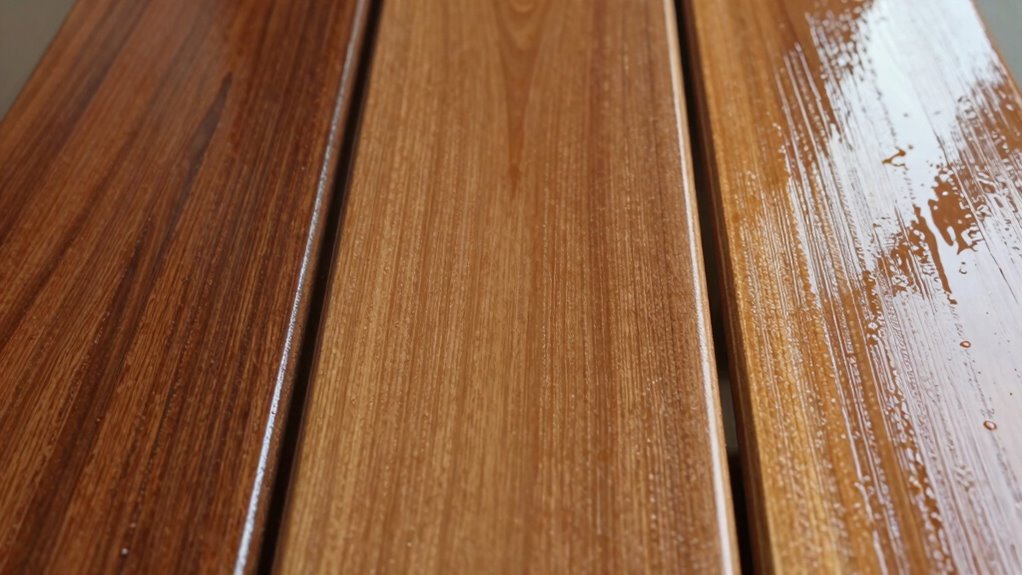
Varnish offers a clear, glossy finish that highlights wood’s natural beauty, but it can show scratches and wear over time. It’s generally durable, yet tough enough to resist everyday damage if properly maintained. Applying and maintaining varnish is straightforward, but understanding its longevity helps you decide if it’s the right choice for your project. Regular inspections and touch-ups can help maintain its protective qualities and appearance. Additionally, understanding visual cues can assist in recognizing when maintenance is needed. Being aware of water exposure is also important, as excessive contact with water can impact its protective layer over time. Moreover, knowing how coatings interact with environmental factors can influence the durability of your finish. For example, environmental humidity levels can accelerate wear or cause peeling, so monitoring conditions is beneficial. Proper environmental ventilation can also extend the lifespan of varnish by reducing moisture buildup.
Surface Appearance and Clarity
Ever wondered how different finishes affect the look of your wood project? Varnish offers a clear, glossy surface that enhances grain and highlights natural beauty. It provides excellent clarity, making the wood’s texture pop. With varnish, you can expect:
- A smooth, reflective finish that showcases intricate grain details
- Slight color alteration, enriching warm tones or deepening hues
- Enhanced grain enhancement, giving your piece a vibrant, three-dimensional look
While varnish adds a beautiful finish, its clarity can vary based on the formulation. Some may add a slight amber tint over time, influencing the true color of your wood. Overall, varnish’s appearance emphasizes natural beauty with a glossy, transparent layer that makes your project stand out. Additionally, understanding surface appearance and clarity can help you choose the right finish for your desired aesthetic. Surface clarity is also affected by application techniques and the number of coats applied, which can impact how transparent and glossy the final look appears. In addition, application method plays a crucial role in achieving the desired visual effect. Proper surface preparation and finishing techniques can significantly improve the clarity and overall look of the finished piece. Being mindful of drying time can also influence the final gloss and transparency of the finish.
Wear and Scratches Resistance
While varnish creates a beautiful, glossy finish that highlights your wood’s natural grain, its durability against wear and scratches can vary considerably. Varnish generally offers good abrasion resistance, helping it withstand everyday foot traffic and minor impacts. However, its scratch durability depends on the type of varnish used; oil-based varnishes tend to be more resistant to scratches than water-based ones. You might notice that over time, frequent contact or sharp objects can leave marks or dull the finish. To maintain its appearance, avoid dragging heavy or sharp items across the surface. Additionally, applying a protective topcoat can further enhance scratch resistance and prolong the lifespan of the varnish. While varnish provides decent protection against wear, it’s not completely scratch-proof. Regular care and prompt repairs can extend its lifespan, but for high-traffic areas, consider more durable options like polyurethane. Additionally, using protective accessories can help minimize surface damage and prolong the finish’s life.
Application and Maintenance Ease
Applying varnish is a straightforward process, but it requires careful preparation to guarantee a smooth, even finish. Your application techniques—using a high-quality brush or roller, applying thin coats, and sanding between layers—are essential for a professional look. Once dry, maintenance routines are simple but vital: keep the surface clean, avoid harsh chemicals, and reapply varnish when signs of wear appear. Imagine:
- Gently sanding the surface to remove rough spots
- Using a soft cloth for regular dusting
- Recoating with a light layer of varnish to restore shine
These steps help preserve the appearance and durability of the finish. Proper file organization and routine maintenance are key to ensuring your varnished surfaces stay protected and look their best over time. Additionally, understanding protective coating properties can help you select the right finish for your needs. Proper application techniques and routine maintenance, including understanding application and maintenance ease, can extend the life of your varnished surfaces, helping them stay beautiful and protected for years. Moreover, choosing the right type of varnish based on environmental exposure can significantly influence its longevity and performance. Regularly inspecting your finish and addressing small issues early can prevent costly repairs later and maintain its long-term durability.

Minwax Fast Drying Polyurethane Protective Wood Finish, Clear Semi-Gloss, 1 Quart
PROTECT WOOD SURFACES – Minwax Polyurethane Wood Finish protects interior projects like woodwork, furniture, floors and cabinets. The…
As an affiliate, we earn on qualifying purchases.
As an affiliate, we earn on qualifying purchases.
Polyurethane’s Strengths: When and Why to Use It
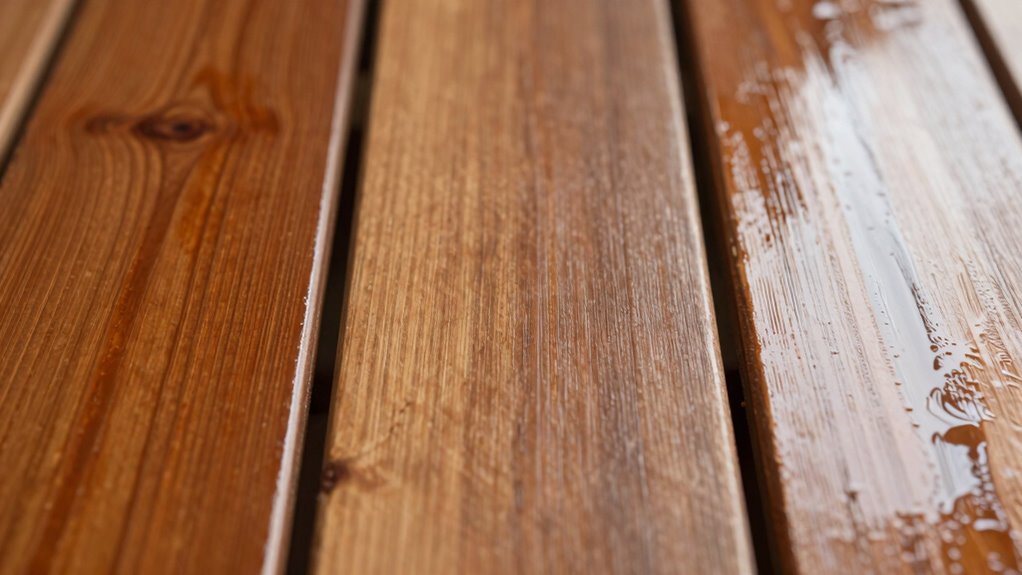
Polyurethane stands out as an excellent choice when you need a durable, long-lasting finish that resists scratches, water, and chemicals. It’s ideal for high-traffic surfaces like floors, tabletops, and cabinetry, where durability is key. Polyurethane also enhances wood grain, bringing out rich textures and natural beauty, making your wood look more vibrant. Additionally, it offers aesthetic variations—from clear, glossy coats that highlight wood features to matte finishes that provide a softer look. You should use polyurethane when you want a tough protective layer that withstands daily wear and tear, especially in busy or humid environments. Its ability to provide a resilient surface while accentuating natural wood features makes it a versatile choice for many woodworking projects. When selecting a polyurethane, consider performance factors that suit your project’s size and environment to ensure optimal protection and longevity. For example, choosing a product with the appropriate chemical resistance can significantly extend the lifespan of your finished piece in various conditions, especially in humid environments.
How to Choose the Best Finish for Your Protection Needs
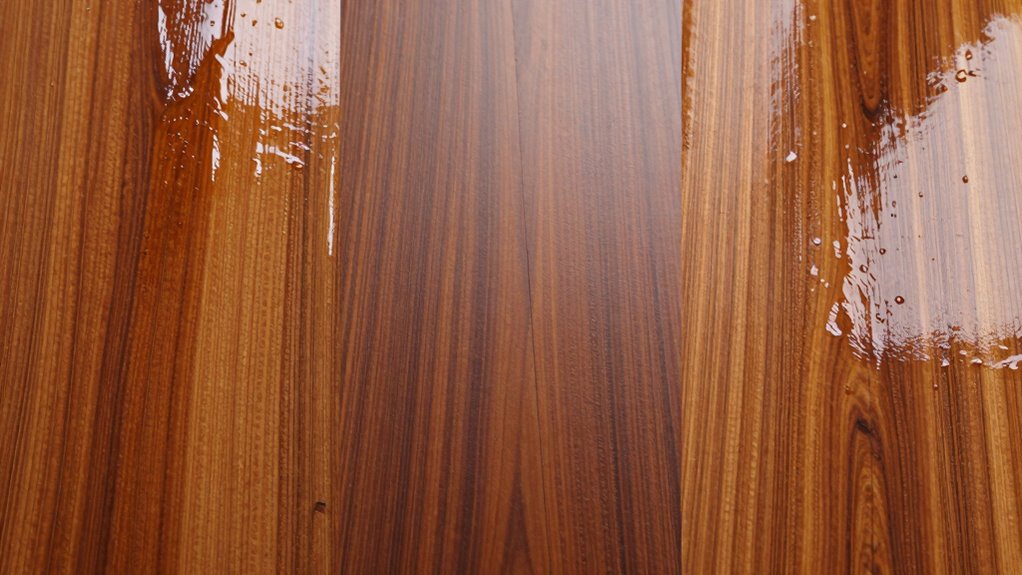
Choosing the right finish depends on your specific protection needs and the environment where your project will reside. To select the best option, consider how you want to preserve or enhance the wood’s natural qualities. For example, if you want to highlight the wood grain and boost color, an oil finish provides a warm, rich look. If durability and a glossy surface matter, polyurethane offers strong protection with a smooth, glass-like finish. Varnish may suit outdoor projects, blending protection with a subtle sheen. Visualize your project’s look and function:
- The natural flow of wood grain adding character
- Deep, vibrant color enhancement to make details pop
- A resilient coating that withstands wear and tear
Matching these visuals with your needs will help you choose the ideal finish.
Maintaining Your Finish to Keep Protecting Your Wood Over Time
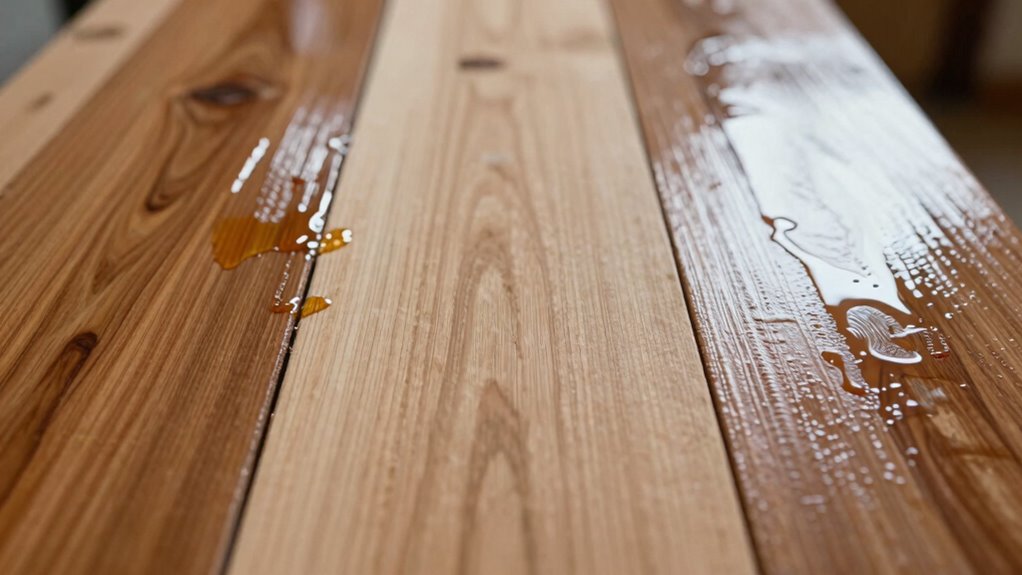
To keep your wood protected, you need to maintain your finish with regular cleaning and timely reapplications. Using the right techniques guarantees your surface stays durable and attractive over time. Additionally, taking precautions to prevent damage will extend the life of your finish and your wood.
Regular Cleaning Practices
Regular cleaning is essential for preserving your wood finish and ensuring its longevity. Establishing effective cleaning routines helps prevent dust buildup and surface damage. Focus on gentle dust removal with a soft cloth or microfiber duster that glides smoothly across the surface, lifting particles without scratching. Regularly wipe down your wood with a slightly damp cloth to remove dirt and grime, then dry immediately to avoid moisture damage. Visualize your cleaning process as:
- Gently sweeping away dust with a microfiber cloth
- Wiping surfaces with a damp cloth, then drying thoroughly
- Inspecting for spots or smudges and addressing them promptly
Consistent dust removal and careful cleaning maintain the integrity of your finish, whether oil, varnish, or polyurethane, keeping your wood looking its best over time.
Reapplication Timing and Method
Maintaining your wood finish requires timely reapplications to guarantee continued protection and aesthetic appeal. Knowing the right reapplication frequency helps prevent wear and damage. When it’s time for a touch-up, use proper techniques to blend repairs smoothly. Regular inspections reveal when your finish needs invigorating, often indicated by dullness or minor scratches. For oils, reapply every few months; varnish or polyurethane may last longer but still benefit from periodic touch-ups. Here’s a quick guide:
| Finish Type | Reapplication Frequency | Touch Up Techniques |
|---|---|---|
| Oil | Every 2-3 months | Reapply thin coats, buff lightly |
| Varnish | Annually or as needed | Light sanding, touch-up coats |
| Polyurethane | Every 1-2 years | Spot sanding, recoat thinly |
| Blended Repairs | As necessary | Feather edges, blend seamlessly |
| Regular Checks | Monthly | Clean, inspect, reapply if needed |
Damage Prevention Strategies
Protecting your wood finish from damage starts with proactive steps to prevent issues before they occur. Regularly maintain the finish sheen by cleaning dust and dirt that can scratch or dull the surface. Use felt pads under furniture legs to avoid damaging the wood grain when moving objects. Apply a fresh coat of protective wax or polish periodically to reinforce the finish and restore its luster. Avoid exposing your wood to excessive moisture or direct sunlight, which can cause warping or fading. Keep your environment stable and handle objects with care to prevent dents or scratches. By staying attentive to these details, you help preserve the integrity of your finish, maintaining both the beauty of the wood grain and its protective qualities over time.
Frequently Asked Questions
Can These Finishes Be Applied Over Each Other for Better Protection?
You can layer finishes like oil, varnish, and polyurethane for better protection, but you need to ensure compatibility concerns first. Make sure each layer is fully dry and compatible with the next finish to avoid issues like peeling or clouding. It’s best to lightly sand between coats to ensure proper adhesion. Properly layered finishes can enhance durability, but skipping compatibility checks may compromise the overall protection.
How Long Does Each Type of Finish Typically Last Before Reapplication?
You’ll find that oil finishes last about 6 months to a year, depending on use and exposure. Varnish offers a longer finish lifespan, usually lasting 2 to 5 years before reapplication. Polyurethane tends to be the most durable, with durability longevity of 3 to 10 years, especially in high-traffic areas. Regular maintenance and environmental factors influence how often you’ll need to reapply each finish for maximum protection.
Are There Environmental or Health Concerns Associated With Any of These Finishes?
You should know that oil, varnish, and polyurethane each carry environmental and health risks. Oils often emit VOCs, which can irritate your lungs, while varnishes and polyurethanes may contain toxic ingredients that can off-gas over time. When you work with these finishes, you breathe in invisible threats. Always guarantee proper ventilation, wear protective gear, and choose low-VOC or non-toxic options to keep your space safe and healthy.
How Do Different Finishes Affect the Natural Look and Feel of Wood?
Different finishes influence the natural look and feel of wood considerably. Oil enhances the grain, making it more prominent and giving a warm, tactile sensation that invites touch. Varnish provides a glossy, smooth surface that slightly masks the grain but offers a clear view of the wood’s beauty. Polyurethane creates a durable, often slick finish, which can diminish the tactile sensation but protects the wood thoroughly.
What Are the Best Practices for Removing or Repairing Damaged Finishes?
Imagine a small scratch on your wood like a tiny scar marring its beauty. To fix it, you should use touch-up techniques, carefully matching the finish for seamless blending. Start by cleaning the area, then apply a compatible finish—whether oil, varnish, or polyurethane—ensuring it bonds properly. Always check finish compatibility first, and if needed, sand lightly before reapplying, restoring your wood’s smooth, flawless appearance.
Conclusion
Choosing the right finish truly depends on your protection needs. Did you know that polyurethane can last up to 10 times longer than oil in high-traffic areas? This means your wood could stay beautifully protected for years, saving you time and effort on maintenance. Whether you prefer the natural look of oil, the glossy shine of varnish, or the durability of polyurethane, making an informed choice guarantees your wood stays stunning and protected for decades to come.