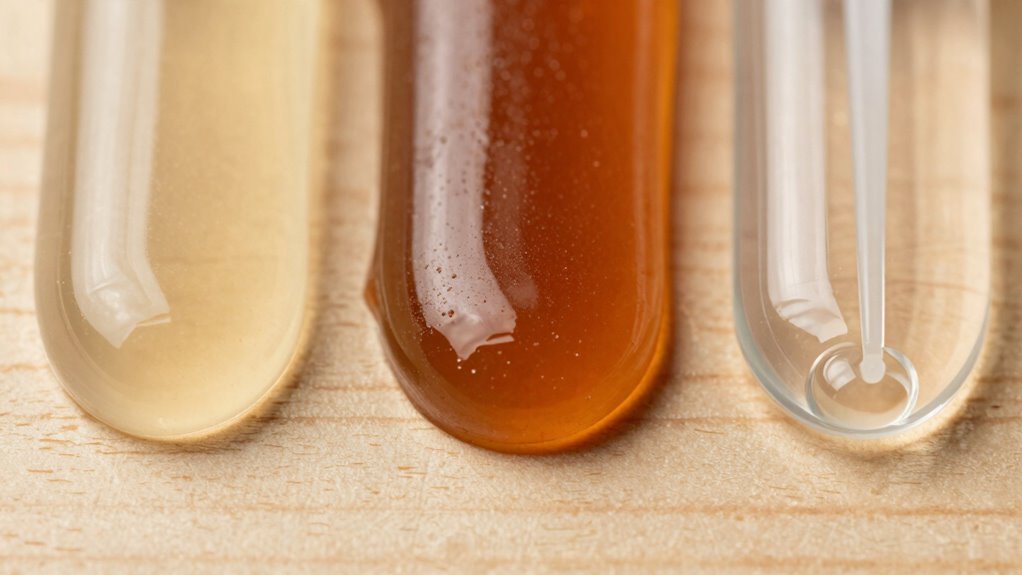

Choosing between PVA, hide, and epoxy glues depends on your project needs. Use PVA for quick, strong bonds in furniture and indoor woodworking, especially on porous woods. Pick hide glue for antique repairs, fine joinery, or when reversibility matters. Opt for epoxy when you need maximum strength, waterproofing, or to fill gaps in heavy-duty or structural projects. If you want to learn more about which glue works best, keep going.
Key Takeaways
- PVA glue is ideal for quick, strong bonds in furniture and cabinetry, especially on porous woods and indoor projects.
- Hide glue excels in traditional, fine craftsmanship and antique restoration due to its reversibility and low-temperature application.
- Epoxy provides the highest strength, water resistance, and gap-filling ability, making it suitable for structural, heavy-duty, or load-bearing repairs.
- Use PVA for general woodworking where water resistance isn’t critical; choose hide glue for delicate, reversible joints; epoxy for demanding, waterproof, or structural bonds.
- Proper surface prep, mixing, and clamping are essential for all glues to ensure optimal adhesion and durability.

Gorilla Wood Glue, Fast Clamp, Water Resistant PVA, 8 oz
- Fast Clamp Time: Clamps in 20-30 minutes, cures in 24 hours
- Water-Resistant Formula: ANSI/HPVA Type II water resistance
- Versatile Wood Compatibility: Suitable for hardwoods, softwoods, and composites
As an affiliate, we earn on qualifying purchases.
As an affiliate, we earn on qualifying purchases.
What Are the Main Types of Wood Glues and How Do They Work?

There are several main types of wood glues, each designed for specific applications and bonding strengths. Your choice depends largely on the wood density and drying time needed for your project. PVA glue is versatile, bonds well with most wood types, and dries quickly, making it ideal for general woodworking. Hide glue, made from animal collagen, works best with dense woods because it penetrates tightly and offers strong, durable bonds, though it takes longer to dry. Epoxy glue, a two-part adhesive, is excellent for bonding dense or exotic woods and provides a very strong, waterproof bond, but it has a longer drying time. Understanding these differences helps you pick the right glue based on the wood’s density and your project’s drying time requirements. Additionally, considering local craftsmanship techniques can influence your choice of adhesive to achieve the best traditional or modern results. When selecting a glue, it’s also important to consider the bonding strength required for your specific application to ensure durability and longevity. For instance, some projects may benefit from environmental resistance, especially in outdoor settings where moisture exposure is a concern. Moreover, selecting the appropriate glue can also depend on the application method, ensuring proper adhesion and finish. A thorough understanding of wood types and their characteristics can further guide your adhesive selection for optimal results.

Titebond Genuine Hide Glue 16 Oz. – Ready-to-Use Adhesive for Fine Furniture, Antique Restoration – 5014
- Ready-to-Use Formula: No mixing or heating needed
- Suitable for Fine Furniture: Ideal for antique restoration and musical instruments
- Strong and Durable Bonds: Resists creep and maintains wood stability
As an affiliate, we earn on qualifying purchases.
As an affiliate, we earn on qualifying purchases.
When Should You Use PVA Glue for Your Woodworking Projects?
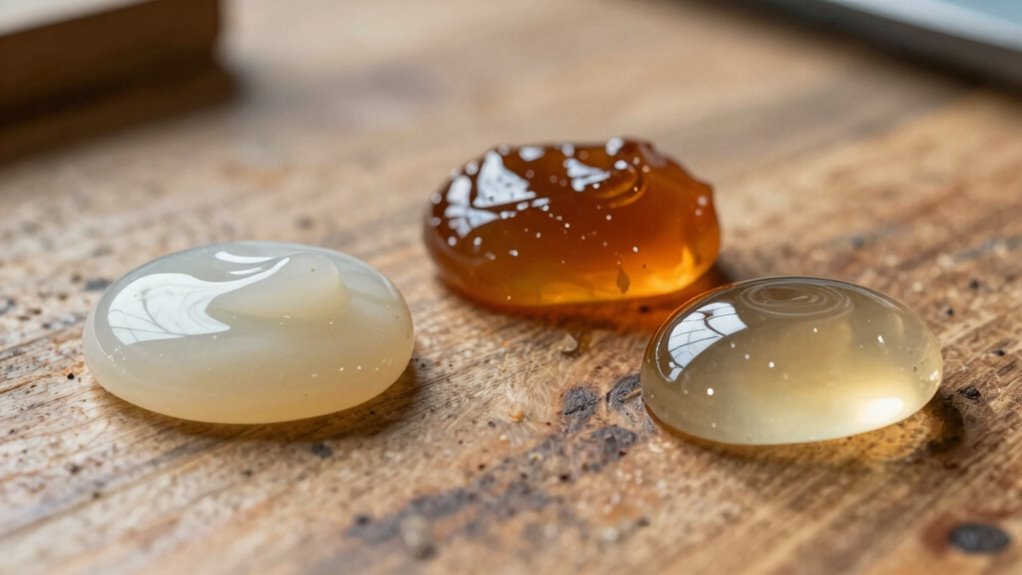
PVA glue is an excellent choice for many woodworking projects due to its versatility and ease of use. It provides strong wood adhesion, making it ideal for furniture, cabinetry, and general carpentry. Use PVA when you need a clear, quick-drying bond that’s easy to apply and sand later. Its glue durability ensures the joint remains stable over time, even with regular use. PVA works well on porous woods and is suitable for indoor projects where moisture exposure is limited. It’s also perfect for gluing large surfaces or multiple pieces together, thanks to its forgiving open time. Additionally, PVA glue’s adhesion properties make it suitable for various woodworking applications, especially when a reliable bond is required. However, avoid using it where water resistance is required, as it can weaken when exposed to moisture. Overall, PVA is your go-to for reliable, clean, and durable wood bonds in everyday woodworking.

Metal Glue,Heavy Duty Waterproof Epoxy Welding Adhesive,30min Set, 24h Cure
- Versatile Material Compatibility: Bonds metal, wood, ceramic, plastics, and concrete
- Fast Working and Curing Time: 30-minute work time, 24-hour full cure
- High-Strength Bond: Up to 4680 PSI, drillable and paintable
As an affiliate, we earn on qualifying purchases.
As an affiliate, we earn on qualifying purchases.
Why Is Hide Glue Ideal for Antique Restoration and Fine Joinery?
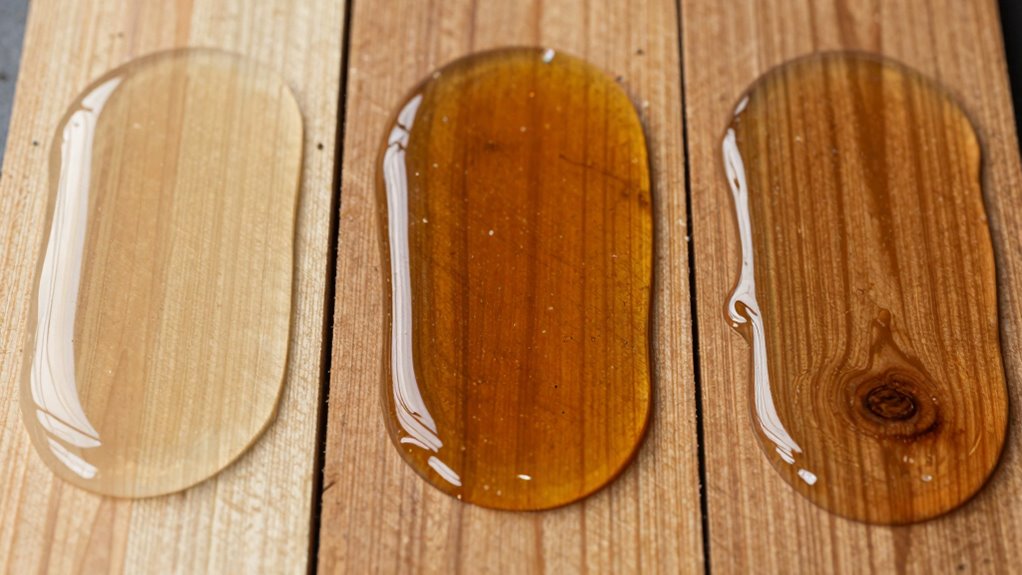
Hide glue is often the best choice for antique restoration and fine joinery because it offers a level of reversibility that other adhesives can’t match. This reversibility allows you to carefully separate joints without damaging delicate wood or finishes, which is essential when restoring valuable antiques or performing detailed craftsmanship. Its traditional formulation ensures compatibility with original materials, maintaining historical integrity. Hide glue also creates a strong, fast bond suitable for fine joinery, providing stability without excessive rigidity. Additionally, it has a low application temperature, reducing the risk of damaging fragile wood surfaces. Its traditional formulation ensures it remains compatible with historic materials and techniques. Understanding the plant properties of hide glue helps artisans optimize its use for specific restoration needs. The reversibility of hide glue makes it a preferred choice for projects requiring future disassembly or repairs. Moreover, its easy preparation allows for better control over the adhesive’s consistency and working time. The adhesive’s versatility makes it suitable for a variety of woodworking projects beyond just restoration. Overall, hide glue’s unique properties make it ideal for projects where preservation, repair, and precision are paramount, especially in antique restoration and intricate woodworking.

TotalBoat Table Top Epoxy Resin – 1 Gallon Kit for Bars and Countertops
- Crystal Clear Finish: High-gloss, brilliant results every time
- Easy 1:1 Mixing: Simple ratio for perfect curing
- Versatile Application: Suitable for tables, furniture, molds
As an affiliate, we earn on qualifying purchases.
As an affiliate, we earn on qualifying purchases.
How Do You Use Epoxy Glue for Heavy-Duty Repairs?
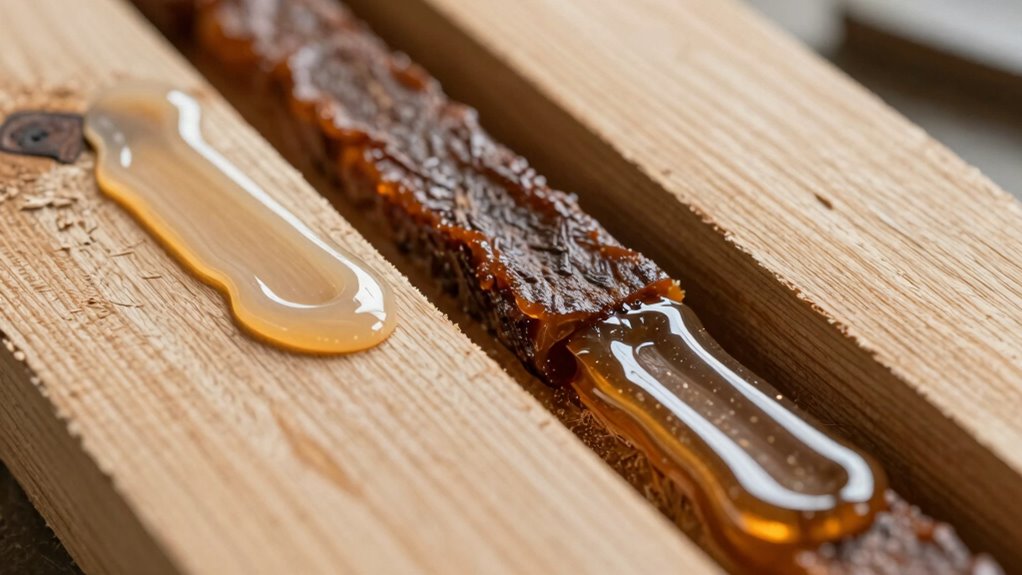
Before applying epoxy glue, make sure the surfaces are clean, dry, and free of debris to guarantee a strong bond. Mix the epoxy thoroughly according to the manufacturer’s instructions, then apply it evenly with a brush or applicator. Proper surface prep and precise application are key to heavy-duty repairs lasting through tough conditions. Additionally, understanding the strength of epoxy can help ensure your repair holds under stress. Knowing the types of epoxy suitable for different materials can further optimize your repair results. Using high-quality epoxy can also improve the overall durability of repairs, especially in demanding applications. Being aware of the cure time is essential to ensure the epoxy fully hardens before subjecting it to stress or load. For best results, consider the application method to achieve a professional finish and maximize bond strength.
Surface Preparation Techniques
To guarantee a strong bond when using epoxy glue for heavy-duty repairs, proper surface preparation is essential. Start by cleaning the surface thoroughly to remove dirt, grease, and old finishes. Sand the area to create a rough texture, enhancing adhesive bonding. For uneven surfaces, consider grain filling with epoxy to smooth out gaps, ensuring better contact. Remove dust and debris afterward. Use the table below as a guide:
| Step | Technique | Purpose |
|---|---|---|
| Cleaning | Wipe with alcohol or solvent | Remove contaminants |
| Sanding | Use coarse grit sandpaper | Improve surface adhesion |
| Grain Filling | Apply epoxy to fill gaps | Achieve a flat, secure surface |
Proper prep maximizes epoxy’s strength, ensuring durable repairs. Additionally, surface preparation techniques are crucial for optimal adhesion when working with heavy-duty materials. Ensuring the surface is properly prepared can significantly impact the longevity of your repair, especially for high-stress applications. Paying close attention to surface cleanliness can make a noticeable difference in bonding strength and durability. Moreover, understanding adhesion principles can help you select the best preparation methods for different materials and repair scenarios.
Mixing and Application Tips
For heavy-duty repairs, mixing epoxy correctly is essential to achieve maximum strength and durability. Follow the manufacturer’s instructions carefully, measuring equal parts of resin and hardener. Stir thoroughly until the mixture is uniform, ensuring no streaks remain. Proper mixing prevents weak spots in wooden joints and promotes even glue drying. Apply the epoxy with a small brush or spatula, pressing it into the joint to fill gaps completely. Work efficiently, as epoxy begins to set quickly. Clamp the joint firmly to maintain alignment and prevent movement during glue drying. Keep excess epoxy away from surrounding areas to avoid messes. Once cured, the repaired joint will be strong and durable, capable of handling heavy loads without compromise. Additionally, understanding the adhesion properties of epoxy can help optimize its bonding strength for various materials.
How Do These Wood Glues Compare in Strength, Flexibility, and Ease of Use?
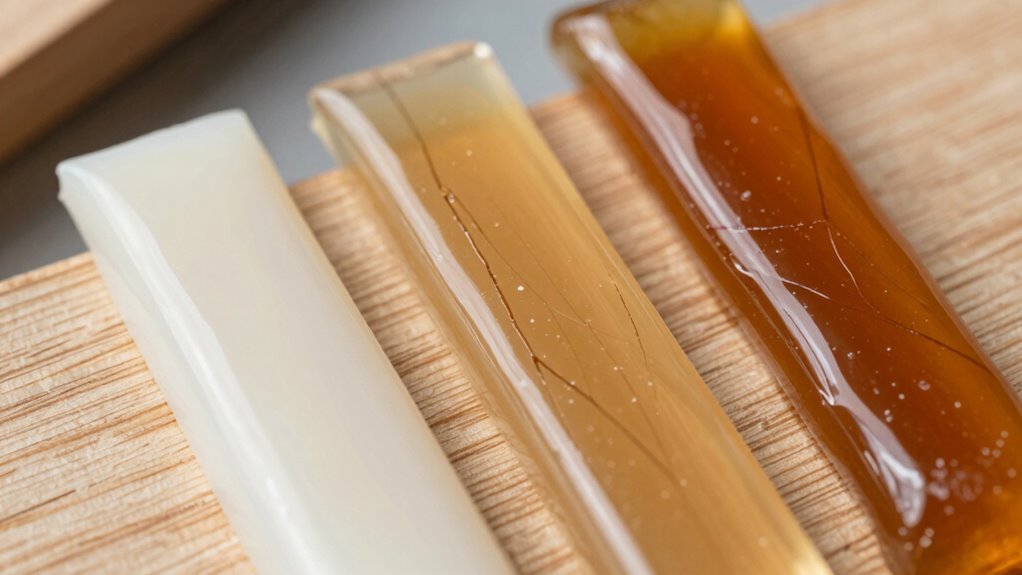
When comparing different wood glues, it’s essential to evaluate how they perform regarding strength, flexibility, and ease of use. PVA glues offer strong bonds suitable for most projects, providing excellent finish compatibility and easy clean-up. They excel in grain matching, ensuring a seamless appearance. Hide glue, while slightly less strong, provides good flexibility, making it ideal for furniture that may expand or contract. It also bonds well with traditional finishes. Epoxy glues deliver exceptional strength and durability, especially in structural or load-bearing applications. However, they can be trickier to work with and require precise mixing. Ease of use varies: PVA is user-friendly, hide glue needs quick application, and epoxy demands careful handling. Selecting the right glue depends on your project’s demands for strength, flexibility, and finish quality. Additionally, understanding adhesion properties can help you choose the most suitable glue for your specific woodworking needs. Recognizing the application methods that suit each glue type can further enhance your project outcomes.
How to Properly Apply PVA, Hide, and Epoxy Glues for Best Results
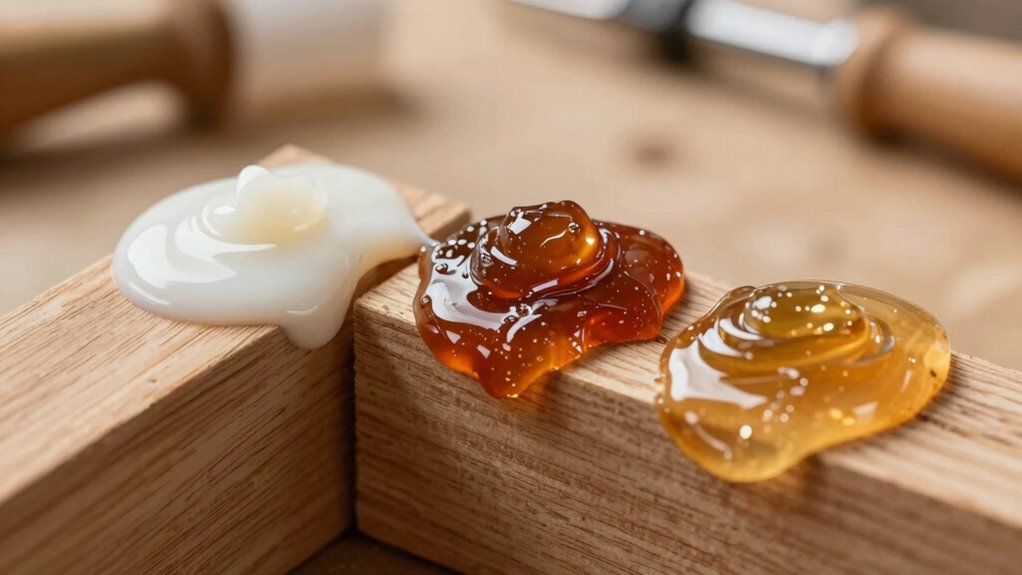
To get the best results when applying PVA, hide, or epoxy glues, start with proper surface preparation by cleaning and sanding the wood. Next, follow precise gluing techniques, including even spreading and proper clamping, to guarantee a strong bond. Finally, allow adequate curing time and maintain consistent pressure with clamps for ideal adhesion.
Surface Preparation Techniques
Proper surface preparation is essential to guarantee strong, durable bonds when applying PVA, hide, or epoxy glues. Start by inspecting your wood surface, ensuring it’s free of dust, dirt, and oils. Contamination removal is critical; use a damp cloth or a gentle cleaner to wipe the surface thoroughly. For hide glue, it’s important to sand the wood lightly to create a smooth, receptive surface. With epoxy, ensure no moisture or grease remains, as these can weaken the bond. Remove any old glue or finishes that might interfere with adhesion. Properly prepared surfaces promote better penetration and bonding, reducing the risk of failure. Taking these steps ensures your glue will perform effectively, providing a secure, long-lasting connection between the wood pieces.
Gluing Process Tips
Applying glue correctly is essential for achieving a strong bond, so take your time and follow a few key tips. First, guarantee your wood surfaces are clean and free of dust or debris. When applying PVA or hide glue, spread it evenly along the wood grain to promote uniform adhesion. Use a brush or brush applicator to control the amount of glue, avoiding excess that can squeeze out and create mess. For epoxy, mix it thoroughly before application, and apply it carefully with a brush or spatula. Keep in mind that drying time varies; PVA sets quickly, while hide and epoxy may require more time to cure fully. Proper application ensures a tight bond, minimizes gaps, and optimizes the drying process for the best results.
Curing and Clamping Methods
Once you’ve applied the glue, the key to a strong bond lies in proper curing and clamping. You need to follow the recommended drying time for each glue type, as rushing can weaken the bond. Environmental factors like temperature and humidity considerably affect curing; for example, high humidity can extend drying time, while cold temperatures slow the process. Clamping should be firm but not excessive, ensuring even pressure across the joint. For PVA, clamps typically stay in place for 30 minutes to an hour, while epoxy may require several hours to cure fully. Hide glue benefits from longer clamping, often up to 24 hours. Always consider the specific glue’s instructions and environmental conditions to achieve ideal results.
Which Wood Glue Is Right for Your Project? A Quick Guide
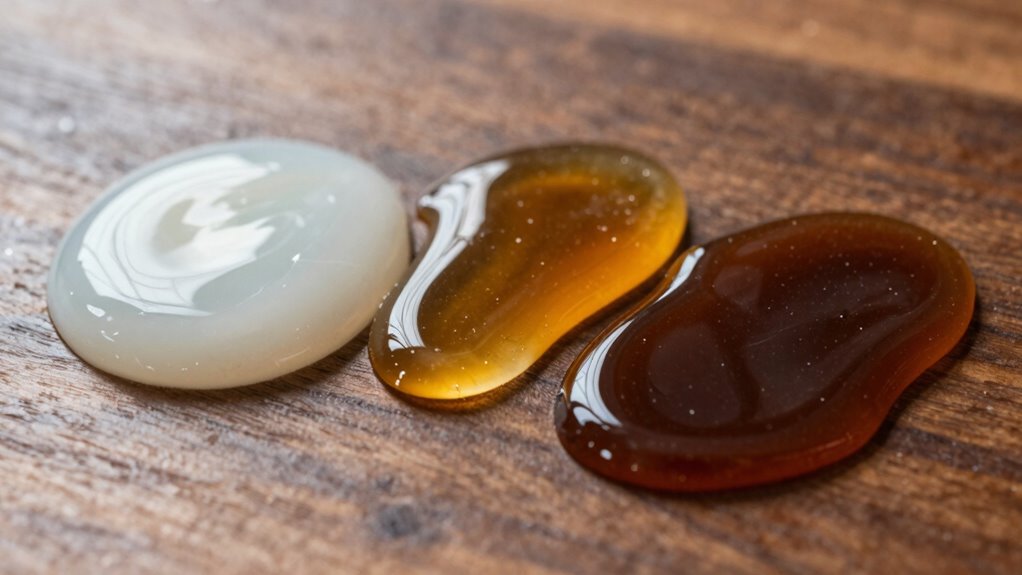
Choosing the right wood glue depends on your project’s specific needs and the types of wood you’re working with. Consider woodworking safety by selecting glues that are non-toxic and safe to use indoors. For quick projects, look for glues with short glue drying times to speed up your workflow. If you need a strong, durable bond, epoxy might be your best choice, especially for filling gaps. PVA glues work well for general woodworking and are easy to clean up. Hide glues are ideal for traditional furniture repair and offer a strong bond when used correctly. Match your project’s demands with the glue’s strengths, and always follow safety guidelines to confirm a successful, safe woodworking experience.
Frequently Asked Questions
Can Wood Glues Be Sanded or Painted Over After Drying?
Yes, you can sand and paint over wood glue once it’s fully dried. PVA glues are generally highly sanding compatible and painting compatible, making them easy to work with. Hide glue can also be sanded and painted after drying, but it might require a bit more care. Epoxy glues are tough, but they can be sanded and painted over once cured. Just wait until the glue is completely dry for best results.
How Long Do Different Wood Glues Take to Cure Completely?
Good things take time, so patience is key. The drying time and curing duration vary by glue type. PVA glue usually dries within 30 minutes to an hour and cures fully in 24 hours. Hide glue dries in about 30 minutes, with a curing time of 24 hours. Epoxy sets quickly, often within 5 to 30 minutes, but truly cures in 24 to 72 hours for maximum strength.
Are There Environmental or Safety Concerns With Specific Glue Types?
You should be aware that some wood glues, like epoxy, contain chemicals that can pose environmental risks if not disposed of properly. PVA glues are generally safer, but fumes may cause irritation, so safety precautions like working in well-ventilated areas are important. Hide glues tend to have minimal environmental impact, but always read labels for specific safety instructions to protect yourself and reduce environmental harm.
Can Multiple Types of Wood Glue Be Used Together in a Project?
An ounce of prevention is worth a pound of cure. You can mix adhesives, but beware of compatibility issues that could weaken your project. Using multiple types of wood glue together isn’t recommended unless specified by the manufacturer. Different glues have distinct bonding properties, and mixing them may compromise strength or cause curing problems. Always check labels and test small areas before combining adhesives to guarantee ideal results.
What Storage Tips Ensure the Longevity of Wood Glues?
To guarantee your wood glue lasts, store it in airtight containers to prevent drying out. Keep it in a cool, dry place away from direct sunlight and extreme temperatures, which can compromise its effectiveness. Make sure the lid is tightly sealed after each use. Proper storage helps maintain the glue’s adhesive properties over time, so your projects stay strong and reliable whenever you need them.
Conclusion
Choosing the right wood glue depends on your project’s needs. PVA offers easy, everyday bonds; hide glue excels in delicate, antique work; epoxy provides unmatched strength for heavy-duty repairs. Think of it like picking the perfect tool for the job—using the wrong one can turn a simple task into a nightmare. So, weigh your options carefully, and don’t put all your eggs in one basket. With the right glue, your project will come out shining!