
Understanding CFM and static pressure helps you keep your dust collection system efficient and safe. CFM measures how much air flows through your ductwork, which is key for capturing dust particles effectively. Static pressure shows how much resistance airflow faces in the system. Balance both for peak performance—too much static pressure reduces airflow, while too little may cause dust leaks. Want to make sure your system runs smoothly? Keep exploring for practical tips and tricks.
Key Takeaways
- CFM measures airflow volume; static pressure gauges resistance in ductwork, both are vital for optimal dust collection.
- Proper duct sizing, routing, and sealing reduce static pressure and maintain airflow efficiency.
- Balancing CFM and static pressure ensures dust is captured effectively without system overload or leaks.
- Regularly measuring and adjusting airflow and static pressure prevents blockages and performance issues.
- Good system maintenance, sealing, and duct design are key to maximizing dust collection safety and efficiency.

VEVOR Dust Collector, 1200 CFM 2.5 Micron Vortex Cone Dust Collectors, 2.0HP Sawdust Collection System with 35-Gallon Dusts Collector Bag & 42-Gallon Filter Bag, 3400 RPM High Speed, for Wood Chips
Robust Dust Suction: With 1200CFM airflow, this portable vortex dust collector captures large and fine wood particles alike….
As an affiliate, we earn on qualifying purchases.
As an affiliate, we earn on qualifying purchases.
What Are CFM and Static Pressure in Dust Collection?
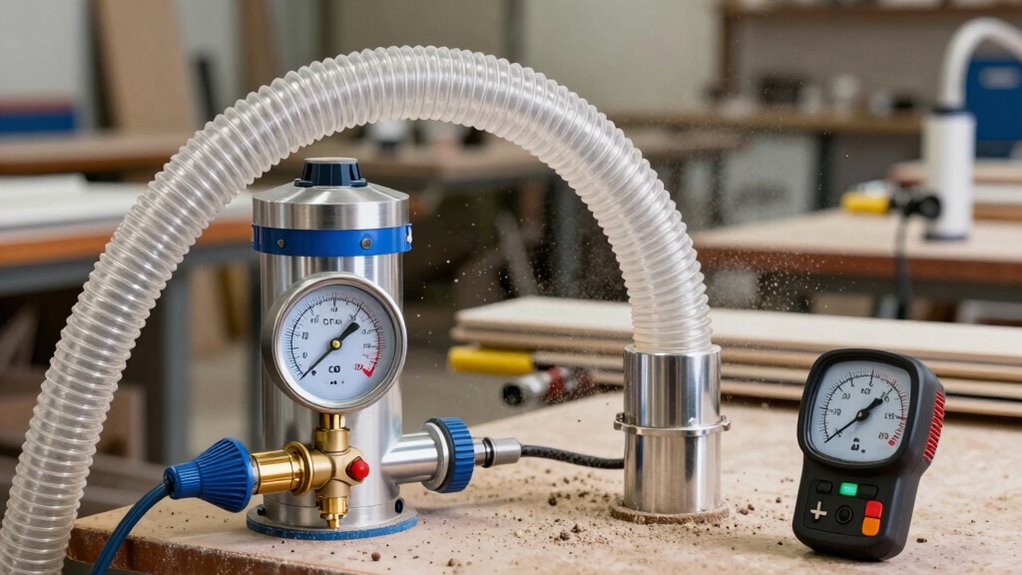
Understanding CFM and static pressure is essential for selecting an effective dust collection system. CFM, or cubic feet per minute, measures how much air moves through your system, directly impacting airflow efficiency. A higher CFM means more air is being pulled, which helps capture dust effectively. Static pressure, on the other hand, gauges resistance within the system, such as ductwork or filters. Excess static pressure reduces airflow and hampers system performance. Your goal is to balance these factors through proper system design, ensuring enough CFM to capture dust without creating excessive static pressure that strains the system. Properly designed systems improve dust capture and prolong equipment lifespan. Additionally, selecting energy-efficient components can help minimize power consumption while maintaining optimal airflow. Recognizing how airflow dynamics influence system performance is crucial for achieving an effective dust collection setup. Being aware of system resistance helps in diagnosing and optimizing overall performance. Considering system capacity ensures your dust collection system can handle the volume of dust generated in your workspace effectively. Furthermore, understanding the system layout can significantly impact both static pressure and overall efficiency, making thoughtful planning essential.
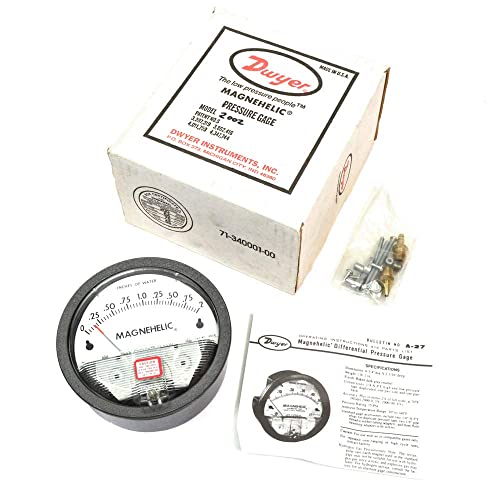
Dwyer 2002 Differential Pressure Gauge. 0 to 2" WC. Measure Differential Pressure, Static Pressure, Positive Pressure and Negative Pressure (Vacuum) of Air and Noncorrosive Gases.
MONITOR: Differential pressure, static pressure, positive pressure or negative pressure (vacuum) of air or any noncorrosive gas.
As an affiliate, we earn on qualifying purchases.
As an affiliate, we earn on qualifying purchases.
Why CFM Is Crucial for Effective Dust Collection
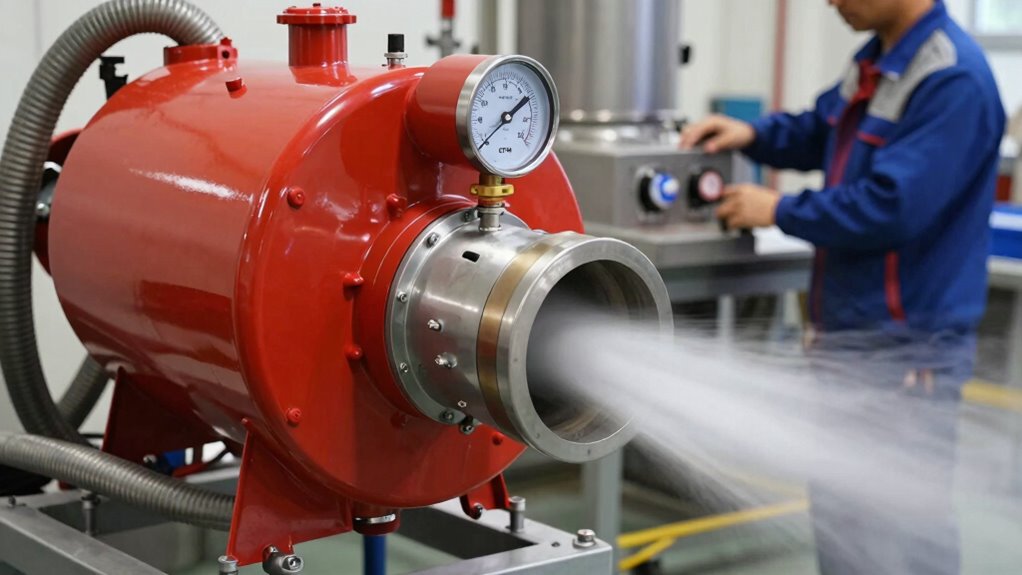
Your dust collection system needs enough CFM to move air effectively through your tools and workspace. When airflow capacity is right, dust is removed quickly and efficiently. Without proper CFM, dust can settle or escape, reducing safety and cleanliness.
Airflow Capacity Matters
Airflow capacity is a critical factor in dust collection because it directly influences how effectively the system captures and moves dust particles away from your workspace. Understanding airflow principles helps you optimize your system for maximum efficiency. Dust particle dynamics show that smaller particles require higher airflow to be effectively captured and transported through ductwork. If your CFM isn’t sufficient, dust will settle or escape, reducing safety and cleanliness. Maintaining proper airflow ensures that dust remains airborne long enough to reach the collector, rather than settling on surfaces. Proper airflow management is essential to prevent dust accumulation and ensure safety standards are met. Additionally, system efficiency depends heavily on maintaining the correct balance between CFM and static pressure, further emphasizing the importance of proper airflow management. This underscores why CFM is essential for effective dust removal, especially considering the environmental impact of airborne dust particles. Properly calibrated airflow settings help maximize dust collection efficiency, ensuring your workspace stays clean and safe.
Proper Dust Removal
Maintaining proper dust removal depends heavily on having the right CFM (cubic feet per minute) for your dust collection system. Adequate CFM guarantees dust is captured at the source, improving air quality and reducing dust hazards. Without enough airflow, dust particles settle and linger, increasing health risks and damaging equipment. Proper dust removal means you’re actively controlling airborne contaminants and protecting your workspace. Additionally, understanding airflow requirements ensures your system operates efficiently and effectively.

200 Sheets Nail Dust Collector Filter Paper Disposable Nail Dust Filters for Most of Nail Dust Collector Machine Nail Vacuum Dust Collector for Nail Salon Nail Supplies Accessories (white)
Great Nail Dust Collector: Package includes 200 sheets nail dust collector filter paper. The enough quantity filter will…
As an affiliate, we earn on qualifying purchases.
As an affiliate, we earn on qualifying purchases.
How to Measure CFM in Your Workshop
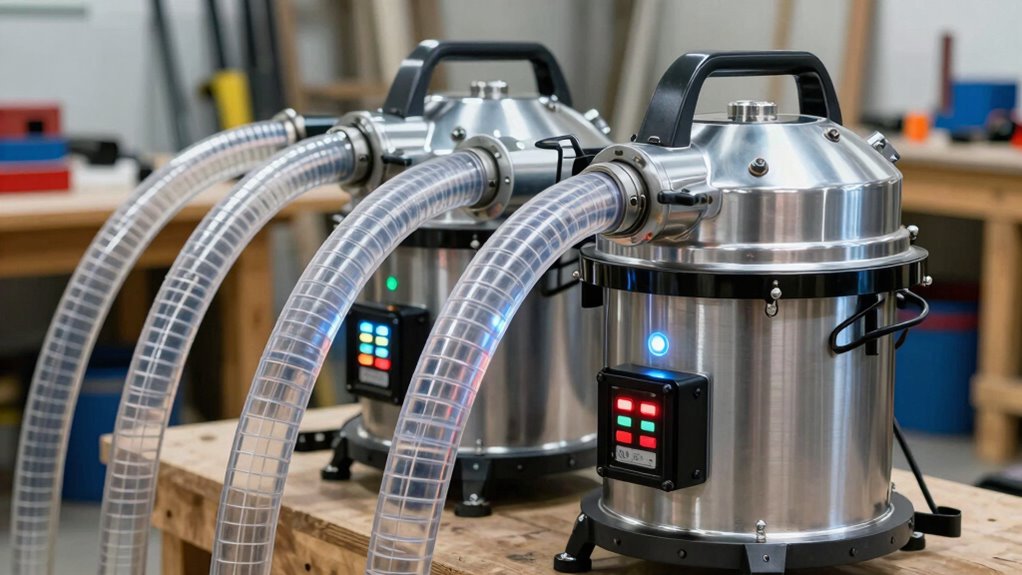
Wondering how to accurately measure CFM in your workshop? Start by ensuring your air filter maintenance is up to date, since clogged filters can affect airflow readings. Use a an anemometer or capture hood to measure the volumetric airflow directly at the dust collection port or duct opening. Position the device properly to get an accurate reading, avoiding obstructions. Take multiple measurements around the duct to confirm consistency. Remember, safety equipment like gloves and eye protection keeps you safe during testing. Record the readings and compare them to your dust collector’s specifications. This process helps you verify if your system moves enough air to clear dust effectively, ensuring your workspace remains safe and clean.

WEN DC1300 1,300 CFM 14-Amp 5-Micron Woodworking Dust Collector with 50-Gallon Collection Bag and Mobile Base , Black
Circulate up to 1,300 cubic feet of air per minute
As an affiliate, we earn on qualifying purchases.
As an affiliate, we earn on qualifying purchases.
Managing Static Pressure in Your Ductwork
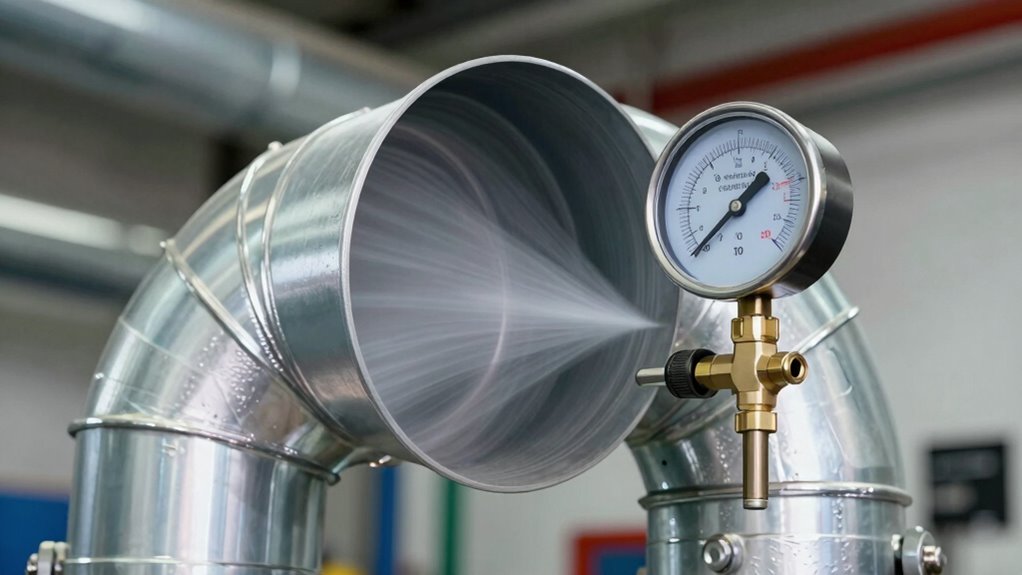
To keep your dust collection system running smoothly, you need to manage static pressure in your ductwork. Proper duct sizing, minimizing bends, and sealing all connections help reduce resistance and improve airflow. By paying attention to these points, you can guarantee your system operates efficiently and effectively. Additionally, understanding how airflow dynamics impact static pressure can help you optimize your system’s performance. Being aware of how air velocity influences static pressure can further aid in fine-tuning your setup for optimal results. Recognizing the importance of duct design can also contribute to maintaining consistent airflow and reducing pressure buildup. Focusing on system balancing ensures that airflow remains steady across all parts of your ductwork, preventing pressure issues that could hinder performance. Moreover, selecting the right components can significantly affect the overall efficiency and longevity of your dust collection system.
Proper Duct Sizing
Proper duct sizing is essential for managing static pressure and ensuring your dust collection system operates efficiently. Correct sizing influences airflow dynamics, preventing pressure drops that reduce suction power. When selecting duct material, consider how it affects airflow; smooth materials like metal minimize resistance, while flexible hoses can cause turbulence. Use appropriately sized ducts to maintain steady airflow and avoid unnecessary static buildup. Oversized ducts waste space and cost, while undersized ducts restrict airflow and increase static pressure. Regularly check that your duct dimensions match your system’s CFM requirements. Additionally, static pressure can build up if ducts are improperly sized, leading to reduced system performance. Proper sizing ensures optimal performance, reduces noise, and prolongs equipment lifespan. Proper duct sizing also helps in maintaining consistent airflow, which is crucial for effective dust removal. Furthermore, implementing proper duct design can help prevent airflow restrictions and improve overall system efficiency, contributing to a safer and cleaner workspace. Remember, a well-sized duct system balances airflow and static pressure, keeping dust moving efficiently through your setup and preventing airflow restrictions.
Minimize Bends and Turns
Minimizing bends and turns in your ductwork is essential because each change in direction creates resistance, which increases static pressure and reduces airflow. Sharp elbows or multiple turns force the air to work harder, lowering efficiency. To optimize performance, keep hose diameter consistent and avoid unnecessary bends. When turns are unavoidable, use gentle curves instead of sharp angles to reduce airflow disruption. Proper duct insulation helps maintain airflow by preventing temperature drops that can cause condensation and add resistance. Keeping the ductwork straight and smooth minimizes static pressure, ensuring your dust collector operates at peak efficiency. Remember, fewer bends and turns mean less resistance, better airflow, and a more effective dust collection system overall.
Seal All Connections
Have you verified all your duct connections are sealed tightly? Proper sealing prevents air leaks that can reduce dust collection efficiency and increase static pressure. When connections are loose, dust escapes, and your system has to work harder, decreasing performance. Regularly inspect and seal every joint with foil tape or proper duct sealant. This airtightness ensures that the airflow remains consistent and prevents loss of suction power. Maintaining a sealed system also reduces the need for frequent air filter maintenance, saving you time and effort. Additionally, a sealed system minimizes the buildup of static pressure, which can hinder airflow and reduce dust collection effectiveness. Remember, a sealed system minimizes static pressure buildup, helping your dust collector perform at its best. Keep an eye on all joints and connections—small leaks can considerably impact your system’s effectiveness. Sealing is a quick fix that pays off in better dust control. Consistent monitoring helps prevent overlooked leaks and maintains optimal system performance. Properly managing airflow dynamics is essential to ensure your dust collection system runs smoothly and efficiently. Regularly checking and adjusting system pressure can further optimize overall dust collection performance.
Troubleshooting Dust Collection Airflow Issues
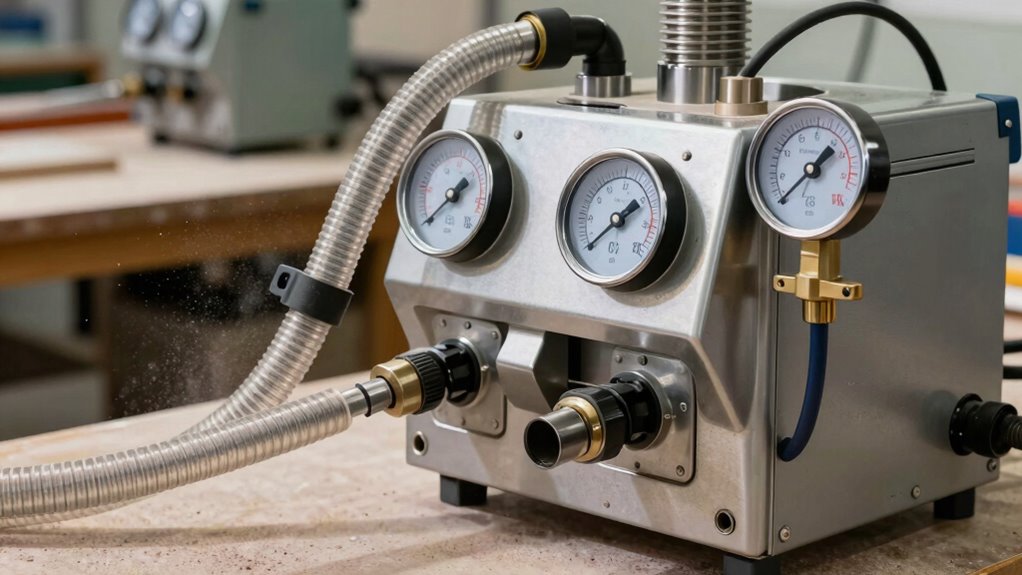
When airflow in your dust collection system drops unexpectedly, it’s often due to blockages or leaks that restrict the movement of dust and debris. Check for clogged hoses, filters, or sealed connections, which can lower filtration efficiency and airflow. Regularly inspecting and following maintenance schedules helps prevent buildup that hampers performance. To better understand, consider this scenario:
| Issue | Possible Cause |
|---|---|
| Reduced airflow | Blocked hoses or filters |
| Excess noise or dust leaks | Loose fittings or damaged seals |
| Poor filtration efficiency | Dirty filters or clogged filters |
| System pressure drop | Leaks or blocked ducts |
Address these issues promptly to restore ideal airflow and ensure your dust collection system operates efficiently.
How to Balance CFM and Static Pressure for Optimal Performance
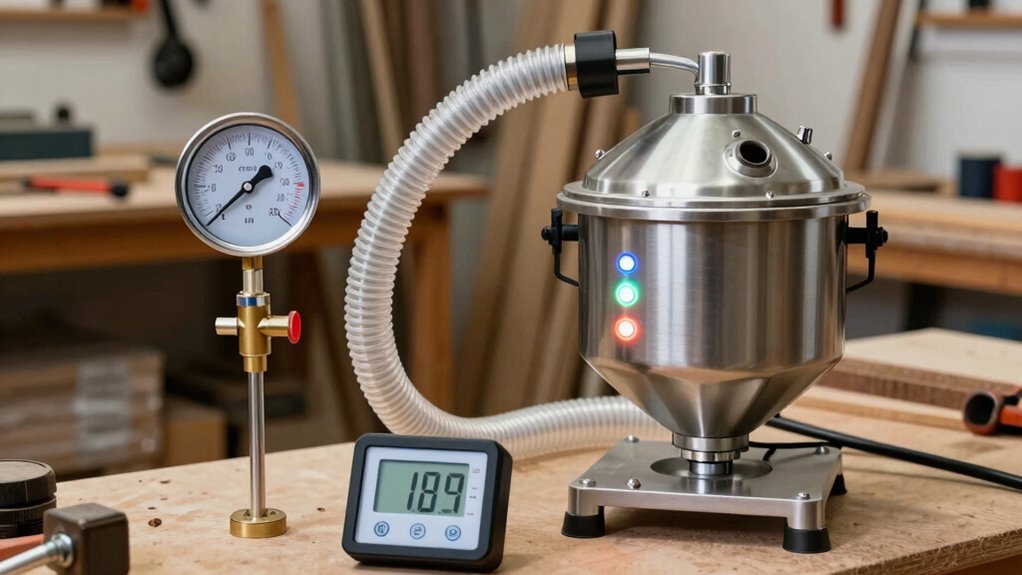
Balancing CFM (Cubic Feet per Minute) and static pressure is essential for maximizing your dust collection system’s efficiency. Achieving the right balance ensures ideal airflow efficiency and reduces strain on system components, prolonging system maintenance intervals. To do this, you should:
Balancing airflow and static pressure optimizes dust collection efficiency and extends system lifespan.
- Regularly measure airflow and static pressure to identify imbalances
- Adjust duct sizes or length to optimize airflow without increasing static pressure
- Use dampers or blast gates to control airflow where needed
- Keep filters and ducts clean to maintain consistent system performance
Common Problems and How to Fix Them
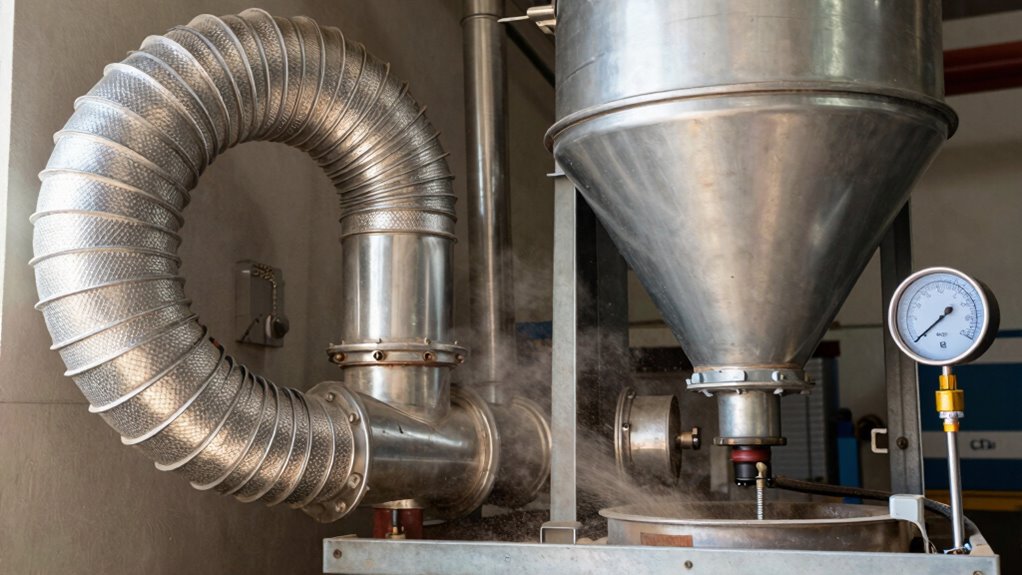
Even with careful adjustments, dust collection systems can encounter common problems that hinder performance. One issue is VOC emissions, which can occur if filters aren’t maintained properly, leading to air quality concerns. Regularly inspect and replace filters to reduce VOC emissions and guarantee safe operation. Noise reduction is another common problem; loud systems often result from loose panels or worn-out components. Securing panels and upgrading worn parts can substantially cut noise levels. Additionally, airflow blockages from clogged hoses or filters decrease efficiency and increase VOC emissions. Routine cleaning and proper ducting help maintain steady CFM and static pressure, preventing these issues. Addressing these problems promptly keeps your dust collection system running smoothly, improves air quality, and minimizes disruptive noise.
Tips for Upgrading Your Dust Collection System
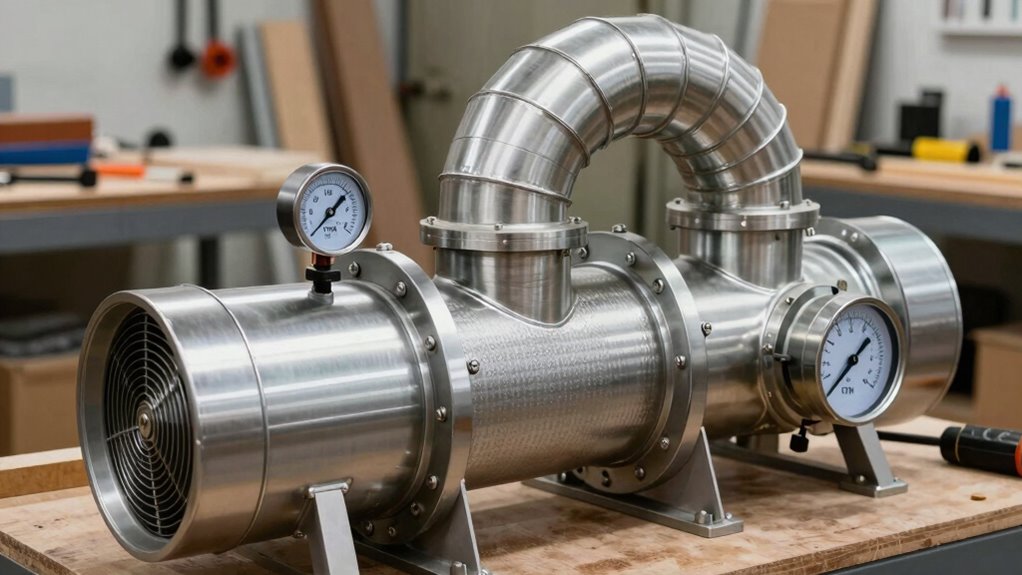
Upgrading your dust collection system can substantially boost its efficiency and lifespan, ensuring safer and cleaner work environments. To get the most out of your system, focus on key improvements. Regular dust filter maintenance is vital; replacing or cleaning filters prevents airflow restrictions. Consider increasing motor horsepower if your current setup struggles with heavier debris or larger volumes. Upgrading ductwork to smoother, wider pipes reduces static pressure and improves CFM. Finally, investing in a high-quality cyclone separator can greatly enhance dust separation, reducing wear on your motor and filters. These upgrades help optimize performance, reduce downtime, and extend your system’s life, making your workspace safer and more efficient. Remember, small improvements can lead to big results in dust collection efficiency.
Frequently Asked Questions
How Does Filter Type Affect Dust Collection Performance?
Filter type directly impacts your dust collection performance by affecting filter efficiency and airflow restriction. High-efficiency filters capture more dust particles, improving air quality, but can increase airflow restriction. If you select a filter that’s too restrictive, it reduces airflow and decreases overall system efficiency. Balancing filter efficiency with airflow restriction ensures your dust collector works effectively without sacrificing airflow, keeping your workspace cleaner and safer.
Can Multiple Dust Collectors Be Used Together Effectively?
Think of multiple dust collectors as a well-orchestrated symphony, harmonizing airflow across your workshop. When you connect them properly, shared airflow and system integration guarantee each unit complements the others, enhancing efficiency. It’s essential to balance static pressure and CFM so the collectors work together seamlessly, preventing bottlenecks. With careful planning, you can boost dust collection performance, making your workspace cleaner and safer without overloading any single unit.
What Safety Precautions Should Be Taken With Dust Collection Systems?
You should always wear proper PPE like masks and goggles when working with dust collection systems. Make certain your air filtration system is functioning well to keep airborne dust safe. Regularly dispose of dust safely to prevent buildup, and check that dust disposal containers are sealed and emptied frequently. Keep all connections tight, and maintain good ventilation to protect yourself from dust exposure and ensure a safe, efficient dust collection process.
How Often Should Dust Collection Components Be Maintained?
You should check and maintain your dust collection components regularly, ideally following a set maintenance schedule. Pay close attention to the filter lifespan—replace filters when they become clogged or after a certain number of hours of use. Typically, inspecting filters every month and replacing them every 3 to 6 months guarantees peak performance. Regular maintenance keeps your system efficient, prolongs component life, and maintains a safe working environment.
Are There Eco-Friendly Options for Dust Collection Systems?
Think of eco-friendly dust collection options as green lungs for your workspace; they actively clean the air, much like a healthy breath. You can choose systems with energy-efficient motors, reusable filters, or even capture dust at the source to reduce waste. These choices improve air quality and simplify dust disposal, making your environment safer and more sustainable. Going green isn’t just good for the planet; it benefits your health and your workspace’s efficiency.
Conclusion
Understanding CFM and static pressure is key to optimizing your dust collection system. Did you know that improper setup can reduce airflow by up to 50%, making your system much less effective? By balancing these factors, you’ll keep your workshop cleaner and safer. Take the time to measure, troubleshoot, and upgrade your system—your health and productivity depend on it. Don’t let dust compromise your workspace; invest in the right setup today.