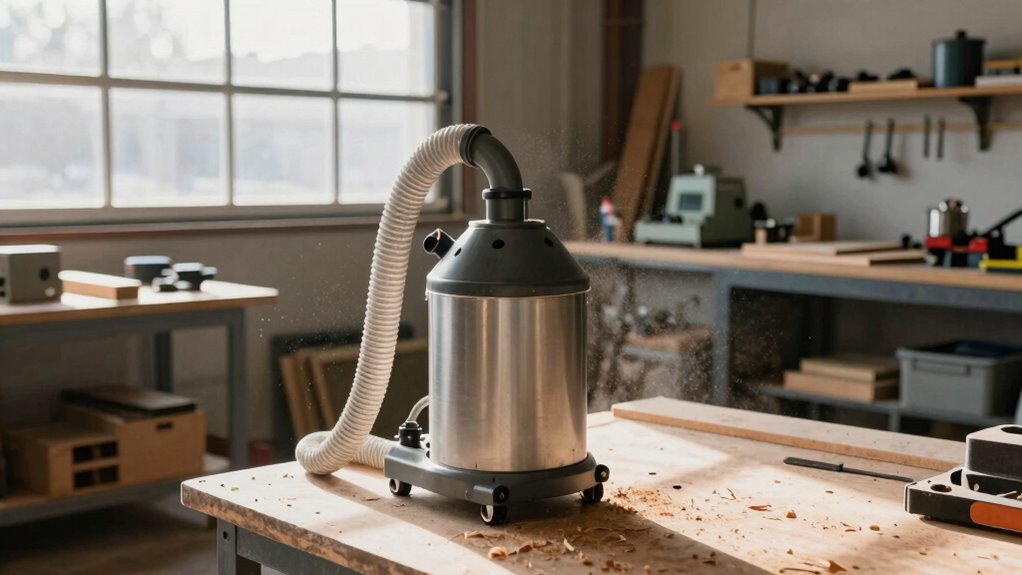
Dust collection is essential in your garage shop because it keeps the environment safe, clean, and efficient. By capturing dust at its source and maintaining proper air filtration, you protect your health and improve visibility. Regular system checks and maintenance prevent blockages and fire hazards. Good dust management also enhances equipment longevity and workspace safety. Keep these practices in mind, and you’ll discover how proper dust control truly shapes every aspect of your workshop.

Get business pricing on tools and workshop supplies
- Business-only prices and quantity discounts
- Tax-exempt purchasing
- Multiple users, one account, clear invoices
Key Takeaways
- Effective dust collection is essential for maintaining a safe, clean, and healthy garage workspace.
- Proper system design and regular maintenance prevent dust buildup and ensure optimal air quality.
- Dust particle size and type influence filter selection and overall system effectiveness.
- Integrating dust extraction with ventilation improves air flow and reduces airborne hazards.
- Prioritizing dust management enhances safety, equipment longevity, and work precision.
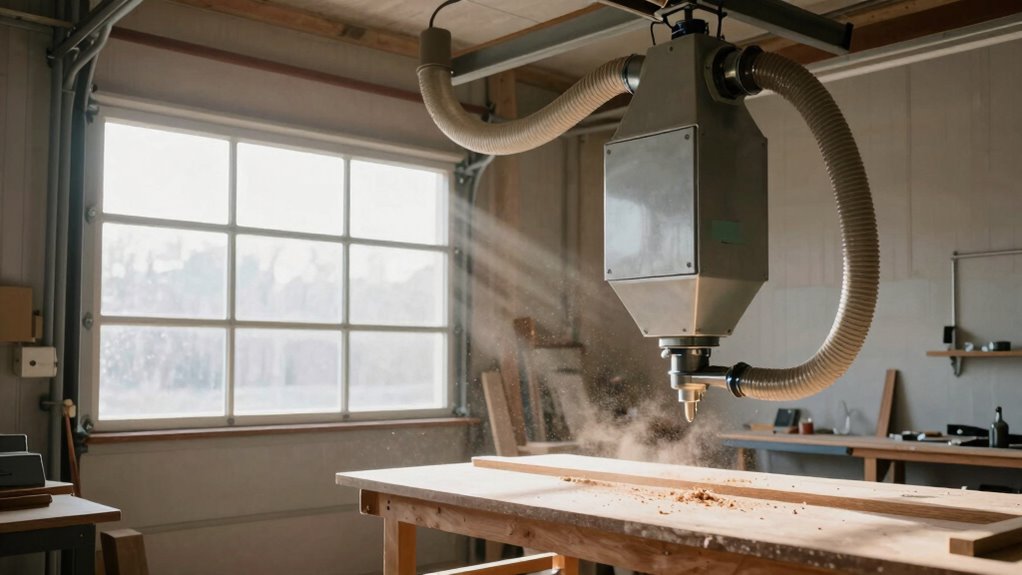
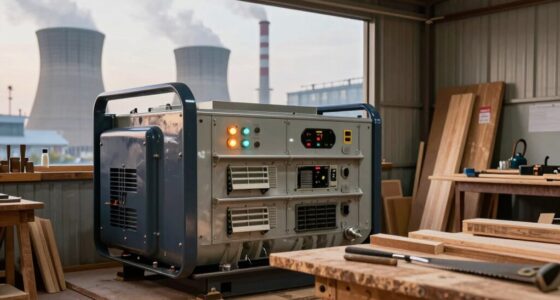
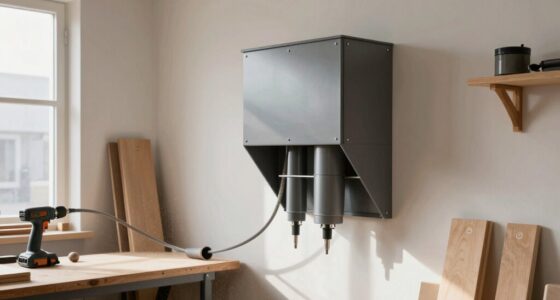
Dust collection is crucial for maintaining a safe and clean environment in your garage shop, especially when working with woodworking tools or sanding equipment. Without proper dust management, airborne particles can quickly become a hazard, affecting both your health and the quality of your work. An effective dust collection system works hand-in-hand with good air filtration practices, helping to remove fine dust particles before they settle on surfaces or are inhaled. You need to understand that neglecting this aspect can lead to a buildup of dust, which not only hampers visibility and precision but also increases the risk of respiratory issues over time. That’s why integrating air filtration into your dust collection setup is fundamental—you want to capture dust at its source, preventing it from dispersing throughout your workspace. Proper airflow management and air quality considerations are essential to ensure a comprehensive approach to dust control. Additionally, understanding system performance can help you optimize your setup for maximum efficiency and safety. Regular assessments of your dust collection effectiveness can help identify potential improvements and ensure ongoing safety.
Safety protocols in your garage shop should always prioritize dust control. Wearing respiratory protection, such as masks or respirators, is indispensable when working without an efficient dust collection system, but it’s even better when your system reduces the dust in the first place. Regularly cleaning and maintaining your dust collection equipment ensures it works at peak performance, preventing blockages or leaks that could release dust into the air. Additionally, staying informed about dust hazards can help you recognize potential risks before they become serious issues. When designing your shop’s layout, consider how airflow can be optimized to direct dust away from your breathing zone and toward your collection system. Proper venting and air filtration units can further improve air quality, especially if your shop is enclosed or lacks natural ventilation. Understanding the types of dust generated by your tasks helps you select appropriate filters and filtration media, ensuring harmful particles don’t escape into your workspace. Additionally, having a clear understanding of dust particle sizes can aid in choosing the most effective filtration media for your specific needs.
You also need to be aware of safety protocols related to electrical wiring and system grounding—dust-laden environments can pose fire hazards, so your dust collection system must be installed correctly and grounded properly. Keep filters and collection bags emptied frequently to avoid overfilling, which can cause system inefficiencies or even fires. Additionally, educating yourself about the types of dust generated by your specific tasks helps you select the right filtration media, ensuring harmful particles don’t escape into your workspace. Remember, a well-designed dust collection system isn’t just about cleanliness; it’s about creating a safe, healthy environment where you can work confidently and efficiently. Prioritizing air filtration and safety protocols keeps dust under control, protecting both your health and your equipment, and ultimately shaping your garage shop into a safer and more productive space.
As an affiliate, we earn on qualifying purchases.
Frequently Asked Questions
What Are the Most Common Dust Collection System Types?
You’ll find that the most common dust collection systems include portable shop vacuums, cyclonic separators, and centralized systems. These setups use air filtration to trap dust particles effectively while keeping noise levels manageable. Portable vacuums are great for small jobs, whereas cyclonic and central systems handle larger volumes. Choosing the right system depends on your shop size, budget, and how much dust you generate, ensuring a cleaner, safer workspace.
How Much Space Is Needed for an Effective Dust Collector?
You’ll need at least 4 to 6 square feet of space for your dust collector, but don’t let limited room deter you—compact models can fit into tight spots. Adequate space guarantees better air quality and easier maintenance. Consider smart storage solutions to keep the system accessible and organized. Remember, effective dust collection isn’t just about size; it’s about proper placement to keep your garage safe and clean.
What Safety Precautions Should Be Taken With Dust Collection Systems?
You should always wear proper protective gear and guarantee your dust collection system has effective air filtration to keep harmful particles out of your breathing zone. Regularly check filters and ducts for blockages and leaks. To prevent fire hazards, keep the system clean and free of sawdust buildup, and avoid combustible materials near the equipment. Proper grounding and electrical safety measures are also essential to minimize risks.
How Often Should Dust Collection Filters Be Replaced?
You should replace your dust collection filters based on your filter maintenance routine and the replacement schedule recommended by the manufacturer. Typically, check filters monthly and replace them every 6 to 12 months, or sooner if they become visibly dirty or airflow drops. Regular maintenance guarantees peak performance, prevents clogging, and maintains safety. Keep an eye on filter condition, and don’t delay replacements to avoid dust buildup and potential hazards.
Can DIY Dust Collection Systems Be Effective for Garages?
DIY dust collection systems can be effective for garages if you design them properly. They help improve air quality and support ventilation systems by capturing dust at the source. You’ll need to choose the right components, like a powerful motor and efficient filters, and ensure proper installation. Regular maintenance is essential to keep the system functioning well. When set up correctly, a DIY system can greatly reduce dust and improve your workspace environment.
air filtration units for woodworking shop
As an affiliate, we earn on qualifying purchases.
As an affiliate, we earn on qualifying purchases.
Conclusion
In your garage shop, dust collection isn’t just a task—it’s the backbone that keeps your workspace safe and efficient. Think of it as the silent guardian, much like a steady heartbeat that sustains life. When you prioritize effective dust control, you create a cleaner, healthier environment where your projects thrive. Don’t let dust be the invisible obstacle that shapes everything—take charge now, and watch your workshop transform into a safer, more productive haven.
dust collector filters for workshop
As an affiliate, we earn on qualifying purchases.
As an affiliate, we earn on qualifying purchases.
shop air filtration and ventilation
As an affiliate, we earn on qualifying purchases.
As an affiliate, we earn on qualifying purchases.
Fall Picks
fall essentials
As an affiliate, we earn on qualifying purchases.