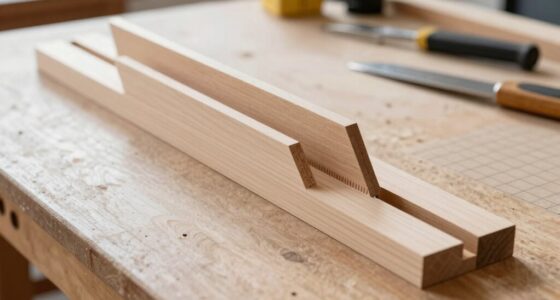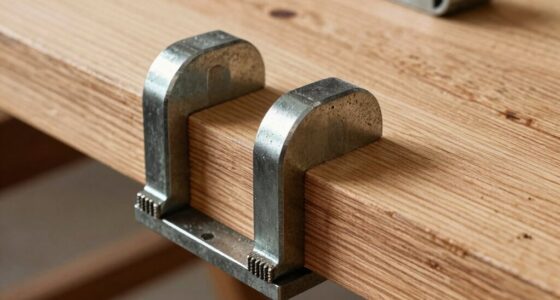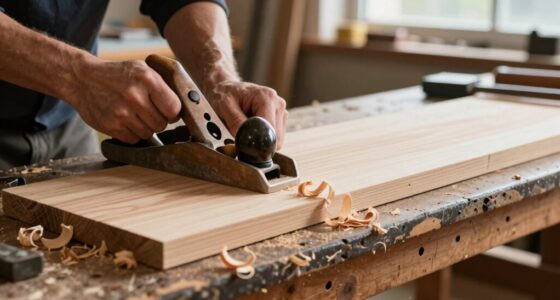

When working with small parts, focus on secure workholding methods like custom jigs, vacuum, or magnetic fixtures to keep items stable. Always keep your fingers away from cutting zones by using push sticks, handles, or guiding tools. Control your grip and clamping pressure carefully to prevent damage or slipping. Proper fixture design and safety practices help you maintain precision while keeping your fingers safe—so you’ll master safe, effective control as you learn more about securing small components.
Key Takeaways
- Use push sticks, jigs, or guides to keep fingers away from cutting zones during machining.
- Opt for magnetic or vacuum fixtures to securely hold small parts without manual contact.
- Position clamps and fixtures close to the workpiece for control, but keep hands safely distant.
- Employ ergonomic tools with padded grips to improve control while maintaining finger safety.
- Always turn off machinery before adjusting workholding to prevent accidental injuries near moving parts.

POWERTEC Table Saw Tapering Jig, Small Parts Taper Jig with 3/4" x 3/8" Miter Bar, Adjustable Hold Down Clamp, Non-Slip Grip Strips, Ergonomic Handle – Table Saw Jig Accessories (71875)
ASSEMBLY CONTAINS: 12” Miter Bar, Base, Adjustable Fence, Knob, Hold Down Clamps, Tape Measure, Abrasive Grip Strips, T-Bolts,…
As an affiliate, we earn on qualifying purchases.
As an affiliate, we earn on qualifying purchases.
What Are the Main Challenges in Securing Small Parts?
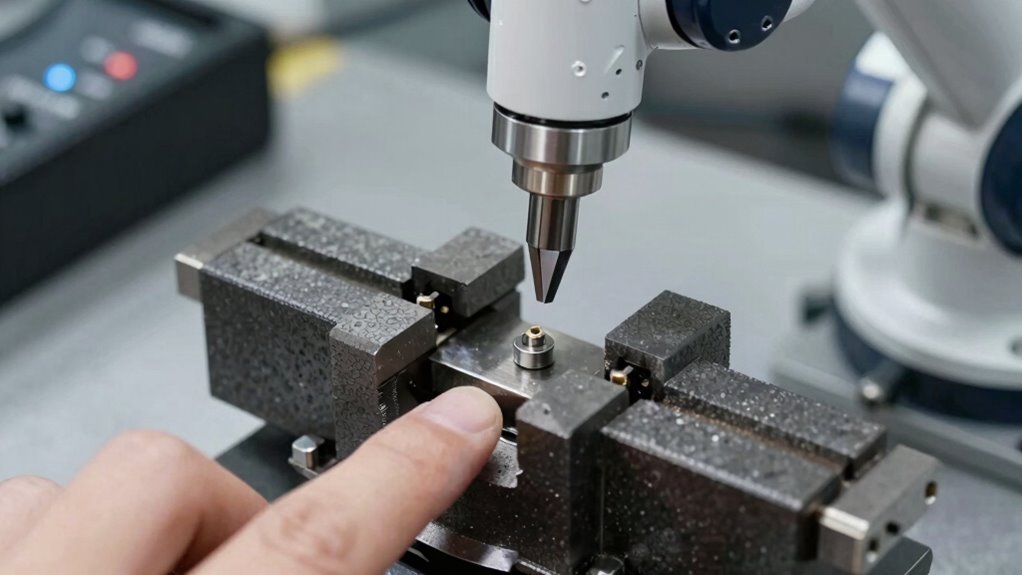
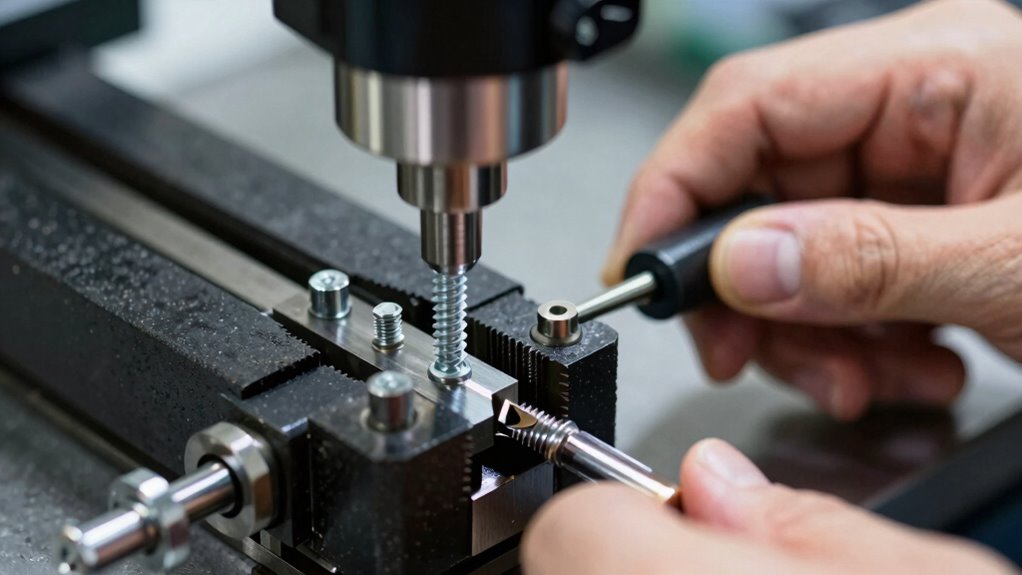
What are the main challenges in securing small parts? It’s often difficult because tiny components can be easily damaged or displaced during machining. You need miniature fixtures that hold parts firmly without exerting too much clamping pressure, which could deform or break delicate pieces. Finding the right balance is critical; too little pressure, and the part shifts, compromising accuracy. Too much, and you risk damage. Small parts also tend to slip or vibrate if not properly secured, leading to poor surface finishes or errors. Ensuring consistent clamping pressure with miniature fixtures helps maintain precision and prevents movement. The key challenge is designing workholding solutions that are secure enough to hold tiny parts firmly while avoiding damage caused by excessive force or improper fixture design. Proper workholding techniques are essential to achieving reliable results in small parts machining.
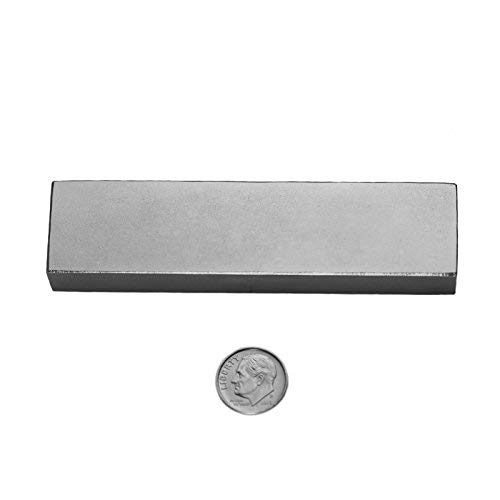
Super Strong Neodymium Magnet N42 4 x 1 x 1/2" Permanent Magnet Bar, The World’s Strongest & Most Powerful Rare Earth Magnets by Applied Magnets
🧲 Strong Rare Earth Magnet – Made from Neodymium-Iron-Boron (NdFeB) for maximum magnetic energy density.
As an affiliate, we earn on qualifying purchases.
As an affiliate, we earn on qualifying purchases.
Why Proper Workholding Is Crucial for Small Parts
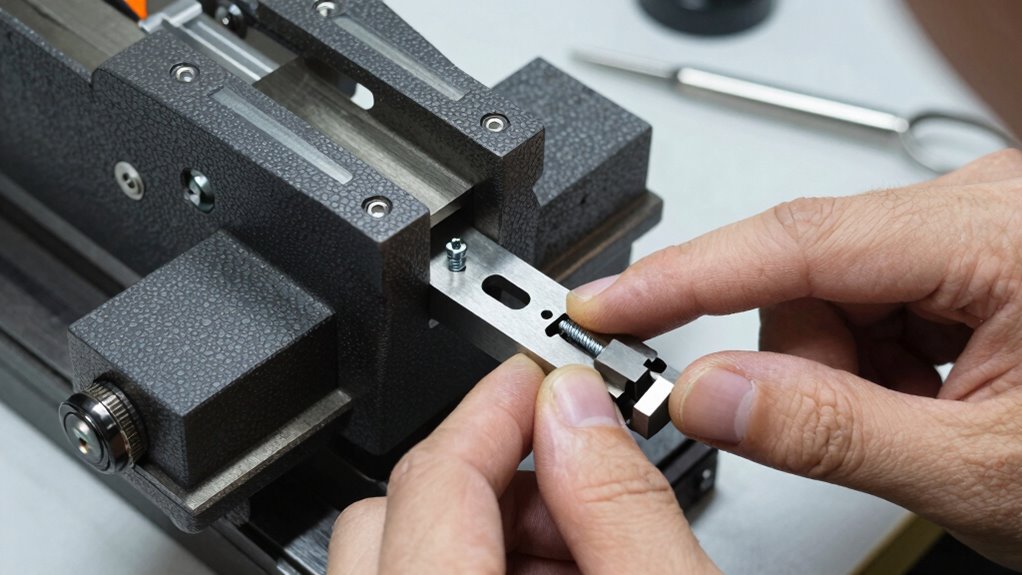
Proper workholding is essential when machining small parts because even minor movement can compromise accuracy and surface quality. If your clamps aren’t calibrated correctly, parts may shift during machining, leading to errors. Regular fixture maintenance ensures your fixtures stay reliable and secure. Proper workholding also reduces vibration, preventing surface imperfections. When you focus on secure, calibrated clamps, you minimize risks of part slippage or damage. Small parts demand precise control to avoid costly scrap or rework. Good workholding practices help maintain consistent tolerances, boosting overall quality. Remember, neglecting fixture maintenance or clamp calibration can cause misalignments, affecting your final product. Staying vigilant with these aspects ensures your small parts are held firmly and accurately, making every cut clean and precise. Additionally, incorporating effective vibration control measures can significantly improve machining results for delicate components.

PGFUN CNC Vacuum Chuck Fixture Plate Workpiece Clamping Table Vacuum Workholding System for Machining Center, Lathe, Milling, Engraving Machines (400 x 300mm)
Upgraded Rapid Vacuum Fixture Table: Unlike traditional vacuum fixture plates, this new vacuum fixture table eliminates the time-consuming…
As an affiliate, we earn on qualifying purchases.
As an affiliate, we earn on qualifying purchases.
How to Choose the Best Clamps and Fixtures for Small Parts
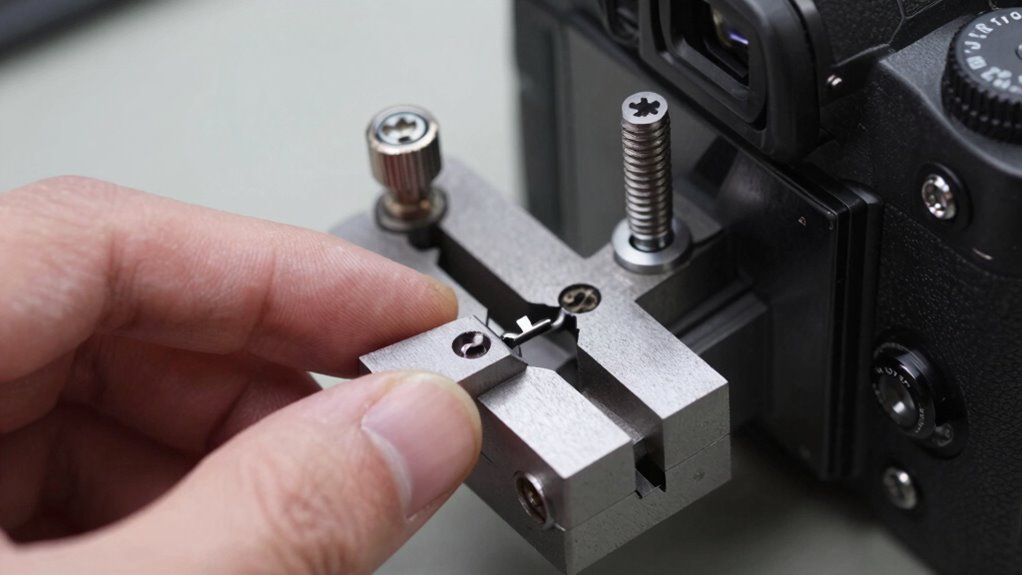
Choosing the right clamps and fixtures starts with understanding the various types and styles available to secure small parts effectively. You also need to take into account fixture stability and alignment to ensure precision during machining. Proper tool setup is essential to maximize safety and accuracy throughout your project. Finally, make sure the materials and sizes of your clamps and fixtures match your small parts to avoid damage or misalignment.
Clamp Types and Styles
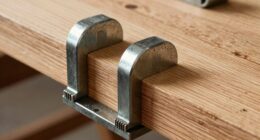
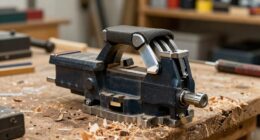
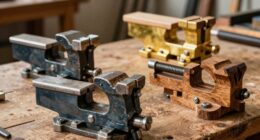
Selecting the right clamps and fixtures is essential for securely holding small parts during machining or assembly. Your choice of clamp styles and holding mechanisms impacts precision, safety, and ease of use. Consider these options:
- Toggle clamps for quick, reliable holding
- Spring clamps for lightweight, versatile securing
- Vacuum fixtures for delicate or flat parts
- Magnetic clamps for ferrous materials
- Screw-based clamps for adjustable, firm grip
Each clamp type offers unique advantages suited to specific tasks. Your goal is to find holding mechanisms that provide stability without damaging your parts or obstructing access. By matching clamp styles to your workpiece’s size, shape, and material, you ensure a secure hold that keeps fingers far from danger while maintaining control. Proper selection improves efficiency and safety in small parts workholding. Additionally, understanding clamp technology helps optimize your workholding setup for better precision and safety.
Fixture Stability and Alignment
Ensuring fixture stability and precise alignment is essential when working with small parts, as even minor movements can lead to errors or part damage. Proper clamp selection and thoughtful fixture design guarantee your parts stay secure during machining. Choose clamps that provide firm hold without deforming delicate pieces, and consider fixture features like locate pins and hardened surfaces for consistent positioning. The right fixture design minimizes movement and simplifies setup. Use the following guide:
| Feature | Benefit | Example |
|---|---|---|
| Adjustable Clamps | Flexibility for small variations | Spring-loaded clamps |
| Low-Profile Fixtures | Reduce interference | Slim fixtures |
| Precise Locators | Ensure accurate alignment | Dowel pins |
Selecting the right combination guarantees stability, accuracy, and efficient workflows. Incorporating fixture stability as a key principle ensures consistent results and minimizes errors during small part machining.
Material and Size Compatibility
How do you determine the best clamps and fixtures for small parts? First, consider the material and size of your parts. Match clamp materials to avoid damaging delicate surfaces—soft plastics need gentle, non-marring clamps, while metal parts can handle sturdier materials. The fixture design should securely hold your part without distortion or deformation. Also, think about the part’s size to ensure clamps provide enough holding force without over-compressing. Proper compatibility prevents slipping and improves accuracy, reducing errors. Additionally, selecting appropriate clamping techniques helps maintain consistent pressure and avoid damage during the process.

BOW Products PushPRO PP1 – Push Stick for Table Saws – EVA Tipped Push Block That Reduces Vibrations and Improves Material Grip – Woodworking Tools and Safety Accessories
Greater Feed Control: High density EVA tip conforms to the wood and dampens vibration for a cleaner cut…
As an affiliate, we earn on qualifying purchases.
As an affiliate, we earn on qualifying purchases.
Using Custom Jigs and Templates for Better Control
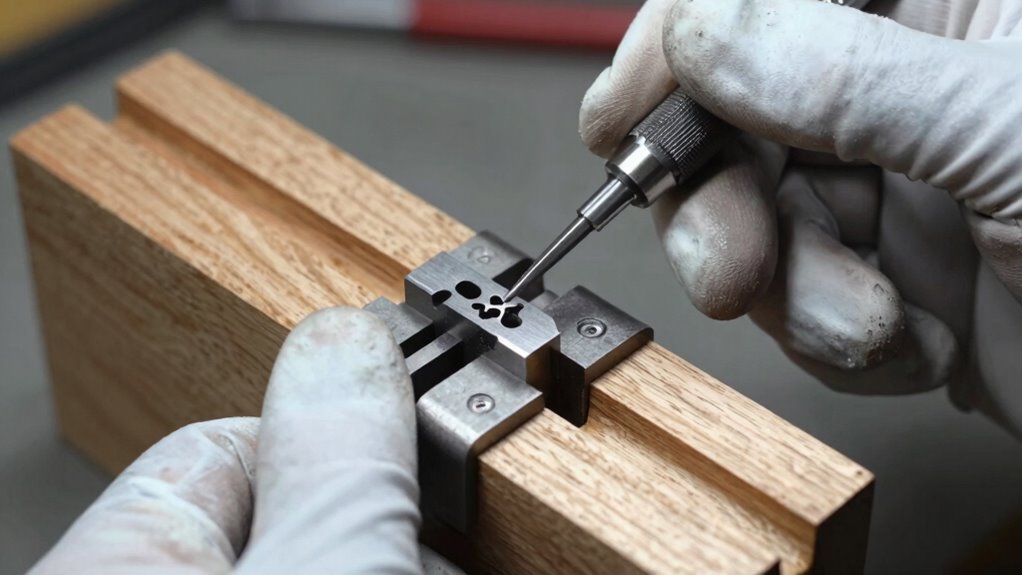
Using custom jigs and templates helps you achieve precise alignment, ensuring your small parts are accurately positioned every time. They also offer versatility, allowing you to work with different materials without needing new fixtures. This control enhances both the quality of your work and your efficiency in handling small-scale projects. Incorporating consistent storytelling into your process can further strengthen your craftsmanship and brand reputation.
Precise Alignment Techniques
To achieve accurate alignment of small parts, custom jigs and templates serve as essential tools that provide consistent positioning during machining or assembly. They help you control clamping pressure, guaranteeing parts stay put without distortion, and improve alignment accuracy. Properly designed jigs minimize movement and keep parts steady, resulting in precise cuts and fits. When creating or using jigs, consider the following:
- Use tight, even clamping pressure to prevent shifting
- Incorporate alignment pins or features for repeatability
- Ensure templates are rigid and free of play
- Match jig design to the specific shape and size of parts
- Regularly check and calibrate for maintaining accuracy
- Energy-efficient manufacturing techniques can also reduce overall processing errors and improve sustainability.
These techniques help you keep small parts aligned perfectly, reducing errors and enhancing overall quality.
Material Versatility Benefits
One of the key advantages of custom jigs and templates is their material versatility, allowing you to work with various substances depending on your project. This flexibility ensures compatibility with different materials, such as wood, plastic, or metal, without sacrificing control. When designing jigs, you can adjust clamping pressure to accommodate material strength and prevent damage. For example, softer materials may need less pressure, while harder ones require more secure clamping. Use the following table to guide your choices:
| Material Type | Clamping Pressure | Material Compatibility |
|---|---|---|
| Soft | Light | Wood, plastic |
| Medium | Moderate | Aluminum, acrylic |
| Hard | Firm | Steel, dense composites |
| Fragile | Gentle | Thin plastics, delicate parts |
Additionally, understanding the financial independence of individuals like Kate from Breaking Amish highlights the importance of diversification in income sources, which can be applied to your approach to material selection and project planning.
Magnetic and Vacuum Workholding Solutions for Small Parts
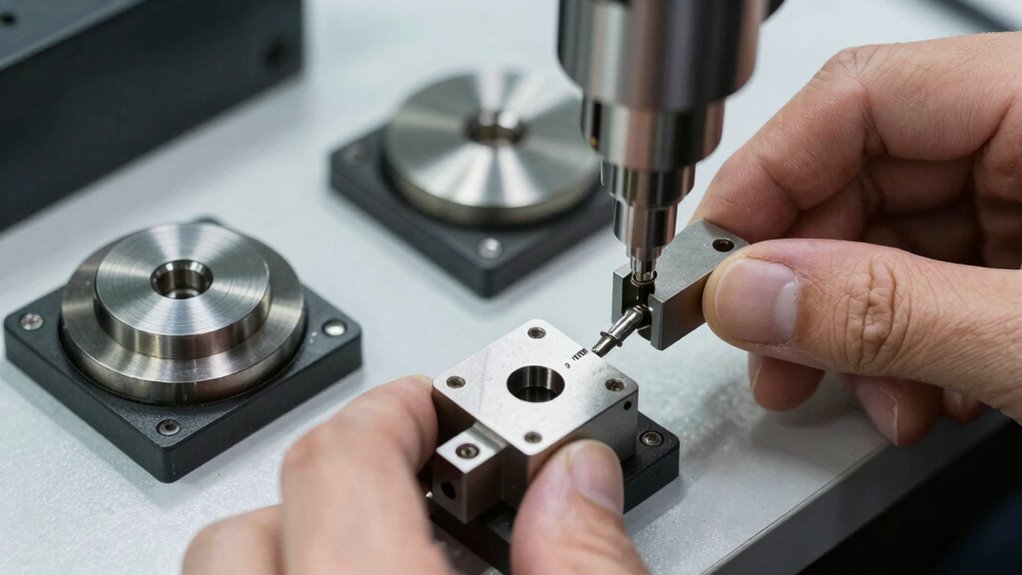
Magnetic and vacuum workholding solutions offer efficient ways to secure small parts during machining or assembly. They eliminate the need for clamps and fingers, reducing the risk of damage and injury. Magnetic fixtures are ideal for ferrous materials, providing quick and reliable clamping without deformation. Vacuum clamping creates a strong grip on non-porous parts, ensuring stability during processes. These methods allow you to work with delicate or intricate components safely. Incorporating modern kitchen technology concepts can also inspire innovative approaches to workholding in various fields.
Tips to Reduce Hand Fatigue and Improve Precision
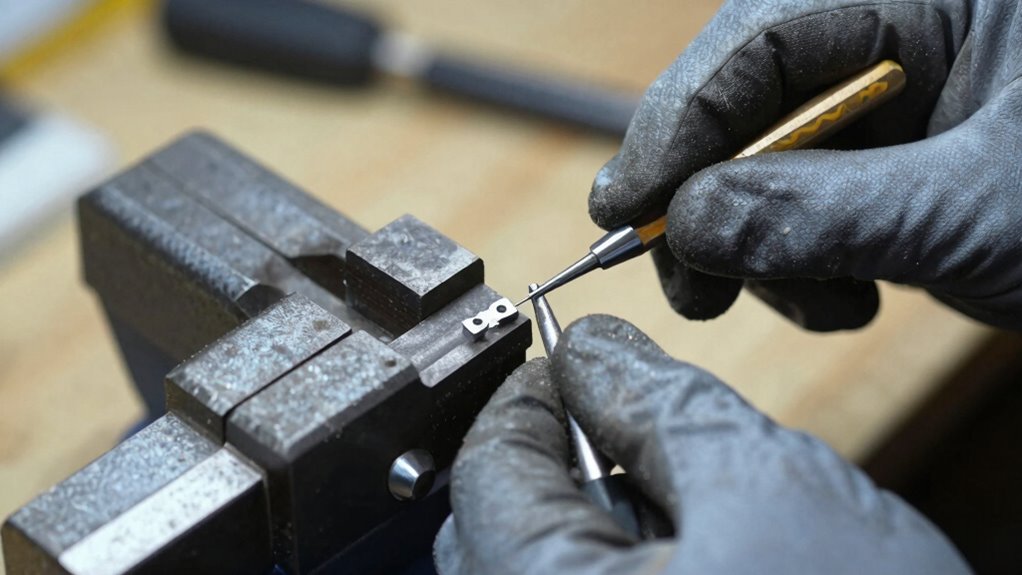
Reducing hand fatigue while working on small parts is essential for maintaining both safety and precision. Using ergonomic techniques helps minimize strain, such as adjusting your workspace to keep tools within easy reach and maintaining a neutral wrist position. Take regular breaks to prevent overuse and incorporate hand stretches to improve circulation. Selecting the right tools, like ergonomic grips or padded handles, can also reduce fatigue. Proper grip techniques, avoiding excessive force, and keeping your hands relaxed improve control and accuracy. Focus on maintaining good posture and supporting your arms to lessen muscle tension. These hand fatigue prevention strategies enable you to work longer with better precision, reducing errors and fatigue-related discomfort. Consistently applying ergonomic principles keeps your hands steady and your work consistent.
Safety Tips to Keep Fingers Away From the Cutting Zone
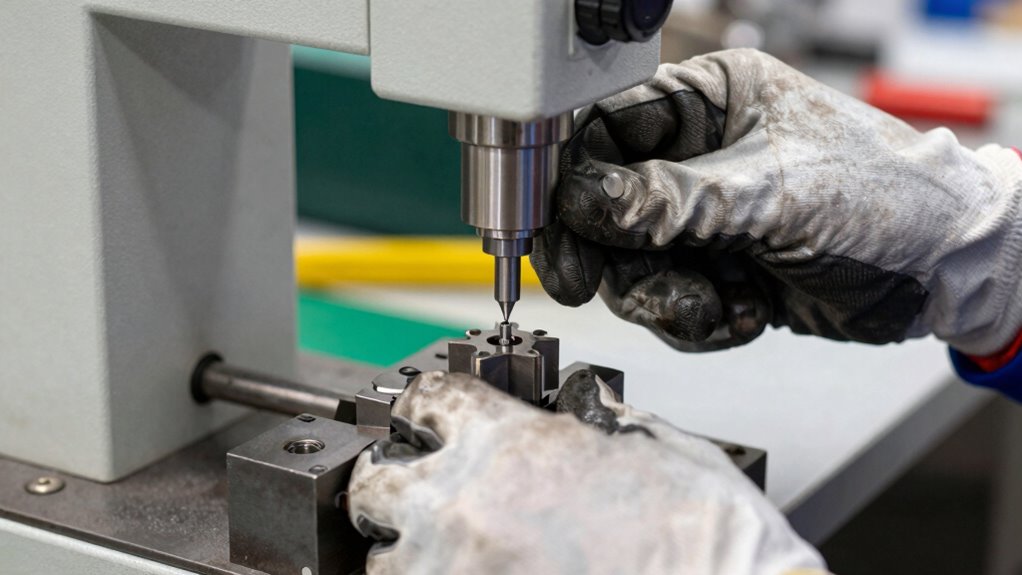
To stay safe while working near the cutting zone, always focus on keeping your fingers clear of the blade or bit. Proper finger safety is essential to prevent injuries. Keep your hands well away from the cutting zone at all times, and use tools or fixtures to hold small parts securely. Never reach over a moving blade or bit, and avoid distractions during cutting. Use push sticks or jigs to guide parts safely through the cutter. Maintain a clean work area, so nothing interferes with your finger safety. Always turn off and unplug your machine before adjusting or clearing debris. Remember, staying vigilant helps prevent accidents and keeps your fingers safe from the cutting zone.
- Use push sticks or jigs for guiding parts
- Never reach over a moving cutter
- Keep your hands at a safe distance
- Turn off equipment before adjustments
- Maintain a clutter-free workspace
Troubleshooting Common Workholding Problems
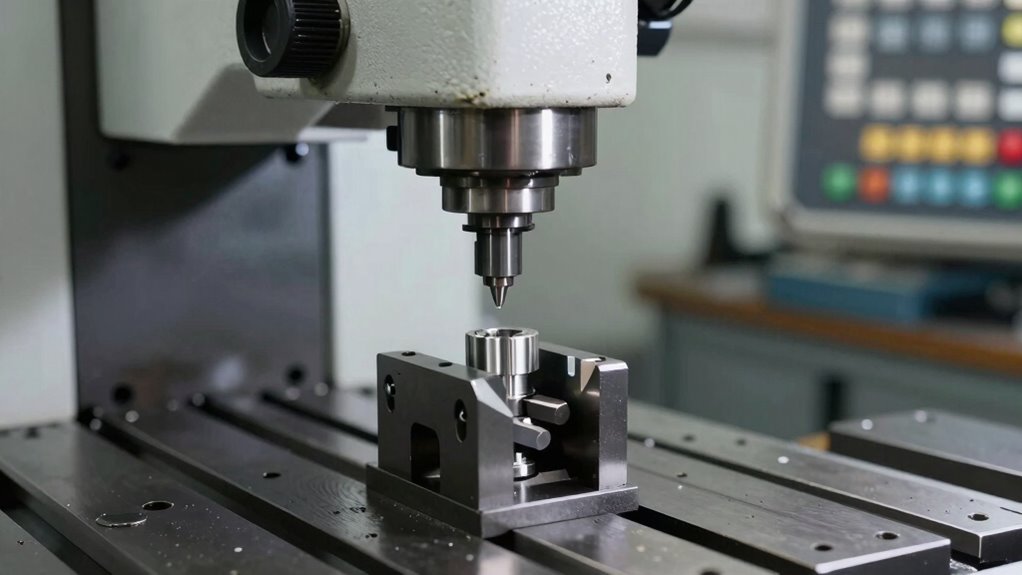
Workholding problems are common issues that can disrupt your workflow and compromise safety. If your parts aren’t held securely, it could be due to incorrect clamp selection or flawed fixture design. First, check if your clamps are appropriate for the size and material of your part; using the wrong clamp can cause slipping or deformation. Next, review your fixture design—ensure it supports the part evenly and prevents movement during machining. Tighten clamps gradually and evenly to avoid distorting small parts. If vibration persists, consider adding additional support or adjusting the fixture layout. Regularly inspect your workholding setup for wear or damage. Troubleshooting these issues quickly helps maintain accuracy, safety, and efficiency in your machining process.
Frequently Asked Questions
What Materials Are Best Suited for Small Part Workholding Devices?
You should choose materials like aluminum, steel, or brass for small part workholding devices, as they offer excellent durability and precision. Material selection is vital because it impacts the device’s longevity and stability during machining. For high-volume or heavy-duty use, steel is ideal due to its durability considerations. For lighter tasks or when weight matters, aluminum works well, providing a good balance of strength and ease of handling.
How Does Temperature Affect Small Part Workholding Stability?
Temperature fluctuations can notably impact your small part workholding stability. As temperature rises, thermal expansion causes materials to expand, potentially loosening your grip. Conversely, cooling can cause contraction, making your hold too tight. Materials with high conductivity transfer heat quickly, affecting stability more rapidly. To maintain precision, choose stable materials with low thermal expansion coefficients and consider temperature control to prevent these issues from compromising your work.
Can Workholding Methods Be Automated for Small Parts?
Like a well-oiled machine, automation for small parts is highly achievable. You can integrate robotic systems to enhance precision and efficiency, reducing manual handling. The automation potential is significant, allowing you to set up workholding devices that automatically secure tiny components. With robotic integration, you gain consistency and speed, making your manufacturing process more reliable and cost-effective. This approach streamlines operations while maintaining the delicate control needed for small parts.
What Are Cost-Effective Workholding Options for Hobbyists?
You can use cost-effective workholding options like magnetic fixtures and rubber clamps to secure small parts. Magnetic fixtures are easy to set up and remove, saving you time and effort. Rubber clamps offer a gentle grip that prevents damage while holding parts firmly in place. These solutions are affordable, simple to use, and perfect for hobbyists working with small components, ensuring safety and precision without breaking the bank.
How to Prevent Damage to Delicate Small Parts During Clamping?
To prevent damage to delicate small parts during clamping, you should use gentle clamping techniques, applying just enough pressure to hold the piece securely without causing stress. Additionally, consider applying protective coatings or padding, such as rubber or soft foam, between the clamp and the part. This reduces direct contact and minimizes the risk of damage, ensuring your small parts stay intact and undamaged during workholding.
Conclusion
So, next time you’re gripping tiny parts with your fingers, remember: keeping your fingers far and control close isn’t just good advice—it’s a hilarious reminder that even in precision work, a little irony can save your digits. After all, the biggest mistake isn’t losing a finger, but forgetting that the right workholding tools make everything safer, easier, and way less painful. Happy machining—and maybe invest in those custom jigs before you pinch yourself!