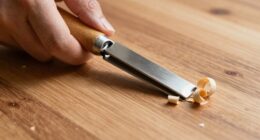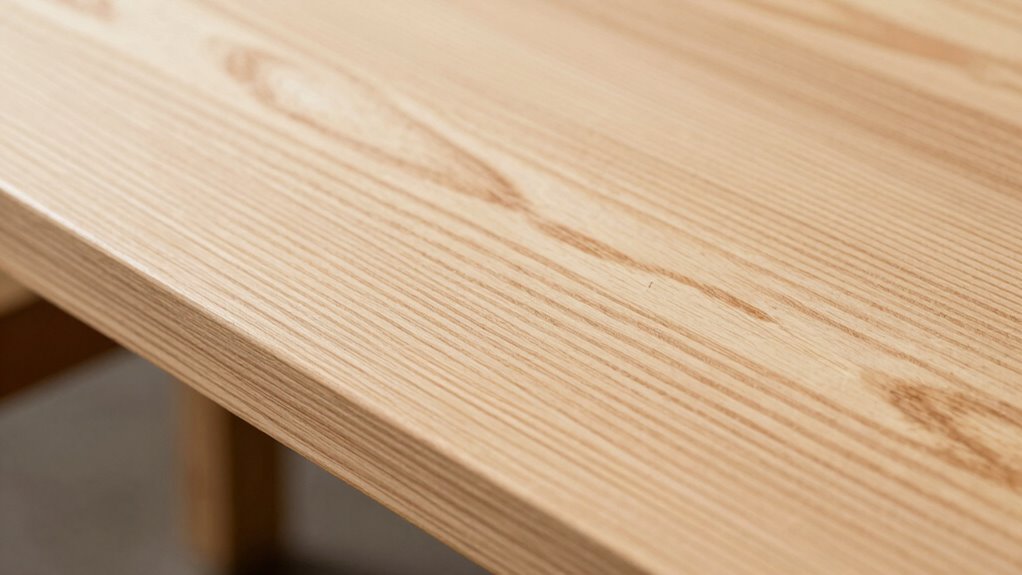

To prevent tear-out when working with wood, always identify the grain direction by checking surface patterns, textures, and end grain cues. Plan your cuts to follow the grain, cutting with sharp tools at shallow angles for cleaner results. Use guides, jigs, and proper clamping to stay aligned with the fiber flow. Managing grain variability and applying finishing techniques can also minimize damage, helping you achieve professional, durable projects—continue to explore how mastering grain pays off in every cut.
Key Takeaways
- Always identify and follow the natural grain pattern by examining surface texture and end grain before cutting.
- Use sharp blades and tools to minimize fiber tearing and ensure cleaner cuts along the grain.
- Align your cuts with the grain direction, especially when planing, sawing, or sanding.
- Employ guides, jigs, and featherboards to maintain consistent, grain-aligned cuts and prevent tear-out.
- Adjust your feed rate and cutting technique based on grain type and variability to reduce stress and fiber damage.

Cabinet Hardware Jig, Punch Locator Drill Guide,Wood Drilling Dowelling Guide for Installation of Handles Knobs on Doors and Drawer, Cabinet Template Tool for Handles and Pulls
🏠【Time Saver Quick Drilling】TBVHOMM cabinet hardware Jig is easy to set up. It only take one time for…
As an affiliate, we earn on qualifying purchases.
As an affiliate, we earn on qualifying purchases.
Why Grain Direction Matters in Woodworking
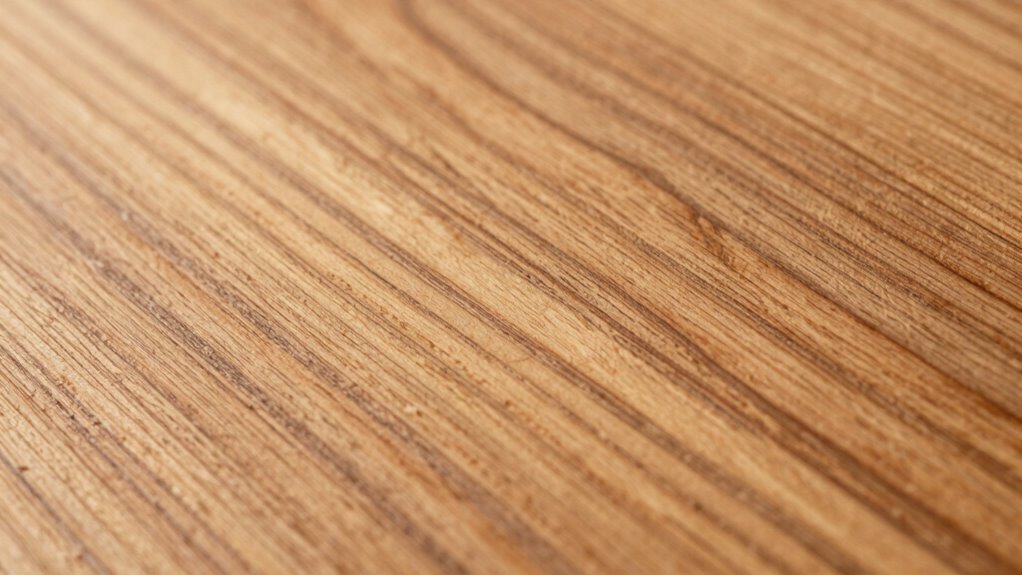
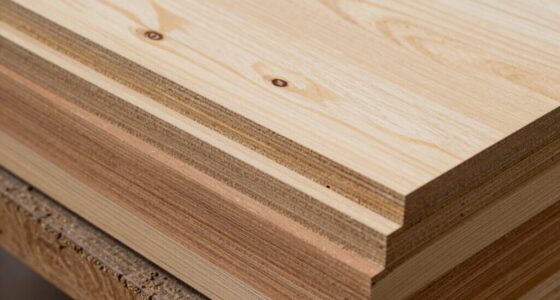
Understanding grain direction is essential because it directly affects the strength, stability, and appearance of your woodworking projects. Your choice of grain orientation impacts how the wood behaves under stress and how it looks once finished. Different wood patterns, such as straight, wavy, or irregular grains, influence how you should cut and assemble pieces. When you align your cuts with the grain, you reduce tear-out and improve surface finish. Conversely, going against the grain can cause splintering and weaken the structure. Recognizing the natural wood patterns helps you plan your project effectively, ensuring durability and a professional appearance. Paying attention to grain direction from the start makes your woodworking smoother, safer, and more satisfying with results that last. Additionally, understanding Free Floating techniques can help you manage wood movement and prevent warping over time, especially when working with different wood types. Being aware of the grain orientation also guides you in selecting the right tools and techniques for optimal results. Properly aligning your work with the grain direction can also enhance the overall quality and longevity of your finished piece. Exploring grain matching methods can further improve the aesthetic consistency across your woodworking projects.
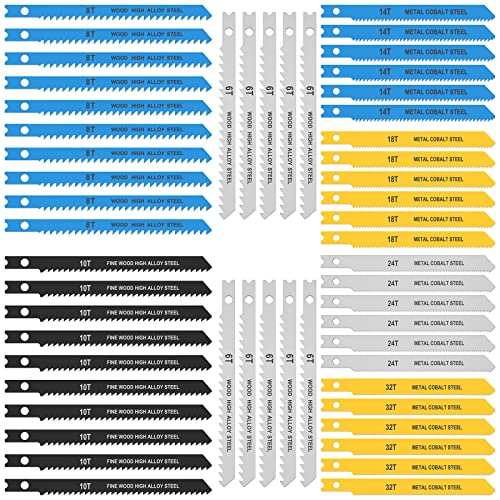
Abizarch 54Pcs Jig Saw Blade Set High Carbon Steel Assorted Saw Blades with U-Shank Sharp Fast Cut Down Jigsaw Blade Woodworking Tool for Wood Metal Plastic Cutting
(*^_^*) [Fast Cutting] Precise polishing of teeth is designed for fast chip removal, speeding up the cutting process,…
As an affiliate, we earn on qualifying purchases.
As an affiliate, we earn on qualifying purchases.
How to Identify Grain Direction on Different Woods

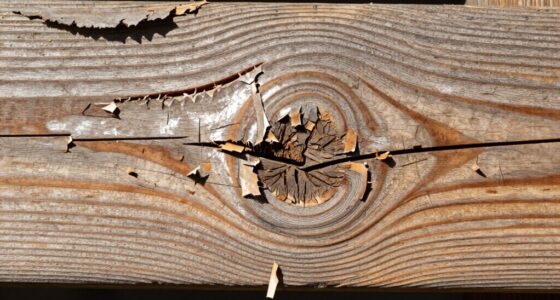
To accurately identify grain direction on different woods, you need to observe the surface closely and look for visual cues. Focus on the grain pattern, which reveals the natural flow of the wood fibers. Run your hand gently along the surface to feel the wood texture; it often indicates the grain’s direction—rougher or more prominent fibers usually point along the grain. Look at the end grain for visible lines or rings that show the grain’s path. On flat surfaces, the grain pattern may appear as straight, wavy, or irregular lines, helping you determine the primary direction. Recognizing these visual cues guarantees you cut or plane with the grain, reducing tear-out and achieving cleaner results. Additionally, understanding the grain orientation can help you select the best tools and techniques for your project. Being aware of the wood grain also minimizes damage and ensures a smoother finish. Paying attention to grain direction is essential for a professional-looking woodworking project and prevents costly mistakes. To further improve your accuracy, studying grain patterns specific to different woods can make identifying the correct direction even easier. Moreover, understanding variations in grain structure across species can aid in making more precise cuts.

Featherboard Woodworking Tools, Safety Device Stackable Featherboard for Table Saws, Router Tables & Band Saw with Miter Slots, Miter Track, T-Slots, T-Track(2 Pcs)
【Premium Quality】Featherboards are made of high-tech polymer with an innovative and simplified design that has specially angled fingers…
As an affiliate, we earn on qualifying purchases.
As an affiliate, we earn on qualifying purchases.
Best Practices for Planning Cuts to Follow the Grain
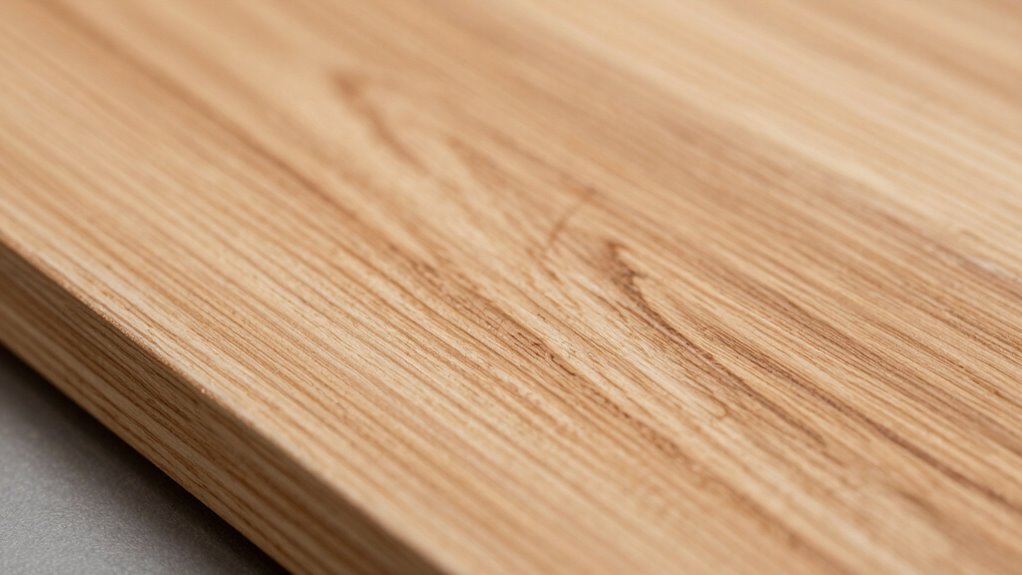
To get the best results, you need to align your cuts with the grain carefully. Using proper cutting techniques helps prevent splintering and guarantees a smoother finish. Paying close attention to grain direction makes your work easier and more professional.
Align Cuts With Grain
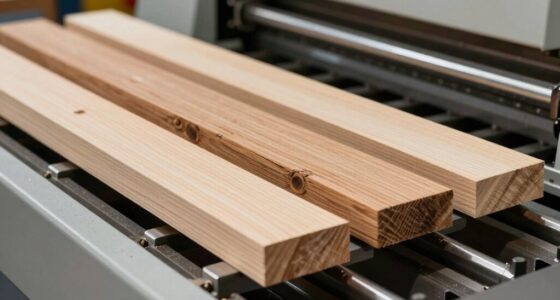
Have you ever noticed how a cut along the grain results in a cleaner, stronger edge? That’s because aligning your cut with the grain orientation respects the natural direction of the wood fiber. When you follow the grain, you reduce the risk of tear-out and splintering, ensuring a smoother finish. Before making your cut, examine the wood surface carefully to identify the grain pattern. Mark your cut line to follow the natural flow of the fibers, which helps guide your saw and maintain control. Proper alignment with the grain minimizes stress on the wood, preventing unwanted splits or chipping. Remember, understanding the grain orientation and cutting along it is key to achieving clean, professional results and reducing the need for extra sanding or correction.
Use Proper Cutting Techniques
Planning your cuts carefully is essential for following the grain effectively. To achieve this, always pay attention to the grain orientation before making a cut. Use proper cutting techniques to maintain cutting accuracy, which helps prevent tear-out and ensures smooth results. Keep your saw blade aligned with the grain and avoid forcing the cut, as this can cause splintering. Take your time and make shallow passes if necessary, rather than trying to cut through in one go. Use sharp blades and steady pressure to follow the grain precisely. Proper technique minimizes tear-out and produces cleaner, more professional-looking edges. Remember, the key to successful cuts is patience and attention to grain direction, ensuring your project stays accurate and free of damage.

Kreg KMA2685 Rip-Cut Circular Saw Guide – Cutting Tool – Guide is Best for Regular (Side-Blade) Circular Saw – Ensure Compatibility Before Use – Woodworking Tools for Home Improvement
Saw Guide Compatibility: This saw guide turns your circular saw into a precision edge-guided tool; works best with…
As an affiliate, we earn on qualifying purchases.
As an affiliate, we earn on qualifying purchases.
Cutting Along vs. Against the Grain: Which Is Better?
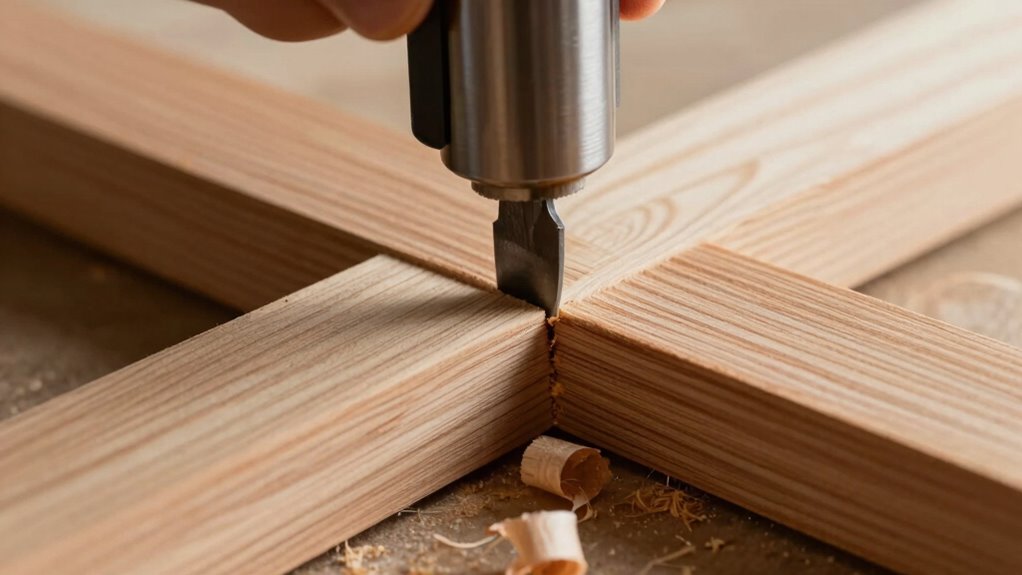
When deciding whether to cut along or against the grain, consider how each affects efficiency and the final look. Cutting with the grain usually produces a cleaner surface, while against the grain can create a rougher appearance. Additionally, your choice impacts the material’s strength and durability, so weigh these factors carefully. Understanding grain direction can help prevent tear‑out and enhance the quality of your cut. For example, knowing how grain pattern influences cuts can lead to better planning and results in your projects, ensuring a smoother, more professional finish. Recognizing grain consistency can also contribute to more predictable and controlled outcomes during cutting.
Cutting Efficiency and Grain
Cutting along the grain generally produces cleaner, more precise cuts, making it the preferred method for many woodworking projects. When you follow the natural grain orientation, your cut direction aligns with the fibers, reducing resistance and tearing. This efficiency means less effort and a smoother finish. Cutting against the grain, on the other hand, requires more force and often causes tear-out, which weakens the cut and increases cleanup time. By paying attention to the grain direction, you can maximize cutting efficiency and minimize mistakes. Proper alignment with the grain helps your tools glide smoothly, saving you energy and improving precision. Ultimately, understanding how grain orientation affects cut direction lets you work faster, cleaner, and with better results.
Visual Appearance Differences
Choosing whether to cut along or against the grain considerably impacts the final appearance of your woodworking project. Cutting along the grain often results in a smooth, uniform surface that enhances grain aesthetics, providing a consistent and pleasing look. In contrast, cutting against the grain can create a more textured, rustic appearance but may introduce visible tear-out or unevenness. To maintain visual consistency, consider these points:
- Cutting along the grain usually produces cleaner edges with minimal defects.
- Against-the-grain cuts may reveal more of the wood’s natural grain pattern, adding character.
- The choice affects how light interacts with the surface, influencing overall aesthetics.
- Understanding grain orientation and its influence on cut quality can help prevent tear-out and achieve the desired finish.
- Proper cutting technique and sharp tools are essential for minimizing tear-out regardless of the direction chosen.
Deciding depends on your project’s desired look and the importance of a clean finish versus a textured effect.
Impact on Material Strength
Have you ever wondered how cutting direction affects the strength of your woodworking project? Cutting along the grain typically maintains better grain stability, which enhances the material’s durability. When you cut against the grain, you risk weakening the wood’s structure, making it more prone to tear-out or splitting. This can compromise the overall strength, especially in load-bearing parts. By following the grain, you preserve the natural fibers, ensuring your piece remains sturdy over time. Conversely, cutting against the grain can create vulnerabilities, reducing the wood’s ability to handle stress. Choosing the right cutting direction isn’t just about appearance — it directly impacts the longevity and resilience of your project. Prioritize grain stability for stronger, more durable results. Understanding grain direction is essential for achieving optimal strength and preventing tear-out before it starts.
Tools and Jigs That Help You Follow Grain During Cuts
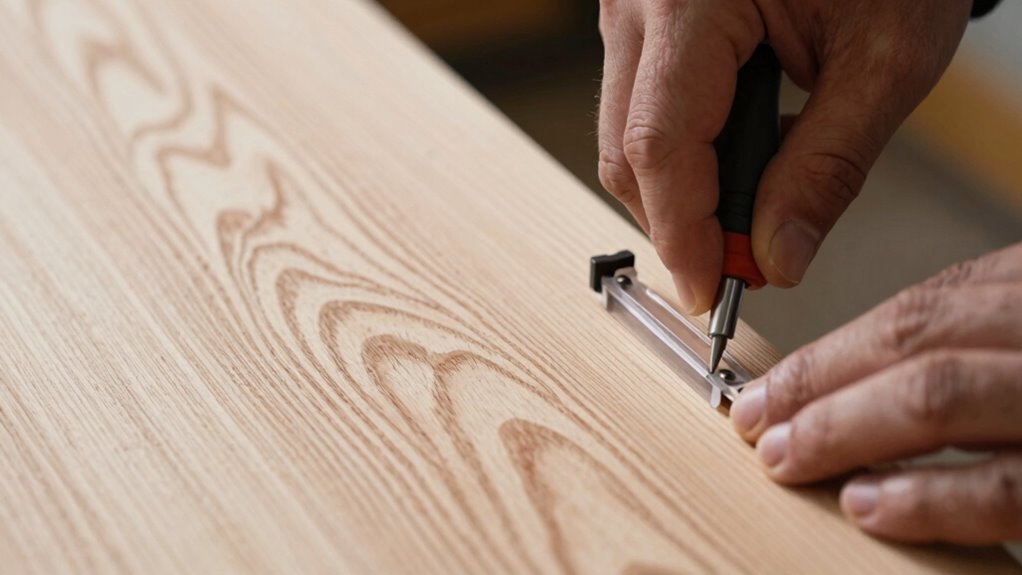
To guarantee your cuts follow the grain precisely, using the right tools and jigs can make a significant difference. Proper tools help you maintain awareness of grain orientation, ensuring your cuts align with wood stability. Consider these options:
- Clamps with guide rails: Keep your work steady and follow the grain line accurately.
- Cutting guides or jigs: Designed to align with grain direction, reducing tear-out risks.
- Featherboards: Hold the wood securely against the fence, maintaining consistent contact and following grain contours.
- Understanding grain direction and its influence on cut quality can help you choose the best techniques and tools for your project. Being aware of grain orientation also helps prevent tear-out and ensures a cleaner finish. Additionally, recognizing the grain pattern can assist in planning cuts to maximize visual appeal while reducing damage. Using grain awareness during cutting not only improves quality but also enhances safety by reducing unexpected wood movement. For optimal results, consider how grain consistency impacts the likelihood of tear-out and adjust your approach accordingly.
These tools help you control the cut path, minimize tear-out, and respect the wood’s natural grain. When used correctly, they improve precision, reduce waste, and make your woodworking safer and more efficient.
Common Causes of Tear-Out and How to Prevent Them
Tear-out often occurs when your cutting technique or tools aren’t aligned with the wood’s grain, causing fibers to splinter or tear away. Poor understanding of grain orientation and wood variability can lead to unpredictable tear-out. To prevent this, consider how grain runs through your wood. Hard, uneven grain increases risk. Using sharp blades and proper feed rates also helps. Here’s a quick comparison:
| Grain Type | Common Cause of Tear-Out |
|---|---|
| Straight Grain | Misaligned cuts, dull tools |
| Curly or Figured Grain | Sudden grain changes, inconsistent wood |
| Dense or Hard Grain | Excessive force, slow feed rate |
| Variable Grain | Inconsistent tear-out points, improper technique |
Knowing your wood’s grain orientation and variability is key to avoiding tear-out before it starts. Additionally, understanding grain direction can significantly reduce the chances of tear-out during your project.
Troubleshooting Tear-Out When Working With Difficult Grain
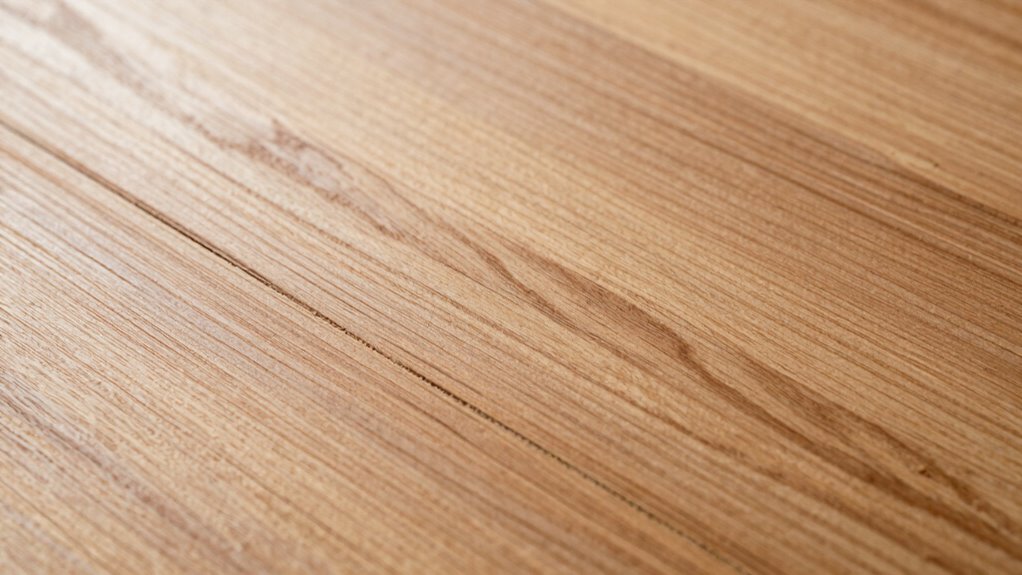
Working with difficult grain can be challenging because it often causes unexpected tear-out, even when you follow best practices. Grain orientation plays a vital role; misaligned wood fibers make tear-out more likely. To troubleshoot effectively:
Dealing with tough grain requires careful technique to prevent tear-out and achieve cleaner cuts.
- Check the grain direction carefully before cutting, ensuring your tool moves with the wood fibers rather than against them.
- Use sharp blades or bits to reduce stress on the wood, especially when cutting through tough or irregular grain.
- Adjust your feed rate—slower cuts help prevent tear-out by giving the tool more control and reducing strain on the wood fibers.
Understanding how grain orientation influences tear-out allows you to adapt your technique, minimizing damage and achieving cleaner cuts even with challenging grain.
Finishing and Sanding Tips to Minimize Grain Damage
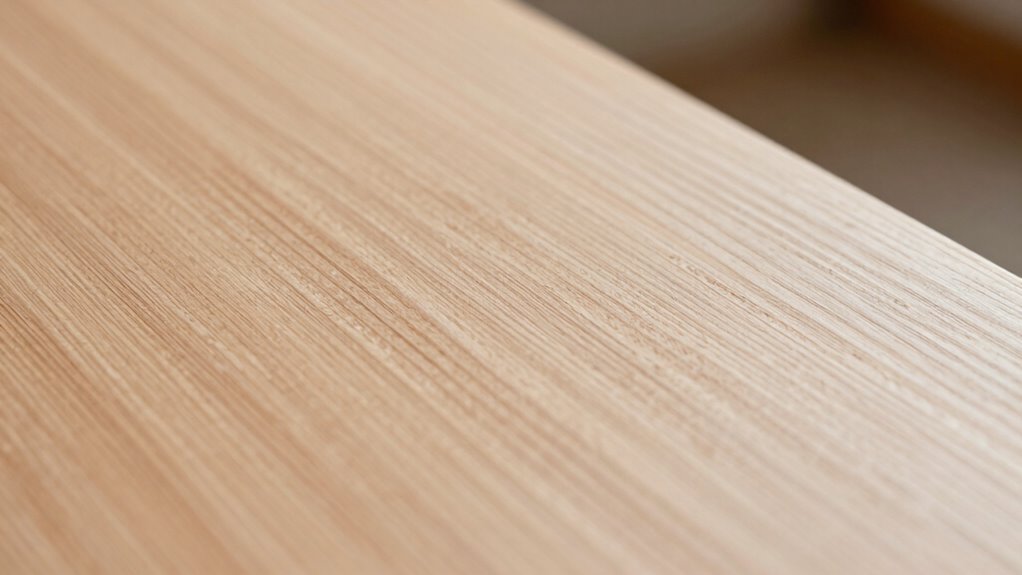
Proper finishing and sanding techniques are essential for minimizing grain damage and achieving a smooth, professional surface. Focus on understanding your wood’s grain orientation; always sand along the grain to prevent tear-out. Use light, even pressure and coarse grit sandpaper initially, then switch to finer grits for a polished finish. Keep the sander moving to avoid uneven spots. Here’s a visual guide:
| Grit Level | Sanding Direction | Result |
|---|---|---|
| Coarse | Along the grain | Removes rough surface |
| Medium | Along the grain | Prepares for finishing |
| Fine | Along the grain | Smooths and minimizes damage |
Wrapping Up: Mastering Grain Direction for Stronger, Cleaner Projects

Mastering grain direction is essential for creating stronger, cleaner woodworking projects. Understanding wood properties and grain orientation helps prevent tear-out and ensures better finishes. To achieve ideal results:
- Always examine the grain pattern before cutting or planing.
- Cut with the grain to reduce splintering and enhance strength.
- Adjust your tools and techniques based on the specific wood properties.
Frequently Asked Questions
Can Grain Direction Affect Wood Strength and Stability?
Yes, grain direction affects wood strength and stability. When you align your cuts with the grain, you enhance the wood’s strength and reduce tear-out, which improves stability. Conversely, cutting against the grain can weaken the structure and lead to warping or splitting over time. Paying attention to grain alignment guarantees your project remains durable and stable, making your work both stronger and more professional.
How Does Grain Orientation Impact Wood Stain Absorption?
You’ll notice that grain orientation considerably impacts wood stain absorption. When you apply stain along the grain, it allows for better stain penetration, leading to more even color and reduced grain expansion. Conversely, staining against the grain can cause uneven absorption and highlight grain patterns, making the stain look blotchy. To achieve a smooth finish, follow the grain direction for ideal stain penetration and minimized tear‑out.
Are There Specific Wood Species More Prone to Tear-Out?
Certain wood species, especially those with prominent grain patterns like oak, maple, and cherry, are more prone to tear-out. You should pay close attention to grain direction and wood movement when working with these types, as improper cuts can cause tear-out. By understanding the grain patterns and aligning your tools correctly, you can minimize tear-out and achieve smoother finishes, especially with woods that tend to split or chip easily.
How Can Climate Change Influence Grain Behavior?
Climate effects like increased temperature and humidity cause moisture fluctuations in wood, making grain behavior less predictable. You might notice more tear-out when cutting or planing because the wood expands and contracts unevenly. To minimize this, you should acclimate your wood properly before working on it, and pay close attention to moisture levels. Controlling environmental conditions during your project helps prevent tear-out caused by changing climate effects.
Does Grain Direction Affect the Longevity of Finished Projects?
Yes, grain direction greatly impacts the longevity of your finished projects. When you pay attention to the grain pattern during finishing, you reduce the risk of tear-out and surface damage over time. Using proper finishing techniques aligned with the grain ensures better protection and durability. By following these practices, you’ll enhance the project’s lifespan, preventing cracks and wear, and maintaining a smooth, professional appearance for years to come.
Conclusion
Mastering grain direction can reduce tear-out by up to 80%, saving you time and effort. When you plan your cuts carefully and follow the grain, your projects turn out cleaner and stronger. Remember, using the right tools and techniques makes all the difference. So, next time you’re woodworking, pay close attention to the grain—your finished piece will thank you with a professional look and added durability. Happy woodworking!