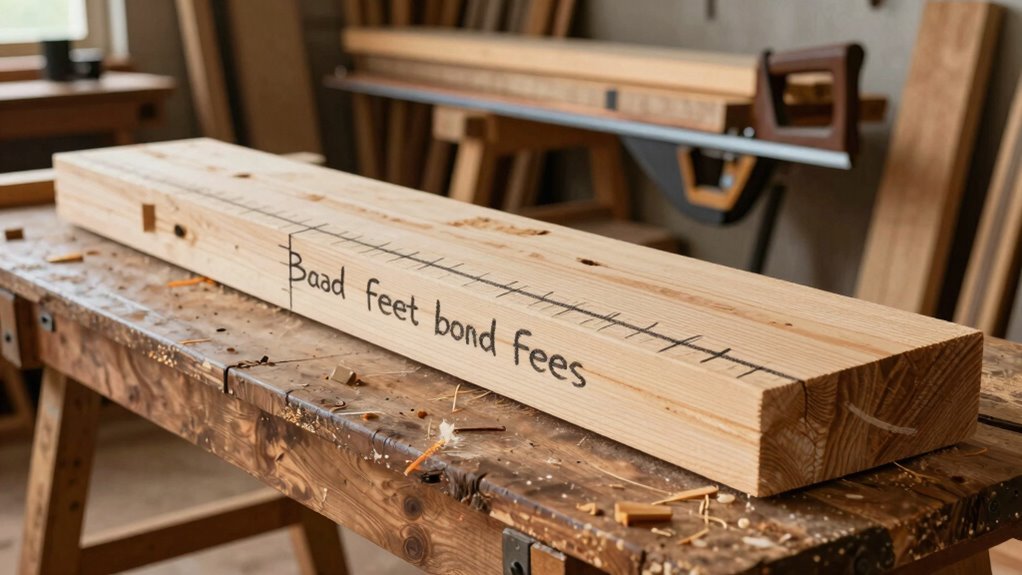

Board feet are a simple way to measure lumber volume by combining length, width, and thickness into a single unit. Basically, one board foot equals a piece of wood that’s 1 foot long, 1 foot wide, and 1 inch thick. To calculate, multiply the dimensions in inches and divide by 1,728. This helps you buy, sell, or plan projects accurately without complex math—stick around, and you’ll discover even more about how it all works.
Key Takeaways
- Board feet measure lumber volume, representing 1-foot length, 1-foot width, and 1-inch thickness of wood.
- The formula is: (width in inches × length in inches × thickness in inches) divided by 1,728.
- Convert measurements to inches if needed; multiply dimensions to get cubic inches, then divide for board feet.
- This measurement helps buyers and sellers estimate wood quantity accurately and avoid over- or under-purchasing.
- Understanding board feet simplifies project planning, costing, and ensures fair transactions in the lumber industry.

Calculated Industries 4065 Construction Master Pro Advanced Construction Math Feet-inch-Fraction Calculator for Contractors, Estimators, Builders, Framers, Remodelers, Renovators and Carpenters
SOLVE ALL YOUR DIMENSIONAL MATH quickly and accurately with the award-winning CM Pro construction calculator’s powerful built-in solutions…
As an affiliate, we earn on qualifying purchases.
As an affiliate, we earn on qualifying purchases.
Understanding Board Feet: A Simple Guide

Have you ever wondered how to measure the quantity of lumber accurately? If you’re working on a project or buying wood, understanding measurement units is essential for precise lumber calculation. The term “board feet” is a common measurement used in the woodworking and lumber industries, but it can seem confusing at first. Don’t worry—it’s straightforward once you get the hang of it. Board feet are a way to quantify the volume of lumber, taking into account its thickness, width, and length. This measurement helps you determine how much wood you’re purchasing or using, ensuring you buy enough without overestimating or underestimating.
To grasp board feet, start with the basic idea: one board foot is equal to a volume of 1 foot long, 1 foot wide, and 1 inch thick. If you’re familiar with measurement units like inches and feet, you’ll find it easier to understand. The key is to remember that board feet combine these dimensions into a single, standardized number. When calculating, you’ll measure the length, width, and thickness of your lumber in inches. Then, multiply these three measurements together. For example, if you have a piece that’s 6 inches wide, 10 feet long, and 1 inch thick, you’ll convert the length from feet to inches (10 feet = 120 inches). Next, multiply 6 inches (width) × 120 inches (length) × 1 inch (thickness).
The sum you get is 720 cubic inches. To convert this volume into board feet, divide by 1,728, which is the number of cubic inches in a cubic foot (since 12 inches × 12 inches × 12 inches = 1,728). Doing so, 720 divided by 1,728 equals approximately 0.4167. So, that piece of lumber is roughly 0.42 board feet. This calculation might seem complex, but with a simple calculator or a quick mental math trick, it becomes much easier. Many people prefer using a formula: (width in inches × length in inches × thickness in inches) / 1,728 = board feet. Additionally, understanding these measurements is crucial for professionals in the lumber industry to ensure accurate transactions and efficient project planning. Proper knowledge of volume measurement helps prevent errors and ensures fair dealings in timber sales. Recognizing these units can also aid in evaluating market prices for different types of lumber, ensuring you make informed purchasing decisions. Being familiar with the concept of lumber volume can also help you compare different products more effectively.

Digital Caliper, Adoric 0-6" Calipers Measuring Tool – Electronic Micrometer Caliper with Large LCD Screen, Auto-Off Feature, Inch and Millimeter Conversion
Precise measurement: Measurement range: 0 – 6''/0 – 150 mm; Resolution: 0.01”/0.1 mm; Accuracy: +/- 0.2 mm/0.01”. Perfect…
As an affiliate, we earn on qualifying purchases.
As an affiliate, we earn on qualifying purchases.
Frequently Asked Questions
Can Board Feet Be Used for Materials Other Than Wood?
Yes, board feet can be used for materials other than wood. You might explore sustainable alternatives like recycled materials or engineered products that are measured similarly. These options often come with environmental benefits and can be more affordable. When shopping, ask suppliers about these alternatives, and you’ll find ways to use board feet to evaluate a variety of materials beyond traditional lumber, helping you make eco-friendly, cost-effective choices.
How Do Board Feet Compare to Other Measurement Units?
Ever wonder how board feet stack up against other measurement units? Well, they’re a specialized unit for lumber volume, making measurement conversion straightforward for wood. Compared to cubic inches or feet, board feet simplify calculations by combining thickness, width, and length into one number. This unit comparison helps you quickly estimate wood quantities, saving time and hassle. Isn’t it easier to visualize your project’s material needs with board feet?
Is Measuring Board Feet Different for Hardwoods and Softwoods?
Measuring board feet is generally the same for hardwoods and softwoods, following the measurement standard of a 1-inch thick, 12-inch wide, and 12-inch long piece. However, species variation can affect how you interpret board feet, since different woods might have different densities and moisture content. Always consider these factors, but the calculation itself remains consistent, ensuring accurate comparison regardless of the wood type.
Are There Tools to Help Calculate Board Feet Easily?
Yes, there are tools to help you easily calculate board feet. You can use conversion tools or online calculators designed specifically for this purpose. These tools allow you to input dimensions like length, width, and thickness, and they automatically do the math for you. This way, you save time, avoid errors, and get accurate measurements without any hassle, making your woodworking or purchasing process much smoother.
How Does Moisture Content Affect Board Foot Calculations?
Ever wonder how moisture variation impacts board foot calculations? When moisture content changes, drying effects cause the wood to shrink or swell, altering its actual volume. If you don’t account for moisture variation, your board feet estimate could be off. Accurate calculations require measuring moisture content and adjusting for these drying effects, ensuring your estimates reflect the true size and weight of the lumber, avoiding costly mistakes or misjudgments.

Calculated Industries 8510 Home ProjectCalc Do-It-Yourselfers Feet-Inch-Fraction Project Calculator | Dedicated Keys for Estimating Material Quantities and Costs for Home Handymen and DIYs , White Small
ENTER DIMENSIONS JUST LIKE YOU SAY THEM directly in feet, inches, building fractions, decimals, yards and meters, including…
As an affiliate, we earn on qualifying purchases.
As an affiliate, we earn on qualifying purchases.
Conclusion
Now you know the basics of board feet, so you can confidently calculate, compare, and choose your timber with clarity. Remember, mastering measurements makes your woodworking journey more manageable and more meaningful. With a little practice, you’ll confidently convert, compare, and conquer your lumber needs. So stay sharp, stay savvy, and let your newfound knowledge turn your projects from perplexing to perfectly precise. Happy woodworking—your boards are bound for brilliance!
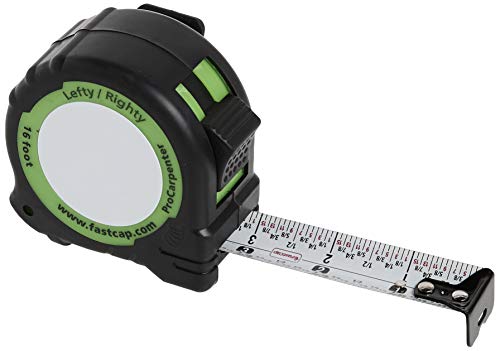
FastCap PSSR-16 16 Foot Pro Carpenter Standard Reverse Measuring Tape
The Standard/Standard Reverse features standard measurements that are readable when the tape is extended from either the right…
As an affiliate, we earn on qualifying purchases.
As an affiliate, we earn on qualifying purchases.