Nurturing perfectly flat rough lumber begins with understanding precise milling order—discover the essential steps to prevent warping and ensure stable, smooth boards.
Browsing Category
Wood & Lumber Science
31 posts
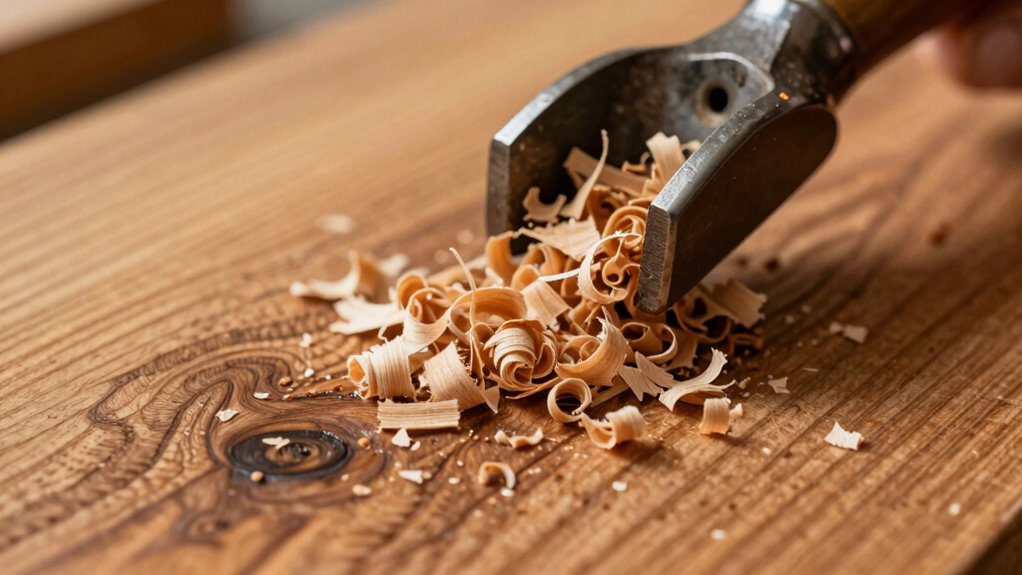
Tearout in the Planer: The Grain Reading Trick That Prevents It
To prevent tearout in the planer, you need to understand the grain…
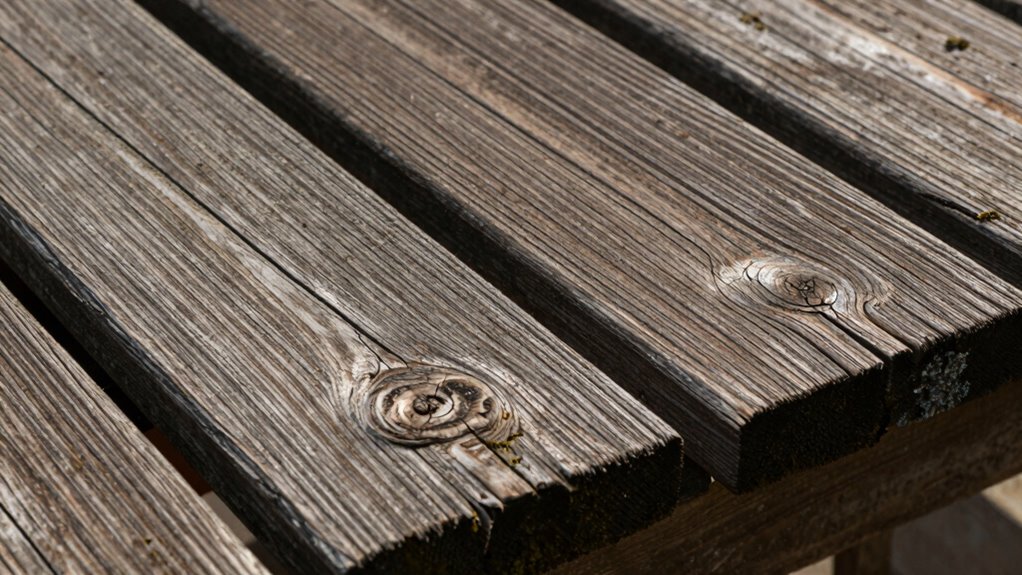
Rot Resistance 101: What Makes Wood Survive Outdoors
Keen to learn what makes certain woods withstand outdoor elements and how to choose the best for your projects?
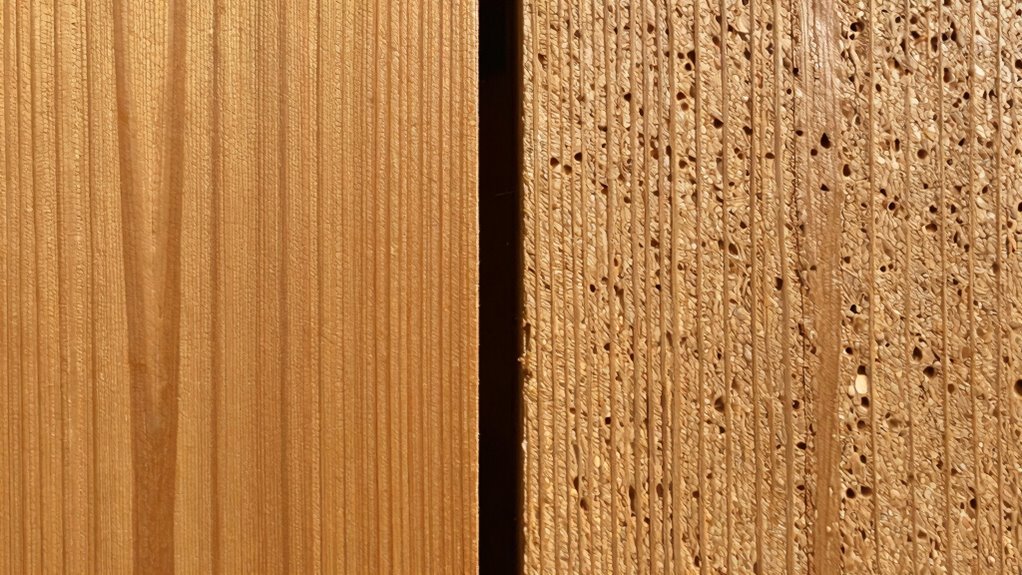
Wood Density Explained: Why Two Boards Feel Totally Different
How wood density influences board feel can surprise you, revealing why two similar-looking pieces might behave so differently in your hands.
Kiln‑Dried” Isn’t a Number: What to Look For Instead
Getting reliable firewood starts with knowing what signs to look for beyond the label—discover how to identify truly seasoned kiln-dried wood.
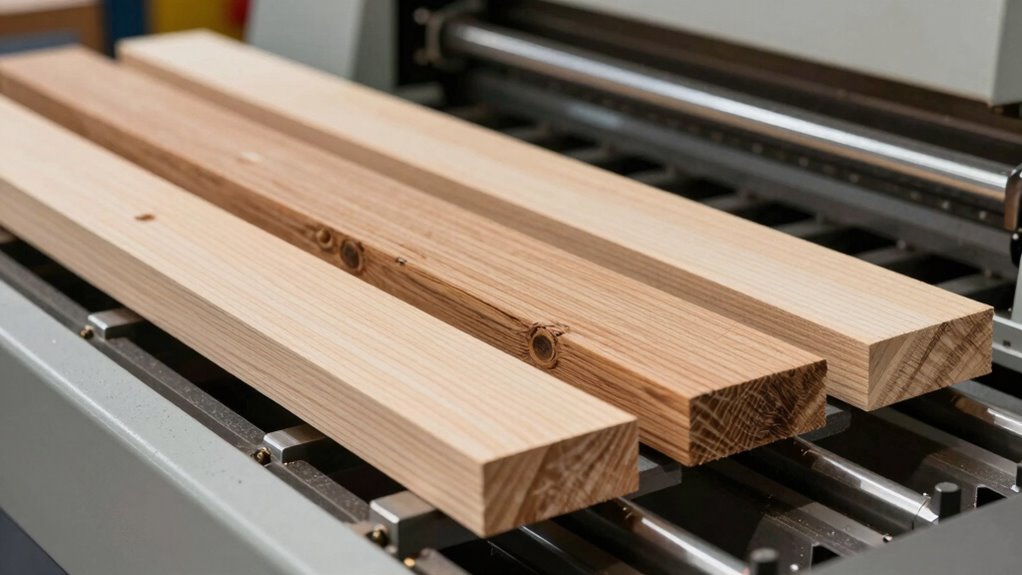
Milling Rough Lumber: The Order of Operations That Stays Flat
Discover the crucial steps for milling rough lumber to stay flat and how proper technique can transform your woodworking projects.
End Sealing Boards: The Tiny Step That Prevents Big Cracks
Narrow yet vital, end sealing boards prevent costly cracks; discover how this small step can protect your entire structure.
How to Store Lumber in a Garage Without Ruining It
Guidelines for storing lumber in your garage without damage reveal essential tips to preserve its quality and ensure long-term durability.
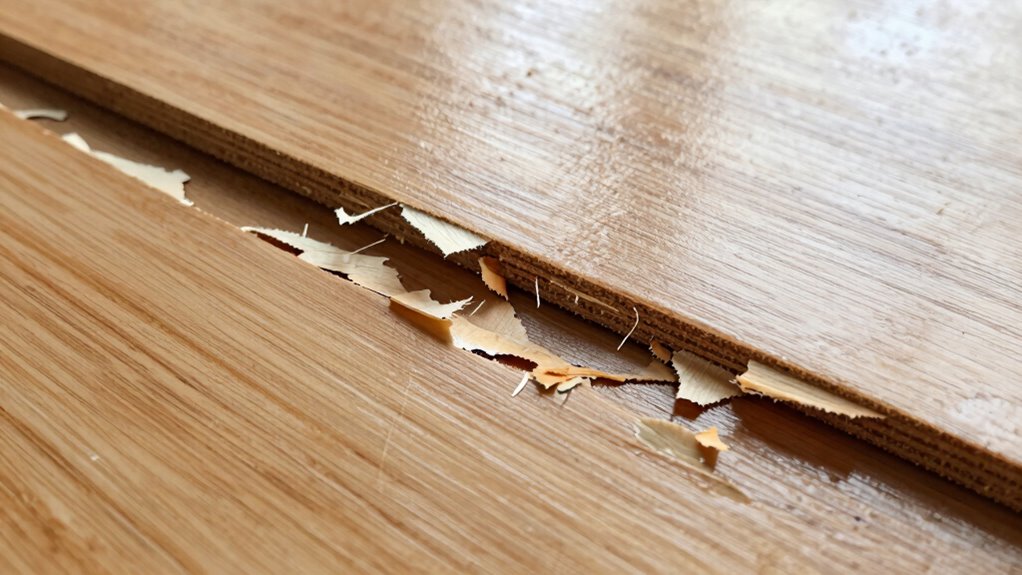
Veneer Tear‑Out: the Grain Direction Trap With Sheet Goods
Narrowing down veneer tear-out relies on mastering grain direction, but uncovering the true flow can be more complex than it seems.
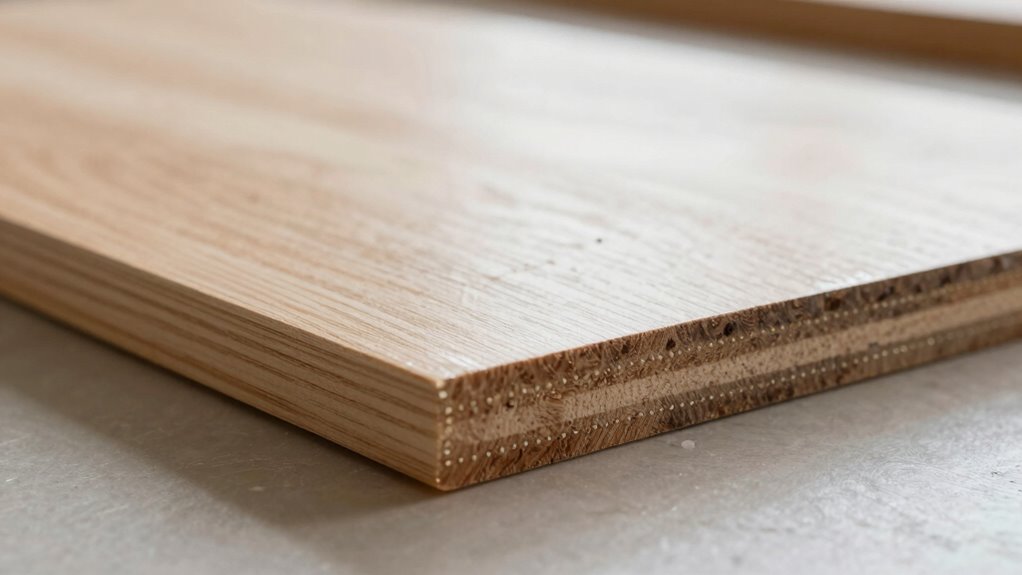
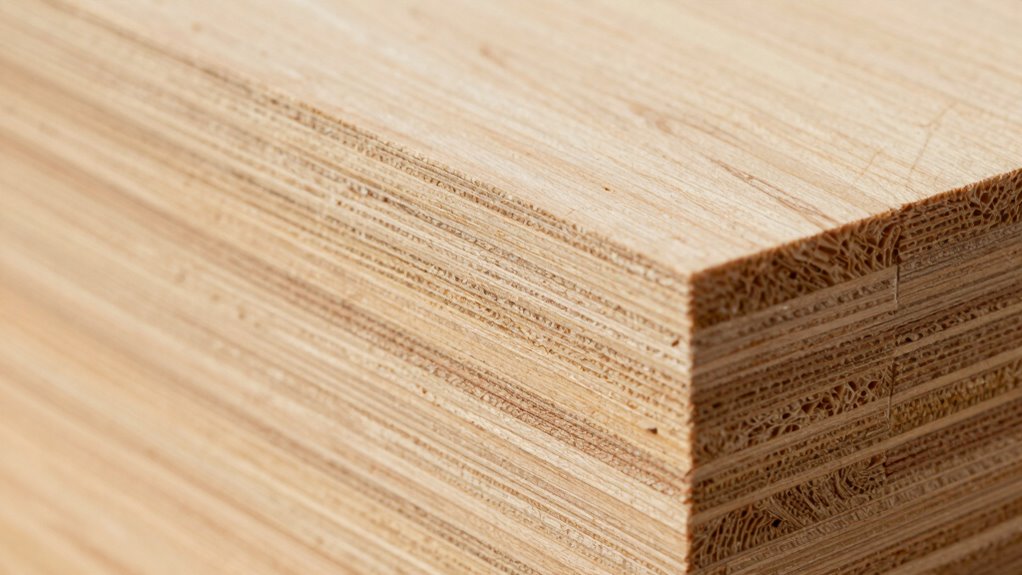
Plywood Core Types: What “Void‑Free” Actually Means
Onto understanding plywood core types and what “void-free” truly means—discover how this impacts strength and durability for your project.