To verify for drill press runout and wobbly holes, start by securing a dial indicator to the spindle or a stable surface. Slowly rotate the spindle while watching the indicator for deviations — this shows how much the spindle or chuck wobbles. It’s important to to make certain your setup is stable and the bit is sharp. If you find issues, there are simple ways to fix them if you stay tuned for more tips.
Key Takeaways
- Securely attach a dial indicator to the spindle or a stable surface for accurate measurement.
- Gently rotate the spindle by hand or with power, observing dial indicator readings for deviations.
- Record the maximum and minimum readings to determine the amount of runout.
- Check for excessive wobbling, which indicates spindle misalignment or worn bearings.
- Address issues like wear or misalignment promptly to ensure precise, wobble-free drilling.

Neoteck 0-1'' Digital Dial Indicator Table Saw Gauge Suitable for Table Saws with a Groove Width of 3/4" (19mm) or More for Aligning and Calibrating Work,Shop Machinery,Band Saw and Drill Press-Black
【Professional Table Saw Gauge】Neoteck table saw gauge is designed according to the standard miter grooves(3/8 inch x 3/4…
As an affiliate, we earn on qualifying purchases.
As an affiliate, we earn on qualifying purchases.
What Is Drill Press Runout and How Does It Cause Wobbly Holes?

Drill press runout occurs when the spindle or chuck isn’t perfectly aligned with the drill bit’s axis, causing it to wobble as it spins. This misalignment affects bit rotation, making the bit veer off course during drilling. When the spindle isn’t properly aligned, the drill bit doesn’t rotate smoothly, leading to uneven holes and rough edges. Wobbling happens because the drill bit’s axis isn’t true, resulting in lateral movement as it spins. Even small misalignments can cause significant runout, impacting the quality of your work. To prevent these issues, you need to understand how spindle alignment influences bit rotation. Proper alignment techniques are essential for maintaining accuracy and preventing damage to your tools. Ensuring that the spindle and chuck are properly aligned can be achieved through precise measurement tools, which help identify and correct misalignments effectively. Regularly checking for spindle runout can help catch issues early before they affect your projects.
Neoteck 0-1'' Digital Dial Indicator Table Saw Gauge Suitable for Table Saws with a Groove Width of 3/4" (19mm) or More for Aligning and Calibrating Work,Shop Machinery,Band Saw and Drill Press-Black
【Professional Table Saw Gauge】Neoteck table saw gauge is designed according to the standard miter grooves(3/8 inch x 3/4…
As an affiliate, we earn on qualifying purchases.
As an affiliate, we earn on qualifying purchases.
How to Prepare Your Drill Press for Accurate Runout Testing
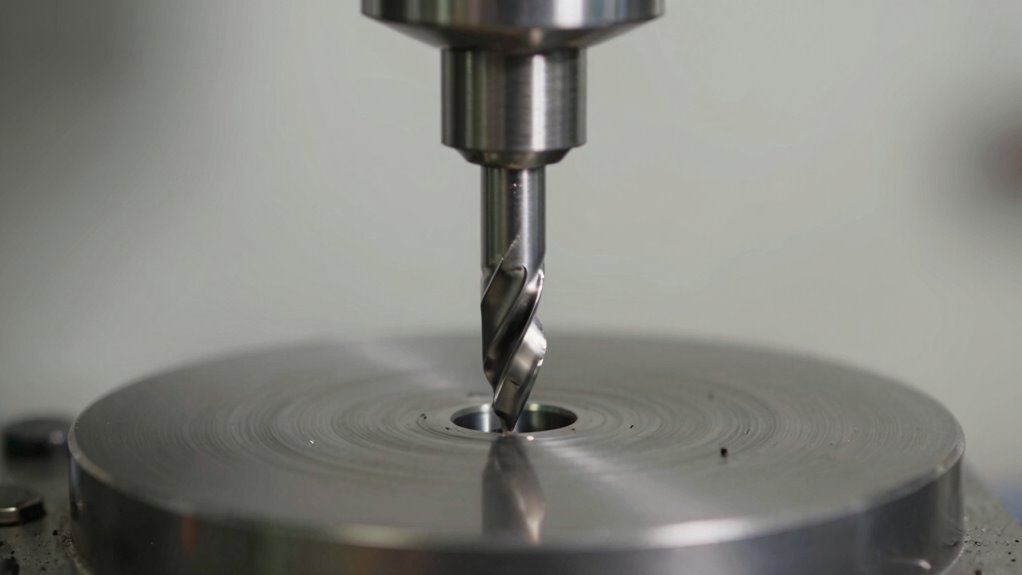
Before testing for runout, it’s essential to properly prepare your drill press to guarantee accurate results. Start by ensuring all safety precautions are in place—disconnect the power and wear safety glasses. Next, select the appropriate drill bit for your test; a sharp, high-quality bit helps prevent false readings. Secure the drill bit tightly in the chuck to avoid slippage during testing. Also, clean the spindle and chuck area to remove dust and debris that could affect precision. Additionally, verifying that the drill press is properly calibrated can further improve the accuracy of your measurements. Ensuring the machine’s calibration is up-to-date helps eliminate potential measurement errors. It is also beneficial to check that the spindle runout is minimized to ensure precise results. Performing a runout test with a dial indicator can help identify any deviations early on. It’s also advisable to consult the manufacturer’s guidelines to follow specific calibration procedures for your drill press model. Lastly, verify the drill press is on a stable, level surface to prevent movement. These steps help eliminate variables that could skew your measurements, ensuring the runout test reflects true conditions. Proper preparation is vital for reliable, meaningful results.

Edge Technology 02-000 Pro Lathe Gage – Quick, Accurate Tool Height Setting for Engine Lathe, Spindle Axis Alignment, Boring Bar Compatible, Hands-Free Design
Set turning, and facing tools on spindle axis for optimum cutting conditions.
As an affiliate, we earn on qualifying purchases.
As an affiliate, we earn on qualifying purchases.
Step-by-Step: How to Test Your Drill Press for Runout
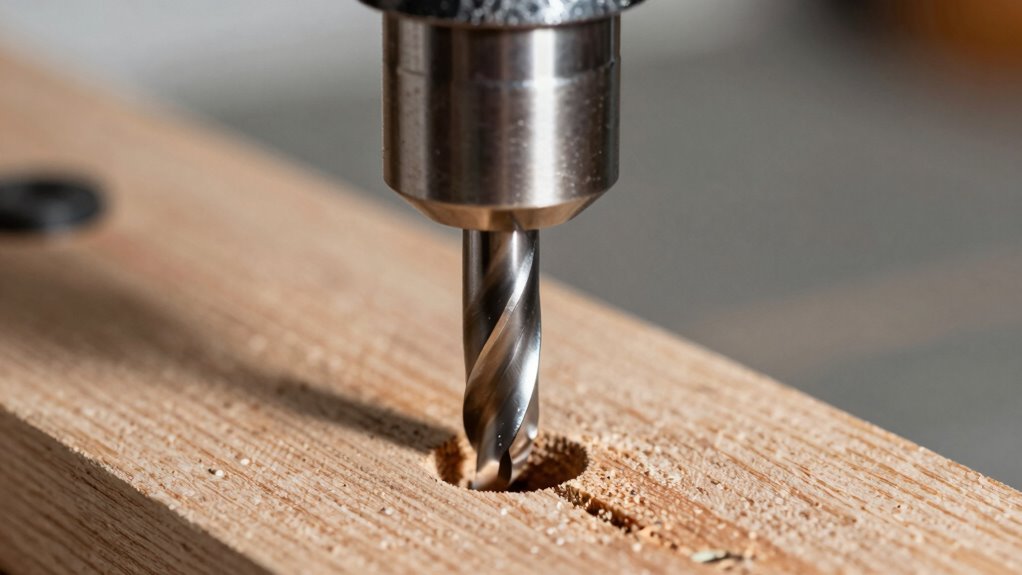
To accurately test your drill press for runout, start by securing the machine and setting up your measuring tools. Use a dial indicator for precision measurement, ensuring it’s firmly attached to the spindle or a stable surface. Position the indicator’s tip against the drill bit or a test mandrel mounted in the chuck. Rotate the spindle by hand slowly, observing the dial for any deviations. Record the highest and lowest readings to determine the amount of runout. Performing this test regularly helps with drill press calibration, ensuring your machine maintains accuracy over time. Keep the dial indicator aligned properly and move smoothly to get an accurate reading. Incorporating smart measurement tools can further enhance accuracy and streamline the testing process. Additionally, maintaining a clean and well-lubricated spindle area can help reduce instrument errors and improve measurement reliability. Regularly inspecting and replacing worn or damaged parts also contributes to better machine accuracy, ensuring your drill press performs reliably. This step is essential for consistent, precise drilling and identifying any wobble that could compromise your work quality.
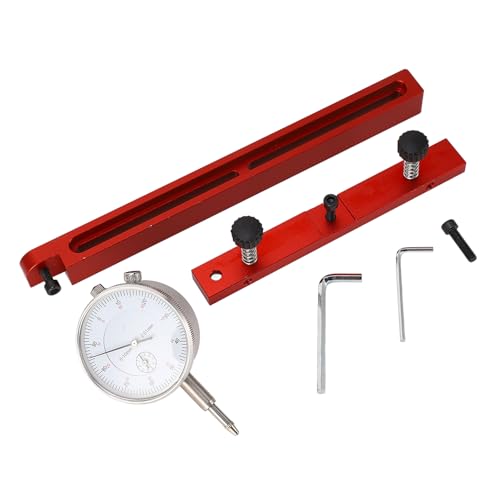
Dial Indicator Kit for Table Saw Fence Alignment and Calibration of Table Saws, Band Saws & Drill Presses – 0-1 Inch Measurement Range
: This table saw dialmeasures with , ranging from 0 . 01 inches to 1 inch , with…
As an affiliate, we earn on qualifying purchases.
As an affiliate, we earn on qualifying purchases.
How to Read Your Runout Test Results and Troubleshoot Common Issues
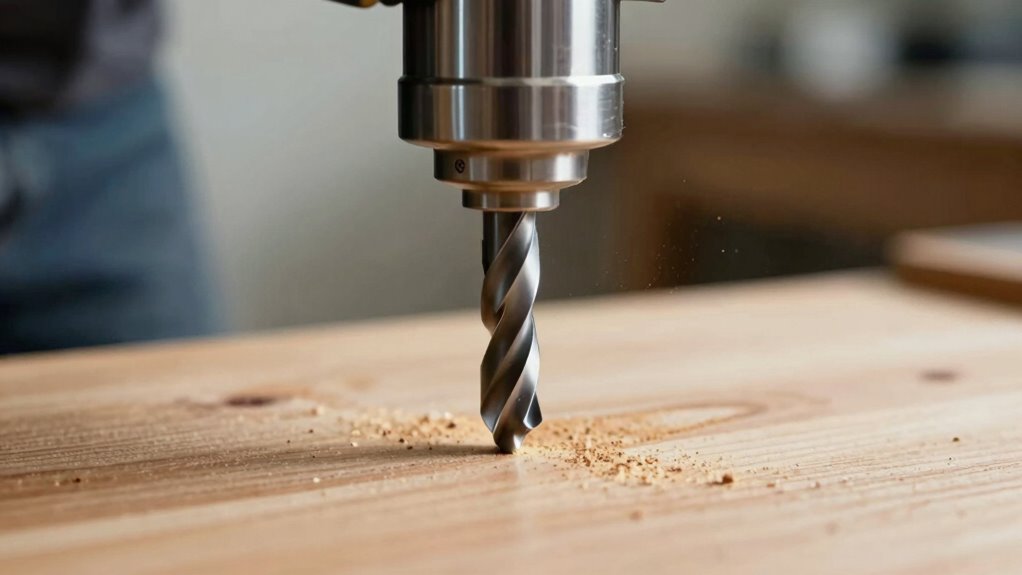
Interpreting your runout test results accurately is essential for diagnosing issues with your drill press. When reviewing measurements, focus on the bit depth you used during testing, as deeper bits can affect measurement accuracy. If the runout exceeds acceptable limits, it indicates potential problems like bent spindles or worn bearings. To troubleshoot common issues, consider these points:
- Check if your measurement setup was stable and precise
- Confirm the bit is properly secured and not damaged
- Ensure the measurement device is calibrated correctly
- Look for wear or damage in the spindle or chuck
Understanding these factors helps you identify whether your drill press needs adjustments or parts replacement, ultimately leading to cleaner, more accurate holes. Remember, consistent measurement accuracy is key to effective troubleshooting.
Easy Ways to Fix and Reduce Drill Press Runout for Better Holes
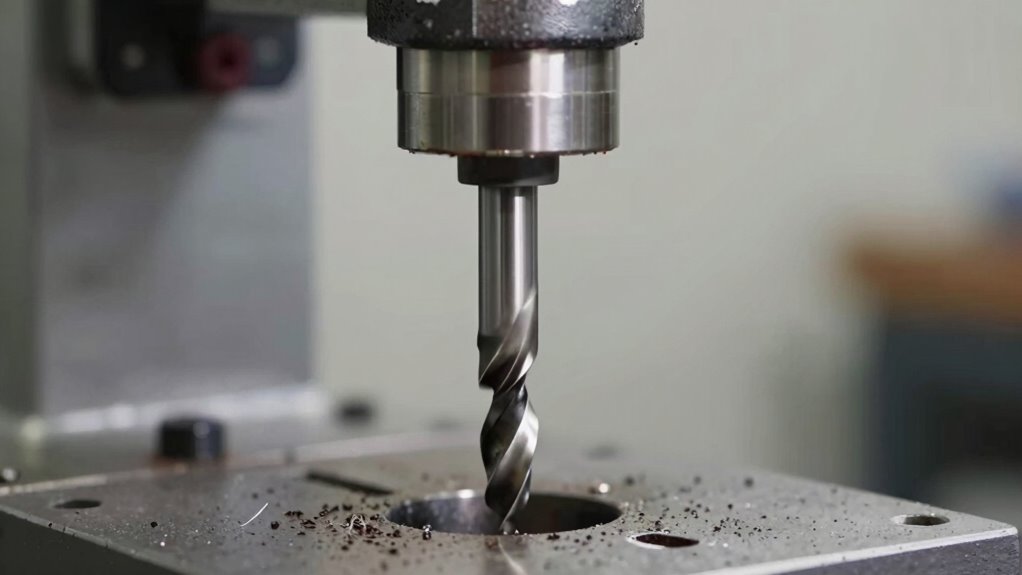
Reducing drill press runout is achievable with straightforward adjustments and maintenance. First, verify your drill bit is properly aligned in the chuck, as misalignment can cause wobbling. Tighten the chuck securely and confirm the bit’s concentricity before drilling. Next, check the spindle bearings; worn or damaged bearings often contribute to runout. If you notice excessive play or roughness, replacing the spindle bearings can markedly improve accuracy. Regularly clean and lubricate the spindle and chuck to prevent debris buildup that affects alignment. Also, verify the workpiece is firmly secured and supported to minimize movement during drilling. By maintaining proper drill bit alignment and confirming spindle bearings are in good condition, you’ll achieve smoother holes with less wobble, improving overall drilling precision. Additionally, inspecting the wiring and electrical components of your drill press can help ensure consistent operation and reduce potential issues that may contribute to runout. Ensuring all moving parts are properly maintained and aligned is essential for drill press accuracy and safer operation. Maintaining proper machine calibration can further enhance the precision of your drilling tasks and reduce wobbling. Regularly checking the alignment of the spindle, along with the other components, helps sustain optimal performance over time. Incorporating routine maintenance practices can prevent deterioration and keep your drill press functioning at its best.
When to Repair or Replace Your Drill Press for Lasting Accuracy
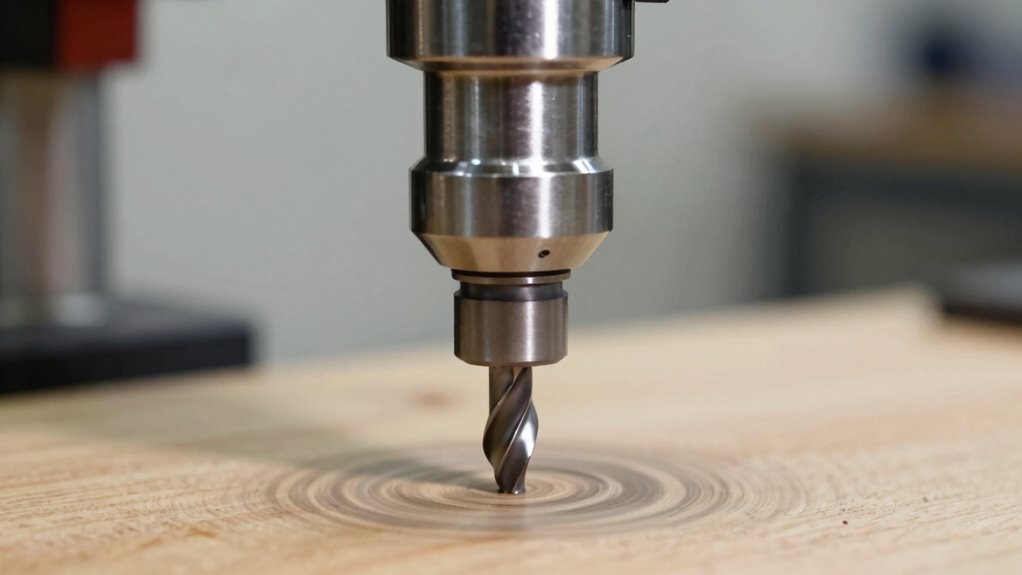
Knowing when to repair or replace your drill press is essential to maintaining accurate and efficient drilling. If you notice persistent wobbling, excessive runout, or difficulty achieving precise holes, it’s time to evaluate your equipment. Regular drill press maintenance and proper tool calibration can prolong its lifespan, but eventually, worn parts may compromise accuracy. Consider replacing your drill press when repairs become frequent or costly, or if the machine no longer meets your precision needs. Keep an eye on these signs:
- Consistent inaccuracies despite maintenance
- Excessive runout that can’t be fixed
- Worn or damaged spindles and quills
- Outdated or unsupported models affecting safety and performance
In addition, understanding the importance of accurate measurements can help you determine when your drill press is no longer suitable for your projects. Addressing machine wear early can prevent costly downtime and ensure continued precision. Proper drill press calibration is crucial for maintaining accuracy over time. Staying alert to worn parts and their impact on performance can help you schedule timely repairs and avoid unexpected failures. Recognizing the signs of equipment deterioration early allows for better planning and avoids costly replacements. Timely repair or replacement ensures lasting accuracy and safety, saving you time and money in the long run.
Frequently Asked Questions
Can Drill Press Runout Affect Different Materials Differently?
Yes, drill press runout can affect different materials differently. When runout causes wobbling, it can lead to uneven material deformation in softer materials, making them more prone to cracks or tears. For harder materials, increased runout accelerates drill bit wear, reducing precision and causing potential damage. So, you should check for runout regularly to guarantee clean holes and extend your drill bit’s lifespan across various materials.
What Safety Precautions Should I Take During Runout Testing?
You should wear safety goggles and clear your workspace to avoid flying debris and accidents during runout testing. Imagine a tiny chip turning into a rocket, hitting your eye! Keep your hands away from spinning parts and make certain no loose clothing or jewelry can get caught. Double-check that your drill press is stable and well-secured. Staying cautious keeps you safe while you test for wobbliness and avoid unexpected surprises.
How Often Should I Check My Drill Press for Runout?
You should check your drill press for runout at least once a month or after any heavy use or impact. Incorporate calibration schedules into your maintenance tips to keep accuracy consistent. Regular testing ensures your equipment stays precise, preventing wobbly holes and damage. Keep an eye on the spindle and chuck, and perform quick runout checks periodically to catch issues early and maintain ideal performance.
Does Drill Press Age Influence Runout Levels?
Yes, as your drill press ages, runout levels can increase due to wear and tear on parts like the spindle or bearings. Regular drill press maintenance helps minimize this, but you might need to apply runout correction techniques over time. Keep an eye on wobbling holes and perform periodic checks to catch issues early. Proper maintenance and timely correction guarantee your drill press remains accurate, regardless of age.
Are There Specific Brands Known for Lower Runout?
Some brands are known for lower runout due to their strong reputation and high manufacturing standards. You’ll find that brands like Jet, Powermatic, and Delta consistently produce drill presses with better precision and minimal wobble. These companies prioritize quality control, making certain your projects stay accurate. While they might cost more, investing in a reputable brand helps reduce runout issues and ensures reliable, long-lasting performance for your woodworking or metalworking needs.
Conclusion
By regularly testing your drill press for runout, you can catch wobbly holes early and guarantee precision in your projects. For instance, if you notice inconsistent hole sizes after a quick test, addressing minor misalignments or replacing worn parts can save you headaches down the line. Staying proactive keeps your drill press running smoothly, helping you produce clean, accurate holes every time. Don’t overlook this simple step—your craftsmanship depends on it.