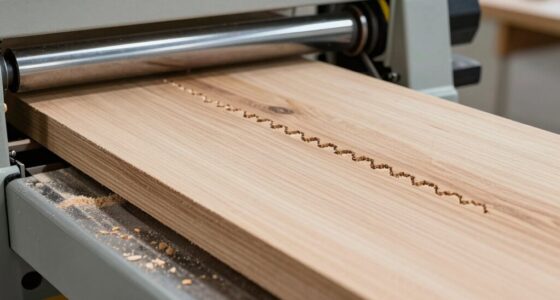

To diagnose bandsaw drift in three checks, first verify your blade tension is correct and the track is properly aligned—any looseness or misalignment can cause drift. Next, inspect the blade for signs of wear, such as dull teeth, cracks, or bending, and replace if needed. Finally, check that the wheels are balanced and clean to prevent uneven tracking. Following these steps will help identify the main causes, and there’s more to explore to optimize your setup.
Key Takeaways
- Check blade lubrication and tension to ensure smooth tracking and prevent drift caused by friction or looseness.
- Verify track and wheel alignment, cleaning wheels and adjusting tracks for consistent blade direction.
- Inspect the blade for wear, damage, or dullness, replacing or sharpening as needed to maintain straight cuts.
- Ensure wheels are balanced and free of debris to prevent irregular tracking and vibration-induced drift.
- Conduct regular maintenance, including calibration and vibration analysis, to detect and correct mechanical issues early.

Lenox, 62126, Band Saw Blade Tension Meter
As an affiliate, we earn on qualifying purchases.
As an affiliate, we earn on qualifying purchases.
How to Diagnose the Cause of Bandsaw Drift
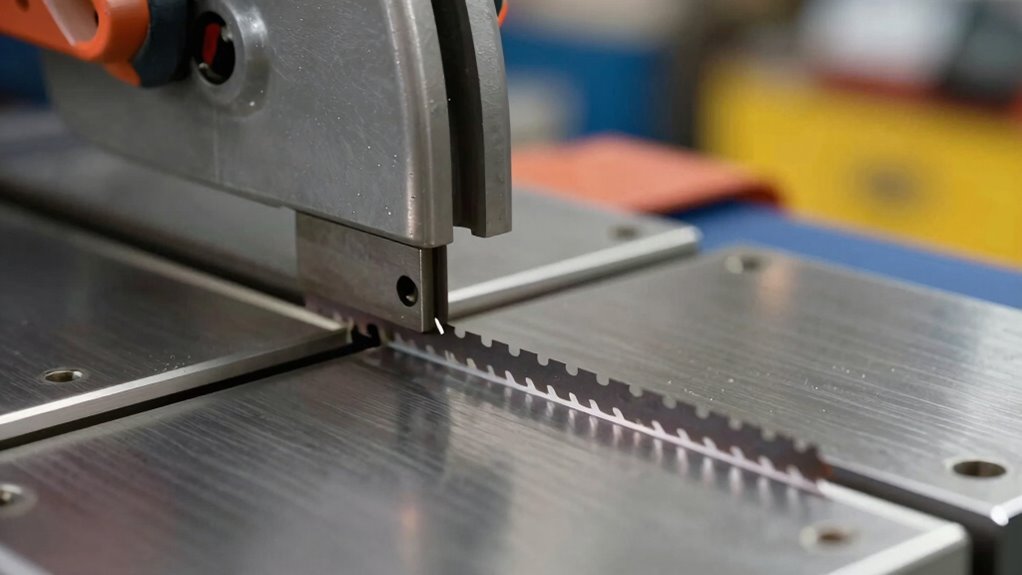
When your bandsaw starts to drift, the first step is to identify the underlying cause. Begin by checking if the blade is properly lubricated; a dry or sticky blade can cause uneven cuts and drift. Applying appropriate blade lubrication reduces friction, helping the blade track straight. Next, verify the motor calibration—if your saw’s motor isn’t calibrated correctly, it can lead to inconsistent blade movement. Ensure the motor is running smoothly at the correct speed and that any electronic controls are functioning properly. Also, inspect for any irregularities in the blade’s path or vibrations that might hint at calibration issues. Addressing these factors early helps eliminate common causes of drift, setting a solid foundation for more detailed troubleshooting. Additionally, understanding the precision of your equipment can help in diagnosing subtle issues that contribute to drift. Regular maintenance and checking for blade alignment can prevent drift caused by misaligned blades. Moreover, paying attention to blade tension is essential, as improper tension can also lead to tracking problems and drifting. Ensuring the consistent tension of the blade helps maintain proper tracking and reduces drift over time. To further improve detection, consider using vibration analysis to identify early signs of mechanical issues affecting the blade’s path.

CARTER F-A-S-T Fence Alignment Tool
FAST bar allows for accurate measurement of the width of the blade to the fence
As an affiliate, we earn on qualifying purchases.
As an affiliate, we earn on qualifying purchases.
Check Blade Tension and Track Alignment
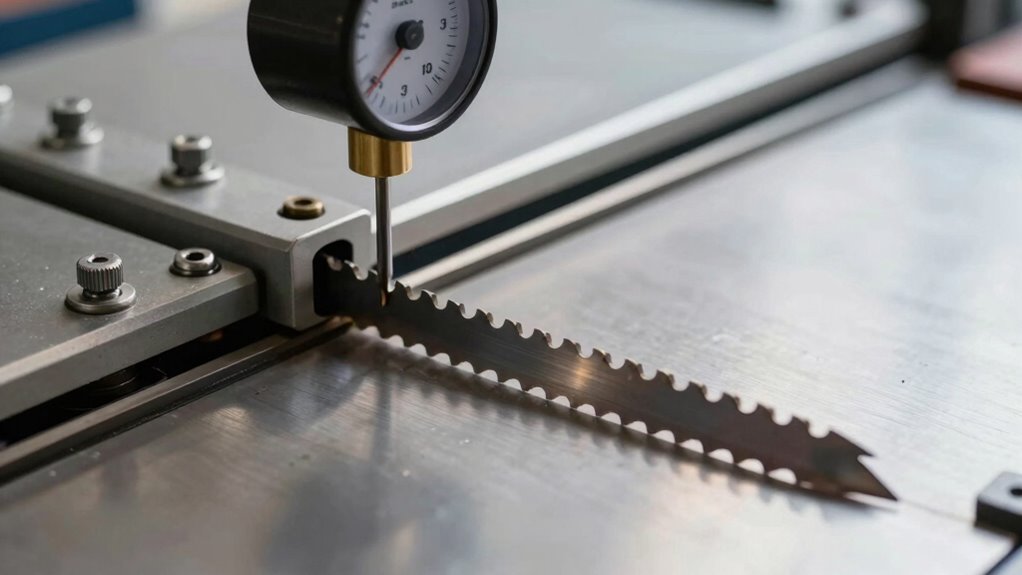
Proper blade tension and accurate track alignment are vital to prevent bandsaw drift. First, check the blade tension to ensure it’s neither too loose nor too tight; incorrect tension can cause the blade to wobble or slip. Adjust the tension as needed, following your saw’s specifications. Next, verify the track alignment by observing the blade’s path as it runs along the wheels. Proper wheel balancing is essential—unbalanced wheels can cause the blade to drift. Also, ensure the wheels are clean and free of debris, and apply blade lubrication if recommended, to reduce friction. Fine-tuning tension and alignment helps the blade track correctly, minimizing drift and improving cut accuracy. Regular checks keep your bandsaw running smoothly and extend the blade’s lifespan. Additionally, understanding wheel balancing and maintenance can help prevent issues caused by unbalanced wheels. Maintaining proper track alignment is crucial for consistent cuts and avoiding unnecessary blade wear. Incorporating regular maintenance routines can further enhance the longevity and performance of your bandsaw. Regularly inspecting and adjusting these elements ensures optimal operation and helps prevent bandsaw drift.

Wood-Mizer BMS25 Sawmill Bandsaw Blade Sharpener
Required 12V Battery Sold Separately
As an affiliate, we earn on qualifying purchases.
As an affiliate, we earn on qualifying purchases.
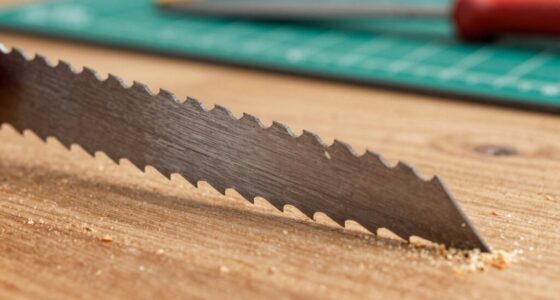
Inspect the Blade for Wear, Damage, or Bending
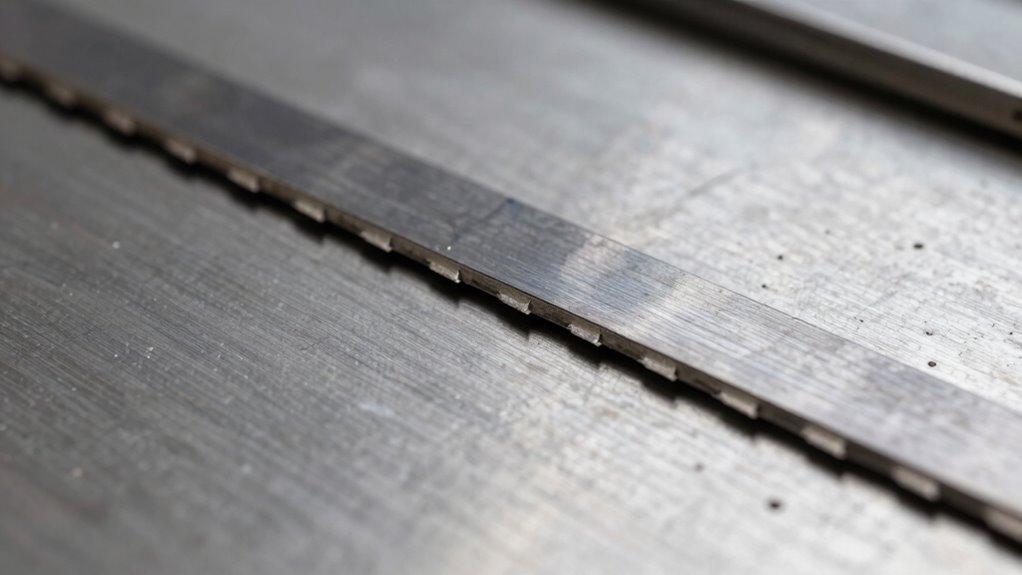
Inspecting your bandsaw blade regularly is essential because even small signs of wear or damage can cause drift and affect cut quality. Check the blade’s sharpness; dull blades can cause uneven cuts and instability. Look for any visible damage, such as cracks, missing teeth, or bending, which can lead to misalignment during cuts. Confirm the blade is properly lubricated if applicable, as inadequate lubrication increases friction, causing heat and potential warping. Bending or twisting in the blade can also lead to drift, so verify that the blade runs straight and true along the track. Regular inspections help you catch issues early, allowing for timely sharpening, lubrication, or replacement, ensuring your bandsaw performs accurately and consistently. Additionally, understanding vetted information on safety and maintenance best practices can help prevent accidents and prolong the life of your equipment. Being attentive to blade tension and adjusting it properly is also crucial for maintaining cutting accuracy and preventing unwanted drift over time. Moreover, monitoring blade alignment ensures the blade stays true and reduces the risk of drift during operation. Maintaining proper tension and alignment, as emphasized in safety standards, is vital for optimal performance and safety.

Zookpr 40mm Wheel Balancer Centering Spring, Stainless Steel Wheel Balancer Cone Spring, Ideal for Repair Shops & DIY Users
Product Specifications: Includes 1 wheel balancer spring with a size of 40mm
As an affiliate, we earn on qualifying purchases.
As an affiliate, we earn on qualifying purchases.
Frequently Asked Questions
Can Environmental Factors Affect Bandsaw Drift?
Yes, environmental factors can affect bandsaw drift. Changes in temperature and humidity can cause blade alignment issues, making the blade shift during cuts. Additionally, fluctuations in ambient temperature can lead to motor vibration, which impacts the saw’s stability and accuracy. By maintaining consistent environmental conditions, you can reduce these effects, keep your blade aligned properly, and minimize drift, ensuring cleaner and more precise cuts.
How Often Should I Calibrate My Bandsaw?
You should calibrate your bandsaw regularly, ideally every few months or after any significant changes. Start by checking the blade tension to ensure it’s not too loose or tight, which can cause drift. Then, verify wheel alignment to keep the blade tracking properly. Frequent calibration helps prevent drift and maintains cutting accuracy, especially if you notice uneven cuts or increased blade wear. Regular maintenance keeps your bandsaw running smoothly and accurately.
Are Specific Blade Types More Prone to Drift?
Sure, some blades are more prone to drift—think of high-tension, thin blades as the drama queens of your saw. Blade material, like carbon steel or bi-metal, influences stability; softer metals may wobble more. The tension adjustment is your secret weapon—if it’s too loose or tight, drift becomes your unwanted sidekick. Pick the right blade and keep tension in check, and you’ll tame that wandering bandsaw like a pro.
What Safety Precautions Are Necessary During Inspection?
During inspection procedures, you should wear appropriate safety gear like safety glasses, hearing protection, and gloves to protect yourself from potential hazards. Before inspecting the bandsaw, disconnect it from power to prevent accidental startup. Use proper tools and confirm blades are cool and secure. Always follow manufacturer guidelines and double-check safety features. Staying alert and following these precautions helps prevent injuries and ensures a safe, thorough inspection process.
How Does Blade Width Influence Drift Tendencies?
Blade width substantially influences drift tendencies, as wider blades tend to resist drifting better than narrower ones. When you adjust blade tension and guarantee proper wheel alignment, wider blades maintain straight cuts more effectively. Narrow blades are prone to wandering, especially if tension is insufficient or wheel alignment is off. Regularly checking these factors helps reduce drift, ensuring cleaner cuts and safer operation.
Conclusion
Now that you’ve checked the tension, track alignment, and blade condition, you’re like a detective solving the mystery of bandsaw drift. Remember, troubleshooting is about patience and persistence—think of it as tuning a fine instrument. With each check, you’re trimming away the noise until only perfect cuts remain. Keep at it, and soon your bandsaw will glide through wood as smoothly as a well-rehearsed symphony. Happy sawmilling!