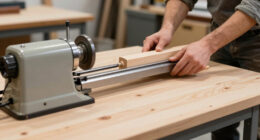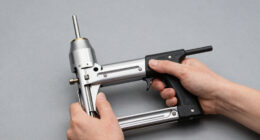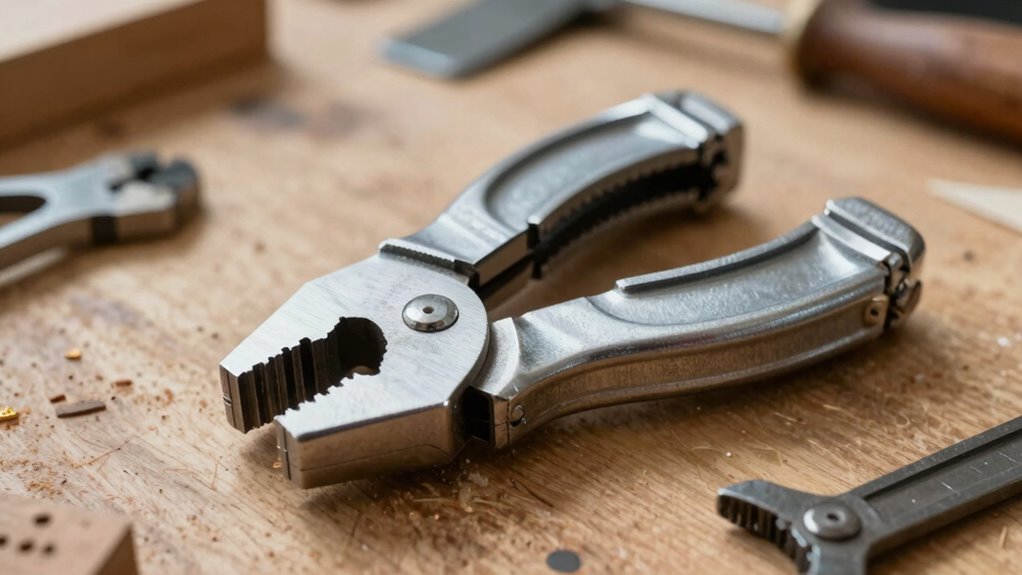
If your parallel clamps are out of alignment, start by checking for visible damage or wear. Inspect the adjustments and make sure screws aren’t stripped. Next, verify that clamps are tightened evenly and maintain parallel alignment along their jaws. Assess the surface for levelness; an uneven workbench can cause misalignment. Before clamping, confirm your workpieces are square and flush. Address these steps, and you’ll improve your clamping results. There’s more to uncover about enhancing your setup!

Get business pricing on tools and workshop supplies
- Business-only prices and quantity discounts
- Tax-exempt purchasing
- Multiple users, one account, clear invoices
Key Takeaways
- Inspect clamps for visible damage or wear that might affect alignment and functionality.
- Ensure screws are secure and not stripped to maintain proper clamping pressure.
- Verify that clamps are evenly tightened and parallel along the jaws for consistent alignment.
- Check the work surface for levelness, making adjustments as needed for stability.
- Regularly review and update alignment techniques to enhance precision during clamping.

When your parallel clamps are out of alignment, it can lead to frustrating misalignments in your projects. You might find that your wood pieces don’t fit together properly, or worse, they could warp during the clamping process. This can throw off your entire project. Thankfully, it’s often straightforward to fix these issues if you know what to look for.
First, check the clamps themselves for any visible damage or wear. Over time, the jaws of the clamps can become misaligned due to excessive use or improper handling. Inspect the clamp adjustments; make sure they’re functioning correctly and the screws aren’t stripped. If a clamp isn’t tightening evenly, it might not hold your workpiece securely, leading to misalignment. Adjust the clamps to guarantee they’re parallel and grip evenly along the entire length of the jaws.
Check your clamps for damage and ensure they tighten evenly to maintain proper alignment and secure your workpieces effectively.
Next, consider the surface on which you’re clamping. If your workbench or sawhorses aren’t level, it can throw off the alignment of your clamps. Use a level to check the surface and make any necessary adjustments. A flat, stable surface is vital in achieving the proper alignment. If you’re working on a less-than-ideal surface, try to find a more stable option or use shims to level things out. Additionally, understanding the importance of proper clamping techniques can significantly improve your results and prevent misalignments. Paying attention to clamping pressure can also help ensure your workpieces stay aligned and don’t shift during the process. Being aware of clamp calibration can further enhance your precision and prevent ongoing issues.
You should also review your alignment techniques. When positioning your workpieces, verify they’re square and flush against each other. Use a square tool to check for right angles, and adjust accordingly before clamping. If your pieces aren’t properly aligned before you start clamping, you’ll likely end up with a misaligned project, no matter how well your clamps are functioning. Additionally, ensure that the clamps themselves are properly calibrated, especially if they are adjustable, to maintain parallel alignment.
Lastly, if you’re consistently facing alignment issues, consider investing in higher-quality clamps. Sometimes, the tools themselves can be the source of the problem. High-end clamps often provide better precision and durability, which can save you time and frustration in the long run.
As an affiliate, we earn on qualifying purchases.
Frequently Asked Questions
How Do I Maintain My Clamps for Optimal Performance?
To maintain your clamps for peak performance, start with regular clamp cleaning. Remove debris and dust to guarantee smooth operation. Next, apply clamp lubrication to moving parts, which helps prevent rust and wear. Check the alignment frequently and adjust as needed to keep everything functioning properly. Finally, store your clamps in a dry environment to avoid moisture damage. With these steps, you’ll extend the life of your clamps and enhance their efficiency.
What Materials Are Best for Parallel Clamps?
You’d think all clamps are created equal, right? But the best materials for parallel clamps include aluminum and steel, offering strength and durability. Aluminum’s lightweight, making it easy to maneuver, while steel provides that solid feel you crave in heavy-duty tasks. Different clamp types, like bar or pipe clamps, also matter. Choosing the right material and type can turn a frustrating project into a smooth, efficient experience. So, go ahead, pick wisely!
Can I Repair a Damaged Parallel Clamp?
Yes, you can repair a damaged parallel clamp. Start with a thorough clamp inspection to identify the specific damage. If it’s a bent frame, you might use heat and a mallet to straighten it. For broken parts, consider using epoxy or replacing the component entirely. Always guarantee any repairs restore proper alignment and functionality. Regular maintenance can also help prevent future issues, keeping your clamps reliable for all your projects.
How Do I Choose the Right Size Clamp?
To choose the right size clamp, first consider your project’s needs. Measure the thickness of the material you’ll be working with; this helps determine the clamp sizing. Different clamp types serve various purposes, so think about whether you need a parallel, bar, or C-clamp. Make certain the clamp’s capacity exceeds your material’s thickness for a secure grip. Always opt for quality to guarantee durability and effectiveness in your tasks.
What Are the Common Uses for Parallel Clamps?
You’ll find parallel clamps handy for a variety of tasks, from woodworking to metalworking. They’re perfect for holding pieces together during glue-ups or assembly, ensuring everything stays in line. With different clamp types available, you can choose the right one for your needs. Using proper clamping techniques, like evenly distributing pressure, helps prevent warping and keeps your projects looking sharp. So, whether it’s a fine furniture piece or a simple repair, they’ve got you covered.
As an affiliate, we earn on qualifying purchases.
Conclusion
If your parallel clamps feel like they’re dancing out of sync, don’t fret. Picture yourself tightening those screws, feeling the wood snug between the jaws. With a bit of adjustment, you can restore harmony to your workspace. Remember, it’s the little tweaks that transform chaos into order, allowing your projects to shine with precision. So roll up your sleeves, take a breath, and plunge into it—your clamps will be back on track in no time!
As an affiliate, we earn on qualifying purchases.
As an affiliate, we earn on qualifying purchases.
Fall yard work Picks
leaf blowers
As an affiliate, we earn on qualifying purchases.