A simple rule of thumb for setting your workbench height is to take your height and subtract a few inches. This helps you maintain ergonomic posture, reducing strain and improving comfort while working. Whether you’re standing or sitting, adjusting the height based on this guideline speeds up tasks and keeps your muscles relaxed. For a more precise setup tailored to your needs, keep exploring how to measure and tweak your workspace properly.
Key Takeaways
- The common rule of thumb is to set your workbench height to your waist level for optimal ergonomics.
- Measure your height and subtract a few inches to estimate a comfortable work surface height.
- Adjustments should be made based on specific tasks, tools, and personal comfort needs.
- Proper workbench height reduces strain on back, shoulders, and wrists, enhancing safety and efficiency.
- Consider using an adjustable workbench for flexibility and long-term ergonomic benefits.

OLBRUS 48 "Adjustable Workbench with Power Outlet, Heavy Duty 2000 LBS Load Capacity Hardwood Workbench Suitable for Workshop, Office, Garage, Home
Adjustable Non-slip Foot Pad: Each leg of the work bench is equipped with an adjustable rubber non-slip foot…
As an affiliate, we earn on qualifying purchases.
As an affiliate, we earn on qualifying purchases.
Why Workbench Height Matters for Comfort and Accuracy
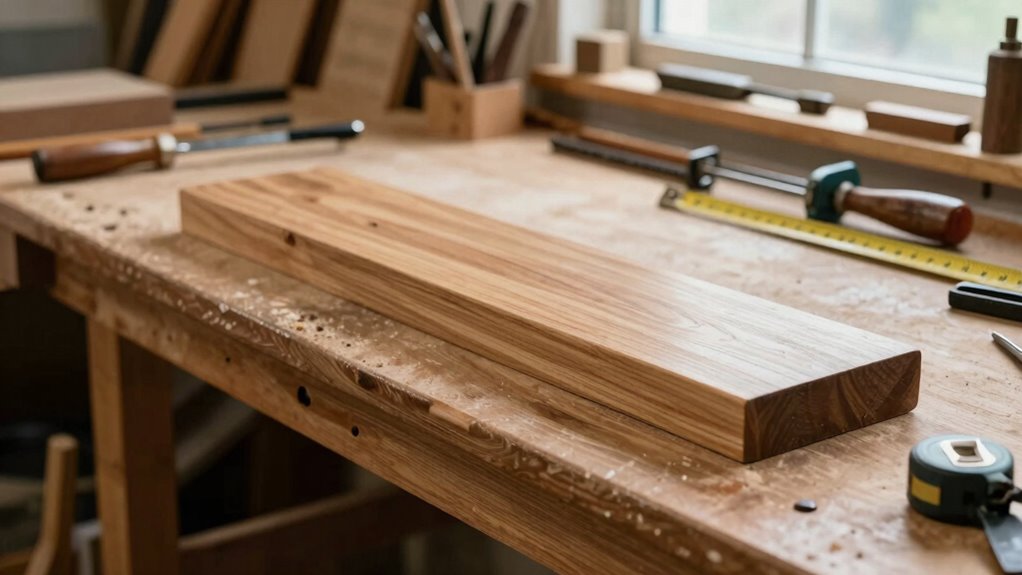
Your workbench height directly impacts both your comfort and the precision of your work. When your workspace aligns with proper height ergonomics, you reduce strain on your back, shoulders, and wrists, allowing you to work longer without fatigue. An ergonomic posture supports steady hands and steady eyes, which are essential for accuracy. If your bench is too high, you’ll find yourself lifting your arms unnecessarily, causing discomfort. Too low, and you’ll hunch over, risking poor posture and errors. Achieving the right workbench height helps maintain ideal ergonomic posture, minimizes fatigue, and enhances precision. Additionally, considering workspace ergonomics can help you create an optimal environment for viewing and working, ensuring that your workspace is both comfortable and functional. Remember, a well-adjusted work surface isn’t just about comfort—it directly influences the quality and accuracy of your craftsmanship. Properly adjusted work surfaces also contribute to reducing physical strain, which can help prevent injuries over time. Incorporating ergonomic principles into your workspace setup ensures a healthier, more productive work experience. To find your ideal height, some enthusiasts measure their elbow height while standing or sitting, tailoring the workspace to support natural movement.

FLEXIMOUNTS 47.2" x 23.6" Adjustable Height Workbench with Hand Crank, Drawers & 360° Wheels – Rubber Wood Top Heavy-Duty Workstation & Steel Frame for Garage, Studio, Kitchen or Workshop
Precise & Effortless Height Adjustment: Achieve optimal comfort with the smooth hand crank, which easily adjusts the table…
As an affiliate, we earn on qualifying purchases.
As an affiliate, we earn on qualifying purchases.
How to Determine the Best Workbench Height Based on Your Height

Finding the right workbench height starts with understanding how your body size influences comfort and accuracy. Taller individuals should aim for a higher surface, around waist level, to prevent strain, while shorter users benefit from lower heights to maintain control. Your material selection impacts this choice, as sturdy, durable surfaces support precise work, regardless of height. Consider storage solutions when setting your height; accessible storage encourages good posture and prevents awkward bends. Additionally, ergonomic principles can guide you in creating a workspace that promotes comfort and reduces the risk of repetitive strain injuries. Ensuring your workspace aligns with body mechanics helps sustain productivity and comfort during extended work sessions. Remember, the goal is a height that allows your elbows to stay close to your sides with your forearms parallel to the ground. This balance minimizes fatigue and boosts overall efficiency in your workspace. Incorporating proper posture ensures that your body remains aligned, further enhancing comfort and reducing fatigue during prolonged use. Applying adjustable workbenches can further customize your setup for optimal ergonomic benefits. Moreover, considering work surface materials can influence both comfort and durability, supporting your work style effectively.

Tatuo Growth Chart Wall Labels Height Indicator Tape Ruler Growth Chart Decor Height Indicator Adhesive Ruler for Home Room Measuring(White)
Metric measurement: the height indicator tape ruler has 2 units of measurements, on the right side is a…
As an affiliate, we earn on qualifying purchases.
As an affiliate, we earn on qualifying purchases.
Step-by-Step: Measuring Your Ideal Workbench Height
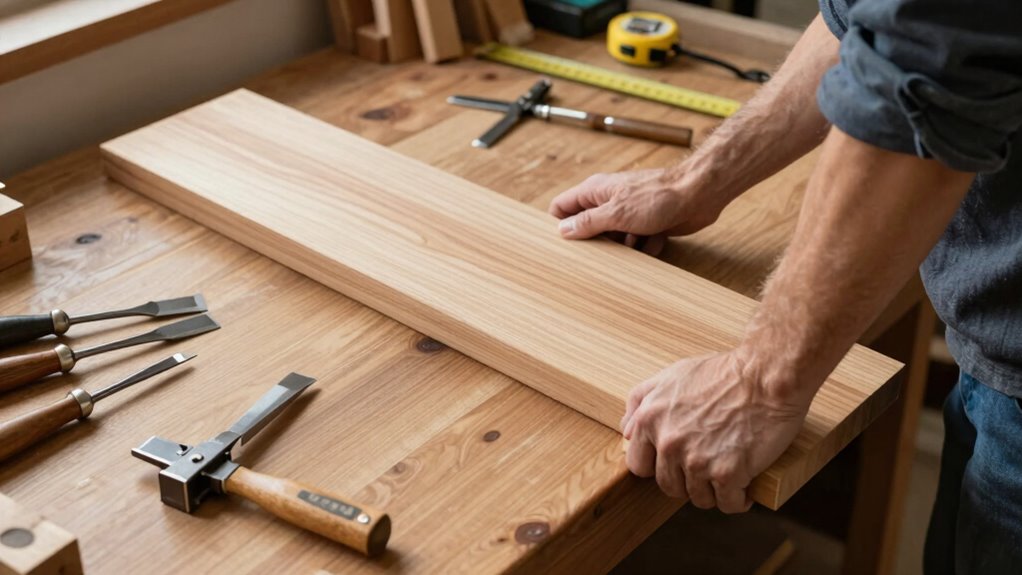
To measure your ideal workbench height accurately, start by gathering a few simple tools: a tape measure and a helper if possible. Next, sit or stand comfortably at your workspace, considering your typical working posture. Keep in mind your preferred storage solutions, like drawers or shelves, which can influence height choices. As you measure, think about lighting considerations—ensure your workspace is well-lit, so height doesn’t hinder visibility. Visualize your ideal setup, imagining:
- A sturdy work surface at just the right height for comfortable arm movement
- Clear access to storage without bending or stretching
- Proper lighting that doesn’t cast shadows or glare
And remember, ergonomic comfort plays a crucial role in determining the best height to prevent fatigue and strain during prolonged work sessions. Incorporating ergonomic principles can further enhance your setup and reduce discomfort over time. Additionally, understanding zodiac traits can offer insights into personal preferences and tendencies that might influence your ideal setup.
Furthermore, considering body measurements can help tailor the workspace to your specific physical dimensions for maximum comfort.
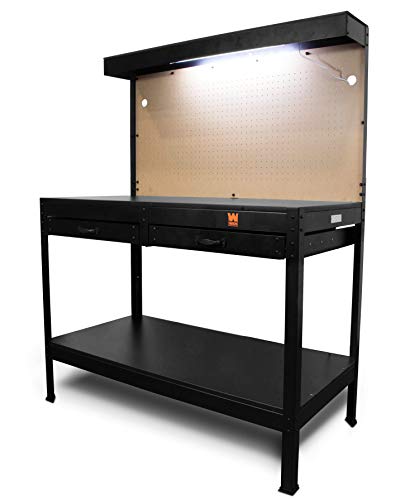
WEN WB4723T 48-Inch Workbench with Power Outlets and Light, Black
Perfect for woodworkers, mechanics, or anyone else in need of reliable organization
As an affiliate, we earn on qualifying purchases.
As an affiliate, we earn on qualifying purchases.
The Simple Workbench Height Rule: Your Height Minus a Few Inches
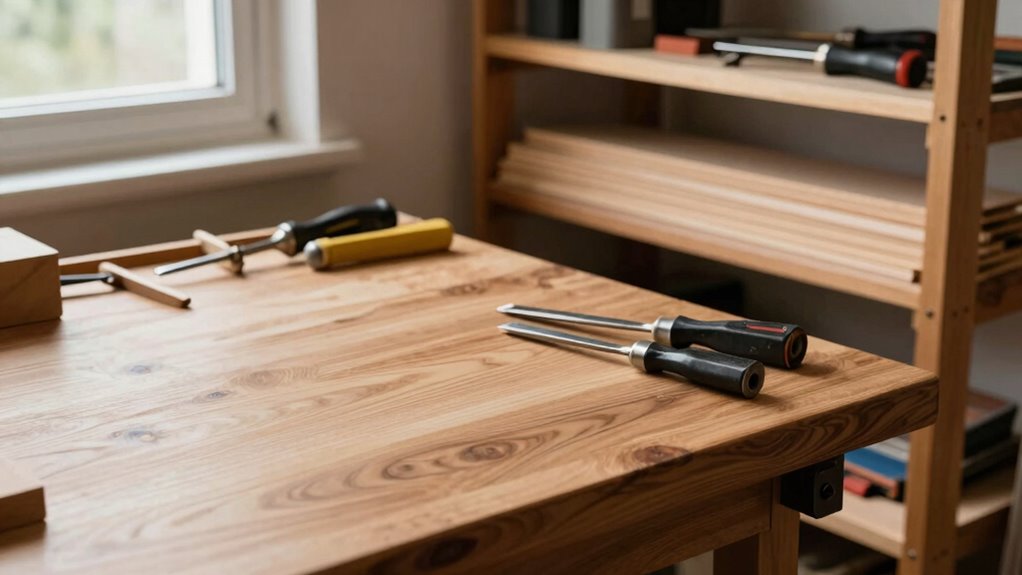
When determining the ideal workbench height, a simple rule of thumb is to take your overall height and subtract a few inches. This approach improves workbench ergonomics, reducing strain on your back and shoulders during extended projects. By setting your work surface at this height, you’ll find it easier to maintain proper posture and execute precise cuts or assembly. Additionally, this height supports better tool organization, making frequently used tools more accessible without reaching or bending excessively. proper posture while working is essential to prevent fatigue and injury, so adjusting your workbench height accordingly can have long-term benefits. While this rule offers a quick starting point, remember that personal comfort and specific tasks might require slight adjustments. Keeping your workbench at this height helps you work efficiently, comfortably, and safely, whether you’re tackling woodworking, metalwork, or other crafts. For optimal results, consider ergonomic principles and customized workspace setup when customizing your workspace setup.
Adjusting Your Workbench for Different Tasks and Tools
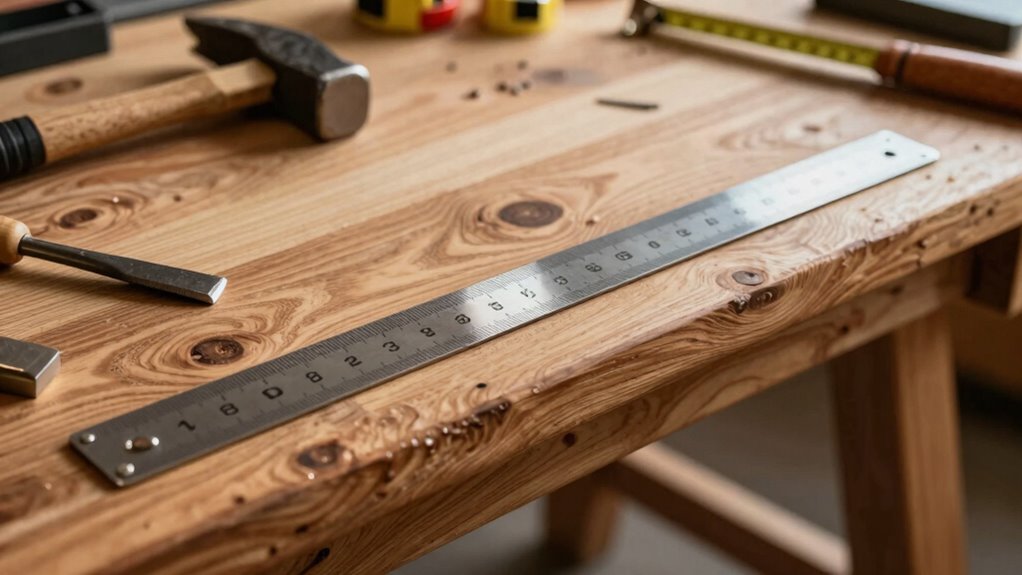
To get the most out of your workbench, you need to adjust its height based on the task at hand and the tools you’ll use. Consider how different activities require specific height settings for comfort and efficiency, while also ensuring tools are easily accessible. Keep ergonomic comfort in mind to prevent strain and improve your overall workflow. Additionally, understanding ergonomic principles can help you set the ideal height for various projects. When selecting the appropriate height, be aware of safety considerations to avoid injury and enhance productivity during your work sessions. Knowing how to make safe adjustments can further optimize your workspace and reduce the risk of accidents. Familiarizing yourself with workbench ergonomics can further improve your setup and overall safety. Incorporating musical therapy techniques into your workspace environment can also promote relaxation and focus during long work sessions.
Task-Specific Height Settings
Adjusting your workbench height for different tasks and tools can considerably improve your efficiency and safety. When tailoring your setup, focus on maintaining an ergonomic posture to reduce fatigue and strain. Proper tool placement is key, ensuring frequently used items are within easy reach without twisting or stretching. For tasks like detailed carving, lower the workbench slightly to keep your wrists straight and comfortable. For assembly or sanding, raise it to a level where your elbows stay close to your sides, minimizing shoulder tension. Visualize your workspace with:
- Tools organized at arm’s reach for quick access
- Surfaces adjusted to keep your back straight
- Items positioned to avoid awkward bending or twisting
Additionally, understanding task-specific height adjustments can further enhance your comfort and safety during various projects. These adjustments help optimize comfort, minimize fatigue, and promote safer work habits. Incorporating ergonomic principles into your setup can lead to long-term benefits by reducing the risk of musculoskeletal issues.
Tool Accessibility Considerations
Ensuring tools are within easy reach is essential for maintaining efficiency and safety during your work. Proper tool placement helps you achieve an ergonomic posture, reducing strain and fatigue. Arrange frequently used tools nearby, so you don’t have to stretch or bend awkwardly. Keep larger or less-used tools within arm’s reach but out of the way of your main workspace. Consider the height and angle of your workbench to prevent unnecessary leaning or reaching. When tools are well-organized and accessible, you can work more quickly and safely, minimizing the risk of accidents. Regularly review your setup to guarantee your tool placement continues to support an ergonomic posture, especially as your tasks or tools change. This focus on accessibility enhances both productivity and comfort.
Ergonomic Comfort Factors
Since different tasks and tools demand varying postures and access, tailoring your workbench height can substantially improve your comfort and efficiency. Achieving an ergonomic posture reduces strain and fatigue, helping you work longer and more accurately. Adjust your workspace layout to suit specific tasks, whether sanding, cutting, or assembling, ensuring the right height for each. Visualize yourself:
- Standing with elbows slightly bent at a comfortable angle for detailed work
- Sitting with your back supported and forearms parallel to the work surface
- Reaching tools easily without overstretching or bending awkwardly
These adjustments keep your body aligned and reduce unnecessary movements. By customizing your workbench height for each activity, you optimize ergonomic comfort, boost productivity, and prevent injury. Proper ergonomic posture is essential for a safe, comfortable, and efficient workspace.
Common Mistakes When Setting Your Workbench Height and How to Avoid Them
One of the most common mistakes when setting your workbench height is choosing a position based solely on comfort rather than ergonomics. Poor workbench ergonomics can lead to fatigue, strain, or injuries over time. Avoid this by considering proper height for your body’s posture, not just how it feels at the moment. Another mistake is neglecting material selection; using a work surface that’s too soft or unstable can hinder precision and safety. Relying solely on visual cues or guesswork often results in an awkward setup. Instead, measure your arm position and consider the work you’d perform, aligning your workbench height with ergonomic principles. Proper material selection and ergonomic awareness prevent long-term discomfort and improve your overall workflow.
Tips for Customizing Your Workbench for Ergonomics and Efficiency
Customizing your workbench for better ergonomics and efficiency starts with understanding your specific needs and workflow. Select materials that match your tasks—durable wood for heavy-duty projects, or lightweight composites for portability. Incorporate smart storage solutions to keep tools within reach, reducing unnecessary movement. Consider adjustable shelving, pegboards, or drawers that adapt to your work style. Visualize a workspace where tools hang neatly, materials are stacked logically, and everything is accessible without strain. Focus on ergonomic placement to minimize fatigue, ensuring your work surface height supports your posture. Thoughtful material selection and efficient storage create a workspace that enhances productivity, keeps clutter at bay, and makes your projects more enjoyable and less tiring.
When to Consider an Adjustable Workbench or Professional Advice
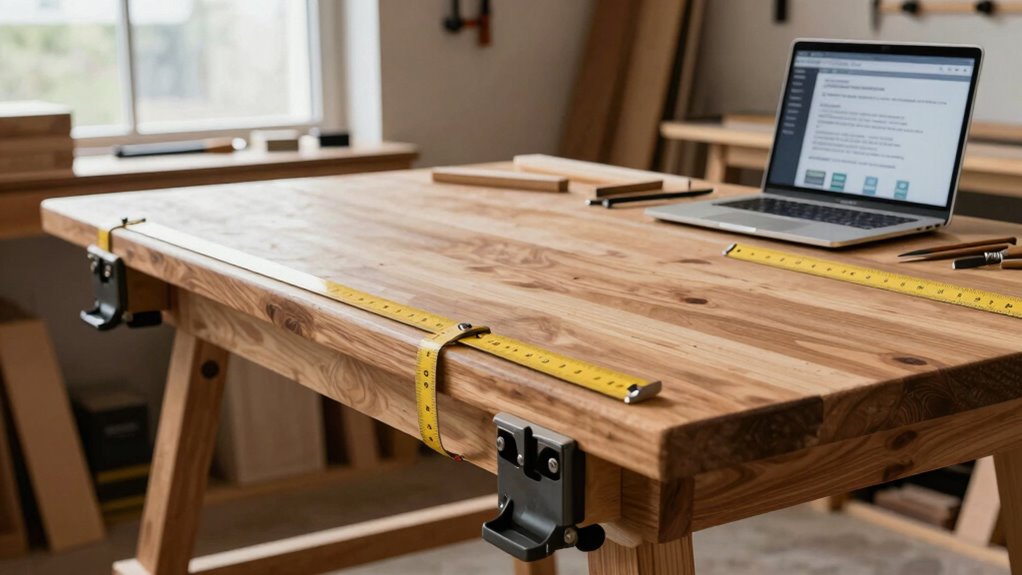
Knowing when to switch to an adjustable workbench or seek professional advice can considerably improve your workspace comfort and efficiency. If you find yourself constantly adjusting your posture or struggling with tool placement, it’s time to consider an upgrade. An adjustable workbench allows you to fine-tune the height for ergonomic posture, reducing strain and fatigue during long projects. If your tasks involve multiple users or complex tool arrangements, professional advice can help optimize your setup. Proper tool placement is vital for safety and productivity, and a professional can assess your workflow to recommend the best height and configuration. Recognizing these signs guarantees you create a workspace that supports comfort, reduces injury risk, and enhances overall work quality.
Frequently Asked Questions
Can Workbench Height Influence Long-Term Posture Problems?
Yes, your workbench height can influence long-term posture problems. Proper ergonomics considerations help you select a height that promotes posture improvement, reducing strain on your back, shoulders, and neck. When your workbench is too high or low, you tend to adopt awkward positions, leading to discomfort and potential injuries over time. Adjusting your workbench to the right height supports better posture and minimizes the risk of chronic musculoskeletal issues.
How Do I Adjust My Workbench Height for Different Projects?
To adjust your workbench height for different projects, start by considering ergonomic benefits and material considerations. For tasks requiring precision, set the height so your elbows are at a 90-degree angle while standing comfortably. Use sturdy materials that support height adjustments easily. You might also add adjustable supports or risers, ensuring your workspace promotes good posture and minimizes fatigue, regardless of the project you’re tackling.
Is There a Universal Workbench Height for All Users?
Think of the medieval blacksmith’s hammer—there’s no one-size-fits-all. Similarly, there’s no universal workbench height for everyone. You should consider ergonomics standards and your individual preferences. Adjust your workbench so it feels comfortable and reduces strain, usually around your waist or hip level. Prioritize your comfort and workflow, and don’t be afraid to tweak it as needed. That way, your workspace stays efficient and safe.
What Tools Are Best for Measuring Workbench Height Accurately?
You should use measuring tools like a tape measure or a ruler for quick checks, but for precise workbench height, a height gauge is your best bet. Height gauges provide accurate, consistent measurements, ensuring your work surface is set perfectly for comfort and efficiency. When selecting tools, opt for digital or dial height gauges for ease of use and accuracy. Always double-check your measurements before adjusting your workbench.
Should Children or Shorter Individuals Follow the Same Height Rule?
No, children or shorter individuals shouldn’t follow the same height rule for workbenches. You need to prioritize ergonomic safety and adjust the height accordingly. A proper workbench height allows you to work comfortably and reduces strain. Use height adjustment features if available, ensuring the surface is at a level that promotes good posture. Customizing the height helps prevent injuries and keeps your workspace safe and efficient.
Conclusion
Remember, setting your workbench height correctly can boost your comfort and productivity. Notably, studies show that ergonomic workspaces reduce fatigue by up to 25%. By following the simple rule of your height minus a few inches, you’re on your way to a more efficient workspace. Don’t forget to adjust for different tasks and consider an adjustable bench if needed. A well-designed workbench makes every project easier and more enjoyable.