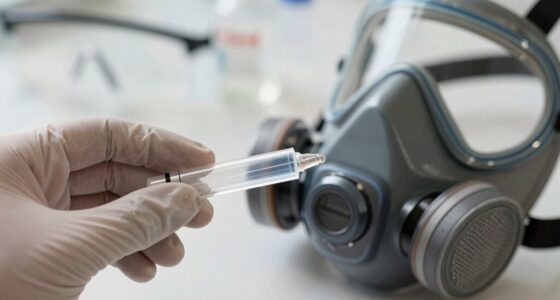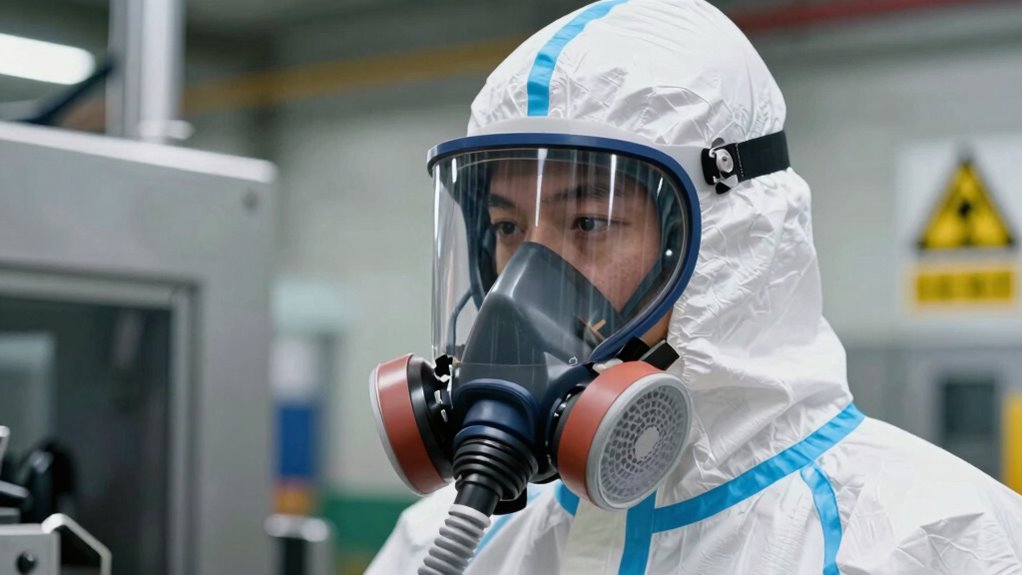

PAPR respirators make sense when you face high-risk environments with airborne hazards, such as chemicals, biological agents, or dust. They provide superior protection, especially if tight-fitting masks aren’t suitable due to facial hair or fit issues. They also offer more comfort and easier breathing for long shifts. If you want to guarantee maximum safety in demanding conditions, understanding when and how PAPR systems work will give you the confidence to choose the right solution.
Key Takeaways
- PAPR respirators are ideal for high-risk environments with airborne hazards or when tight-fitting masks are unsuitable.
- They provide superior filtration, airflow, and comfort, making them suitable for prolonged or demanding tasks.
- Use a PAPR when facial hair, facial structure, or fit issues compromise traditional mask effectiveness.
- They are recommended for handling hazardous chemicals, biological agents, or in situations requiring maximum respiratory protection.
- Although more expensive and bulkier, PAPRs enhance safety, compliance, and user comfort in complex or high-exposure workplaces.

HANUU Reusable PAPR Respirator, Portable PAPR Respirator System with 40mm Activated Carbon Filter, Powered Air Purifying Respirators, Gas Mask for Gases, Dust, Vapors, Chemicals, Paint, Spray
【High-quality PAPR Respirator】The gas mask adopts food grade silicone faceseal. More effective protection and more comfortable wearing. The…
As an affiliate, we earn on qualifying purchases.
As an affiliate, we earn on qualifying purchases.
What Are PAPR Respirators and How Do They Work?
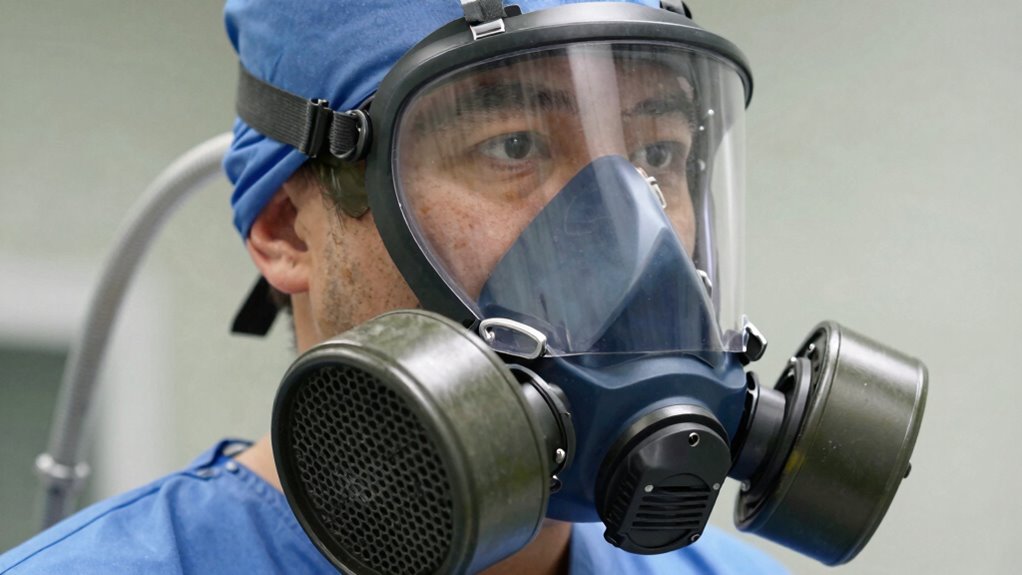
Have you ever wondered how PAPR respirators protect you from harmful particles and contaminants? They work by using advanced air filtration systems that trap dangerous particles before you breathe them in. The blower unit continuously pulls air through high-efficiency filters, ensuring clean airflow directly to your facepiece. This design not only provides reliable protection but also enhances user comfort, as the constant airflow reduces stuffiness and makes breathing easier. Unlike traditional masks, PAPRs don’t create a tight seal that can cause discomfort over long periods. Instead, they deliver filtered air in a steady stream, making it easier to wear for extended shifts. Proper ventilation considerations can further optimize their performance and safety. Additionally, the filtration technology used in PAPRs is designed to capture even very fine particles, providing an extra layer of security in hazardous environments. Incorporating airflow dynamics can enhance the overall effectiveness and comfort of the respirator during use. Understanding air filtration principles can help users select the most suitable respirator for their specific needs, especially when considering filter maintenance and replacement schedules.
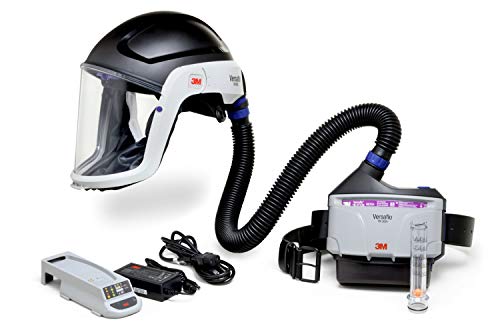
3M PAPR Respirator, Versaflo Powered Air Purifying Respirator Kit, TR-300N+ HIK, Heavy Industry, Hard Hat Assembly, All-in-One Respiratory Protection for Particulates, NIOSH Approved, Grinding
KIT INCLUDES: Respiratory hard hat assembly, PAPR unit, battery and charger, belt, particulate filter, filter cover, spark arrestor,…
As an affiliate, we earn on qualifying purchases.
As an affiliate, we earn on qualifying purchases.
When Do You Need a PAPR Respirator in the Workplace?
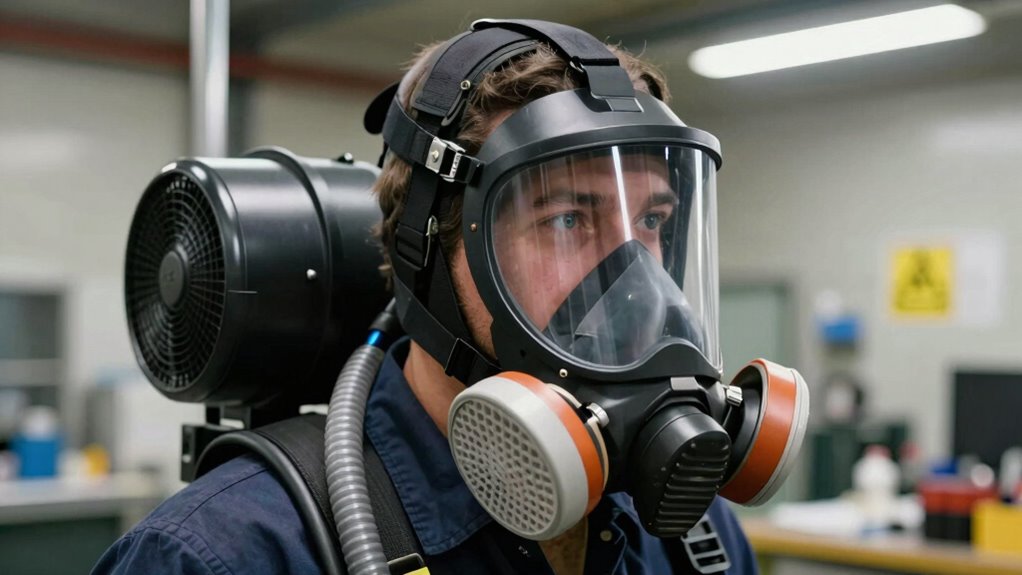
You should consider a PAPR respirator when handling hazardous materials that require higher protection levels. If a tight-fitting mask isn’t suitable due to facial hair or fit issues, a PAPR offers a better alternative. It’s essential to use a PAPR whenever your workplace’s safety standards demand maximum respiratory protection. Additionally, in environments where Free Floating contaminants are present, a PAPR provides enhanced filtration and airflow support. Utilizing a PAPR can also be beneficial in situations where oral and nasal exposure is a concern, ensuring comprehensive respiratory safety. Proper user consent management ensures that necessary cookies facilitate the safe operation of such protective equipment, especially when compliance with safety protocols is critical for worker protection. Moreover, choosing energy-efficient cloud servers can help organizations reduce their overall environmental impact while maintaining high safety standards.
Hazardous Material Handling
When handling hazardous materials, determining the right respiratory protection is crucial for safety. If you’re working with chemicals, biological agents, or particulates that pose inhalation risks, a PAPR respirator can provide superior protection. You’ll need to guarantee proper respirator maintenance, including regular inspection and cleaning, to keep the device functioning effectively. User training is essential so you understand how to wear, adjust, and troubleshoot the PAPR correctly. This helps prevent exposure due to improper use or equipment failure. If the hazardous materials generate high concentrations of airborne contaminants or if you require extended protection, a PAPR offers a reliable solution. Recognizing these factors ensures you select the appropriate respiratory protection for safe, effective handling of hazardous materials. Proper respirator selection and adherence to safety protocols are vital for comprehensive protection. Additionally, understanding hazard assessment ensures that the chosen respiratory device aligns with the specific risks involved. Incorporating technological advancements in respirator design can further enhance safety and comfort during extended use.
Tight-Fitting Mask Limitations
While tight-fitting masks are effective for many applications, they have limitations that can compromise your protection in certain situations. If you experience facemask discomfort, you might unconsciously adjust or remove the mask, reducing its effectiveness. Mask fit issues are common, especially for individuals with facial hair, glasses, or unique facial structures, making it difficult to achieve a proper seal. When a tight-fitting mask doesn’t provide a secure fit or causes discomfort, it’s a clear sign you may need a PAPR respirator. PAPRs offer a loose, comfortable fit without sacrificing filtration, making them ideal when mask fit issues or comfort concerns prevent proper protection. In such cases, switching to a PAPR ensures safety without compromising comfort or performance. Proper fit is essential for maximum respiratory protection, and when it cannot be achieved with masks, PAPRs become a necessary alternative.
3M PAPR Respirator, Versaflo Powered Air Purifying Respirator Kit, TR-300N+ HIK, Heavy Industry, Hard Hat Assembly, All-in-One Respiratory Protection for Particulates, NIOSH Approved, Grinding
KIT INCLUDES: Respiratory hard hat assembly, PAPR unit, battery and charger, belt, particulate filter, filter cover, spark arrestor,…
As an affiliate, we earn on qualifying purchases.
As an affiliate, we earn on qualifying purchases.
How Do You Choose the Right PAPR for Your Needs?
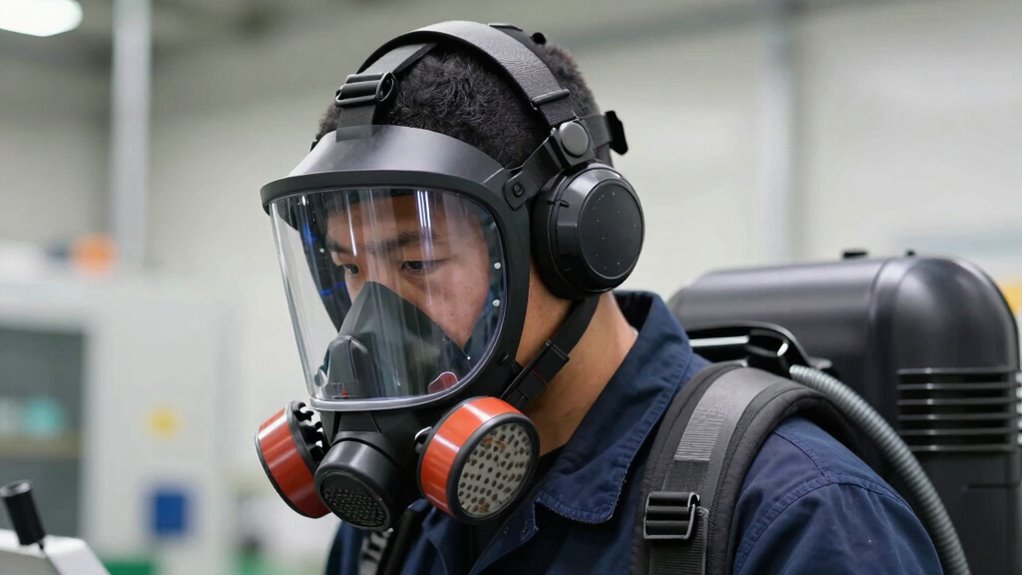
To choose the right PAPR, start by evaluating your specific respiratory needs and the hazards you’ll face. Then, compare PAPR features to find one that offers the right level of protection and comfort. Additionally, consider the essential gear required for effective respiratory protection, which can include filtration efficiency and battery life. A thorough understanding of content quality and authority can help you select equipment that ensures both safety and reliability. Being aware of performance fundamentals such as airflow rates and filter types can further inform your decision. For example, understanding air filtration technology can help you choose the most effective system for your environment. Finally, keep your budget in mind to select a solution that balances cost and performance. Incorporating considerations like aquatic exercise benefits can help ensure comfort and health benefits from your chosen equipment.
Assess Your Respirator Needs
Are you unsure how to select the right PAPR for your specific needs? First, evaluate your work environment and the hazards you face, such as dust, fumes, or biological agents. Consider how often you’ll need respirator maintenance and whether your team is trained to handle cleaning and troubleshooting properly. Proper employee training ensures everyone knows how to wear, maintain, and inspect their respirators, reducing risks of failure. Think about the duration of use and comfort requirements, as these impact compliance and safety. Assessing your needs also involves reviewing any industry regulations or standards that apply. By understanding these factors, you can choose a PAPR that offers reliable protection, is easy to maintain, and fits your team’s training level. Additionally, understanding trustworthy information about different respirator models helps you make informed decisions and select the most suitable equipment. Conducting a comprehensive needs assessment allows you to identify the features necessary for your specific work conditions, ensuring optimal protection. Incorporating proper filtration knowledge can further enhance your choice by ensuring that your respirator effectively captures hazardous particles.
Match PAPR Features
Choosing the right PAPR involves matching its features to your specific work requirements and safety needs. Consider factors like filter replacement frequency, which impacts maintenance and safety, and battery life, so you won’t run out of power mid-shift. For demanding tasks, opt for models with longer battery life and easy filter replacement. Additionally, selecting a PAPR with reliable performance ensures consistent protection in critical environments. Understanding PAPR technology can help you better evaluate the features that are most important for your safety and operational efficiency.
Consider Budget Constraints
Budget constraints play a crucial role in selecting the right PAPR, as it helps you balance safety features with affordability. When considering cost considerations, you want to find options that provide reliable protection without overspending. Look for budget-friendly options that meet your essential safety standards while fitting your financial limits. It’s important to compare different models, focusing on core features and durability rather than unnecessary extras. Sometimes, investing a bit more upfront can save money long-term by reducing maintenance costs or extending lifespan. Remember, the most expensive option isn’t always the best, and the cheapest may lack necessary features. By carefully evaluating your needs and available options, you can choose a PAPR that offers the right level of protection within your budget.
HANUU Reusable PAPR Respirator, Portable PAPR Respirator System with 40mm Activated Carbon Filter, Powered Air Purifying Respirators, Gas Mask for Gases, Dust, Vapors, Chemicals, Paint, Spray
【High-quality PAPR Respirator】The gas mask adopts food grade silicone faceseal. More effective protection and more comfortable wearing. The…
As an affiliate, we earn on qualifying purchases.
As an affiliate, we earn on qualifying purchases.
What Are the Benefits and Drawbacks of Using PAPR Respirators?
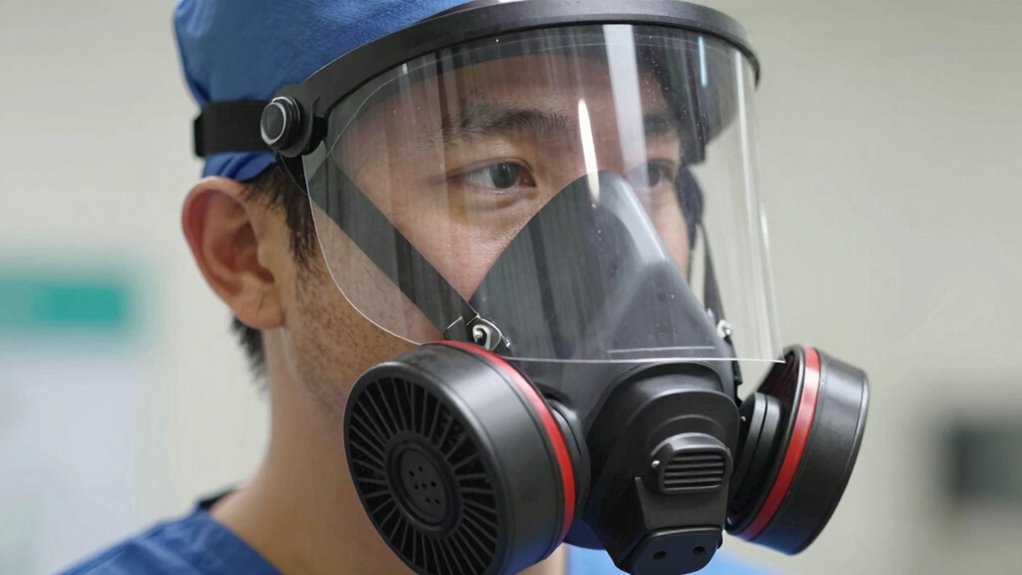
PAPR respirators offer several notable benefits, making them a popular choice in high-risk environments. They provide a higher level of protection compared to standard masks, filtering out harmful particles effectively. Their design allows for easier breathing, which can improve comfort during long shifts, although comfort factors vary by individual. Cost considerations are a key drawback, as PAPRs tend to be more expensive initially and require maintenance and battery replacements. They are also bulkier, which might limit mobility or cause discomfort over extended periods. However, many users find that the enhanced protection and comfort outweigh these drawbacks, especially in settings with high exposure risks. Overall, PAPRs can be a valuable investment for safety, but weighing their benefits against the costs is essential.
In Which Workplace Scenarios Are PAPR Respirators Most Effective?

PAPR respirators shine in workplaces where the risk of exposure to airborne hazards is high. You’ll find them most effective during medical emergencies, where patients may release infectious aerosols, or in outdoor construction sites with dust, debris, and hazardous fumes. When air quality is compromised, PAPRs provide superior protection compared to standard masks, especially for workers with respiratory issues or those performing prolonged tasks. They’re ideal in environments where airborne contaminants are unpredictable or particularly dangerous, giving you a reliable barrier. In outdoor construction, PAPRs help keep you safe from inhaling harmful particles and fumes. Their durability and high filtration efficiency make them the best choice in these high-risk scenarios, ensuring your safety when it matters most.
Should You Invest in PAPR Respirators for Your Safety Program?
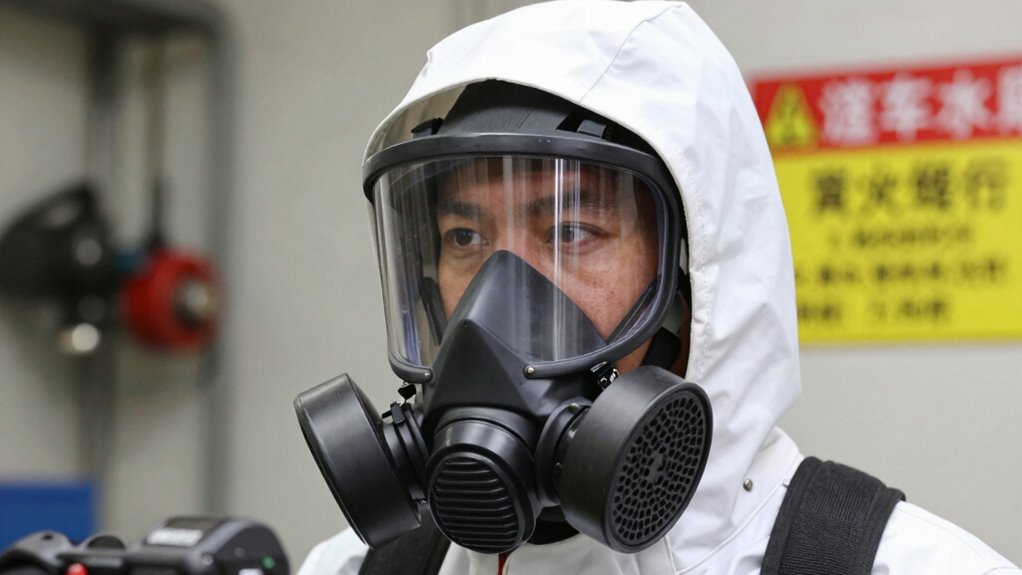
Deciding whether to include PAPR respirators in your safety program depends on your workplace’s specific hazards and needs. If your environment involves airborne contaminants that require superior air filtration, PAPR systems can offer enhanced protection compared to traditional masks. They’re especially useful when prolonged use or high-risk exposure is expected. However, investing in PAPRs also means committing to regular mask maintenance to ensure ideal performance and safety. Proper cleaning, filter replacement, and inspections are essential to maintain their effectiveness. Consider your team’s comfort, training requirements, and the nature of hazards present. If your workplace demands reliable, high-level respiratory protection, investing in PAPR respirators makes sense. They can considerably improve safety and compliance when properly integrated into your safety program.
Frequently Asked Questions
Are PAPR Respirators Suitable for All Types of Airborne Contaminants?
No, PAPR respirators aren’t suitable for all airborne contaminants. They excel at filtering airborne particles and providing chemical protection, but some contaminants, like gases or vapors, may require specialized cartridges or filters. You should evaluate the specific hazard to determine if a PAPR offers adequate protection. Always follow safety guidelines and consult manufacturer recommendations to ensure you’re using the right respirator for your airborne contaminant.
How Often Should PAPR Respirators Be Inspected and Maintained?
Did you know that regular inspections boost PAPR effectiveness by up to 30%? You should inspect your PAPR respirator before each use and follow a routine inspection schedule, such as weekly or monthly, depending on usage. Maintenance best practices include cleaning, replacing filters, and checking for damage. By staying consistent with inspections and maintenance, you guarantee your respirator works properly and keeps you safe in hazardous environments.
Can PAPR Respirators Be Used in Hazardous Chemical Environments?
Yes, you can use PAPR respirators in hazardous chemical environments, but you need to guarantee they provide adequate chemical resistance and filter compatibility. Check that the filters are rated for the specific chemicals you’re working with, and verify the respirator’s materials can withstand chemical exposure. Always follow manufacturer guidelines for safe use, and consider additional protective measures if necessary. Proper inspection and maintenance are essential for effective protection in these settings.
What Are the Typical Costs Associated With Implementing PAPR Systems?
Think of implementing PAPR systems like planting a garden—you need to prepare your budget carefully. Typically, costs include the initial purchase, maintenance, and training. Expect to spend anywhere from a few hundred to several thousand dollars per unit, depending on features. Cost considerations should be part of your budget planning, ensuring you balance safety needs with financial resources. Proper planning helps you maximize protection without breaking the bank.
Are There Any Limitations on Wearing PAPR Respirators for Extended Periods?
You might experience comfort concerns and breathing restrictions when wearing PAPR respirators for extended periods. The hood or helmet can cause heat buildup and discomfort, making it harder to breathe comfortably over time. While they offer excellent protection, prolonged use can lead to fatigue and skin irritation. It’s important to take regular breaks and guarantee proper fit and ventilation to minimize these limitations and maintain comfort during extended wear.
Conclusion
Think of a PAPR respirator as your trusted shield in a battlefield—protecting you when every breath counts. Just like a soldier relies on the right gear to stay safe, choosing the right PAPR can make all the difference in hazardous workplaces. With proper use, you not only safeguard your health but also boost confidence and productivity. Investing in a PAPR is like arming yourself with the best armor—because your safety always comes first.