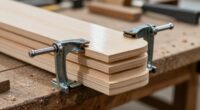
Bearings in flush trim bits can fail due to dust, debris, and inadequate lubrication causing wear and damage. Signs include noisy operation, wobbling bits, or uneven cuts. To avoid ruining templates, regularly clean and lubricate your bearings, ensure proper installation, and choose high-quality, corrosion-resistant components with the right load capacity. Proper maintenance and selection help prevent failure—keep going to discover simple tips that keep your tools running smoothly and templates intact.

Get business pricing on tools and workshop supplies
- Business-only prices and quantity discounts
- Tax-exempt purchasing
- Multiple users, one account, clear invoices
Key Takeaways
- Regularly clean and lubricate bearings to prevent debris buildup and reduce friction, extending their lifespan.
- Use high-quality bearings made from durable, corrosion-resistant materials suited for your working environment.
- Ensure proper installation with correct alignment and avoid forcing bearings into place to prevent damage.
- Keep tools and templates clean and free of dust to minimize contamination and abrasive wear on bearings.
- Monitor for signs like noise or wobbling; replace bearings promptly to avoid template damage and maintain cut accuracy.
woodworking flush trim bit bearings
As an affiliate, we earn on qualifying purchases.
As an affiliate, we earn on qualifying purchases.
What Causes Bearings to Fail in Flush Trim Bits?

Bearings in flush trim bits can fail when dirt, debris, or sawdust accumulate, causing increased friction and wear. Poor lubrication practices often lead to this buildup, as the absence of proper lubrication allows particles to stick to the bearing surfaces. Over time, this debris creates abrasion that damages the bearing’s internal components. Additionally, bearing material selection plays a vital role; using low-quality or incompatible materials can make bearings more susceptible to wear and corrosion. When choosing bearings, opt for high-quality, heat-resistant materials designed for woodworking tools. Regular cleaning and applying appropriate lubrication help reduce debris accumulation and friction. Employing preventive maintenance techniques such as routine inspections and timely replacements can significantly extend bearing life. Proper maintenance, combined with thoughtful bearing material selection, extends the lifespan of your flush trim bits and prevents premature bearing failure. Incorporating Free Floating components can also help reduce stress on bearings and improve overall tool longevity. Ensuring that bearings are compatible with abrasion resistance requirements is essential for long-term durability in woodworking applications. Moreover, selecting bearings with adequate load capacity is crucial to handle the operational stresses during use and avoid early failure. Using appropriate lubrication methods tailored for woodworking tools can further minimize wear and prolong bearing performance.
high quality router bearing replacements
As an affiliate, we earn on qualifying purchases.
As an affiliate, we earn on qualifying purchases.
How Can You Recognize Signs of Worn or Damaged Bearings?
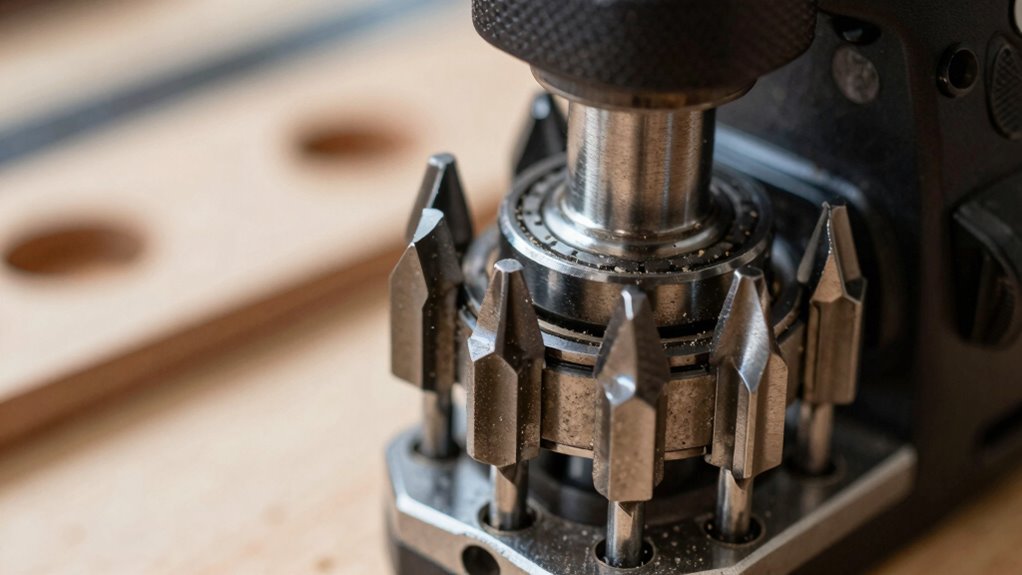
Over time, signs of wear or damage in the bearings of your flush trim bits become noticeable through changes in performance and noise. You might hear increased bearing noise, which indicates that the bearings are no longer running smoothly. Unusual vibrations during operation are another clear sign, often caused by uneven or damaged bearings. If you notice the bit wobbling or producing inconsistent cuts, it’s likely a bearing issue. Additionally, a grinding or squealing sound suggests the bearings are worn out and may seize if ignored. Regularly inspecting your bits for these signs helps prevent further damage. Catching bearing problems early ensures your flush trim bits continue to perform precisely and safely, avoiding ruined templates or compromised workpieces.
woodworking tool maintenance kit
As an affiliate, we earn on qualifying purchases.
As an affiliate, we earn on qualifying purchases.
Simple Maintenance Tips to Keep Your Bearings Last Longer
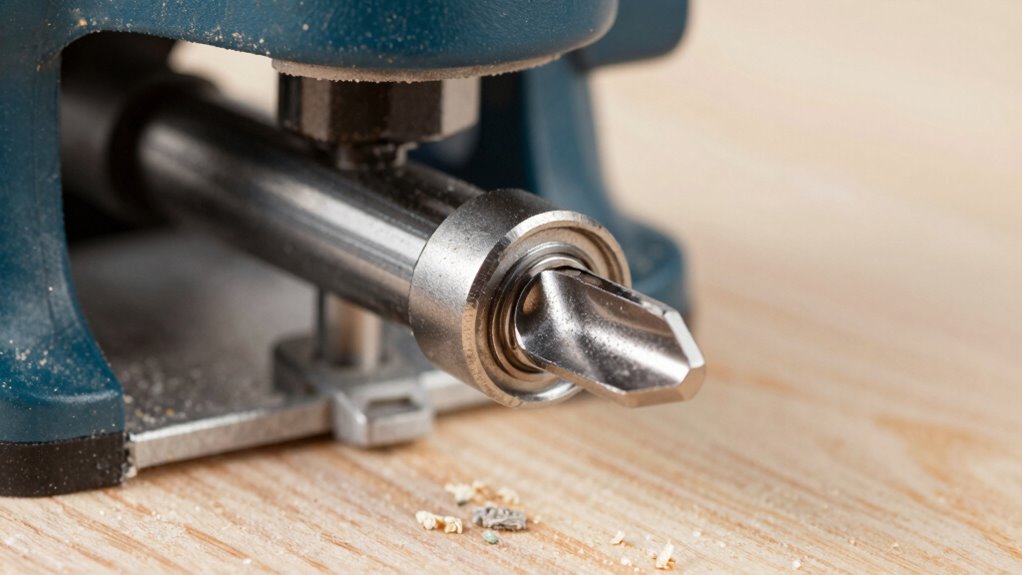
To extend the life of your bearings, you should regularly check and apply lubrication as needed. Proper installation also helps prevent premature wear and damage. Additionally, keeping dust and debris away guarantees your bearings stay smooth and last longer. Regular inspection helps identify early signs of wear and ensures your maintenance routines remain effective. Using the appropriate cleaning methods for filters can further prevent dirt buildup that may harm the bearings over time. Incorporating glycolic acid in skin care routines is also beneficial for maintaining a healthy, radiant complexion, similar to the way proper maintenance extends the lifespan of mechanical components. Moreover, selecting high-quality herbal teas like ginger can promote relaxation and reduce stress, which may contribute to overall machinery longevity by minimizing operational strain. Ensuring the use of high-quality lubricants tailored for your specific bearings can significantly decrease friction and prolong their service life.
Regular Lubrication Checks
Regular lubrication checks are essential for keeping your flush trim bits operating smoothly and extending their bearing lifespan. You should regularly assess the lubrication frequency based on how often you use the bits and the working conditions. Over-lubricating can attract dust and debris, causing wear, while under-lubricating leads to increased friction and heat. Use the manufacturer’s recommended lubricant and apply it sparingly, ensuring even coverage. Make it a habit to inspect bearings before each project, especially if you’re working in dusty or humid environments. Proper lubrication reduces friction, prevents premature failure, and keeps your bits running efficiently. Being aware of heat distribution and how it affects bearing longevity can help you optimize your maintenance routine. Using the right tool maintenance practices can further extend bearing life and performance. Regularly checking and adjusting lubrication schedules based on usage frequency and environmental factors can prevent unexpected bearing failures. Additionally, monitoring bearing temperature during operation can provide early signs of potential issues, allowing for timely intervention. Incorporating auditory feedback techniques to listen for unusual sounds can help detect early bearing problems before they cause failure. By maintaining the right lubrication schedule, you help preserve the integrity of your bearings and ensure consistent, precise cuts for longer periods.
Proper Bearing Installation
Proper bearing installation is key to ensuring your flush trim bits perform ideally and last longer. Start by ensuring the bearing is correctly aligned with the bit’s axis to prevent uneven wear or wobbling. Proper bearing alignment guarantees smooth rotation and reduces stress on the bearing. Before installation, check that the bearing is well-lubricated; bearing lubrication minimizes friction and heat, extending its lifespan. When installing, press the bearing firmly into place without forcing it, as improper fit can cause premature failure. Always verify the bearing spins freely after installation. Regularly inspecting and maintaining proper bearing alignment and lubrication helps prevent overheating, wobbling, and damage, keeping your flush trim bits running smoothly and ensuring cleaner, more precise cuts over time. Additionally, using high-quality bearings can significantly reduce the risk of failure and improve the overall performance of your tools. Proper installation and maintenance are essential for preserving bearing integrity, which directly impacts the longevity of your flush trim bits. Paying attention to bearing wear patterns can also help catch issues early before they lead to failure. Furthermore, understanding how bearing failure causes occur enables you to take proactive measures to protect your tools.
Keep Dust and Debris Out
Dust and debris can quickly impair your bearings’ performance and shorten their lifespan. Dust buildup and debris infiltration cause friction, leading to premature bearing failure. To keep your bearings running smoothly, follow these simple maintenance tips:
- Regularly clean your tools and workspace to minimize dust and debris exposure.
- Use protective covers or shields on your router bits to prevent debris infiltration.
- Inspect bearings frequently, and wipe away dust and debris with a soft brush or compressed air.
router bit cleaning and lubrication kit
As an affiliate, we earn on qualifying purchases.
As an affiliate, we earn on qualifying purchases.
How to Use Your Flush Trim Bits Without Ruining Templates?

Using flush trim bits can be tricky if you’re not careful, but with the right technique, you can achieve clean, precise edges without damaging your templates. To preserve template longevity, always secure your template firmly and ensure it’s free of debris. Use a steady, controlled feed rate, avoiding sudden movements that can cause the bearing to slip or gouge the material. Check bearing compatibility beforehand—using the correct bearing size prevents unnecessary wear and reduces the risk of ruining your template. Keep your bit’s bearing clean and properly lubricated to maintain smooth operation. Regular bit maintenance can extend the life of your tools and ensure consistent results. Additionally, understanding water quality can help you select the best tools and techniques for your woodworking projects. Proper dust collection can also significantly reduce debris buildup that causes wear on your bits. Being mindful of tool ergonomics can help prevent operator fatigue and accidental slips, protecting both your templates and your safety. By following these steps, you’ll protect your templates and produce professional, accurate results every time.
What to Look for When Choosing Durable Bearings
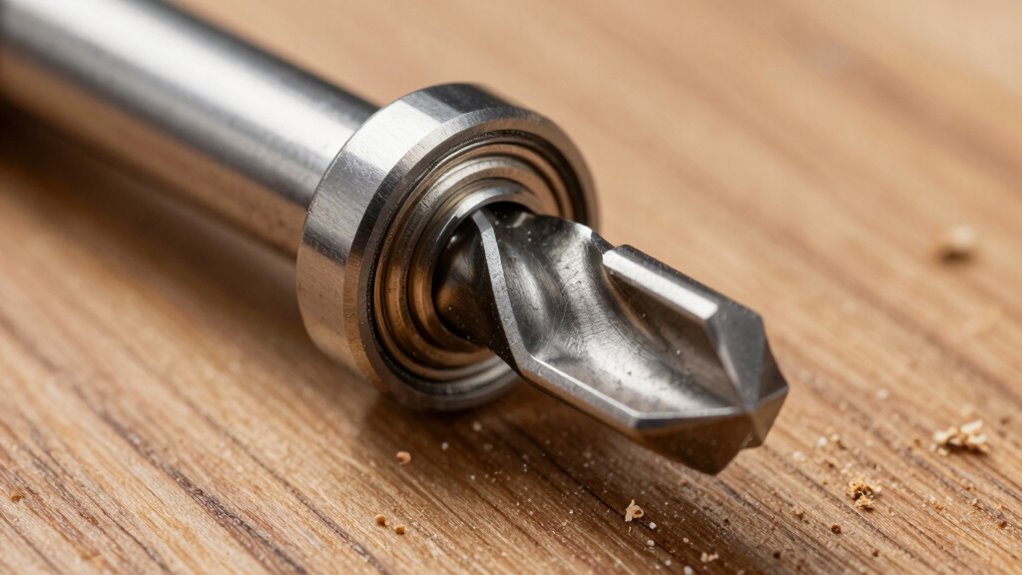
When selecting bearings for your flush trim bits, you should consider material durability, load capacity, and resistance to corrosion. Choosing bearings made from tough materials guarantees they last longer and handle your projects better. Don’t overlook corrosion resistance, especially if you’ll be working in humid or wet environments.
Material Durability Factors
Choosing durable bearings for your flush trim bits hinges on understanding the materials used and their ability to withstand wear and tear. Material fatigue can weaken bearings over time, leading to failure, so selecting high-quality materials is essential. Manufacturing defects may also compromise durability, causing premature breakdowns. When evaluating bearings, consider these factors:
- Material Composition: Opt for hardened steel or ceramic, which resist wear better than softer metals.
- Manufacturing Quality: Ensure bearings are precision-engineered with minimal defects, avoiding those prone to early failure.
- Corrosion Resistance: Choose materials that withstand moisture to prevent weakening from rust or corrosion.
Load Capacity Considerations
Load capacity is a key factor to consider when selecting bearings for your flush trim bits, as it determines how well they can handle the forces during operation. You need bearings with sufficient load capacity to prevent premature failure and ensure smooth, accurate cuts. Check the specifications for maximum load ratings, especially if you’ll be working with dense or thick materials. Bearing materials also influence load capacity; high-quality steels or composites typically offer better strength and durability. Choosing bearings with appropriate load capacity and durable bearing materials helps distribute stress evenly, reducing wear and the risk of bearing failure. This ensures your flush trim bits remain reliable, maintain precision, and last longer under the demanding conditions of woodworking.
Corrosion Resistance Levels
To guarantee your flush trim bits withstand challenging conditions, prioritize bearings with high corrosion resistance. This ensures material durability and prevents premature failure. When selecting bearings, look for these key features:
- Stainless Steel or Chrome Plating: These materials offer superior corrosion resistance, especially in humid or exposed environments.
- Ceramic Bearings: Known for exceptional durability, they resist corrosion better than traditional metal options.
- Sealed or Shielded Bearings: These include protective seals that keep moisture and debris out, maintaining integrity over time.
Choosing bearings with high corrosion resistance levels helps maintain smooth operation and prolongs your tool’s lifespan. Don’t compromise on material durability—your precision depends on it.
Troubleshooting Bearing Problems and When to Replace Them
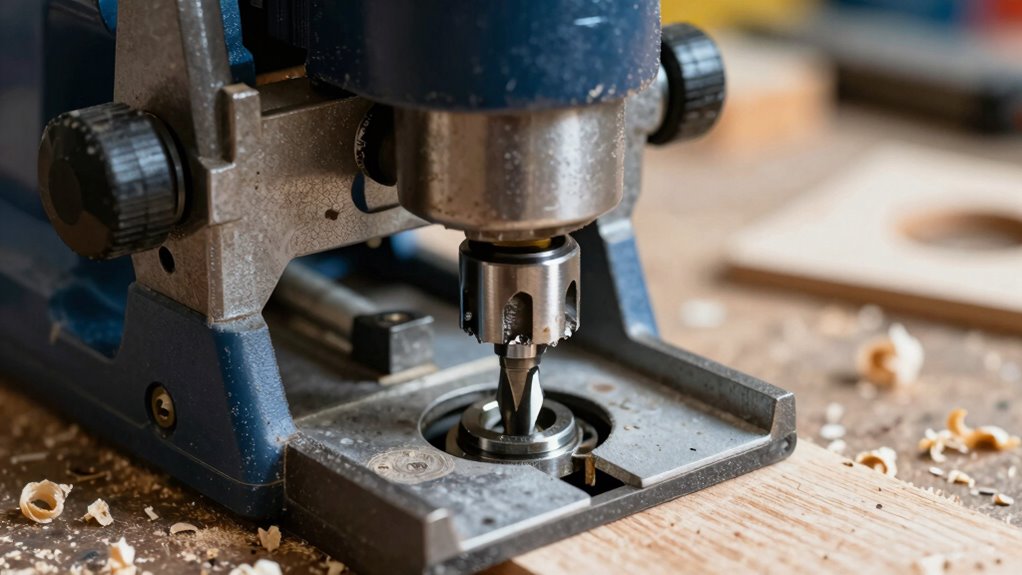
Bearing problems are a common issue that can substantially impact the performance of your flush trim bits. If you notice increased noise, wobbling, or difficulty maintaining a smooth cut, it’s time to contemplate troubleshooting techniques. First, inspect the bearings for visible damage or debris. If they feel rough or don’t spin freely, it’s likely time for bearing replacement. Regular lubrication can help prevent issues, but if problems persist, replacing the bearings is necessary to restore ideal function. When troubleshooting, always check for proper alignment and secure fitment, as misalignment can mimic bearing failure. If cleaning doesn’t improve performance, replacing the bearings will ensure your bits operate smoothly and prevent damage to your templates. Staying proactive with bearing maintenance saves time and extends your tools’ lifespan.
Frequently Asked Questions
Are There Specific Brands Known for More Durable Flush Trim Bit Bearings?
You should consider brands like Amana, Whiteside, and Freud for more durable flush trim bit bearings. These brands are known for their quality bearing maintenance, which helps prevent premature failure. When comparing brands, check reviews and specifications to make certain they offer robust bearings that resist wear. A good brand will provide longer-lasting bearings, reducing the risk of ruining templates and ensuring cleaner, more precise cuts every time.
Can Improper Bit Installation Cause Premature Bearing Failure?
Yes, improper bit installation can cause premature bearing failure. If you don’t pay attention to correct bit installation, the bearing may not be aligned properly, leading to uneven wear and damage. Always make certain the bit is securely fitted and the bearing is aligned correctly before use. Proper bearing alignment reduces stress on the bearing, extending its lifespan and preventing early failure. Take your time during installation for the best results.
How Does Temperature Affect Bearing Lifespan During Use?
Ever wonder how temperature impacts bearing lifespan during use? High temperatures cause thermal expansion, which can increase friction and wear, shortening your bearing’s life. To prevent this, you must maintain proper lubrication and monitor operating conditions. Keeping bearings cool ensures smooth operation and prolongs their durability. So, are you regularly checking for signs of overheating and applying adequate lubrication to avoid premature failure?
Are There Alternative Materials That Improve Bearing Longevity?
Yes, you can improve bearing longevity by choosing alternative materials like ceramic or hybrid ceramic bearings. These materials offer greater durability, resistance to heat, and less wear over time compared to traditional steel bearings. By switching to ceramic options, you reduce the risk of bearing failure, especially during prolonged use or under high temperatures, helping you get more consistent performance and extending the life of your flush trim bits.
What Safety Precautions Should Be Taken When Replacing Bearings?
When replacing bearings, you must prioritize safety like a superhero armed with armor! Always wear protective gear—gloves, safety glasses, and a dust mask—to shield yourself from flying debris and sharp edges. Guarantee your workspace is spotless and well-lit to prevent accidents. Turn off power tools, secure the router, and handle bearings carefully. Your safety isn’t just a priority; it’s the foundation of a flawless, accident-free project!
Conclusion
By understanding why bearings fail and how to keep them in top shape, you can extend your flush trim bits’ lifespan and avoid costly mistakes. Regular maintenance, choosing durable bearings, and proper technique will save you from frustration and ruined templates. Think of your tools as your trusted allies—treat them well, and they’ll perform like champions. Don’t let faulty bearings turn your project into a nightmare; stay vigilant and keep your work flawless!
Fall Picks
fall essentials
As an affiliate, we earn on qualifying purchases.