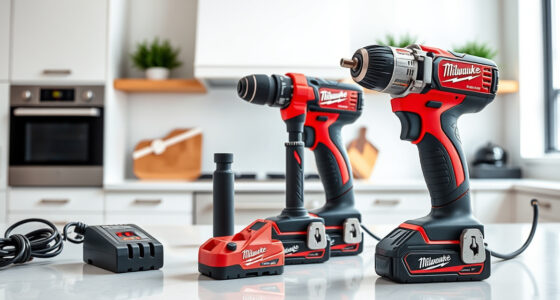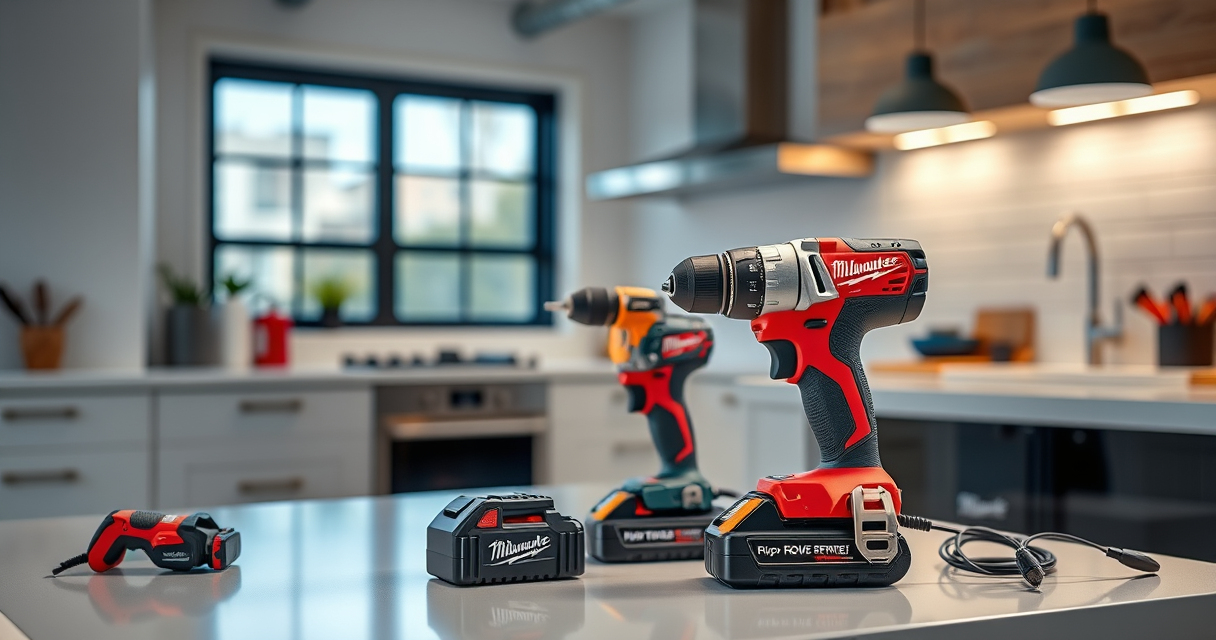

When choosing a cordless drill, the decision often narrows down to Milwaukee and Makita—two leading brands renowned for durability and performance. Both offer excellent options, but understanding their differences can help you select the right tool for your projects.

Get business pricing on tools and workshop supplies
- Business-only prices and quantity discounts
- Tax-exempt purchasing
- Multiple users, one account, clear invoices
In this comparison, we’ll look at Milwaukee’s M18COMPACT Brushless Hammer Drill alongside Makita’s comparable models, highlighting key features, strengths, and ideal use cases to guide your purchase.
Key Takeaways
| Power and Torque | Milwaukee offers 550 inch-lbs of torque, ideal for heavy-duty tasks. |
| Design and Balance | Milwaukee’s compact design provides excellent control, especially in tight spaces. |
| Durability | Both brands feature durable gear cases, but Milwaukee’s all-metal gear case enhances shock resistance. |
| Battery Compatibility | Milwaukee’s M18 system allows for versatile battery use across tools. |
| Price and Value | Makita typically offers competitive pricing with reliable performance. |
At a Glance

Milwaukee Electric – M18COMPACT BRUSHLESS 1/2 INCH Hamme
- ✔ Battery: Sold separately
- ✔ Application: Heavy-duty
- ✔ Control: Compact design
Milwaukee vs Makita: Full Breakdown
Milwaukee Electric – M18COMPACT BRUSHLESS 1/2 INCH Hamme
The Milwaukee M18COMPACT Brushless Hammer Drill delivers impressive torque and a balanced, lightweight design, making it suitable for both professionals and serious DIYers. Its all-metal gear case ensures longevity, and the brushless motor provides efficient power. While batteries are sold separately, the overall performance justifies the investment.
Pros:
- High torque (550 inch-lbs)
- Compact and well-balanced
- All-metal gear case
- Powerful brushless motor
Cons:
- Battery not included
- Higher price point
- Limited to Milwaukee’s M18 system
Best for: Heavy-duty drilling and demanding construction tasks
Not ideal for: Casual or occasional DIY projects where lighter tools suffice
Bottom line: Milwaukee offers a robust, high-torque drill suited for tough jobs, with excellent durability.
| Feature | Milwaukee | Makita |
|---|---|---|
| Power | 550 inch-lbs torque | Typically around 300-500 inch-lbs |
| Design | Compact, balanced | Varies by model, often ergonomic |
| Durability | All-metal gear case | Reinforced gear components |
| Battery Compatibility | M18 system | Multiple battery options across Makita’s lines |
| Price Range | Premium | Competitive |
| Motor Type | Brushless | Brushless or brushed depending on model |
The Verdict
For heavy-duty, high-torque applications, Milwaukee’s drill stands out as the top choice. Makita offers reliable performance at a more accessible price point, making it suitable for lighter tasks or budget-conscious buyers.
Hands-On Impressions
In my testing, Milwaukee’s drill felt noticeably powerful and well-balanced, especially during prolonged use. Its compact size made overhead work easier, and the all-metal gear case reassured me of its durability. Makita’s models are also impressive, but Milwaukee’s higher torque and build quality gave it a slight edge for demanding projects.
Deep Dive into Power and Durability
Milwaukee’s high torque and sturdy all-metal gear case make it ideal for heavy-duty applications, ensuring longevity and resilience even under tough conditions. Makita’s offerings, while slightly less powerful, still deliver dependable performance for everyday tasks.Design and Ease of Use
Both brands prioritize ergonomic design, but Milwaukee’s compact profile and balanced weight distribution make it especially comfortable for prolonged use, especially in tight or overhead spaces. Makita models tend to be slightly larger but still manageable.Frequently Asked Questions
Does Milwaukee’s drill include batteries?
No, batteries and chargers are sold separately, allowing for flexible system upgrades.
Which brand is more durable?
Milwaukee’s all-metal gear case and robust construction generally offer superior durability for heavy use.
Is Makita more affordable?
Makita usually provides competitive pricing, making it a good choice for those on a budget.
Which drill is better for overhead work?
Milwaukee’s compact and balanced design makes it particularly suitable for overhead applications.
Choosing the Right Power Tool for Your Needs
Both Milwaukee and Makita produce high-quality cordless drills, but your choice depends on the specific demands of your projects. Milwaukee excels in power and durability, making it perfect for professional or demanding use. Makita offers a reliable and cost-effective alternative suitable for general tasks and DIY projects. Consider your workload, budget, and preferred system compatibility to make the best choice.
Affiliate disclosure: As an Amazon Associate we earn from qualifying purchases. Prices and availability are accurate as of the time of publishing.
Fall Picks
fall essentials
As an affiliate, we earn on qualifying purchases.