
Your jointer’s width directly impacts your workflow by determining how easily you can handle larger or wider boards in a single pass. A bigger jointer saves time, reduces repositioning, and helps maintain proper grain alignment, ensuring a smooth finish. However, it requires more safety precautions due to increased power and force. Choosing the right width depends on your project size and safety comfort. Keep exploring to discover how to make the best choice for your shop.

Get business pricing on tools and workshop supplies
- Business-only prices and quantity discounts
- Tax-exempt purchasing
- Multiple users, one account, clear invoices
Key Takeaways
- Larger jointer widths enable planing wider boards in a single pass, improving efficiency and reducing setup time.
- They provide better control over grain direction, resulting in higher quality, smoother finishes on larger stock.
- Increased width supports handling bigger projects but requires careful safety precautions due to higher power and torque.
- Properly securing wider stock and using safety guards are essential to prevent kickback and ensure safe operation.
- The chosen jointer width should align with your typical project size and safety comfort level to optimize workflow.
Have you ever wondered how the width of a jointer impacts your woodworking projects? It’s more than just a number; it influences your workflow, the quality of your work, and how efficiently you can handle various tasks. When choosing a jointer, the width determines how wide a board you can surface in a single pass. A wider jointer allows you to work with larger pieces without needing to make multiple passes, saving time and effort. But beyond that, the jointer width affects how you manage grain direction and safety precautions during operation. The grain direction is a vital consideration when working with different board sizes. With a wider jointer, you gain better control over larger stock, which helps in maintaining proper grain alignment as you flatten or straighten edges. Properly aligning the grain direction is essential to prevent tear-out and achieve a smooth, professional finish. A narrow jointer might require you to make several passes or reposition the board multiple times, increasing the risk of misalignment or tear-out if you’re not careful. When you’re working with wider boards, a jointer with an appropriate width reduces the need for complex adjustments, making it easier to keep the grain direction consistent across the entire piece. Additionally, larger jointers often come with more powerful motors, which require careful handling and safety precautions. Safety precautions become even more important as the jointer width increases. Larger, wider jointers often have more powerful motors and larger tables, which can make them more dangerous if not handled properly. You need to be extra vigilant about keeping your hands clear of the blades, ensuring the board is fed correctly, and maintaining proper stance and control. Proper safety measures, such as understanding machine safety features and operational best practices, are essential to prevent accidents. Familiarity with proper safety procedures** can significantly reduce the risk of injuries when operating wider jointers. It’s also beneficial to understand the benefits of larger equipment in terms of efficiency and safety, especially for frequent or larger-scale woodworking projects. Always wear safety gear, like eye protection and hearing protection, and double-check that all guards are in place before starting. When working with wider boards, you might also need to secure the stock more firmly—clamping or using push blocks—to prevent kickback or slipping. Larger jointers can generate more torque and force, so understanding and following safety precautions is imperative to avoid accidents. Proper safety measures** are essential when operating wider jointers to prevent injuries and ensure a smooth workflow. Ultimately, the jointer width is a key spec that can shape your entire workflow. It influences how well you manage grain direction, how efficiently you can work on larger pieces, and how you stay safe in your shop. Picking the right width depends on the size of your projects and your comfort level with safety procedures. Take the time to evaluate your typical workpieces and prioritize safety precautions, and you’ll find a jointer that complements your woodworking style perfectly.
As an affiliate, we earn on qualifying purchases.
Frequently Asked Questions
How Does Jointer Width Affect Overall Project Quality?
Your jointer width directly impacts your project quality by influencing tool compatibility and space requirements. A wider jointer allows you to flatten larger boards more efficiently, improving surface quality. However, it demands more space in your workshop and may be less compatible with smaller tools or limited areas. Choosing the right width balances your project needs with available space, ensuring you achieve high-quality results without sacrificing workflow flexibility.
Can You Upgrade the Jointer Width Later?
Yes, you can upgrade your jointer width later, but keep in mind tool compatibility and portability concerns. Larger jointers may not fit your existing setup or workspace, making upgrades more challenging. You’ll need to verify your power supply and workshop can handle the new size. Planning for future expansions is smart, but check if your current equipment supports the upgrade to avoid costly adjustments down the line.
What Is the Ideal Jointer Width for Beginners?
For beginners, a 6-inch jointer is ideal—ironic, isn’t it? It offers sufficient cutting capacity to handle most projects without overwhelming you. You’ll learn to manage grain direction effectively, ensuring smooth, safe cuts. While larger jointers exist, starting with a 6-inch helps you master the basics without sacrificing portability or control. As your skills grow, you can always upgrade, but this size keeps your workflow manageable and efficient.
How Does Jointer Width Influence Safety Considerations?
A wider jointer increases blade exposure, which can make safety more challenging because there’s more risk of accidental contact. It also affects dust collection efficiency; larger surfaces generate more debris, so make certain your dust collection system is robust. Always keep blades guarded, use push blocks, and stay attentive. With a narrower jointer, you control the workpiece better, reducing risks associated with blade exposure and improving overall safety.
Are Wider Jointers More Expensive to Maintain?
A stitch in time saves nine, and wider jointers tend to cost more to maintain. You’ll find that they often have higher maintenance costs because their larger size strains equipment durability, requiring more frequent upkeep. Plus, parts may be pricier, and repairs can be more complex. While they last longer if well cared for, expect to spend a bit more on maintenance compared to narrower models.
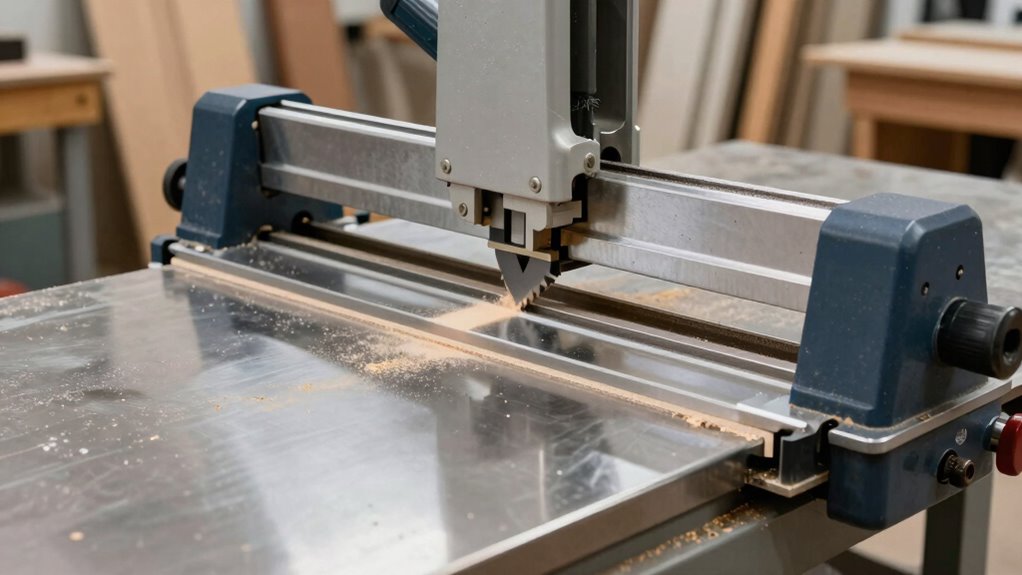
woodworking jointer with safety guard
As an affiliate, we earn on qualifying purchases.
As an affiliate, we earn on qualifying purchases.
Conclusion
Choosing the right jointer width is like selecting the perfect brush for a masterpiece; it shapes your woodworking journey. When you pick the right size, you’re carving a smooth, flowing river of craftsmanship that guides your projects effortlessly. Don’t let this single specification be the gatekeeper—see it as the key to revealing your full creative potential. With the right jointer width, every cut becomes a stroke of your artistic vision.
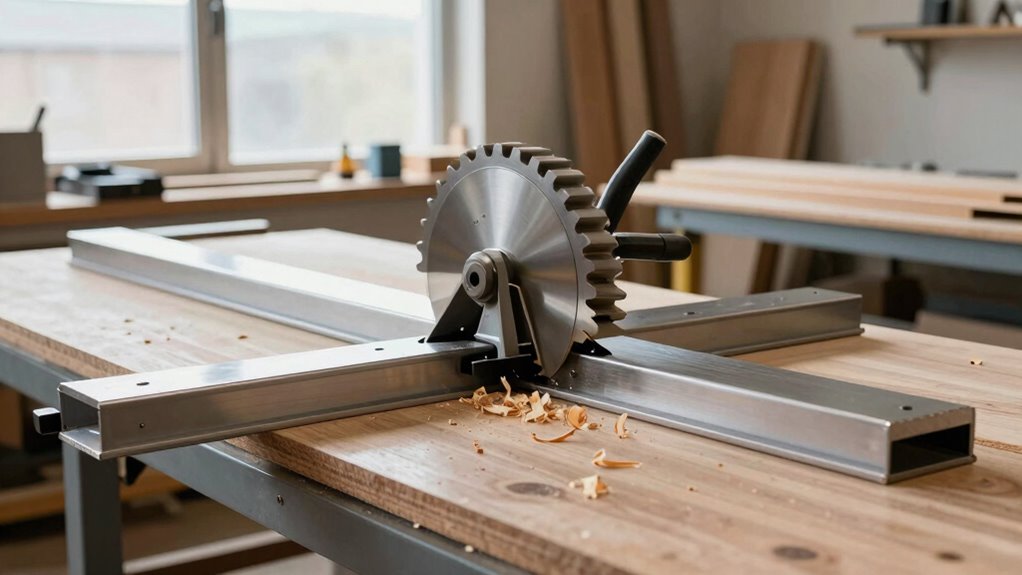
large capacity jointer for woodworking
As an affiliate, we earn on qualifying purchases.
As an affiliate, we earn on qualifying purchases.
As an affiliate, we earn on qualifying purchases.
Fall yard work Picks
leaf blowers
As an affiliate, we earn on qualifying purchases.