TL;DR

Get business pricing on tools and workshop supplies
- Business-only prices and quantity discounts
- Tax-exempt purchasing
- Multiple users, one account, clear invoices
A Family Handyman report gathers expert advice on preparing homes, yards and vehicles before the first frost. The checklist covers draining outdoor water lines, protecting exposed pipes, checking gutters and the roof, servicing heating systems, and storing lawn equipment; the right timing depends on local weather and conditions.
Family Handyman has published a first-frost preparation checklist with advice from home improvement, plumbing and automotive experts on reducing the risk of frozen pipes, water damage and equipment problems. The report recommends checking drainage, disconnecting and draining outdoor water systems, inspecting vulnerable plumbing and arranging heating-system maintenance before freezing temperatures arrive.
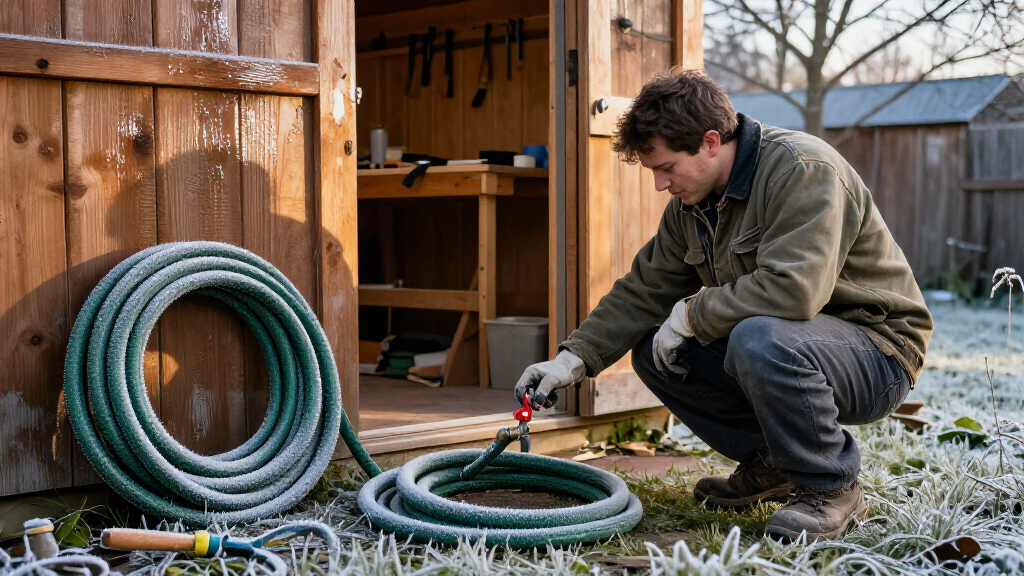
The checklist puts water management near the top of the work. It advises homeowners to clear gutters and downspouts, check for leaks and direct downspouts at least 10 feet from the house. Remodeling expert Michael DiMartino cautions against cleaning gutters before nearby trees have finished shedding leaves, since debris can accumulate again. The report also says to disconnect hoses, drain them and sprinkler systems, and cover outdoor faucets that are not frost-free.
For plumbing inside or near the home, plumber Tim Fancher recommends insulating pipes in unheated areas such as garages, crawl spaces, basements and attics. The checklist also suggests sealing gaps around doors, windows, foundations and pipe openings where cold air can reach plumbing. Fancher advises residents to locate the main water shutoff in advance so they can act quickly if a pipe bursts.
Other tasks include checking windows and doors for damaged seals, visually inspecting the roof and attic for damage or moisture, and trimming weak tree limbs. Home improvement expert Eric Goranson recommends an annual professional HVAC inspection. The report also calls for checking a vehicle’s battery, tires and wipers, and preparing gas-powered lawn equipment for storage by draining fuel or using a stabilizer, following the equipment maker’s instructions.
Freezing weather can turn small maintenance problems into costly repairs. Water left in hoses, sprinklers or exposed pipes can freeze and expand; a split pipe may then leak when temperatures rise. Poor drainage can leave water near a foundation, while loose roof materials or overhanging weak limbs may become more hazardous in winter weather.
Preparing before the first frost can also reduce disruptions beyond the house. A furnace that has not been checked may fail during cold weather, and a weakened car battery may struggle to start. The checklist is practical prevention advice rather than a guarantee: local conditions, the age of a home’s systems and the specific equipment all affect what work is needed.
Products Worth Considering

Philips Hue Festavia 130-Foot Indoor/Outdoor Smart String Lights, 500 LEDs

Philips Hue Festavia Globe Outdoor String Lights, 32 Bulbs, 91 ft

Philips Hue Bridge Pro Smart Lighting Hub
As an affiliate, we earn on qualifying purchases.
What the Checklist Covers
The Family Handyman report presents ten preparation areas drawn from advice by home improvement experts, a plumber and an automotive expert. Alongside water and roof checks, it recommends winterizing the lawn, including pruning shrubs and perennial plants and applying winter fertilizer where appropriate. It also advises storing hoses and garden equipment under cover.
For heating and fire safety, the source recommends arranging annual HVAC service with a professional and checking a chimney for debris, such as nests, before using a furnace or fireplace. It says covering an outdoor air-conditioning condenser is not strictly necessary but may help protect it from frost. The report does not provide a single national date for these tasks; frost timing varies by location, so homeowners need to follow local forecasts and their equipment manuals.
“Before the first frost is also an excellent time to put your yard and equipment to sleep, so that it will start fresh for you in the spring.”
— Todd Tripp, home improvement expert, as quoted by Family Handyman
Local Timing and Home Conditions
The report does not identify a specific frost date or tailor the checklist to a particular climate. When the first frost will occur depends on location and weather, and some tasks may not apply to every property or system. The source also does not establish that completing the checklist will prevent all winter damage.
Homeowners may need an inspection to determine whether apparent roof, window or plumbing issues require repair. The report’s general advice does not specify repair costs, local code requirements or which products are suitable for every pipe and appliance. For questions about a particular system, the relevant professional or manufacturer guidance should take precedence.
Prepare Before Temperatures Fall
The report’s next step for readers is to use the checklist ahead of local freezing weather, rather than waiting for the first cold night. Homeowners can schedule HVAC service, check outdoor water connections and inspect gutters while conditions allow. Vehicle and lawn-equipment maintenance can be handled as part of the same seasonal preparation.
As forecasts change, residents should verify the timing of expected frost and revisit tasks that depend on falling leaves or changing conditions. Any signs of a roof leak, damaged plumbing or a malfunctioning heating system call for further assessment; the source does not say that visual checks alone can diagnose or repair those problems.
Key Questions
What should I do first before the first frost?
Start with outdoor water connections and drainage: disconnect and drain hoses, shut down and drain sprinkler systems, protect non-frost-free faucets, and check that gutters and downspouts carry water away from the house.
How can I reduce the risk of frozen pipes?
The checklist recommends insulating pipes in unheated spaces, sealing gaps where cold air can reach plumbing and learning the location of the main water shutoff. Those steps can reduce exposure and help limit water loss if a pipe breaks.
Should I hire a professional to check my heating system?
Yes. The report quotes home improvement expert Eric Goranson recommending an annual professional HVAC inspection. It also advises checking a chimney for debris before using a furnace or fireplace.
When should I clean my gutters?
Clean them after nearby trees have finished shedding most of their leaves, advises remodeling expert Michael DiMartino. The source also recommends checking for leaks and confirming that downspouts direct water at least 10 feet from the house.
How should I store gas-powered lawn equipment?
Family Handyman’s checklist says to drain the fuel or use a fuel stabilizer before storage. Todd Tripp describes draining the fuel and running the equipment until it stops, but owners should also follow the manufacturer’s instructions for their specific machine.
Source: familyhandyman.com