
TL;DR

Get business pricing on tools and workshop supplies
- Business-only prices and quantity discounts
- Tax-exempt purchasing
- Multiple users, one account, clear invoices
A Hunker report identifies round dining tables and tables in mid-toned wood as two 1950s-inspired styles gaining attention in 2026. The article links their appeal to current interest in warm colors, natural materials and curved forms, but provides no market data showing how widely the styles are returning.
A Hunker report has singled out round dining tables and mid-toned wood tables as two 1950s-inspired styles gaining renewed attention in 2026, connecting their appeal to current interest in warmer interiors and organic materials. The report describes a design trend, not a measured change in furniture sales or consumer demand.
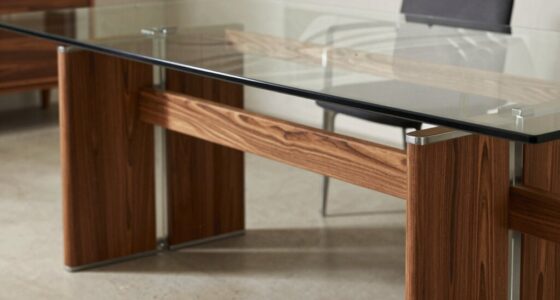
The first style is furniture made with mid-toned woods, including teak and beech, which the report says were common in midcentury design. These shades sit between very dark woods and paler options such as oak and ash, offering warmth without the visual weight of darker finishes. Hunker cites the Furniture in Fashion blog, which says these tones work with earthy colors such as ochre, rust, olive and warm terracotta.
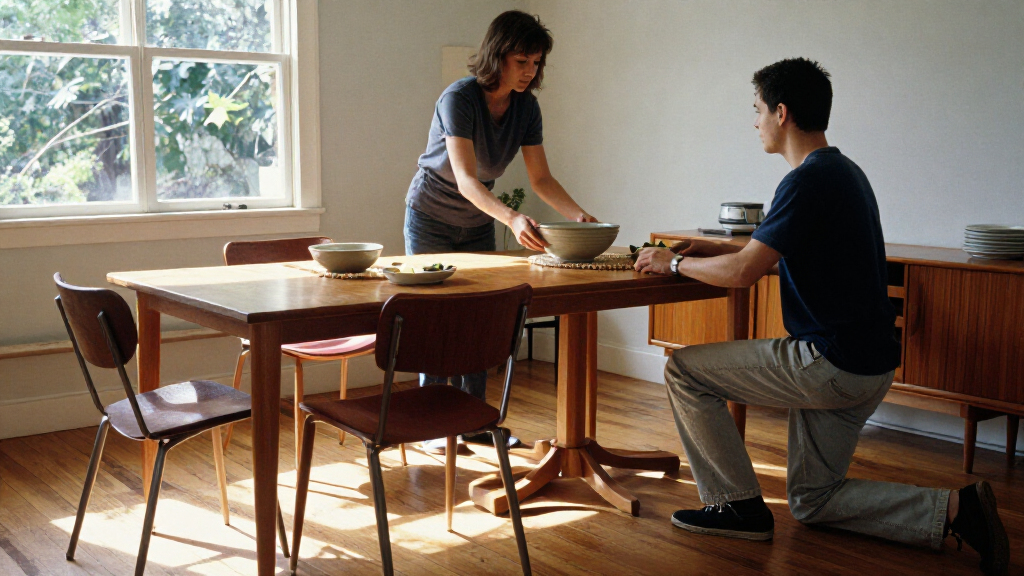
The report also points to round dining tables with midcentury forms, often featuring tapered legs or a pedestal base. Their compact visual profile can suit smaller rooms, while the round shape can make conversation easier among people seated around the table. Hunker cites designer Miranda Cullen, who described a round table as a centerpiece that can influence how people gather.
Hunker names current products as examples rather than evidence of broad adoption: the Gilda Oval Dining Table from Lulu & Georgia and a GDFStudio Keiko table sold through Target illustrate wood-tone options; a Signature Design by Ashley table available at Esperit Decor is presented as a modern take on Jean Prouvé’s 1949 Guéridon table. Product availability and prices may change.
Why These Shapes Suit Current Homes
The renewed interest matters for shoppers choosing a long-term, high-cost piece of furniture. The report’s central point is that these styles can connect a current preference for warm, textured rooms with designs that have remained recognizable for decades. Rather than relying on a short-lived surface detail, a buyer might choose a familiar silhouette or a natural-looking finish that can work with different decor over time.
The two styles also address practical questions. A round table may make it easier to move around a compact dining area and arrange chairs, while a mid-toned wood finish can add warmth without dominating a room. Those benefits depend on the table’s dimensions, base design and the household’s needs; the article does not establish that either style fits every space.
Products Worth Considering

Shark HydroVac MessMaster Wet/Dry Vacuum & Mop Combo (AW261)

eufy Security Video Doorbell E340, Dual Cameras, 2K FHD, 8GB Local Storage

Dreame G10 Pro Wet and Dry Vacuum Mop
As an affiliate, we earn on qualifying purchases.
Midcentury Design, Updated
Midcentury modern furniture is generally associated with clean lines, simple forms and natural materials. Hunker says the aesthetic has remained present in homes since its mid-20th-century heyday, while describing its current visibility as part of a wider interest in warm interiors, organic textures and earthy colors.
The report places the trend in 2026 and looks ahead to 2027, but it does not cite sales figures, survey results or a broad industry forecast. Its examples and expert commentary support a discussion of design direction; they do not quantify how many people are buying these tables or establish that the styles are new to the market.
“These tones pair beautifully with the earthy colours that are also popular: ochre, rust, olive and warm terracotta.”
— Furniture in Fashion blog, as quoted by Hunker
How Broad Is the Revival?
The report does not provide sales data, market estimates or consumer research to show the scale of the styles’ return. It also does not specify which retailers or regions are seeing increased demand. The claim that the designs are having a revival should be read as a design-trend assessment, not as a verified measurement of the furniture market.
Individual product details, including stock, finishes and prices, can change. The article gives no evidence that the named tables are representative of the full range of available options, and it does not compare their durability or cost against other styles.
What Shoppers Can Check
For now, readers considering either look can compare table dimensions, materials, finish samples and seating clearance against their own rooms. A round shape or warm wood tone alone does not establish that a table will suit a particular layout; the base, tabletop size and number of seats matter too.
Any further claim about the revival’s scale would need support from retailer sales, market research or additional reporting. Hunker’s article does not identify a forthcoming report or event that will settle that question, so the extent of demand remains open.
Key Questions
Which two dining table styles does the report identify?
It highlights round tables and tables made in mid-toned wood, drawing on 1950s and midcentury design.
Why are mid-toned woods being discussed?
The report says shades such as teak and beech add warmth between darker finishes and pale woods. It also notes their compatibility with earthy colors such as rust, olive and terracotta.
What practical benefit can a round dining table offer?
A round tabletop can help people converse across the table and may fit neatly into some smaller spaces. Whether it works depends on the room, table dimensions and chair arrangement.
Does the article prove these styles are selling more?
No. It describes a design trend but does not provide sales figures, survey results or other data measuring increased demand.
Source: hunker.com