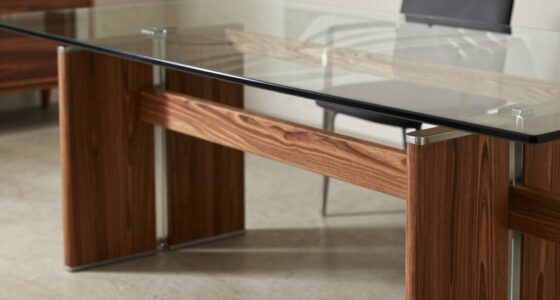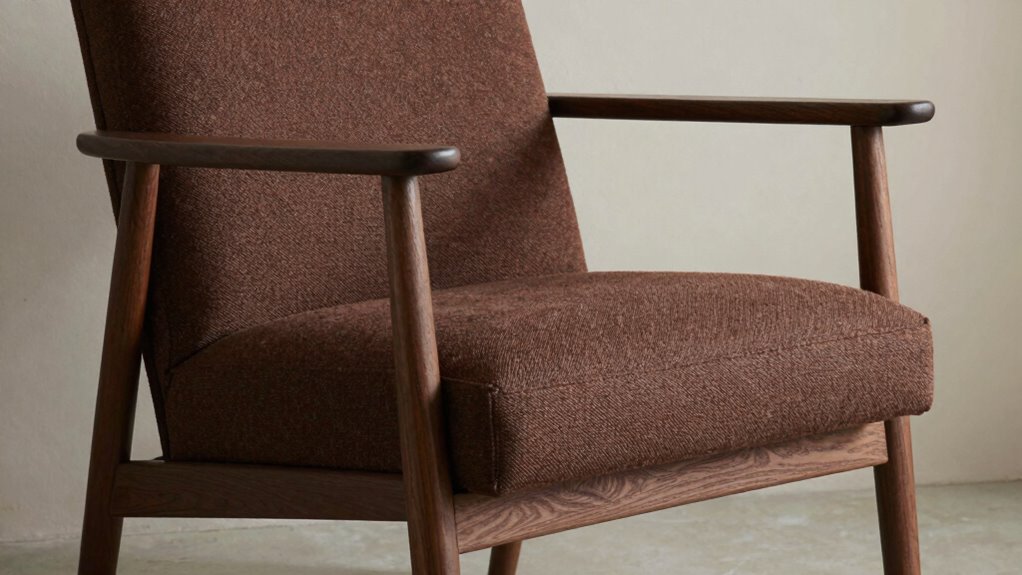

When you notice some furniture pieces feeling “heavy,” it often comes down to their proportions. Large, bulky items can dominate small spaces, creating an overwhelming sense of clutter. Meanwhile, lighter materials and cohesive colors promote openness and airiness. If you mix styles without considering their visual weight, it can lead to a disjointed look. By understanding these dynamics, you can achieve better balance and flow in your space. There’s more to explore about achieving harmony in design.

Get business pricing on tools and workshop supplies
- Business-only prices and quantity discounts
- Tax-exempt purchasing
- Multiple users, one account, clear invoices
Key Takeaways
- Furniture proportions impact visual weight, with larger pieces often dominating smaller spaces and creating a sense of heaviness.
- The material used, such as heavy woods or thick fabrics, contributes to the perceived weight of furniture.
- Dark colors can add depth, making oversized items feel heavier and overshadowing lighter elements in a room.
- Poor furniture placement can disrupt flow, making a space feel congested or unbalanced, thus enhancing the feeling of heaviness.
- Maintaining style cohesion ensures that each piece complements others, preventing heavier styles from overshadowing lighter designs.
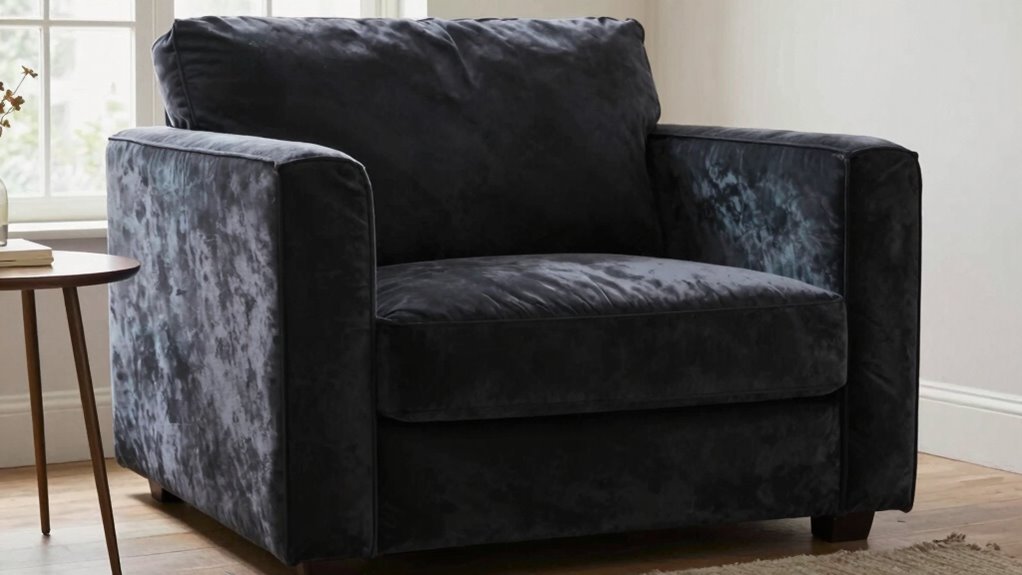
When you’re arranging a room, understanding furniture proportions can make all the difference. You might not realize it, but the size and shape of your furniture pieces play an essential role in how balanced and harmonious your space feels. Scale balance is key; if everything feels off, it could be due to the visual weight of the items you’ve chosen. A large, bulky sofa can dominate a small room, making it feel cramped, while a delicate chair may get lost in a spacious area.
Understanding furniture proportions is essential for creating a balanced, harmonious space; the size and shape of your pieces can transform the room’s feel.
Your choice of materials also has a significant impact. Heavy woods or thick fabrics carry more visual weight than lighter materials like glass or metal. When you mix materials, think about how they interact with one another. A glass coffee table can create a sense of openness, allowing other elements to breathe, while a leather sofa might seem more imposing. This interplay can either enhance or disrupt the design harmony you’re aiming for.
Color influence can’t be overlooked either. Dark colors can add depth and make a piece feel heavy, while lighter shades tend to lift the mood and create a sense of airiness. If you find a room feels unbalanced, consider the colors in play. A dark, oversized armchair may draw too much attention, overshadowing the lighter accents around it. Striking the right balance involves carefully considering how colors interact with one another, both regarding hue and proportion.
Space interaction is another vital aspect. How your furniture interacts with the space around it affects not just how it looks, but how it feels. A well-placed side table can create flow, linking different areas of the room and making it feel cohesive. In contrast, if pieces are scattered haphazardly, it can disrupt the room’s energy, creating awkward gaps or congested corners.
Finally, style cohesion ties everything together. Whether you’re going for modern minimalism or traditional elegance, every piece should contribute to the overall aesthetic. If a piece feels heavy in style, it can overshadow lighter elements, making the room feel disjointed. By focusing on scale balance, material impact, and color influence, you’ll create a space that feels naturally harmonious. Additionally, understanding furniture proportions can help you select pieces that complement each other and achieve visual harmony, making your design feel intentional and balanced. With these principles in mind, you can transform your room into a well-proportioned sanctuary where every piece works together in perfect harmony.
As an affiliate, we earn on qualifying purchases.
Frequently Asked Questions
How Do Colors Affect the Perception of Furniture Weight?
Colors greatly affect your perception of furniture weight. Lighter shades create an airy feel, making pieces seem less bulky, while darker tones can give a sense of heaviness. Through color psychology, you might associate deep hues with solidity and strength. Additionally, visual contrast plays an essential role; if a dark piece stands against a light wall, it may appear more substantial. So, when choosing furniture, consider how color influences your space’s overall vibe.
What Materials Contribute to a Piece Feeling “Heavy”?
Materials like metal and hardwood often contribute to a piece feeling “heavy.” Their material density delivers a solid sensation. Texture contrast, such as smooth surfaces paired with rough accents, enhances that perception. Design complexity can add visual weight, while shape angularity creates a bold presence. When you combine these factors, you’ll notice how certain furniture pieces command attention and feel more substantial, influencing your overall perception of their weight.
Can Lighting Influence Furniture Proportions and Heaviness?
Yes, lighting can definitely influence how you perceive furniture proportions and heaviness. When you adjust lighting angles, you create shadow effects that can either lighten or weigh down a piece visually. For example, harsh shadows might make a chair look bulkier, while softer light can highlight its elegance. Experimenting with different light sources can change how you feel about a piece, making it seem more or less substantial in your space.
How Do Furniture Styles Impact Perceived Weight?
Did you know that 70% of people perceive modern minimalism as lighter than traditional craftsmanship? This perception stems from clean lines and open spaces in minimalist designs, making them feel airier. In contrast, traditional craftsmanship often features intricate details and heavier materials, which can create a sense of weight. So, when choosing furniture, consider how the style impacts the overall vibe of your space and how it might feel to you.
Are There Cultural Differences in Furniture Weight Perception?
Yes, there are cultural differences in furniture weight perception. You might notice that cultural preferences shape how people view design trends, often influenced by historical influences. For example, minimalist styles in Scandinavian design promote lighter pieces, while traditional designs in other cultures favor heavier, more ornate furniture. The spatial context also plays a role—what feels appropriate in one setting might seem overwhelming in another. So, it’s all about how culture shapes our perceptions.
As an affiliate, we earn on qualifying purchases.
Conclusion
When you step into a room, the weight of furniture can pull at your senses, like a heavy fog settling over a landscape. Understanding proportions helps you lift that fog, revealing a harmonious balance. Each piece, from a sturdy oak table to a delicate chair, plays its part in the symphony of space. So next time you feel that heaviness, remember: it’s not just the furniture; it’s the conversation of shapes, sizes, and the dance they create together.
As an affiliate, we earn on qualifying purchases.
As an affiliate, we earn on qualifying purchases.
Fall yard work Picks
leaf blowers
As an affiliate, we earn on qualifying purchases.