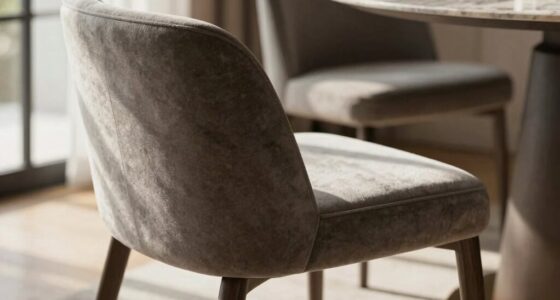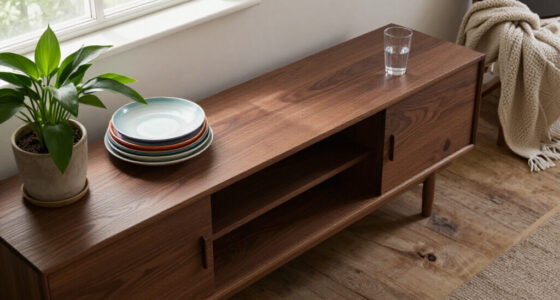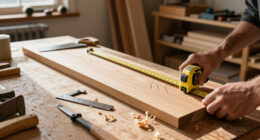
When designing around wood movement, you can create stunning pieces without sacrificing aesthetics. Choose stable hardwoods like maple or oak, and use joint techniques that allow for natural expansion, like floating tenons. Pay attention to joint placement and wood grain direction to prevent warping. By incorporating intentional gaps and thoughtful design, you’ll enhance both form and function. Embrace wood’s unique character, and you’ll achieve lasting beauty in your work. Discover more strategies to elevate your designs.

Get business pricing on tools and workshop supplies
- Business-only prices and quantity discounts
- Tax-exempt purchasing
- Multiple users, one account, clear invoices
Key Takeaways
- Choose stable hardwoods like maple or oak to minimize expansion while maintaining aesthetic appeal in your designs.
- Incorporate joint techniques like floating tenons that allow wood movement without compromising structural integrity or visual beauty.
- Plan design layouts with intentional gaps and strategic joint placements to accommodate wood expansion while enhancing overall aesthetics.
- Consider wood grain direction in your design to harmonize functionality and visual appeal, preventing warping or cracking.
- Anticipate seasonal changes in wood movement during the design process to ensure long-lasting beauty and durability in your projects.
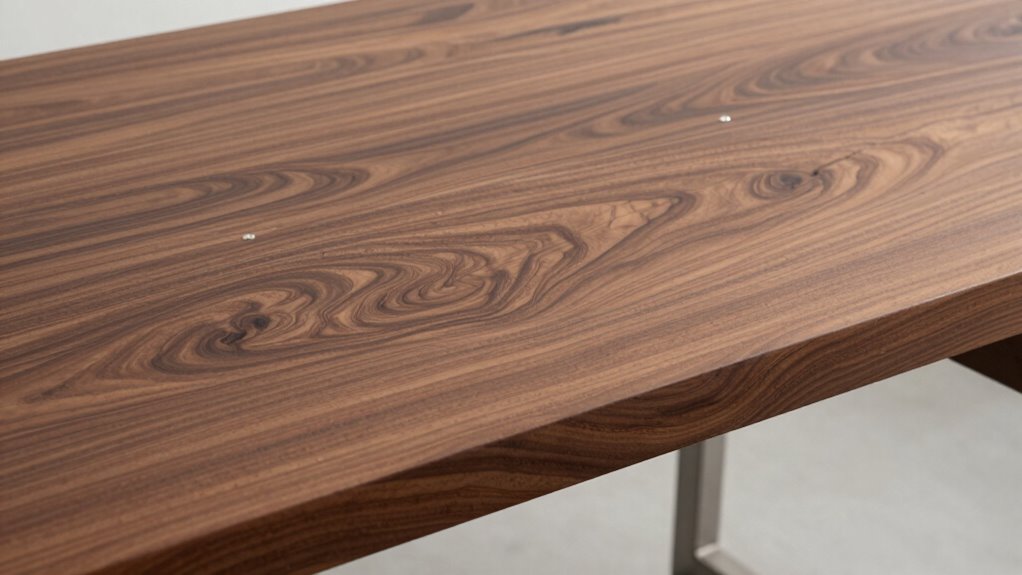
When you design with wood, understanding its movement is vital, especially since it expands and contracts with changes in humidity and temperature. This natural behavior is often referred to as wood expansion and can lead to challenges if not properly addressed. As you work on your projects, you’ll need to take into account how seasonal changes affect the wood’s dimensions and how this impacts your overall design. Material stability** is an important factor to consider when selecting wood, as choosing more stable species can help reduce potential issues caused by movement. Material selection plays a significant role in mitigating issues related to wood movement. Some species are more stable than others, so choosing the right wood can save you headaches down the road. For instance, hardwoods like maple or oak generally exhibit less expansion than softwoods, making them a good choice for applications where stability is paramount. By being mindful of the wood type, you can enhance both the aesthetic balance and the longevity of your design. Additionally, understanding wood moisture content can help you better anticipate how your project will respond to environmental changes, especially when stored or finished improperly. Properly controlling wood moisture** during storage and finishing can significantly reduce movement issues.
Joint techniques also come into play when addressing wood movement. Using joints that allow for movement—like floating tenons or tongue-and-groove joints—can help maintain structural integrity while accommodating the natural expansion and contraction of the material. These techniques not only preserve the strength of your construction but also enhance the beauty of your work, guaranteeing that it looks great over time.
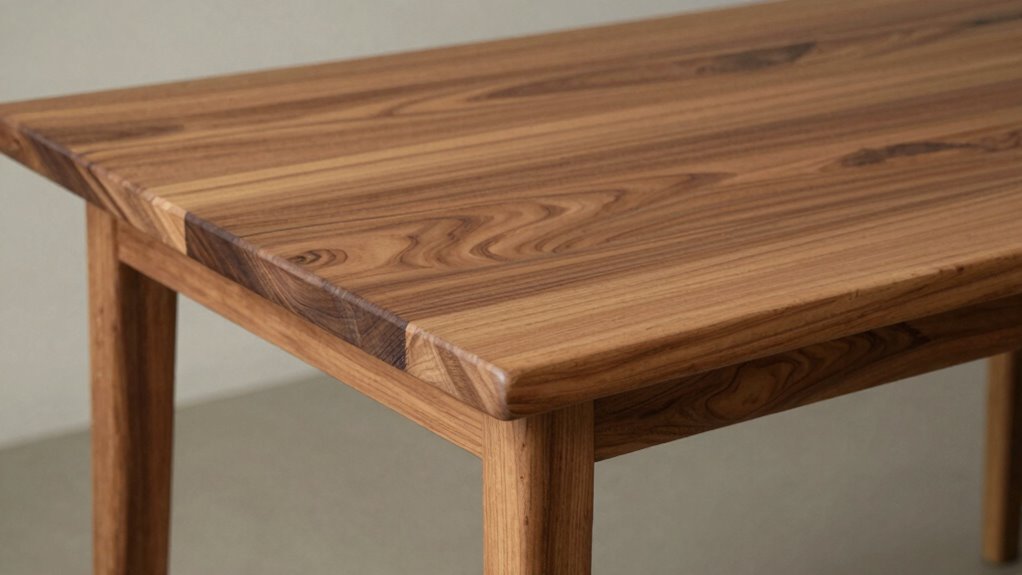
As you design, think about how you can incorporate these considerations without sacrificing the visual appeal of your project. For example, you might choose to leave intentional gaps in your design that allow for movement, integrating them into the overall aesthetic. This approach can create a unique character that celebrates the wood’s natural behavior, rather than hiding it.
Another aspect to reflect on is how your design’s layout affects wood movement. Arranging pieces in a way that allows for expansion can help prevent warping or cracking. By strategically placing joints and considering the direction of the wood grain, you can create a harmonious balance between function and form.
Ultimately, designing around wood movement without compromising the look can be a rewarding challenge. By carefully selecting materials, employing effective joint techniques, and planning for seasonal changes, you’ll create pieces that stand the test of time. Your understanding of wood expansion will not only enhance your craftsmanship but also guarantee that your designs remain beautiful and structurally sound for years to come.
hardwood wood for furniture making
As an affiliate, we earn on qualifying purchases.
As an affiliate, we earn on qualifying purchases.
Frequently Asked Questions
What Types of Wood Are Most Prone to Movement?
Certain hardwood varieties, like oak and maple, are more prone to movement due to their density and grain structure. On the other hand, softwood species such as pine and cedar can also shift, but often to a lesser extent. When you’re selecting wood for your projects, keep in mind that moisture levels and humidity can exacerbate these movements, so choose wisely to minimize issues down the line.
How Does Humidity Affect Wood’s Expansion and Contraction?
Humidity affects wood’s expansion and contraction by altering moisture levels within the material. When humidity rises, wood absorbs moisture, causing it to swell. Conversely, during dry spells or seasonal changes, wood loses moisture, leading to shrinkage. You’ll notice this movement in your projects, so it’s essential to take into account local climate conditions. By understanding these effects, you can better plan your designs to minimize issues related to wood movement.
Can Wood Movement Be Completely Eliminated?
You can’t completely eliminate wood movement; it’s like trying to hold back the tide. Wood’s nature means it expands and contracts with moisture changes. However, you can achieve better stability by controlling the environment around it. Use proper moisture control techniques, like maintaining consistent humidity levels, and select stable wood species. By doing this, you’ll minimize movement and create a beautiful, lasting result that stands the test of time.
What Finishes Help Minimize Wood Movement?
To minimize wood movement, you can use finish types like water-based polyurethanes or oils, as they penetrate the wood and enhance stability. When applying, guarantee even coats and consider using a brush or cloth for thorough coverage. Techniques like sealing the end grain can also help. Remember to allow proper drying time between coats, as this guarantees the finish bonds well and protects the wood effectively from moisture fluctuations.
How Should Furniture Be Maintained to Reduce Movement Issues?
To reduce movement issues, you should regularly maintain your furniture with proper wood care. Keep humidity levels consistent in your home, ideally between 30-50%. Seasonal adjustments are key; during dry months, consider using a humidifier, while in humid seasons, guarantee good ventilation. Wipe your furniture with a soft, dry cloth to prevent moisture buildup and reapply a protective finish as needed. This proactive approach will help keep your furniture stable and looking great.
As an affiliate, we earn on qualifying purchases.
Conclusion
Incorporating wood movement into your designs doesn’t mean sacrificing aesthetics. By choosing the right joints, finishes, and materials, you can create stunning pieces that stand the test of time. Isn’t it rewarding to know that your beautiful creations can thrive while respecting the natural properties of wood? Embrace these techniques, and you’ll enjoy both the elegance and durability of your designs, ensuring they remain a cherished part of your space for years to come.
As an affiliate, we earn on qualifying purchases.
As an affiliate, we earn on qualifying purchases.
Fall yard work Picks
leaf blowers
As an affiliate, we earn on qualifying purchases.