
TL;DR

Get business pricing on tools and workshop supplies
- Business-only prices and quantity discounts
- Tax-exempt purchasing
- Multiple users, one account, clear invoices
An archaeological team in Turkey has uncovered a sculpture dating back approximately 11,000 years, showing a man riding a leopard. The find offers new insights into prehistoric art and human-animal interactions. The discovery is confirmed, but its full significance remains under study.
Archaeologists in Turkey have announced the discovery of an 11,000-year-old sculpture depicting a man riding a leopard, a find that offers rare insight into prehistoric art and symbolic practices. The artifact was uncovered at a site in southeastern Turkey, and its age and craftsmanship make it one of the oldest known representations of human-animal interaction in ancient art, emphasizing its significance for understanding early human culture.
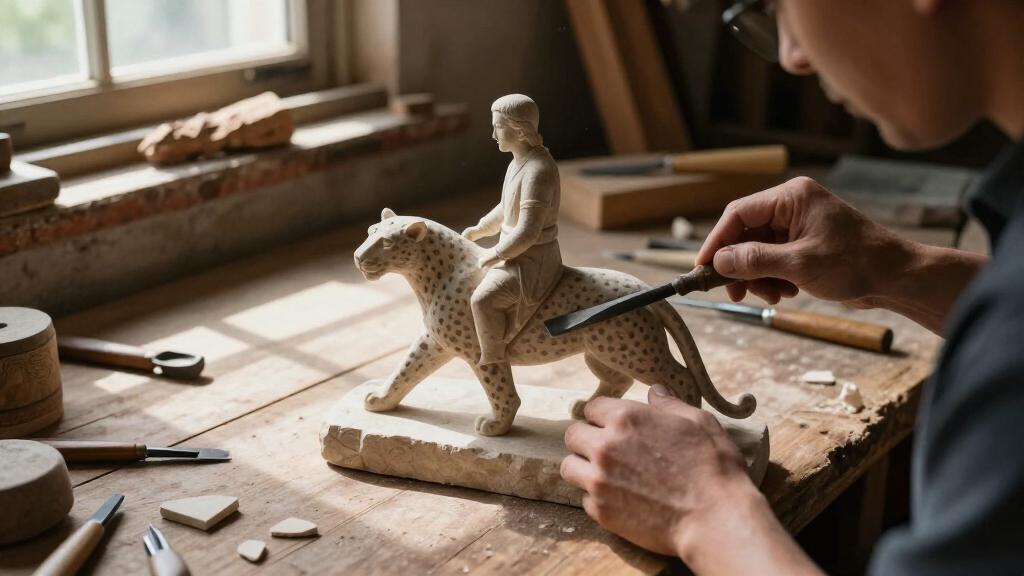
The sculpture, approximately 30 centimeters tall, was excavated from a settlement site near the city of Şanlıurfa. It is carved from a type of limestone and features a stylized human figure seated atop a crouching leopard, with detailed carvings suggesting a narrative or ritual significance. The discovery was made by a team from the Turkish Ministry of Culture and Tourism, working in collaboration with international archaeologists. Dating was confirmed through stratigraphic analysis and radiocarbon testing of associated materials, establishing the sculpture’s age at around 11,000 years, placing it in the late Epipaleolithic period.
According to Dr. Ayşe Demir, lead archaeologist on the project, the sculpture’s craftsmanship indicates a sophisticated level of artistic development for its time. “This artifact challenges previous assumptions about the scope of prehistoric art and suggests that early humans engaged in complex symbolic or religious practices involving animals,” she said. The sculpture is now housed in the Şanlıurfa Museum for further study.
Implications for Understanding Early Human Culture
This discovery is significant because it provides rare physical evidence of early symbolic behavior and artistic expression, dating back to a period when humans were transitioning from nomadic hunter-gatherers to more settled communities. The image of a man riding a leopard suggests a possible spiritual or mythological significance, indicating that early humans may have attributed symbolic meanings to animals or viewed them as spiritual guides. Experts believe the sculpture could reflect ritual practices or social hierarchies, offering a glimpse into the cognitive and cultural development of early societies.
Furthermore, the find may influence current theories about the domestication and symbolic relationship between humans and large predators, such as leopards, during the prehistoric era. It also highlights the region’s importance as a center of early human innovation and cultural exchange, given its location along ancient migration routes.
prehistoric animal sculpture replica
As an affiliate, we earn on qualifying purchases.
As an affiliate, we earn on qualifying purchases.
Prehistoric Art and Human-Animal Relations in Anatolia
The region of southeastern Turkey, particularly around Şanlıurfa, is renowned for its rich archaeological record dating back to the Paleolithic and Neolithic periods. Prior discoveries include early stone tools, cave paintings, and burial sites that have contributed to understanding early human life. However, sculptures from this period are exceedingly rare, especially those depicting detailed human-animal interactions.
Historically, representations of animals in prehistoric art have been linked to hunting practices, spiritual beliefs, or social identity. The famous Göbekli Tepe site, also in Turkey, has revealed monumental stone carvings with animal motifs dating back approximately 11,000 years, indicating that complex symbolic thought existed in this region during the late Paleolithic era. The new sculpture complements this context, suggesting that artistic expression and symbolic engagement with animals were evolving during this period.
Previous similar finds include small figurines and cave paintings, but a sculpture of a human riding a predator is unprecedented for its age, marking a potential breakthrough in understanding the scope of prehistoric art and social symbolism.
“This artifact challenges previous assumptions about the scope of prehistoric art and suggests that early humans engaged in complex symbolic or religious practices involving animals.”
— Dr. Ayşe Demir
As an affiliate, we earn on qualifying purchases.
Unanswered Questions About the Sculpture’s Context
While the age and craftsmanship of the sculpture are confirmed, its precise purpose and symbolic meaning remain unclear. Researchers are still investigating whether it was part of a ritual, a mythological depiction, or a form of early storytelling. The cultural context of the artifact is not yet fully understood, and interpretations are preliminary.
Additionally, the extent of artistic development during this period in the region is still being explored, and further excavations are needed to determine whether similar sculptures or artifacts exist from this era.
replica of 11,000-year-old prehistoric art
As an affiliate, we earn on qualifying purchases.
As an affiliate, we earn on qualifying purchases.
Future Research and Excavation Plans
Archaeologists plan to conduct further excavations at the site to uncover additional artifacts and contextual evidence. They aim to analyze the sculpture’s stylistic features and compare it with other prehistoric art to better understand its function and significance. Scientific studies, including residue analysis and 3D imaging, are also planned to explore the material composition and manufacturing techniques used.
Researchers hope that ongoing excavations will reveal more about the cultural practices of early humans in Anatolia, potentially leading to new insights into prehistoric art and social organization. The sculpture will be subject to detailed analysis in the coming months, and its discovery will likely influence broader theories about early human symbolic behavior.
prehistoric animal carvings souvenir
As an affiliate, we earn on qualifying purchases.
As an affiliate, we earn on qualifying purchases.
Key Questions
How old is the sculpture of the man riding a leopard?
The sculpture is approximately 11,000 years old, dating back to the late Epipaleolithic period.
What material is the sculpture made from?
The sculpture is carved from limestone, a common material used in prehistoric art in the region.
Why is this discovery important?
It provides rare physical evidence of early symbolic and artistic behavior, offering insights into prehistoric human culture and their relationship with animals.
Are there similar artifacts from this period?
While animal motifs are common in cave paintings and figurines, a sculpture of a human riding a predator from this era is unprecedented, making this find unique.
What are the next steps for researchers studying this sculpture?
Further excavations, scientific analyses, and comparative studies are planned to better understand its cultural context and significance.
Source: hn
Fall yard work Picks
leaf blowers
As an affiliate, we earn on qualifying purchases.