Half-blind dovetails can elevate your drawer fronts by hiding joints, but baseline errors can ruin that look. If you misalign or mismeasure, those gaps can spoil the entire aesthetic. Precise cuts and careful grain orientation are essential for a perfect fit and strong joints. Don’t rush the process; a well-planned approach will enhance both beauty and durability. Want to guarantee your project shines? There’s more to learn about avoiding common pitfalls.
Key Takeaways
- Baseline errors in half-blind dovetails can lead to visible gaps, compromising the joint’s aesthetic and structural integrity.
- Precision in measurements is crucial; even slight miscalculations can result in poorly fitting joints.
- Clear marking and double-checking measurements before cutting help prevent baseline errors during joint assembly.
- Proper cutting techniques and tools ensure clean edges, minimizing the risk of alignment issues.
- Conducting a dry fit allows for adjustments before permanent adhesion, ensuring a snug, visually appealing joint.

When you want to create a seamless joint that hides its craftsmanship, half-blind dovetails are your go-to choice. These joints are perfect for drawer fronts, giving them a clean finish while maintaining strength. However, if you’re not careful, a baseline error can ruin the entire aesthetic, and that’s something you don’t want to deal with.
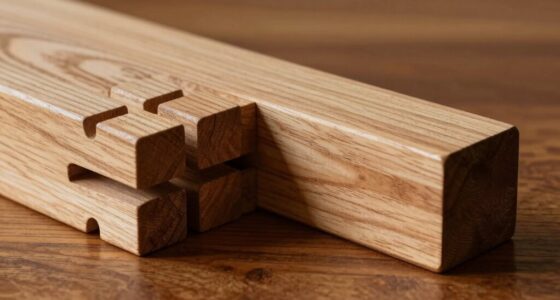
The beauty of half-blind dovetails lies in their joint techniques. Unlike traditional dovetails that show both tails and pins, half-blind dovetails conceal one side. This makes them particularly suitable for drawer construction, where you want the front to look flawless while guaranteeing the joint remains sturdy. The challenge is to accurately measure and cut the joints. If you miscalculate even slightly, the joint won’t fit correctly, leading to unsightly gaps or misalignment. This misalignment can severely detract from the joint aesthetics you’re aiming for, making your hard work look sloppy.
The elegance of half-blind dovetails lies in their hidden craftsmanship, perfect for achieving flawless drawer fronts while ensuring robust joints.
To avoid the baseline error that can spoil your drawer fronts, you need precision in your measurements. Make sure you mark your pieces clearly and double-check before cutting. Using a sharp chisel and a good saw will help you achieve clean cuts, which is essential for a tight fit. If you rush this step, you might end up with uneven edges that will be visible when the drawer is closed. Additionally, understanding the importance of wood grain can help you plan your cuts better and improve the visual appeal. Proper grain orientation also contributes to the joint strength and durability of the finished piece. Paying attention to the grain direction can also prevent splitting or weak spots in your joint. Developing a good understanding of grain orientation can significantly elevate your craftsmanship and ensure a long-lasting, professional-looking result. Being mindful of the grain pattern can further enhance the aesthetic harmony of the finished project.
Another common mistake is not considering the wood grain. The way the grain runs can affect how the joint looks once assembled. Always plan your cuts to guarantee that the grain aligns appropriately, which enhances the joint aesthetics. A well-aligned grain can make even a simple joint appear more sophisticated and polished.
Once you’ve cut your joints, test them dry before applying any glue. This step allows you to make necessary adjustments without the pressure of permanent adhesion. If the joint doesn’t fit snugly, take the time to refine it. After all, a well-executed half-blind dovetail not only provides structural integrity but also elevates your project’s overall look.

Half Blind and Through Dovetail "Tails" Template
Half Blind and Through Dovetail "Tails" Template
As an affiliate, we earn on qualifying purchases.
As an affiliate, we earn on qualifying purchases.
Frequently Asked Questions
What Tools Are Essential for Creating Half-Blind Dovetails?
To create half-blind dovetails, you’ll need a few essential tools. Start with dovetail chisels for precise cutting and shaping of the joints. A marking gauge is vital for accurately marking your lines, ensuring everything fits snugly. A backsaw will help you make clean cuts along your markings. Don’t forget a mallet to drive your chisels effectively. With these tools, you’re set to craft beautiful, sturdy joints!
Can Half-Blind Dovetails Be Used for Other Furniture Types?
Absolutely, you can use half-blind dovetails in various furniture types, not just for drawers. They enhance furniture aesthetics with their clean and elegant look. You might consider using them for cabinet doors or even small boxes. Plus, dovetail variations allow you to customize the joints for different styles, adding a unique touch to your pieces. So, don’t hesitate to experiment and elevate your furniture designs with these versatile joints!
How Can I Fix a Mistake in Half-Blind Dovetails?
When a dovetail joint feels like a cracked foundation, you know it needs fixing. First, assess the alignment—use shims to adjust the joint if it’s off. Then, consider repair techniques like filling gaps with wood glue and sawdust for a seamless look. For precision, clamp the pieces tightly while the glue sets. With these alignment strategies, you’ll restore strength and beauty, ensuring your project stands tall and proud once again.
What Wood Types Work Best for Half-Blind Dovetails?
For half-blind dovetails, you’ll want to choose wood types like maple, cherry, or walnut. These woods have a good balance of density and strength, making them perfect for joints. Their fine grain patterns not only enhance aesthetics but also help in achieving clean cuts and tight fits. Avoid softer woods, as they can compress and weaken the joint. So, stick with dense hardwoods for the best results in your projects!
Are There Alternative Joinery Methods to Consider?
Have you ever wondered if there are better options than half-blind dovetails? Absolutely! You can explore alternative joints like box joints or finger joints, which provide excellent strength and visual appeal. Additionally, consider using dowel joints or pocket holes for a faster assembly. Each joinery technique has its unique benefits, so think about what suits your project best. Don’t hesitate to experiment with different methods to find your perfect fit!

Clarke Brothers Wheel Marking Gauge – Woodworking Marking Scriber Kit With 2 Replacement Cutters – Wood Marking Tools With Graduated Inch & MM Scale – Solid Metal Bar Wood Scribe Tool For Carpenter
✅ PATENT PENDING – ROLL STOP FENCE WITH FLAT SPOT – woodworking tasks with a high-end wheel marking…
As an affiliate, we earn on qualifying purchases.
As an affiliate, we earn on qualifying purchases.
Conclusion
In the world of woodworking, half-blind dovetails symbolize the delicate balance between beauty and function. When a drawer front falters, it’s not just a flaw; it’s a reminder that imperfections can mar even the most skilled craftsmanship. Each misalignment whispers of missed opportunities and the quest for perfection. As you embrace the art of joinery, remember that every joint tells a story, and it’s often the flaws that make it uniquely yours, revealing the heart behind the craft.
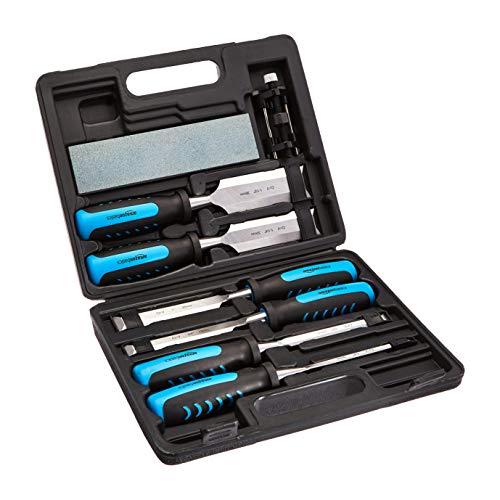
Amazon Basics 8-Piece Wood Chisel Set for Woodworking, with Honing Guide, Sharpening Stone and Storage Case, 1/4" – 1-1/2"
8-piece wood carving chisel set includes 6x chisels 1/4 inch (6mm), 1/2 inch (13mm), 3/4 inch (19mm), 1…
As an affiliate, we earn on qualifying purchases.
As an affiliate, we earn on qualifying purchases.
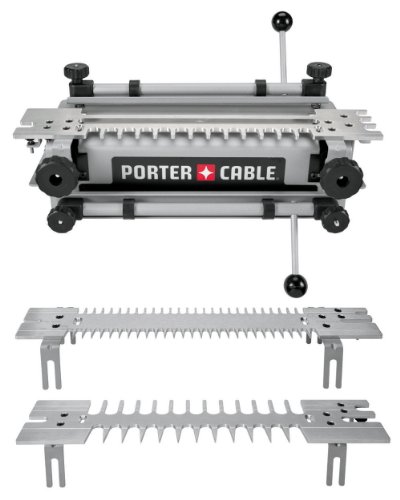
PORTER-CABLE Dovetail Jig, Woodworking, Mini Template Kit for Precise Alignment (4216)
Includes Template 4211 For Half-Blind, Rabbeted Half-Blind And Sliding Dovetails
As an affiliate, we earn on qualifying purchases.
As an affiliate, we earn on qualifying purchases.