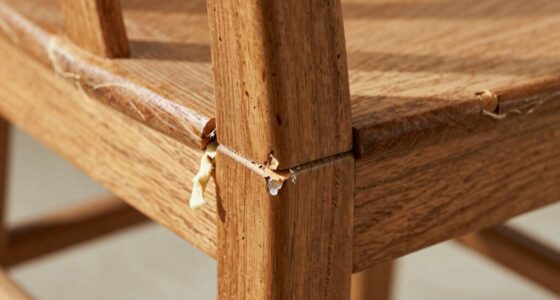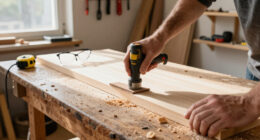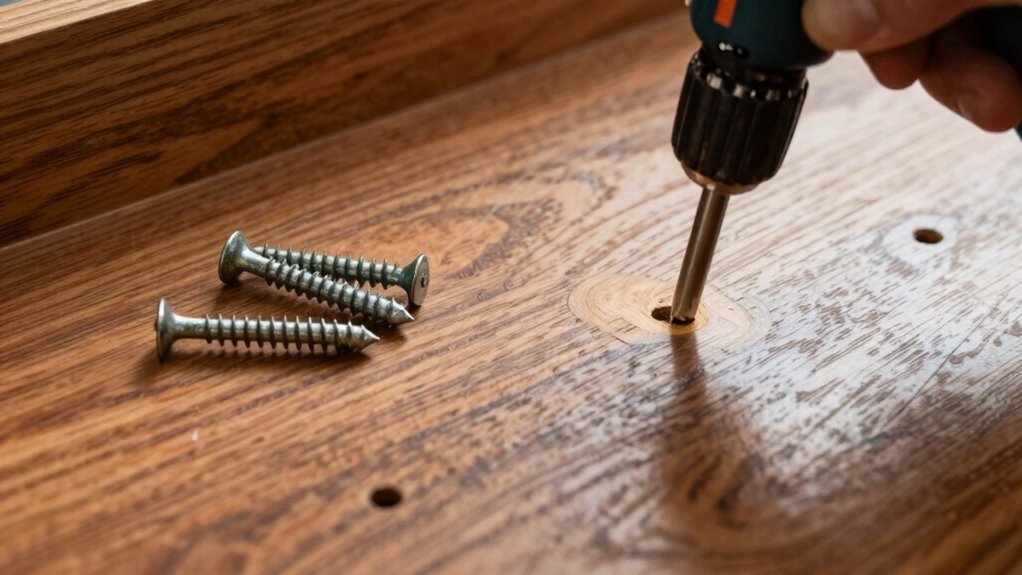
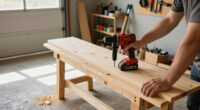
If you’ve got stripped screw holes in your casework, assess the damage first. Clean out the hole and use wood filler for minor repairs or epoxy resin for stronger support. After it cures, re-drill the hole and replace the screw to guarantee a tight fit. Keep an eye on other screws, as regular maintenance can prevent future issues. There’s much more to explore about lasting repair techniques and materials that can help you achieve stability.

Get business pricing on tools and workshop supplies
- Business-only prices and quantity discounts
- Tax-exempt purchasing
- Multiple users, one account, clear invoices
Key Takeaways
- Assess the damage to determine if minor repairs or stronger solutions, like epoxy or dowels, are needed for stripped screw holes.
- Clean the screw hole thoroughly to ensure better adhesion of wood filler or epoxy resin.
- Apply wood filler or epoxy resin generously, allowing for slight overfilling, and ensure full curing for optimal strength.
- Re-drill the screw hole to create new threads, using a drill bit that matches the screw size for a proper fit.
- Regularly monitor and maintain screws in casework to prevent future stripping and ensure long-lasting repairs.
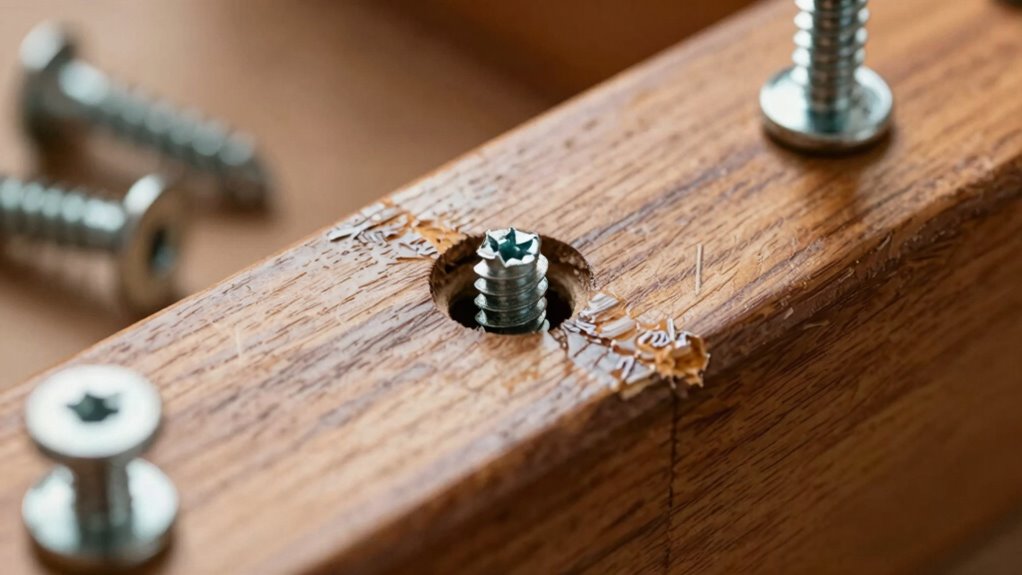
Stripped screw holes can be a common headache for DIY enthusiasts and homeowners alike. When a screw hole loses its grip, it can lead to loose fixtures or even structural problems in your casework. You might feel frustrated when you realize that a simple task has turned into a more complex repair. Fortunately, there’s a method that not only fixes the issue but also guarantees long-lasting results.
First, assess the damage. If the screw hole is stripped but the surrounding wood is still solid, you’ve got a good chance for an effective repair. Start by choosing your tools wisely. You’ll need wood filler for minor repairs or, for more robust needs, epoxy resin to reinforce the area. If you’re dealing with a larger hole, consider some hole reinforcement options. Using a dowel or a wooden plug can provide extra support, allowing the screw to grip better. Understanding home maintenance practices can help you identify potential issues before they become serious. Additionally, knowing the proper repair techniques can help you avoid future problems.
Once you’ve selected your tools, clean out the screw hole. Remove any debris or loose material, as this will help your chosen filler adhere better. For wood filler, simply apply it generously to the hole, making sure to overfill slightly. After it dries, you can sand it down to create a smooth surface. If you opt for epoxy resin, mix it according to the instructions. Fill the hole and let it cure fully; this usually takes several hours but can provide a much stronger bond. Additionally, understanding proper repair techniques can help you achieve more durable results.
After your filler or resin has cured, it’s time for thread repair. Re-drilling the screw hole carefully will help you create new threads for the screw. Use a drill bit that matches the size of the screw you plan to use. If the hole is still too loose, consider using a larger screw for better grip. That’s where screw replacement can come in handy. Additionally, understanding the importance of proper repair techniques can help ensure your fix lasts longer. Remember, the key to a lasting repair is patience and attention to detail.
Finally, make sure to test the stability of your repair. Tighten the screw gently but firmly, confirming it holds well without stripping again. Regular casework maintenance is vital to avoid future issues, so keep an eye on other screws in your furniture. With the right tool selection and materials, you’ll guarantee that your repairs stand the test of time. By taking these steps, you’ll transform a stripped screw hole from a problem into a successful DIY project.
wood filler for furniture repair
As an affiliate, we earn on qualifying purchases.
As an affiliate, we earn on qualifying purchases.
Frequently Asked Questions
What Tools Are Needed for Repairing Stripped Screw Holes?
To repair stripped screw holes, grab a few essential tools. You’ll need wood glue or epoxy, a dowel or toothpicks, and a drill. Choose the right screw types for your casework materials—whether it’s wood, MDF, or particleboard. A screwdriver will help you reinsert the screws securely. With these tools in hand, you can effectively fix the holes and guarantee your casework remains sturdy and functional.
Can I Use Wood Glue for This Repair?
Using wood glue for this repair isn’t your best bet. Imagine trying to hold a ship together with just a whisper of adhesive—it won’t last. Instead, consider wood glue alternatives like epoxy or screw hole fillers designed specifically for this purpose. They bond tightly, ensuring your screws stay secure for the long haul. So, grab the right materials, and your casework will stand strong, weathering the storms of everyday use.
How Do I Prevent Future Stripped Screw Holes?
To prevent future stripped screw holes, you should focus on screw hole maintenance and take some simple preventive measures. Use the right screw size for your holes, and avoid overtightening screws. Consider using wood filler or glue for damaged holes before reinserting screws. Regularly check and tighten screws to guarantee they’re secure but not overly tight. By being proactive, you’ll keep your casework sturdy and minimize the risk of stripping.
Is It Possible to Repair Metal Casework Screws?
Yes, you can repair metal casework screws quite effectively. Did you know that 30% of DIYers face issues with stripped screws? You can use various screw types and repair techniques to fix the problem. Consider using a larger screw or a threaded insert for a more permanent solution. If the hole’s too damaged, epoxy or a metal filler can also help restore strength, ensuring your repairs last longer and function better.
How Long Does the Repair Typically Last?
The repair typically lasts a long time, often many years, depending on how well you execute it. You’ll want to guarantee you maintain screw integrity by using the right materials and techniques. If you do it properly, the repair longevity can match that of the original installation. Regular maintenance and avoiding over-tightening will help keep everything secure, so your repair holds up well over time.
As an affiliate, we earn on qualifying purchases.
Conclusion
Just like a sturdy tree can weather any storm, your casework can stand strong again with the right repair. By following these steps to fix stripped screw holes, you’re not just patching up a problem; you’re reinforcing the foundation of your furniture. With a little patience and the right materials, you’ll restore both functionality and durability. So go ahead, breathe new life into your casework, and let it serve you well for years to come.
As an affiliate, we earn on qualifying purchases.
As an affiliate, we earn on qualifying purchases.
Fall yard work Picks
leaf blowers
As an affiliate, we earn on qualifying purchases.