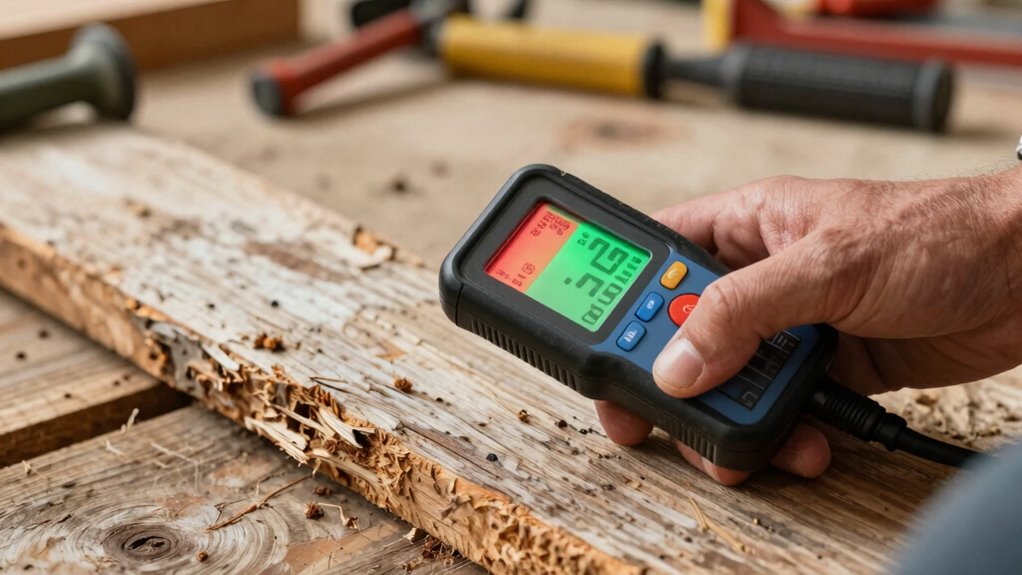

Moisture meters save your project when they’re properly calibrated and used with correct techniques, helping you avoid costly mistakes like over-drying or underestimating moisture levels. They’re essential in ensuring proper curing, preventing structural issues, or crop failures. However, if you rely on uncalibrated or flawed measurements, they can lead to serious errors. Understanding their limitations and proper usage maximizes their benefits—continue to discover how to get accurate, reliable results every time.
Key Takeaways
- Moisture meters save a project when properly calibrated and used with correct testing techniques.
- They prevent costly errors by providing accurate moisture data for critical decisions.
- When ignored or misused, moisture meters can lead to inaccurate readings and project failures.
- Regular calibration and understanding material-specific properties ensure reliable results.
- Over-reliance without understanding device limitations can cause false confidence and errors.
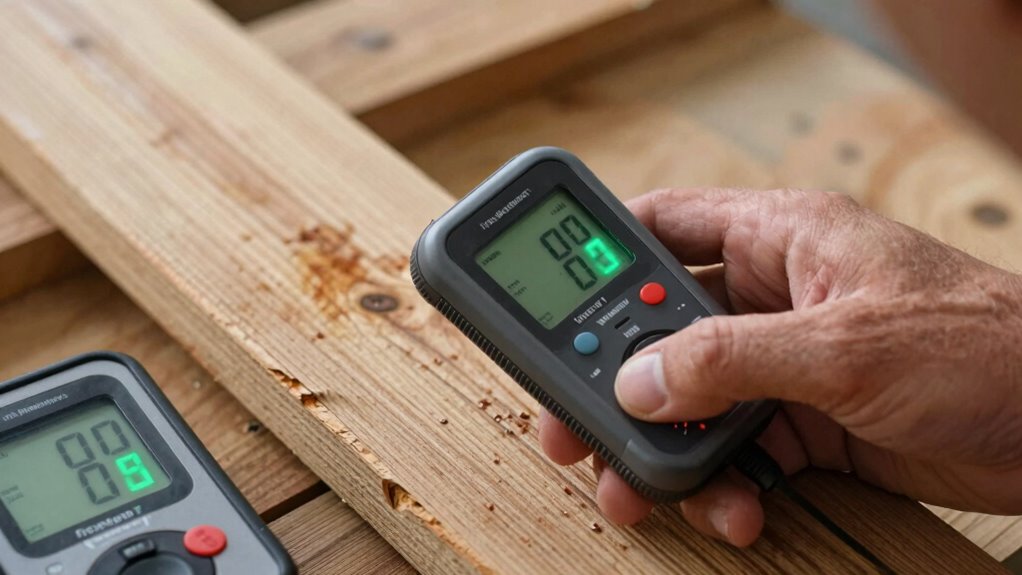
Have you ever wondered how to accurately measure the moisture content in materials like wood, soil, or concrete? If so, you’re probably aware that using the right tools is essential. Moisture meters are invaluable in many projects, but their effectiveness depends on proper calibration and correct usage. When you perform moisture meter calibration regularly, especially before critical measurements, you ensure your digital moisture measurement readings are accurate. This step helps prevent costly mistakes, such as over-drying wood or underestimating moisture in soil, which can lead to structural issues or crop failure. Digital moisture measurement devices are convenient because they provide quick, straightforward results, but they only work well if calibrated correctly. Without calibration, your readings could be off, leading you down the wrong path.
Regular calibration of moisture meters ensures accurate readings, preventing costly mistakes in wood, soil, and concrete projects.
In projects where moisture content is a key factor—like woodworking, construction, or agriculture—using a properly calibrated moisture meter can be the difference between success and failure. For instance, in woodworking, knowing the precise moisture level helps you prevent warping or cracking in the final product. When you measure moisture in concrete, accurate readings ensure the curing process is proceeding correctly, reducing the risk of cracks or weaknesses. Similarly, in soil testing, reliable moisture data guides irrigation and planting decisions, optimizing yield and conserving resources. Calibration is a fundamental step to ensure the reliability of your measurements and the success of your project. Additionally, understanding the specific material type you are testing can improve the accuracy of your readings, as different materials may require different testing techniques. Being aware of material properties can help you select the appropriate testing method and interpret results more accurately. Proper knowledge of material composition can also influence how you interpret moisture readings and decide on corrective actions.
However, moisture meters don’t always save a project, especially if you overlook some important factors. If your device isn’t calibrated correctly, or if you don’t follow proper testing procedures, your measurements can be misleading. For example, inserting a moisture meter into a material at the wrong spot or not allowing the device to adapt to different densities can produce faulty results. Over-reliance on digital moisture measurement without understanding its limitations can also cause issues. Some meters only measure surface moisture, missing moisture deeper inside a material. In such cases, a false sense of security might lead you to make poor decisions, risking project failure.
Ultimately, moisture meters are powerful tools when used correctly, but they aren’t infallible. Their usefulness hinges on proper calibration, appropriate measurement techniques, and understanding their limitations. When you use your moisture meter accurately, you’re more likely to prevent problems and save time and money. But skip calibration or neglect proper procedures, and you might find that your measurements lead you astray, causing more harm than good. In the end, the key to benefiting from moisture meters lies in knowing when and how to rely on them, ensuring they truly help your project succeed.
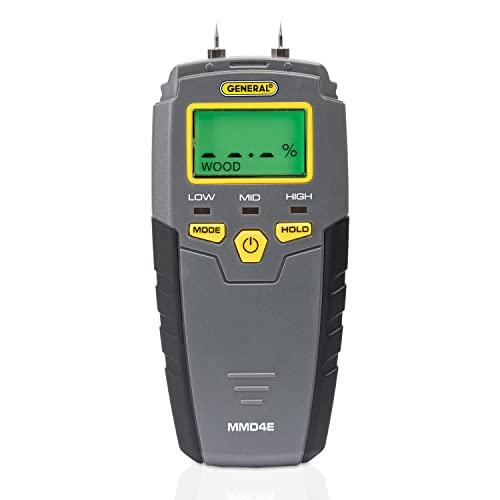
General Tools MMD4E Digital Moisture Meter, Water Leak Detector, Moisture Tester, Pin Type, Backlit LCD Display With Audible and Visual High-Medium-Low Moisture Content Alerts, Grays
- Humidity Sensor: Detects moisture levels for mold prevention
- Water Leak Detection: Identifies moisture in wood and drywall
- Moisture Reader: Backlit LCD with large digits for easy reading
As an affiliate, we earn on qualifying purchases.
As an affiliate, we earn on qualifying purchases.
Frequently Asked Questions
Can Moisture Meters Detect Mold or Bacteria Growth?
Moisture meters can’t directly detect mold or bacteria growth. They primarily measure moisture levels in materials, which helps with mold detection and bacteria monitoring by identifying damp areas prone to microbial growth. If moisture readings are high, it signals you should inspect further for mold or bacteria. However, to confirm microbial presence, you need specialized testing beyond what moisture meters provide, such as lab analysis or air quality assessments.
How Often Should I Calibrate My Moisture Meter?
You should calibrate your moisture meter regularly, ideally before each project or weekly, to guarantee measurement accuracy. Calibration frequency depends on how often you use it and the environment’s conditions. If you notice inconsistent readings, recalibrate immediately. Proper calibration maintains measurement accuracy, helping you make reliable assessments of moisture levels. This practice prevents costly mistakes and ensures your project stays on track.
Are Moisture Meters Effective on All Building Materials?
Moisture meters aren’t effective on all building materials because material compatibility impacts measurement accuracy. For example, pin-type meters work well with wood, but may give false readings on dense concrete or metal. Non-invasive meters are suitable for drywall or plaster but less accurate on porous or thick materials. To guarantee reliable results, always check your moisture meter’s compatibility with your specific material, and calibrate it regularly.
What Is the Maximum Moisture Level Safe for Hardwood Flooring?
Did you know that a moisture content of around 6-9% is generally safe for hardwood flooring? You should aim for this range to guarantee hardwood safety. If moisture levels exceed 12%, you risk warping or cupping. Monitoring the moisture content closely with a moisture meter helps prevent issues. Keep it below 10%, and you’ll maintain the integrity and longevity of your hardwood flooring effectively.
Do Moisture Meters Require Special Training to Operate?
You don’t need special training to operate moisture meters, but understanding moisture meter types and calibration procedures helps guarantee accurate readings. Digital moisture meters are user-friendly, while pin-type models may require some practice to avoid damaging the wood. Always calibrate your device before use, following the manufacturer’s instructions. With a bit of familiarity, you can confidently measure moisture levels and prevent costly mistakes in your project.

YAMRON 4-in-1 Soil Moisture Meter Digital Plant Temperature/Soil Moisture/pH Meter/Sunlight Intensity Backlight LCD Display Soil Test Meter for Gardening, Farming and Outdoor Plants
- 4-in-1 Soil Testing: Measures moisture, pH, temperature, sunlight
- Large Backlit LCD Screen: Easy reading in day or dark
- Quick Accurate Measurements: Fast soil pH, moisture, temperature detection
As an affiliate, we earn on qualifying purchases.
As an affiliate, we earn on qualifying purchases.
Conclusion
So, next time you’re tackling a project, remember that moisture meters can be your trusty sidekick—saving the day when moisture levels threaten your work, just like a modern-day Robin Hood. But don’t rely on them blindly; sometimes, a keen eye and a bit of elbow grease are what you need. When used wisely, these tools keep your project from turning into a soggy mess, proving that even in the 21st century, a little old-fashioned intuition still goes a long way.
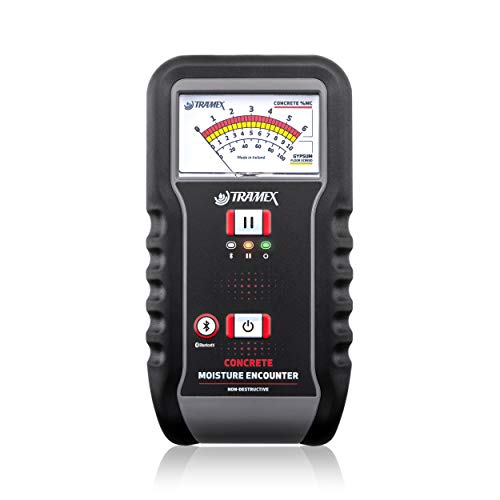
Tramex Concrete Moisture Encounter CME5 | Meter for Measuring Moisture Content in Concrete Floor, Slabs & Screeds
- Prevents Moisture Problems: Non-destructive moisture measurement
- Accurate Moisture Reading: Instant quantitative results to 3/4 inch depth
- Versatile Testing: Suitable for concrete and screeds
As an affiliate, we earn on qualifying purchases.
As an affiliate, we earn on qualifying purchases.

Pinless Moisture Meter, Digital Wood Moisture Tester, Non-Destructive Induction Moisture Detector for Drywall, Lumber, Building Materials, Easy Read and Three Color Indicate
- Non-Destructive Detection: Measures moisture without damaging surfaces
- Accurate Moisture Measurement: Reads moisture up to 20mm depth with 0.1% resolution
- Multiple Detection Modes: Includes 2 detection and 2 material modes
As an affiliate, we earn on qualifying purchases.
As an affiliate, we earn on qualifying purchases.