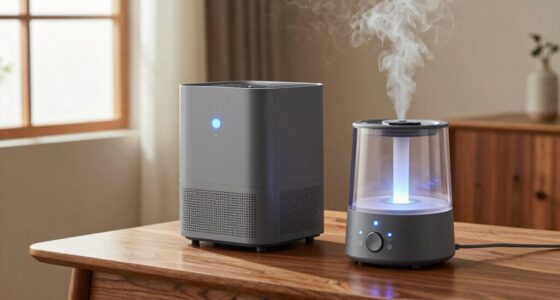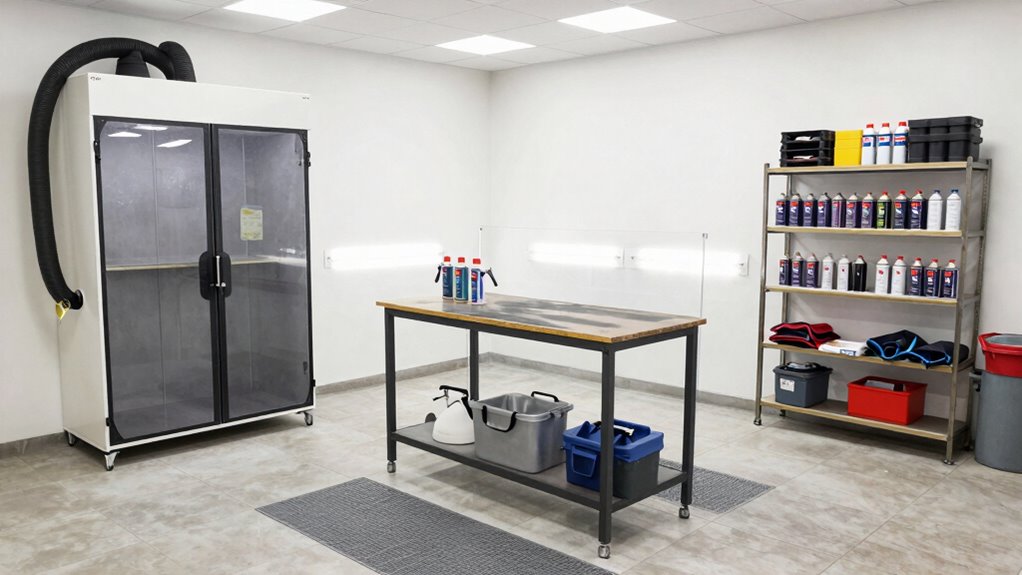
To create a safer spray area in your small shop, install effective ventilation like exhaust fans or air scrubbers to remove fumes and airborne particles. Always wear proper protective gear such as respirator masks, gloves, and coveralls to shield against chemicals and debris. Regularly maintain equipment and use air quality monitors to track hazards. Prioritizing safety at every step will protect your health and improve your finishes—keep going to discover how all these steps work together.
Prime for Young Adults — start your free trial
Fast free delivery, streaming and member deals for eligible 18–24 year olds.
As an affiliate, we earn on qualifying purchases.
Key Takeaways
- Install effective ventilation systems like exhaust fans or air scrubbers to remove fumes and maintain fresh air.
- Use air quality monitors to track airborne contaminants and ensure safe fume levels.
- Equip workers with high-quality respirators, gloves, and protective clothing to prevent chemical exposure.
- Regularly maintain and replace filters and safety equipment for optimal protection.
- Implement strict safety protocols and proper workspace organization to minimize hazards and ensure a safe environment.
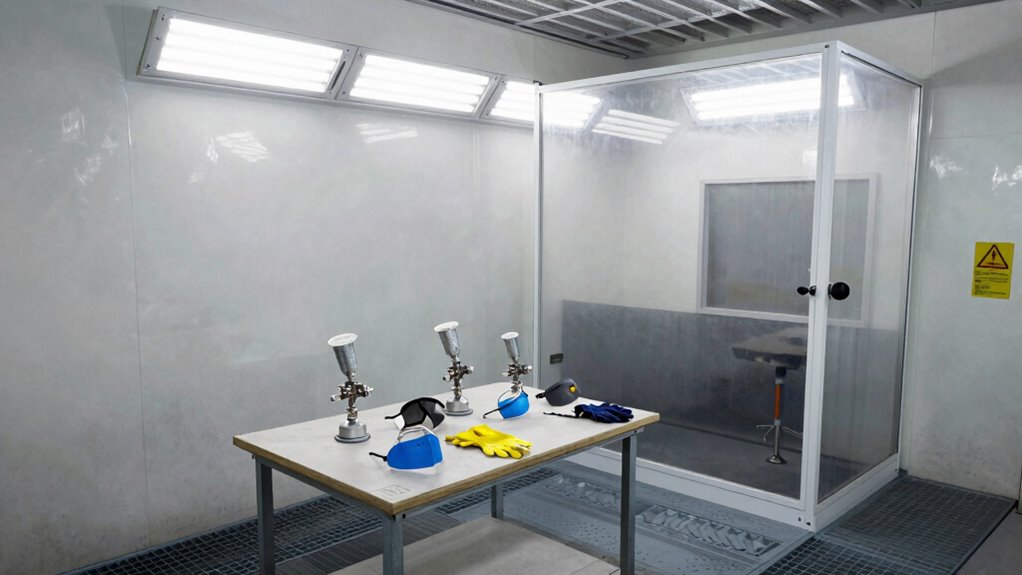
Finishing your small shop’s projects with spray equipment can be efficient and professional, but safety should always come first. One of the most critical aspects of creating a safe spray area is guaranteeing proper ventilation improvements. Spray finishing releases fumes and airborne particles that can be harmful if inhaled or accumulated in your workspace. To combat this, you should invest in a ventilation system that effectively pulls fumes away from your work zone and exhausts them outside. Installing exhaust fans or air filtration units helps maintain fresh air and reduces the risk of inhaling toxic vapors. Keep the area well-ventilated throughout the entire spraying process, and consider adding window vents or portable air scrubbers to further improve airflow. Proper ventilation not only protects your health but also ensures better paint adhesion, dries finishes faster, and minimizes overspray settling on unintended surfaces. Additionally, ventilation systems can help control dust and debris, creating a cleaner work environment overall. Regular maintenance of your ventilation equipment is essential to keep it functioning effectively and to prevent the buildup of contaminants. Using properly maintained ventilation is key to sustaining a safe workspace and achieving high-quality finishes. Ensuring proper airflow can also help reduce hazardous fumes, making your workspace safer for prolonged use. Incorporating air quality monitoring devices can further help you keep track of airborne contaminants, enhancing safety measures.
Alongside ventilation improvements, the selection of protective gear is essential to safeguard yourself during spray finishing. You want gear that effectively shields your eyes, skin, and respiratory system. A high-quality respirator mask rated for fumes and particles should be your top priority. Unlike basic dust masks, a respirator with the right cartridges filters out hazardous vapors and prevents them from entering your lungs. Pair this with chemical-resistant gloves to protect your skin from contact with solvents and paints, and wear long-sleeved clothing or coveralls to minimize skin exposure. Protective eyewear, such as goggles or safety glasses, keeps splashes and airborne debris from reaching your eyes. When selecting protective gear, consider comfort and fit, as ill-fitting equipment can be cumbersome and less effective. Always check the manufacturer’s instructions to ensure your gear is suitable for the type of finishes you’re applying, and replace filters or worn-out equipment regularly to maintain maximum protection. Remember, choosing the right protective gear also involves considering comfort and fit, so you can work safely without fatigue or discomfort.
Creating a safer spray area isn’t just about having the right tools—it’s about making safety a priority at every step. Improving ventilation reduces the risk of inhaling harmful fumes and keeps the environment healthier for longer sessions. Meanwhile, choosing the right protective gear ensures you’re shielded from direct contact with chemicals and airborne particles. When these elements work together, you create a workspace that allows you to work efficiently and produce high-quality finishes without compromising your health. Remember, investing time in safety measures now can prevent serious health issues later, making your small shop a professional, safe environment where your craftsmanship can truly shine.
As an affiliate, we earn on qualifying purchases.
Frequently Asked Questions
What Are the Best Ventilation Options for Small Spray Areas?
For your small spray area, optimize airflow with a high-quality exhaust system that effectively removes fumes and overspray. Consider installing an adjustable exhaust fan and ensuring proper ducting to maximize airflow. Use intake vents to bring in fresh air, maintaining positive pressure. Regularly maintain and filter the exhaust system to keep it efficient. Proper airflow optimization minimizes health risks and creates a safer, more controlled finishing environment.
How Often Should Spray Equipment Be Inspected for Safety?
You should inspect your spray equipment frequently to guarantee safety and functionality. Regular checks help catch calibration issues and mechanical malfunctions early. Keep safety signage clear and current, and verify equipment is properly calibrated before each use. By consistently inspecting, you prevent potential problems, promote safety, and preserve your workspace’s well-being. Make it a habit to conduct thorough inspections regularly, ensuring your spray equipment remains safe, sound, and ready for effective operation.
Are There Specific PPE Recommendations for Different Spray Materials?
Yes, there are specific PPE recommendations for different spray materials. You should prioritize Personal Protective Equipment like respirators, gloves, and eye protection based on the material’s toxicity and chemical properties. Always check Material Compatibility to confirm your PPE effectively resists the specific substances you’re spraying. For hazardous materials, use specialized PPE like chemical-resistant suits and respirators to prevent health risks. Proper PPE selection is essential for safety and compliance.
How Can I Prevent Fire Hazards in a Spray Finishing Shop?
Think of your shop as a guarded fortress against fire hazards. You prevent sparks from igniting trouble by storing flammable materials in designated, well-ventilated containers away from ignition sources. Keep electrical equipment, heaters, and open flames out of spray areas, and regularly inspect for frayed cords or sparks. By controlling flammable storage and eliminating ignition sources, you build an unbreakable barrier, transforming your shop into a safe haven.
What Training Is Necessary for Safe Spray Area Operation?
You need to participate in thorough training programs focused on safe spray area operation to guarantee worker safety. These programs should cover proper handling of spraying equipment, understanding fire hazards, and ventilation procedures. By actively engaging in this training, you’ll learn how to minimize risks, recognize potential dangers, and use safety equipment correctly. Regular refreshers are essential, so stay updated to maintain a safe environment and protect yourself and your coworkers.
As an affiliate, we earn on qualifying purchases.
Conclusion
Creating a safer spray area may seem like a small step, but it’s the foundation of a confident finish. Think of your workspace as both a sanctuary and a stage—where safety and craftsmanship take center stage. By prioritizing protection, you’re not just preventing accidents; you’re elevating your entire project. Remember, safety isn’t a barrier—it’s the doorway to flawless results and peace of mind. Embrace the balance, and let your small shop shine safely and beautifully.
As an affiliate, we earn on qualifying purchases.
air quality monitor for workshop
As an affiliate, we earn on qualifying purchases.
As an affiliate, we earn on qualifying purchases.
Fall yard work Picks
leaf blowers
As an affiliate, we earn on qualifying purchases.