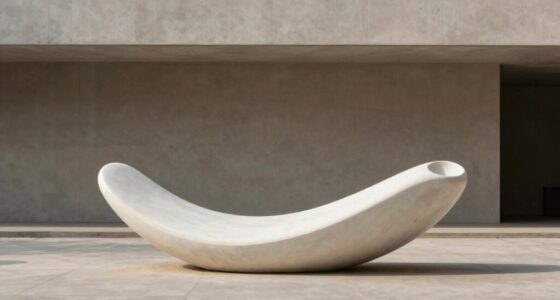
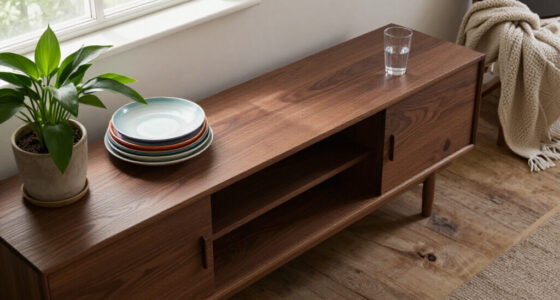
Thick tabletops can look clumsy because they often disrupt the balance with more delicate furnishings. They create a heavy visual presence that might overpower other design elements. This can skew room proportions, making the space feel cramped. When paired with slim furniture, thick tops can appear unstable, leading to an awkward design contrast. You’ll want to contemplate the surrounding decor and materials to maintain harmony, and there are more tips to achieve that balance.
Listen free for 30 days with Audible
Thousands of audiobooks and originals — cancel anytime.
As an affiliate, we earn on qualifying purchases.
Key Takeaways
- Thick tabletops can disrupt design harmony, overwhelming other elements in modern interiors.
- Heavy materials may clash with delicate furnishings, creating a visual imbalance.
- Pairing thick tabletops with slim furniture can lead to an awkward appearance.
- Dark finishes can weigh down a space, contributing to a clumsy feel.
- Intricate surrounding decor may compete with thick tabletops, disrupting overall cohesiveness.
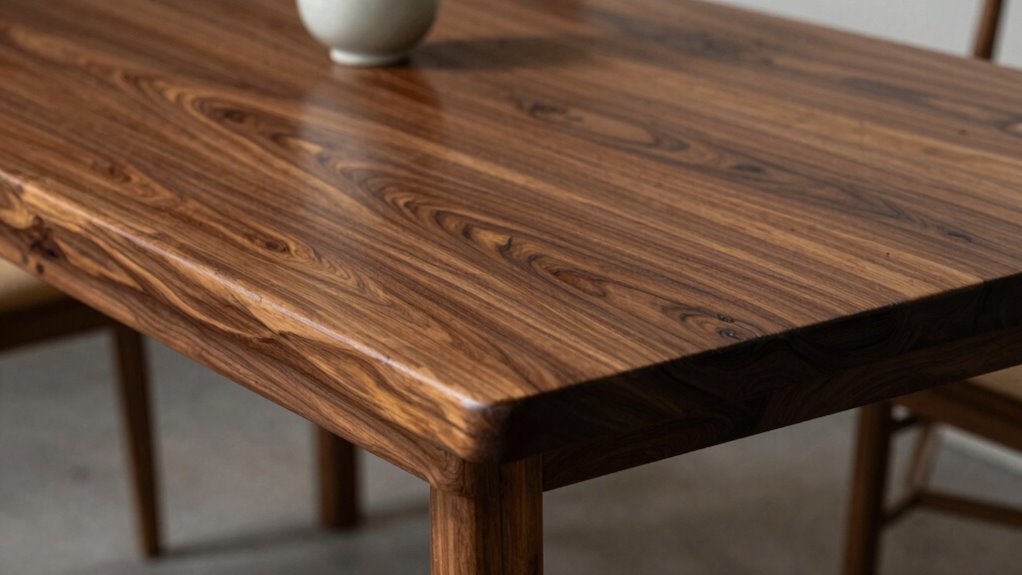
Thick tabletops have become a popular choice for modern interiors, bringing both style and durability to any space. Yet, while they offer a bold statement, they can sometimes appear clumsy, disrupting the overall aesthetic. You might find that the thickness of the tabletop can overwhelm other design elements, causing a lack of harmony in your room.
Thick tabletops bring style and durability but can disrupt harmony, overwhelming other design elements in modern interiors.
When you choose a thick tabletop, it’s essential to reflect on your material choices. A heavy wood or thick stone creates a strong visual presence, which can clash with more delicate furnishings or accessories. If your space features sleek lines and minimalistic designs, a substantial tabletop might feel out of place, creating a jarring contrast. Instead of enhancing the room, it can draw attention away from the carefully curated details that make your design unique.
Moreover, achieving design balance is vital. Thick tabletops can skew the proportions of a room, especially if the accompanying chairs or other furniture pieces are slim or dainty. You may want to pair a robust tabletop with equally substantial legs or bases to create a cohesive look. If you don’t, you risk making the tabletop look like it’s sitting atop a fragile structure, which can feel unstable or awkward.
Another point to reflect on is the color and finish of the tabletop. A heavy, dark finish can weigh down a space, making it feel smaller and more cramped. On the other hand, lighter options in the same thickness can offer a more balanced look. When you’re thoughtful about these choices, you can avoid the clumsiness that thick tabletops sometimes bring.
It’s also helpful to consider how visual proportion influences the perception of a space, especially when working with bold pieces like thick tabletops. material choices, including weight and texture, and their interaction with the surrounding decor can significantly alter the overall harmony. Additionally, understanding how different design principles can help you balance bold furniture pieces with the rest of your decor. Incorporating visual weight and proportionate sizing can make a substantial difference in achieving a harmonious design.
It’s also worth contemplating the surrounding decor. If your walls are adorned with intricate patterns or your furniture is heavily textured, a thick tabletop might compete for attention rather than complementing the overall design. Striking a balance between bold and subtle can help maintain a cohesive atmosphere in your home.
Ultimately, thick tabletops can be a stunning addition when styled correctly. By paying attention to material choices and ensuring design balance, you can create a space that feels intentional and harmonious. Don’t shy away from experimenting, but keep in mind how each element interacts with the others, and you’ll avoid the pitfalls that lead to a clumsy appearance. Your space deserves that thoughtful touch!
modern wooden dining table with slim legs
As an affiliate, we earn on qualifying purchases.
As an affiliate, we earn on qualifying purchases.
Frequently Asked Questions
What Materials Are Best for Thick Tabletops?
For thick tabletops, hardwoods like oak, walnut, or maple are your best bets. These wood types offer durability and a rich aesthetic that complements various design styles. If you’re leaning towards a modern look, consider a sleek, polished surface. For a rustic vibe, reclaimed wood adds character. Remember, the right finish can enhance the wood’s natural beauty while ensuring it fits seamlessly into your space. Choose wisely to elevate your tabletop’s appeal!
How Do I Clean and Maintain a Thick Tabletop?
To clean and maintain your thick tabletop, use gentle cleaning techniques like a soft cloth and mild soap. Avoid harsh chemicals that could damage the finish. Regularly apply a suitable wood conditioner to keep it looking fresh. For stubborn stains, a mix of vinegar and water works wonders, but test it first in a hidden spot. Don’t forget to polish occasionally to enhance its shine and protect against scratches.
Are Thick Tabletops More Durable Than Thinner Ones?
Absolutely, thick tabletops often offer more durability than thinner ones. Have you ever thought about how much weight they can support? Their sturdier construction can withstand daily wear and tear better, making them a practical choice for busy spaces. However, you might find that their aesthetic appeal can vary. While some love the bold look of thick surfaces, others might prefer the sleekness of thinner designs. Ultimately, it’s all about your personal style and needs.
Can Thick Tabletops Be Used Outdoors?
Yes, thick tabletops can definitely be used outdoors. They often provide better weather resistance than thinner options, making them ideal for patios and gardens. When you choose a material like teak or polywood, you enhance outdoor aesthetics while ensuring durability. Just be mindful of the weight; thicker tabletops can be heavier, so make sure your furniture can support them. With the right care, they’ll stand up beautifully to the elements.
How Do I Choose the Right Thickness for My Tabletop?
When you choose the right thickness for your tabletop, imagine it as the foundation of a cozy café or a sleek modern kitchen. Consider your style preferences—do you lean towards rustic charm or minimalist elegance? Then, think about design balance; a thicker top can feel sturdy and substantial, while a slimmer one may exude lightness. Aim for harmony, ensuring your choice complements the surrounding furniture and creates an inviting atmosphere.
light-colored stone tabletop for living room
As an affiliate, we earn on qualifying purchases.
As an affiliate, we earn on qualifying purchases.
Conclusion
To summarize, thick tabletops can sometimes appear clumsy due to their disproportionate presence in a space. For instance, imagine a sleek, modern dining room featuring a towering, bulky tabletop that overwhelms the surrounding décor. This contrast can disrupt the harmony of the room, making it feel heavy and unbalanced. By choosing a design that complements the overall aesthetic, you can create a more inviting and visually appealing environment. Remember, balance is key!
minimalist coffee table with balanced proportions
As an affiliate, we earn on qualifying purchases.
As an affiliate, we earn on qualifying purchases.
durable thick wood tabletop for dining
As an affiliate, we earn on qualifying purchases.
As an affiliate, we earn on qualifying purchases.
Flea & tick season Picks
flea and tick prevention
As an affiliate, we earn on qualifying purchases.