TL;DR

Get business pricing on tools and workshop supplies
- Business-only prices and quantity discounts
- Tax-exempt purchasing
- Multiple users, one account, clear invoices
Hunker published a DIY guide to building a compact ladder-style desk with attached shelves from scrap wood. The design can be adapted to available materials and space, but the guide says it should be secured to a wall and that reused outdoor wood should be checked for damage.
Hunker has published a DIY guide for building a compact ladder-style desk with attached shelves from scrap wood, offering a space-saving option for people who need a work surface but lack room for a conventional desk. The design uses two long side supports with shelves and a desktop fixed between them, and the guide warns that the finished unit needs to be secured to a wall.
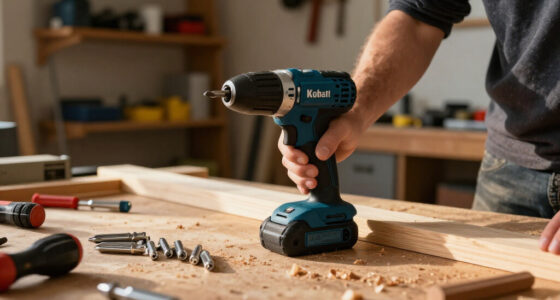
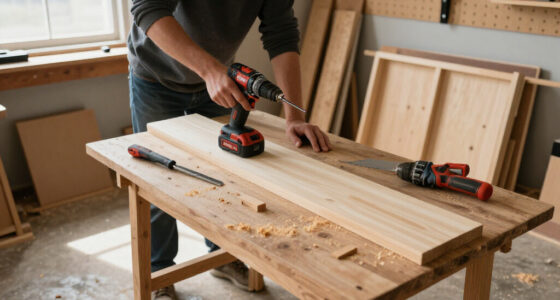
The guide says the project can use leftover wood, a drill, screws, cutting tools and brackets, along with patience. Sandpaper or a sander, wood glue and decorative materials are optional additions. The proposed layout has two longer boards as the sides of the ladder frame, with the desk and shelves serving as crosspieces. Builders can plan the dimensions around their room and the scraps they already have.
For assembly, Hunker recommends positioning the frame against the wall in its intended leaning position, then marking level lines on both sides for the shelves and desk. Those pieces can be held with wood glue and then fixed with nails or screws. If the desktop should be wider than the shelves, the guide suggests making two ladder-style shelf frames and attaching the desk between them.
After assembly, builders can sand rough areas and use paint or wood stain to give mismatched pieces a more consistent finish, or leave the wood plain. The guide also describes variations, including notching shelves around their supports, adding raised edges, or constructing A-shaped side frames for a freestanding version.
A Desk Designed for Tight Spaces
The design addresses a practical constraint: a full-size desk can take up more floor area than a small room or craft corner allows. A narrow ladder frame places the work surface and storage vertically, making use of wall space while allowing the builder to choose the width and shelf arrangement. Reusing suitable offcuts may also reduce the need to buy new lumber, though the source gives no cost estimate or measurements for a standard build.
The project is not simply a matter of attaching boards together. The guide stresses that a ladder desk usually has only two legs and is meant to lean against a wall, so it must be secured to prevent it from shifting or falling. That requirement affects where it can be installed and may complicate the project for renters or anyone unable to drill into the wall.
Products Worth Considering

Philips Hue Smart Light Starter Kit with Bridge and 4 White and Color A19 Bulbs

Philips Hue Starter Kit with Bridge Pro and 4 Retrofit LED Recessed Downlights

Ring Alarm 5-Piece Kit
As an affiliate, we earn on qualifying purchases.
How the Ladder Frame Works
A ladder desk takes its name from its construction: two long side pieces support horizontal shelves and a desk surface, similar to rungs between the sides of a ladder. In the Hunker design, the frame leans against a wall, while the shelf and desktop positions are set to sit flat when the unit is in place. The format can be kept narrow or extended to suit the available space.
The source presents the project as a customizable DIY idea, not as a tested product or a set of engineered plans. It does not give fixed dimensions, weight limits, a hardware specification, or a cost comparison. Builders are expected to measure their own space and adapt the plan to the size and condition of the available wood.
““Ladder desks are a modern desk style with two long legs that are leaned against the wall.””
— Hunker
Build Details Still Depend on Your Space
The guide does not provide standard dimensions, load ratings or a complete cut list, so readers must determine whether their scrap wood and wall can support the intended use. It also does not specify which fasteners are suitable for different wall materials or how much weight the desk and shelves can safely hold.
Hunker says a strong adhesive strip may be an option where drilling is difficult, but advises caution. The source does not identify a particular product or establish that adhesive mounting is appropriate for every wall, desk size or load. The safety of any finished build will depend on its construction, materials and attachment method.
Measure, Build and Secure the Frame
The next step for anyone following the guide is to measure the intended location and plan the frame around both the room and the available wood. Before assembly, inspect reclaimed boards for rot or damage, decide where shelves and the work surface should sit, and choose a suitable way to secure the finished unit to the wall. The source offers no follow-up testing or project results, so there is no reported next milestone beyond the reader’s own build and installation.
Key Questions
What materials does the project call for?
Hunker lists scrap wood, a drill, screws, wood-cutting tools and brackets. Sandpaper or a sander, wood glue and decorative supplies are optional additions. The exact amount of wood depends on the dimensions and layout chosen.
Does a ladder desk need to be attached to a wall?
The guide says ladder desks typically have two legs and need wall security for safety. It mentions screws and brackets, while cautioning readers about using adhesive strips. It does not provide a universal fastening specification.
Can the desk be made without drilling into a wall?
Hunker notes that a strong adhesive strip may work in some cases but says to proceed with caution. It also describes an A-frame variation with paired side supports for a freestanding design. The source does not provide tested weight limits for either approach.
How can the finished desk look more polished?
The guide suggests sanding rough edges and applying paint or wood stain to unify mismatched pieces. Builders can also leave the wood unfinished for a more rustic appearance or add details such as raised shelf borders.
Source: hunker.com