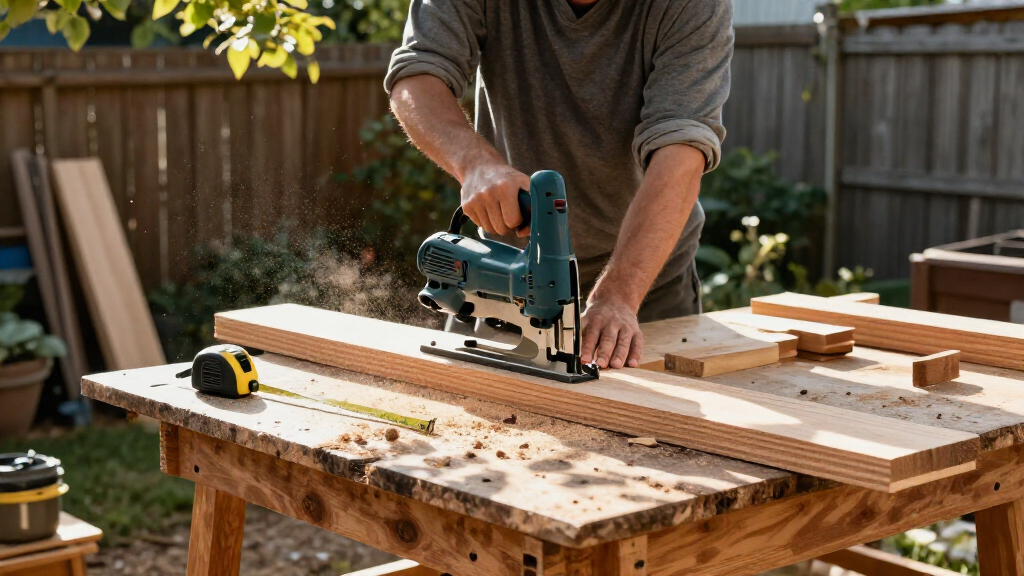

The best cordless chop saws pair useful cutting capacity with a battery platform that fits the rest of your tools. My best overall pick is the FLEX 24V 12-inch dual-bevel sliding miter saw kit, which combines a large blade and broad cutting range with a battery and charger. For a more compact setup, the Bosch PROFACTOR 18V 7-1/4-inch saw kit includes an 8 Ah battery, while the Makita XSL06PT 10-inch kit suits buyers who want a larger blade and a complete two-battery-platform setup. The main tradeoffs are cutting capacity versus portability, kit convenience versus tool-only flexibility, and runtime versus battery cost. Read on for the full comparison and guidance on matching a saw to your material, workload, and existing batteries.

Get business pricing on tools and workshop supplies
- Business-only prices and quantity discounts
- Tax-exempt purchasing
- Multiple users, one account, clear invoices
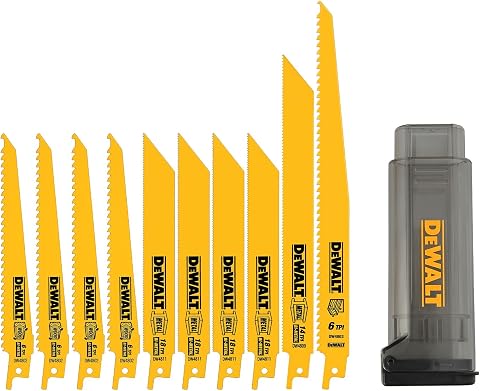
Complete the kit


Key Takeaways
- The FLEX 12-inch kit leads on capacity and kit completeness: it pairs a dual-bevel sliding design with a battery and charger, while several large-blade competitors are tool-only.
- Blade size is not the whole capacity story: sliding rails add crosscut reach, while a fixed-head saw such as the DEWALT DCS714B trades slide range for a more compact design.
- Battery platform can outweigh a small feature difference: DEWALT, Makita, Milwaukee, Bosch, FLEX, and RYOBI owners may save money and hassle by choosing a compatible tool-only saw.
- Smaller saws favor mobility, not every job: the Makita 6-1/2-inch and several 7-1/4-inch models are easier to transport, but they are less suited to wide or thick stock than 10- and 12-inch options.
- Included batteries distinguish the ready-to-work picks: Bosch, WEN, FLEX, and Makita XSL06PT are kits, while many other models require buyers to supply compatible batteries and a charger.


| cordless chop saw | Model | Power source | Weight | Voltage |
|---|---|---|---|---|
| Bosch PROFACTOR 18V 7-1/4-In. | GCM18V-07SN14 | Battery powered | — | 18 V |
| DEWALT DCS361M1 20V MAX Cordle | DCS361M1 | Battery powered | — | 20 V MAX |
| WEN 20V Max 7.25-Inch Cordless | 20672 | Battery powered | 19 lbs | 20 V |
| DEWALT 20V MAX XR 12-Inch Doub | DCS785B | Battery powered | Conflicting supplied figures: 51.7 lbs tool-only and 65.9 lbs | 20 V |
| FLEX 24V Brushless Cordless 12 | FX7141A-1J | Battery powered | 53.6 lbs | 24 V |
| Makita XSL05Z 18V LXT Brushles | XSL05Z | Battery powered | 14.6 pounds with battery | 18V |
| RYOBI ONE+ 18V Cordless 7-1/4- | P553 | 18V battery | 19 pounds | — |
| Milwaukee M18 FUEL 18V Brushle | 2733-20 | Battery powered; one 18V lithium-ion battery required | — | — |
| WOODSTARTER 18V Cordless Slidi | CJS65 | Battery; 18V, 4.0Ah lithium-ion battery included | Conflicting listings: 26 lbs in description; 2.9 lbs in specifications | — |
| DEWALT 20V MAX XR 10-Inch Doub | DCS714B | Battery powered; 20V | 34 lbs. tool only | — |
| Makita XSL02Z 18V X2 LXT Brush | — | — | 28.8 pounds | — |
| Makita XSL06PT 18V x2 LXT Lith | — | — | 80.5 pounds | 36V (18V x 2) |
More Details on Our Top Picks
Bosch PROFACTOR 18V 7-1/4-In. Single-Bevel Sliding Miter Saw Kit with 8 Ah Battery
I’d put the Bosch PROFACTOR high on the list for buyers who want a portable saw kit without sourcing a battery separately. Its included 8 Ah CORE18V battery supports cordless jobsite work, while the brushless motor and smooth sliding bars pair with an 8-1/4-inch crosscut capacity for common trim and framing tasks. The kit also includes a clamp and dust collection, useful extras that the tool-only DEWALT DCS785B lacks out of the box. Bosch’s 26-pound tool weight is a plus for transport, though that figure excludes the battery. Its main limitation is the single-bevel design: compared with the dual-bevel FLEX 24V 12-inch saw, it requires more repositioning for bevel cuts in both directions. I’d choose it for portability and a ready-to-work kit, not for large stock or frequent two-way beveling.
Pros:- Includes an 8 Ah CORE18V battery, so the kit is ready for cordless work.
- Brushless motor and smooth sliding bars support controlled cutting.
- 8-1/4-inch crosscut capacity suits many trim and framing boards.
- Workpiece clamp and dust collection are included.
Cons:- Single-bevel design can require extra repositioning for opposing bevel cuts.
- 26-pound weight is listed without the battery, so the working setup weighs more.
- Smaller blade and capacity are less suited to large stock than the 12-inch DEWALT and FLEX options.
Best for: Bosch 18V users who want a portable sliding saw kit with a substantial included battery for trim and jobsite cuts.
Not ideal for: Finish crews who frequently bevel in both directions or cut wide, thick stock; the single-bevel layout and 7-1/4-inch blade are limiting.
- Model:GCM18V-07SN14
- Power source:Battery powered
- Voltage:18 V
- Blade size:7-1/4 in.
- Crosscut capacity:8-1/4 in.
- Nested crown capacity:3-3/4 in.
- Tool weight without battery:26 lbs
- Included battery:CORE18V 8 Ah lithium-ion
Our verdict“Choose the Bosch if you want an included high-capacity battery and a relatively portable saw for everyday trim, but skip it for frequent dual-direction bevel work.”
DEWALT DCS361M1 20V MAX Cordless 7-1/4-Inch Sliding Miter Saw
The DEWALT DCS361M1 is a practical pick for trim installers who value quick, repeatable angle changes over maximum cutting capacity. Its 11 positive miter stops make common angles easier to set, and the integrated cut line indicator helps show where the blade will meet the workpiece. DEWALT also supplies the battery, charger, carbide blade, and clamp, making this a more complete starting package than the tool-only DCS785B. The stated battery output—an average of 183 cuts in 2×4 pine or 275 in 3-1/4-inch pine baseboard—gives buyers a useful workload reference, though actual results depend on material and conditions. Against the WEN 20672, this model emphasizes preset miter positions and included accessories rather than a lighter listed weight. I’d avoid treating it as a heavy-duty substitute for a 12-inch saw, and the supplied product data has conflicting weight figures.
Pros:- 11 positive miter stops make common angles quicker to set consistently.
- Integrated cut line indicator helps with blade placement.
- Battery, charger, carbide blade, and material clamp are included.
- Published cut estimates help frame expected work per charge.
Cons:- Battery output varies with the material and cutting conditions.
- Listed weight is inconsistent between the supplied product details.
- 7-1/4-inch blade and compact format offer less capacity than the 12-inch options.
Best for: Trim installers and remodelers who make frequent common-angle cuts and want a battery, charger, and clamp included.
Not ideal for: Buyers cutting wide or thick stock, or anyone who needs a dependable weight figure before planning frequent carry between floors.
- Model:DCS361M1
- Power source:Battery powered
- Voltage:20 V MAX
- Blade diameter:7-1/4 in.
- Blade teeth:60
- Motor:Brushless
- No-load speed:3,750 RPM
- Battery performance:Average 183 cuts in 2×4 pine or 275 cuts in 3-1/4-inch pine baseboard
- Included components:Battery, charger, carbide blade, blade wrench, material clamp, user guide
Our verdict“Pick the DCS361M1 for repeatable trim angles and a complete starter kit, but choose a larger saw for broad or heavy stock.”
WEN 20V Max 7.25-Inch Cordless Sliding Compound Miter Saw with Battery and Charger
At 19 pounds, the WEN 20672 is the easiest choice here for buyers who regularly move a saw between work areas or need to stow it after each project. It combines a brushless motor, an LED cutline guide, and a listed 9.25-inch-wide cutting capacity with a 4.0 Ah battery and charger. That makes it a self-contained option, unlike the tool-only DEWALT DCS785B, though the WEN’s smaller 7-1/4-inch blade and 2-inch maximum thickness put it in a different class from that 12-inch saw. Its left-only bevel range is also less flexible than the dual-bevel FLEX. I’d favor the WEN for portable trim and moderate board work, not deep stock or jobs where bevel direction changes constantly. The included dust bag and table extensions add useful setup flexibility without changing those capacity limits.
Pros:- 19-pound listed weight makes it easier to carry and store than the larger 12-inch saws.
- Includes a 4.0 Ah battery, charger, blade, dust bag, and table extensions.
- Brushless motor and LED cutline guide support convenient cordless cutting.
- 9.25-inch listed width capacity handles a broad range of trim and board cuts.
Cons:- Maximum cutting thickness is limited to 2 inches.
- Bevels only to the left, unlike the dual-bevel FLEX 12-inch saw.
- 4.0 Ah battery is smaller than the included 8 Ah Bosch and 10 Ah FLEX batteries.
Best for: DIY remodelers and mobile tradespeople who need a light, ready-to-use saw for trim and boards up to the stated cutting capacity.
Not ideal for: Crews cutting thick lumber or making frequent bevels on both sides; its 2-inch thickness limit and left-only bevel restrict those jobs.
- Model:20672
- Power source:Battery powered
- Voltage:20 V
- Blade diameter:7-1/4 in.
- Blade speed:Up to 3,800 RPM
- Battery:4.0 Ah, one included
- Maximum cutting capacity:9.25 in. wide x 2 in. thick
- Miter range:46° left, 47° right
- Weight:19 lbs
Our verdict“Choose the WEN for a lighter complete kit and routine trim work, but move up to a larger dual-bevel saw for thick stock or more demanding cuts.”
DEWALT 20V MAX XR 12-Inch Double-Bevel Sliding Miter Saw, Tool Only (DCS785B)
For buyers who need a cordless saw to handle larger trim and broad crosscuts, the DEWALT DCS785B stands apart from the 7-1/4-inch Bosch, WEN, and DCS361M1. Its 12-inch blade and stated 14-inch maximum horizontal cut give it a substantial capacity advantage, while the double-bevel sliding design suits more involved cut lists. Dust collection is rated to capture up to 97% of dust, and regenerative braking is intended to help preserve runtime. This is a tool-only purchase, however: unlike the FLEX 12-inch kit, it arrives without a battery, and a vacuum is also sold separately. The listed weight conflicts between the supplied descriptions, so I wouldn’t rely on one figure for transport planning. I’d pick it for DEWALT battery owners who need capacity; occasional trim cutters may find the smaller, lighter-format options easier to move and store.
Pros:- 12-inch blade and 14-inch horizontal capacity handle larger work than the 7-1/4-inch models.
- Double-bevel sliding design supports more flexible compound cuts.
- Compatible with DEWALT 20V MAX and FLEXVOLT batteries.
- Dust collection is specified to capture up to 97% of dust.
Cons:- Battery is not included, unlike the FLEX 12-inch kit.
- Vacuum is sold separately.
- Supplied weight figures conflict, making transport planning less certain.
Best for: DEWALT 20V MAX or FLEXVOLT owners cutting wide trim, baseboards, and crown molding who need a large-capacity cordless saw.
Not ideal for: Buyers without compatible DEWALT batteries, or mobile users prioritizing low carry weight and a complete kit.
- Model:DCS785B
- Power source:Battery powered
- Voltage:20 V
- Blade diameter:12 in.
- Maximum horizontal cut capacity:14 in.
- Maximum baseboard capacity:6-1/2 in. standing up
- Maximum nested crown capacity:6-1/2 in.
- Dust collection:Captures up to 97% of dust
- Weight:Conflicting supplied figures: 51.7 lbs tool-only and 65.9 lbs
Our verdict“Choose the DCS785B if you already own compatible DEWALT batteries and need large cordless cutting capacity, but account for the separate battery and vacuum.”
FLEX 24V Brushless Cordless 12-Inch Dual-Bevel Sliding Miter Saw Kit
The FLEX FX7141A-1J is the strongest fit for buyers who want a large cordless saw and a substantial battery in the same package. Its 12-inch dual-bevel sliding design offers more flexibility than the single-bevel Bosch, while the included 10.0 Ah Stacked Lithium battery and rapid charger avoid the extra setup needed with the tool-only DEWALT DCS785B. FLEX states that the saw can make up to 630 crosscuts in 3-1/4-inch MDF per charge, a useful runtime reference for repeated panel work, though actual output will vary. The LED shadow light helps align the cut, and the depth stop and table extensions add versatility. The tradeoff is substantial: at 53.6 pounds, it is not a casual carry-around tool, and the 24V power adapter is sold separately. I’d choose it for capacity and kit completeness, not frequent solo transport.
Pros:- 12-inch dual-bevel sliding layout handles broad cutting tasks and compound angles.
- Includes a 10.0 Ah battery and 280W rapid charger.
- LED shadow light helps show the blade’s cut path on the workpiece.
- Specified output of up to 630 crosscuts in 3-1/4-inch MDF per charge.
Cons:- At 53.6 pounds, it is heavy for frequent transport.
- FLEX 24V power adapter is sold separately.
- Its large footprint is less convenient to store than compact 7-1/4-inch saws.
Best for: Cabinet, trim, and remodeling crews who need a 12-inch dual-bevel cordless saw with an included high-capacity battery and charger.
Not ideal for: Users who carry their saw frequently or need to connect it through the FLEX 24V power adapter without buying that accessory separately.
- Model:FX7141A-1J
- Power source:Battery powered
- Voltage:24 V
- Blade diameter:12 in.
- Battery:10.0 Ah lithium-ion, one included
- Charger:280W rapid charger
- Maximum cutting angle:47°
- Weight:53.6 lbs
- Specified battery output:Up to 630 crosscuts in 3-1/4-inch MDF per charge
Our verdict“Pick the FLEX for a complete, high-capacity cordless setup with dual bevels, but choose a lighter saw if portability is your main concern.”
Makita XSL05Z 18V LXT Brushless Cordless 6-1/2-Inch Dual-Bevel Compound Miter Saw with Laser (Tool Only)
For portable trim work where a full-size saw would be cumbersome, I’d put the Makita XSL05Z ahead of larger options such as the Milwaukee M18 FUEL 7-1/4-inch saw. Its 14.6-pound weight with battery is the standout, while the brushless motor and automatic speed adjustment are designed to adapt power to the cut. Dual-bevel capability, a built-in LED, and miter detents also give it useful flexibility for fitting repeated angled cuts into a small work area. The tradeoff is capacity: its 6-1/2-inch blade cuts stock up to 1-13/16 by 3-5/8 inches at 90 degrees, so wide boards call for another saw. I’d also budget for a separate battery and, for aluminum, a compatible blade and lubricant.
Pros:- Very portable at 14.6 pounds with battery
- Brushless motor with automatic speed adjustment
- Dual-bevel operation with miter detents on both sides
- Built-in LED helps illuminate the cut area
Cons:- Small blade limits crosscut capacity compared with the Milwaukee 7-1/4-inch and DEWALT 10-inch options
- Battery is not included
- Aluminum-cutting blade and lubricant are sold separately
Best for: Trim installers and punch-list carpenters who prioritize low carry weight and need a compact saw for smaller wood or aluminum cuts.
Not ideal for: Framers and shop users who routinely crosscut wide boards, or buyers who need a complete kit with a battery and aluminum-cutting blade.
- Model:XSL05Z
- Power source:Battery powered
- Voltage:18V
- Motor:Brushless
- Blade diameter:6-1/2 inches
- Weight:14.6 pounds with battery
- Cutting capacity at 90°:1-13/16 x 3-5/8 inches
- Miter and bevel ranges:0–52° left and right; 0–46° left and right
- Included battery:None
Our verdict“Choose the Makita XSL05Z if easy carrying and compact cuts matter more than the capacity of a larger cordless saw.”
RYOBI ONE+ 18V Cordless 7-1/4-Inch Compound Miter Saw (Tool Only)
The RYOBI ONE+ P553 is a straightforward choice for woodworkers who already own compatible 18V batteries and want cordless cutting without stepping up to a sliding model. Its 7-1/4-inch carbide blade and 45-degree cutting angle make it a more practical general wood saw than the compact Makita XSL05Z when the work includes ordinary angled cuts. It is also simpler than the sliding Milwaukee M18 FUEL, which offers dual-bevel operation but weighs considerably more. The RYOBI’s limits are clear: the supplied details do not specify sliding capacity or dual bevel, and its 19-pound weight is not especially light for a portable saw. The battery and charger are separate, and the listed 30-day limited warranty is short enough that buyers seeking longer stated coverage should compare Milwaukee’s five-year warranty.
Pros:- Uses an 18V cordless platform
- 7-1/4-inch carbide blade is suited to general wood cutting
- Supports cuts up to 45 degrees
- 19-pound weight is manageable for occasional relocation
Cons:- Battery and charger are sold separately
- No sliding function or dual-bevel operation is specified
- Listed warranty is limited to 30 days
Best for: RYOBI ONE+ owners doing occasional trim, flooring, or small woodworking jobs who want a basic cordless saw for wood.
Not ideal for: Buyers who need a battery-and-charger kit, wide sliding crosscuts, dual-bevel cuts, or longer stated warranty coverage.
- Model:P553
- Power source:18V battery
- Blade diameter:7.25 inches
- Blade material:Carbide
- Number of teeth:24
- Maximum cutting angle:45 degrees
- Weight:19 pounds
- Recommended surface:Wood
- Warranty:30-day limited
Our verdict“This RYOBI makes sense for existing ONE+ owners who need a basic cordless wood saw, not sliding capacity or an all-in-one kit.”
Milwaukee M18 FUEL 18V Brushless Cordless 7-1/4-Inch Dual-Bevel Sliding Compound Miter Saw (Tool Only)
For buyers who need a cordless saw that combines sliding cuts and dual bevels, the Milwaukee M18 FUEL offers a broader job range than the non-sliding RYOBI P553. Its brushless motor and 7-1/4-inch blade suit wood work, while the 60-tooth blade points toward cleaner cuts than the RYOBI’s 24-tooth blade. The stated 48-degree cutting angle adds room for angled work, and the five-year warranty is a notable advantage over the RYOBI’s 30-day limited coverage. This capability comes with a portability penalty: at 31.9 pounds, it is much heavier than the 14.6-pound Makita XSL05Z. It is also tool-only, so buyers need an M18 battery and charger. I’d choose it for a mobile shop or site setup where sliding function matters more than frequent carrying.
Pros:- Sliding compound design with dual-bevel operation
- Brushless motor
- 60-tooth blade is suited to finer wood cuts
- Five-year warranty
Cons:- Listed weight of 31.9 pounds makes frequent carrying less appealing than with the Makita XSL05Z
- Battery and charger are not specified as included
- Recommended surface is wood, limiting its stated material scope
Best for: Carpenters who need sliding crosscuts and dual-bevel flexibility in a cordless wood saw and already use Milwaukee M18 batteries.
Not ideal for: Buyers who carry a saw between locations often, need a complete battery kit, or prioritize the lightest possible tool.
- Model:2733-20
- Power source:Battery powered; one 18V lithium-ion battery required
- Motor:Brushless
- Blade size:7-1/4 inches
- Number of teeth:60
- Cutting angle:48 degrees
- Item weight:31.9 pounds
- Dimensions:24.8 x 16.14 x 25 inches
- Warranty:5 years
Our verdict“Pick the Milwaukee M18 FUEL when sliding and dual-bevel capability outweigh its heavier carry and tool-only setup.”
WOODSTARTER 18V Cordless Sliding Miter Saw with 8-Inch Blade
The WOODSTARTER CJS65 stands apart from the tool-only Makita, RYOBI, and Milwaukee picks by including a 4.0Ah battery, charger, clamps, and table extensions. That makes it a more self-contained starting point for occasional home projects, while its sliding rail is specified for crosscuts up to 12 inches—more reach than the compact Makita XSL05Z. The 8-inch, 40-tooth blade, LED light, dust port, and ±45-degree miter range add useful project flexibility. There are tradeoffs: only single-bevel cutting is specified, unlike the Milwaukee’s dual-bevel setup, and the product information gives conflicting weights of 26 pounds and 2.9 pounds. I would not choose it based on portability until that discrepancy is clarified. Its one-year warranty is also shorter than Milwaukee’s stated coverage.
Pros:- Includes an 18V 4.0Ah battery and charger
- Sliding rail supports crosscuts up to 12 inches
- Includes clamps, table extensions, and a carrying bag
- LED light and dust port support controlled cutting and cleanup
Cons:- Listed weight conflicts between 26 pounds and 2.9 pounds
- Only single-bevel operation is specified
- One-year warranty is shorter than the Milwaukee M18 FUEL’s stated five years
Best for: DIY homeowners starting without a compatible battery system who want a supplied battery, charger, and accessories for occasional wide crosscuts.
Not ideal for: Frequent jobsite users who need verified tool weight, dual-bevel operation, or the longer warranty stated for the Milwaukee M18 FUEL.
- Model:CJS65
- Power source:Battery; 18V, 4.0Ah lithium-ion battery included
- Blade diameter and teeth:8 inches; 40 teeth
- No-load speed:4200 rpm
- Maximum crosscut:12 inches
- Maximum cutting depth:2.5 inches
- Bevel and miter angles:Bevel up to 45°; miter ±45°
- Weight:Conflicting listings: 26 lbs in description; 2.9 lbs in specifications
- Included components:Blade, battery, charger, bag, two table extensions, two clamp assemblies
Our verdict“Choose the WOODSTARTER if you want a supplied battery and broad sliding capacity for home projects, but verify its weight before buying.”
DEWALT 20V MAX XR 10-Inch Double-Bevel Fixed Miter Saw (Tool Only, DCS714B)
Among these five, the DEWALT DCS714B is the capacity-focused choice: its 10-inch blade is specified for horizontal cuts up to 6 inches and for 5-1/4-inch baseboard vertically or crown molding nested. That gives it a clear advantage over the smaller Makita XSL05Z and RYOBI P553 when trim dimensions are the deciding factor. It also has double-bevel cutting, a cutline positioning system that needs no adjustment, and dust collection rated to capture up to 97%. The fixed design differs from the sliding Milwaukee and WOODSTARTER, so buyers should weigh its stated capacities against their need for sliding travel. At 34 pounds, it is not a lightweight carry, and the battery and charger are sold separately. I’d favor it for larger repeat cuts, not for jobs where minimal weight is the priority.
Pros:- 10-inch blade and specified capacity for larger trim stock
- Double-bevel operation supports angled cuts in either direction
- Dust collection rated to capture up to 97%
- Cutline blade positioning system provides adjustment-free cut line indication
Cons:- Battery and charger are sold separately
- At 34 pounds, it is heavier than the compact Makita XSL05Z
- Fixed design may not suit buyers seeking the sliding travel specified for the Milwaukee or WOODSTARTER
Best for: Finish carpenters and remodelers who need larger baseboard or crown-molding capacity and already own DEWALT 20V MAX or FLEXVOLT batteries.
Not ideal for: Buyers who need a sliding saw, a complete battery kit, or a lightweight tool for frequent transport.
- Model:DCS714B
- Power source:Battery powered; 20V
- Blade diameter and teeth:10 inches; 32 teeth
- Cutting capacity:Up to 6 inches horizontally; 5-1/4 inches baseboard vertically or crown molding nested
- Dust collection:Captures up to 97%
- Weight:34 lbs. tool only
- Dimensions:25.75 x 19.35 x 20.75 inches
- Battery compatibility:DEWALT 20V MAX and FLEXVOLT
- Included components:10-inch 32T blade and blade wrench; battery and charger sold separately
Our verdict“Choose the DEWALT DCS714B for larger fixed-saw trim cuts and dust control, provided you have a compatible battery and can manage its weight.”
Makita XSL02Z 18V X2 LXT Brushless Cordless 7-1/2-Inch Dual Slide Compound Miter Saw, Tool Only
The XSL02Z pairs a 7-1/2-inch blade with a sliding design that can crosscut 2 x 12 lumber at 90 degrees, making it a useful middle ground between smaller portable saws and larger, heavier models. Its four-steel-rail system is designed to keep the slide rigid, while the brushless motor reaches up to 5,700 RPM and adjusts speed under load. Compared with the 10-inch Makita XSL06PT, this tool-only model is lighter at 28.8 pounds and easier to move, but gives up blade size and cutting capacity. It also needs two 18V batteries to run at 36V, and neither battery is included. I’d favor it for mobile trim and framing work where its broad crosscut range matters more than having a larger blade or an all-in kit.
Pros:- Slides across lumber up to 2 x 12 at 90 degrees despite its 7-1/2-inch blade.
- Brushless motor reaches up to 5,700 RPM.
- Automatic speed adjustment responds to cutting load.
- Four-steel-rail slide is designed to support rigid, precise cuts.
Cons:- Requires two 18V LXT batteries for 36V operation, and batteries are not included.
- Smaller blade offers less cutting capacity than the Makita XSL06PT’s 10-inch blade.
- Tool-only setup adds a separate battery and charger purchase for buyers without the LXT platform.
Best for: Makita LXT owners who need a portable sliding saw for trim, framing, and occasional wide crosscuts such as 2 x 12 lumber.
Not ideal for: Buyers who need a ready-to-run kit, do not own two compatible batteries, or regularly cut larger stock that favors a 10- or 12-inch blade.
- Power:Battery powered; 18V per battery, 36V with two batteries
- Motor:Brushless
- No-load speed:Up to 5,700 RPM
- Blade size:7-1/2 inches
- Blade teeth:60
- Cutting capacity at 90°:2 x 12 inches
- Cutting capacity at 45°:2 x 8 inches
- Weight:28.8 pounds
- Battery included:No
Our verdict“Choose the XSL02Z if you want a relatively portable Makita slide saw with generous crosscut reach and already own two LXT batteries.”
Makita XSL06PT 18V x2 LXT Lithium-Ion (36V) Brushless Cordless 10″ Dual-Bevel Sliding Compound Miter Saw Kit
The XSL06PT is the lineup’s stronger choice when blade size and wide-cut capacity matter more than easy carrying. Its 10-inch blade handles cuts up to 4 x 12 at 90 degrees, well beyond the 7-1/2-inch Makita XSL02Z’s 2 x 12 capacity, and the dual-bevel design supports bevel cuts in either direction. The kit includes two 5.0Ah batteries, a 60-tooth blade, laser guide, and dust bag, so it offers a more complete start than the XSL02Z tool-only package. A two-steel-rail slide allows the saw to sit flush against a wall, which can help save bench space. The tradeoff is substantial: at 80.5 pounds, it is far less appealing for frequent transport, and the vacuum adapter is sold separately. I’d choose it for a fixed or semi-permanent jobsite station rather than a saw that moves from room to room each day.
Pros:- 10-inch blade supports a maximum 4 x 12 cut at 90 degrees.
- Dual-bevel range reaches 0° to 48° left and right.
- Kit includes two 5.0Ah batteries, a 60-tooth carbide-tipped blade, laser guide, and dust bag.
- Two-steel-rail slide permits flush-to-wall placement.
Cons:- At 80.5 pounds, it is considerably less convenient to carry than the 28.8-pound Makita XSL02Z.
- Requires two batteries to operate.
- Vacuum adapter is sold separately.
Best for: Makita users who need a cordless dual-bevel saw for wide framing cuts or crown molding and want batteries included in the kit.
Not ideal for: Tradespeople who carry their saw between sites often, or buyers who prioritize low weight and compact transport over 10-inch cutting capacity.
- Voltage:36V (18V x 2)
- Motor:Brushless
- Blade size:10 inches
- No-load speed:Up to 4,400 RPM
- Batteries:Two 5.0Ah batteries included
- Miter angle:0° to 60° left and right
- Bevel angle:0° to 48° left and right
- Maximum cutting capacity:4 x 12 inches at 90°
- Weight:80.5 pounds
Our verdict“Pick the XSL06PT if you need the larger 10-inch cutting capacity and included batteries, and can accommodate its heavy, less portable build.”
How We Picked
I compared the 12 saws on the details that shape day-to-day usefulness: blade diameter, sliding and bevel capability, battery platform, and what comes in the box. I gave greater weight to saws that combine practical cutting range with useful mobility, and I treated a battery-and-charger kit as a meaningful advantage for buyers starting without compatible tools. Build and usability factors such as brushless motor design, dual-bevel adjustment, and portability also informed the comparison where those features were specified.
The ranking reflects the category’s competing priorities rather than blade size alone. The FLEX and Makita XSL06PT stand out for large-format cutting, while the Bosch kit makes a strong case for buyers who want a more compact saw with a battery included. Smaller models rank well for transport and lighter work, but not as universal choices; tool-only saws can be a better value for platform owners and a less convenient first purchase. I have not treated unprovided performance figures as proven, so buyers should check the manufacturer’s capacity chart and battery requirements for their intended material.
Factors to Consider When Choosing Best Cordless Chop Saws
Before choosing among the best cordless chop saws, pin down the cuts you make most often and how the saw will travel. A large blade can expand capacity, but it also makes the saw and its battery setup less convenient to move. These buying factors help separate a useful jobsite tool from a saw whose size, power source, or included accessories do not fit your work.
Match Blade Size to the Stock You Actually Cut
Blade diameter affects the range of stock a saw can cut, but it does not set capacity by itself. A sliding mechanism can extend crosscut reach, while blade geometry and the saw’s rated cut chart determine the real limits. Check the manufacturer’s capacity table for common cuts such as nested baseboard, dimensional lumber, and trim at your usual angles. A 12-inch blade may be unnecessary if most work involves narrow trim, and it does not automatically make a saw the better choice for every cut. Avoid buying by blade size alone; compare the full cut chart against your largest regular workpiece.
Choose Sliding, Fixed, or Compound Around Your Work
A sliding saw is useful for wider boards, but its rails need clearance behind or beside the saw and add parts to carry. A fixed-head model may fit a tighter setup, though its crosscut capacity can be more limited. Bevel capability matters when you routinely cut angled edges: a dual-bevel design lets you tilt the head both ways rather than flipping the workpiece for the opposite angle. That convenience can save setup time on repeated trim work, but occasional bevel cuts may not justify extra size or cost. Think about your workspace as well as your cut list, especially if the saw must sit close to a wall.
Count Battery Cost, Runtime Needs, and Platform Fit
A tool-only saw makes the most sense when you already own compatible batteries and a charger; otherwise, the missing power source can change the total purchase calculation. Check the exact battery family and voltage requirement rather than assuming all packs from one brand fit every tool. For repeated cuts, battery capacity and the number of charged packs available affect how often work stops for a swap or recharge. Larger batteries can add weight, which matters on a saw that is carried between rooms or sites. Buyers new to cordless tools should compare a complete kit against the cost and convenience of building a compatible battery set.
Balance Portability Against Cutting Capacity
Compact 6-1/2- and 7-1/4-inch saws are easier to carry and store, making them sensible for punch-list work, trim installation, or mobile crews with frequent setup changes. Larger 10- and 12-inch saws can handle a broader range of stock but take up more room and may be harder to transport. Weight is only part of portability: handles, stored components, rail extension, and the room needed to support long workpieces all affect setup. A common mistake is choosing a small saw for every job, then finding its cut limits restrictive on wider stock. Another is buying the largest model when nearly all cuts are small and the saw rarely leaves one station.
Check Accuracy, Dust Handling, and Repeat-Cut Setup
For finish work, repeatable alignment and easy angle adjustment can matter more than a headline motor specification. Look for clear miter and bevel scales, secure stops, and a fence that supports the material you use. A laser can help indicate a cut line, but it is not a substitute for checking the blade against the mark and confirming the saw is square. Dust collection also deserves attention: a cordless saw still creates substantial debris, and an awkward port or bag can leave more cleanup than expected. If you make repeated cuts, plan how you will support stock and verify settings before committing a full batch.
Decide Whether a Kit Is Worth the Added Convenience
A kit can be the simpler route for a first cordless saw because it supplies the battery and charger needed to get started. Its value depends on whether the included battery capacity suits the workload and whether you can use that platform with other tools. Existing platform owners may prefer a tool-only model and put their money toward another battery or a stand instead. Compare the contents carefully: “kit” does not always mean every accessory needed for a mobile setup is included. Also check the blade type and size, since a replacement blade may be needed to suit your material or finish standard.
Frequently Asked Questions
Should I choose a 10- or 12-inch cordless chop saw?
Start with the saw’s published cut-capacity chart and the widest stock you regularly cut, rather than assuming the larger blade is always better. The 12-inch options in this roundup suit buyers who need broader cutting capacity, while a 10-inch model can be a more manageable fit for many trim and framing tasks. A sliding mechanism can matter as much as blade diameter for crosscuts. Larger saws can also take more space and be less convenient to carry. If your work varies, compare the exact capacity at the angles you use most.
Is a cordless miter saw practical for a full day of work?
It can be, but runtime depends on the material, cut frequency, blade condition, and battery capacity. A single included battery may be enough for intermittent trim work but can interrupt a production day if there is no charged spare. Buyers who already own several compatible packs have an advantage because they can rotate batteries while one charges. Check the saw’s battery requirements and plan for spare packs based on your workload. For fixed, high-volume cutting, compare the cost and logistics of a cordless setup with your existing corded workflow.
Does a tool-only saw make sense if I do not own that brand’s batteries?
Usually, a tool-only saw is most attractive to buyers who already have compatible batteries and a charger. A first-time buyer should compare the complete cost of adding those parts against a kit such as the Bosch, WEN, FLEX, or Makita XSL06PT listed here. Also verify compatibility by battery family, not just brand name or voltage. The right kit may save setup effort, though its included battery may not be enough for sustained work. If you plan to add more tools from the same platform, that battery investment may have value beyond the saw.
Do I need a sliding saw, or is a fixed-head model enough?
A fixed-head saw can suit narrower stock and a compact work area, particularly when cuts are mostly repetitive and the saw does not need to handle wide boards. Sliding models extend crosscut reach, which is useful when the workpiece is wider than a fixed saw can cut in one pass. Their rails need operating clearance and can make the setup bulkier. Check the manufacturer’s cut chart for your material width and common bevel angles before deciding. If you occasionally handle wide boards, a sliding design can avoid needing a second saw.
Which features matter most for accurate repeated trim cuts?
Prioritize a stable fence, clear angle scales, secure stops, and a setup you can verify consistently. A laser can help show the cut line, but blade alignment and a test cut remain useful checks, especially when precise fit matters. Dual bevel is convenient when you make frequent opposing bevel cuts because it reduces the need to flip the workpiece. A stand or well-supported work surface also helps keep long trim from shifting. Before a production run, confirm the saw is square and that the chosen blade suits the finish and material.
Conclusion
For the broadest mix of blade size, dual-bevel sliding range, and included power, I would start with the FLEX 24V 12-inch kit as the best overall pick. The best value depends on your battery shelf: the DEWALT DCS361M1 is a practical compact option for compatible 20V owners, while the WEN kit may appeal to buyers who need a battery and charger included. Beginners should favor a complete kit and a manageable blade size; the Bosch PROFACTOR kit is a strong place to start if its capacity fits their work. For premium, larger-format cutting, compare the Makita XSL06PT 10-inch kit with the FLEX, weighing platform fit and kit contents. If portability leads, look at the Makita XSL05Z; if wide stock and a 12-inch blade take priority, consider the DEWALT DCS785B or FLEX. Match your usual cuts and battery platform first, then choose the saw whose tradeoffs you can live with.


