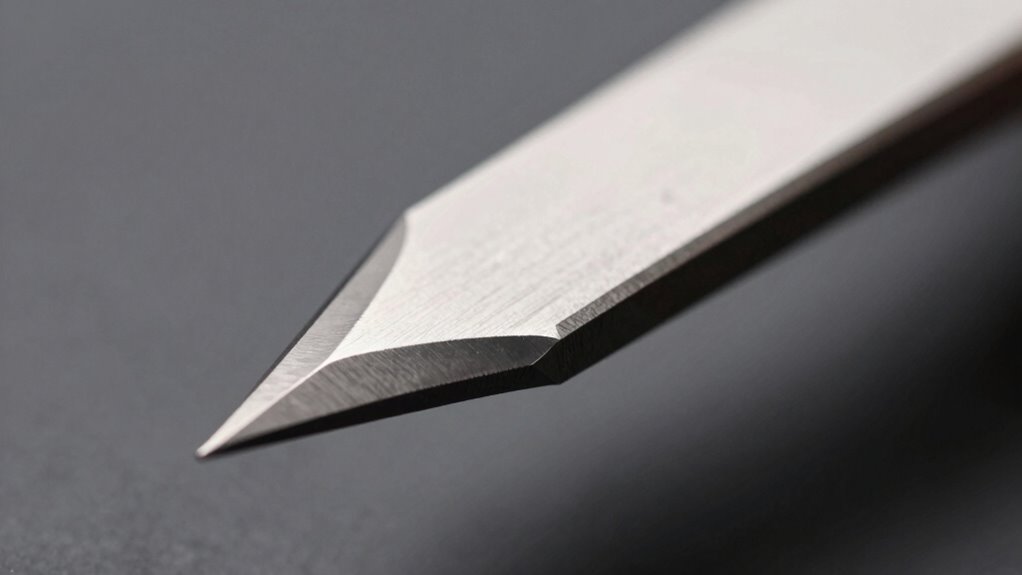

A microbevel is a small, secondary edge added at a specific angle to your blade, making sharpening easier and faster. It reinforces the main edge, reducing dulling and chipping, while extending the blade’s lifespan. When you create a microbevel, you save time on maintenance and keep your tools sharper longer. If you want to understand how to craft and troubleshoot it effectively, keep exploring—there’s more to discover for better blade care.

Get business pricing on tools and workshop supplies
- Business-only prices and quantity discounts
- Tax-exempt purchasing
- Multiple users, one account, clear invoices
Key Takeaways
- A microbevel is a small secondary angle added to the blade edge to enhance durability and precision.
- It simplifies sharpening by concentrating wear on a smaller, easier-to-maintain edge.
- Microbevels help prevent chipping and dulling, extending the blade’s lifespan.
- Creating a microbevel involves sharpening at a consistent, finer angle, usually between 15-20 degrees.
- Proper use and technique reduce sharpening time and improve cutting performance significantly.
As an affiliate, we earn on qualifying purchases.
What Is a Microbevel, and Why Is It Important?
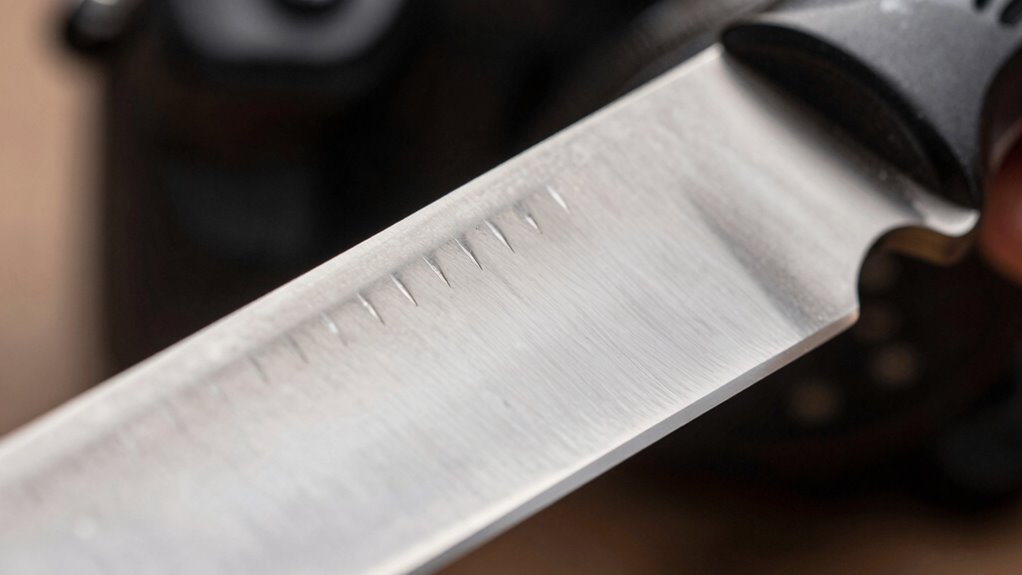
Have you ever wondered why some knives stay sharper longer or cut more smoothly? That’s often due to a microbevel. A microbevel is a tiny, secondary angle added at the edge of the blade. This small adjustment enhances blade durability by reducing the stress on the main bevel during use. It also improves cutting precision, allowing cleaner, more controlled cuts. By creating a reinforced edge, a microbevel minimizes dulling and chipping, helping your knife maintain sharpness over time. This small detail can make a big difference in performance, especially for professional chefs or avid home cooks. Understanding what a microbevel is helps you appreciate how such a subtle feature can extend your blade’s lifespan and deliver more consistent, precise cuts every time. Additionally, knowledge of blade maintenance, including sharpening techniques, can further prolong the effectiveness of a microbevel.
As an affiliate, we earn on qualifying purchases.
Should You Use a Microbevel? When and Why It’s a Good Idea?
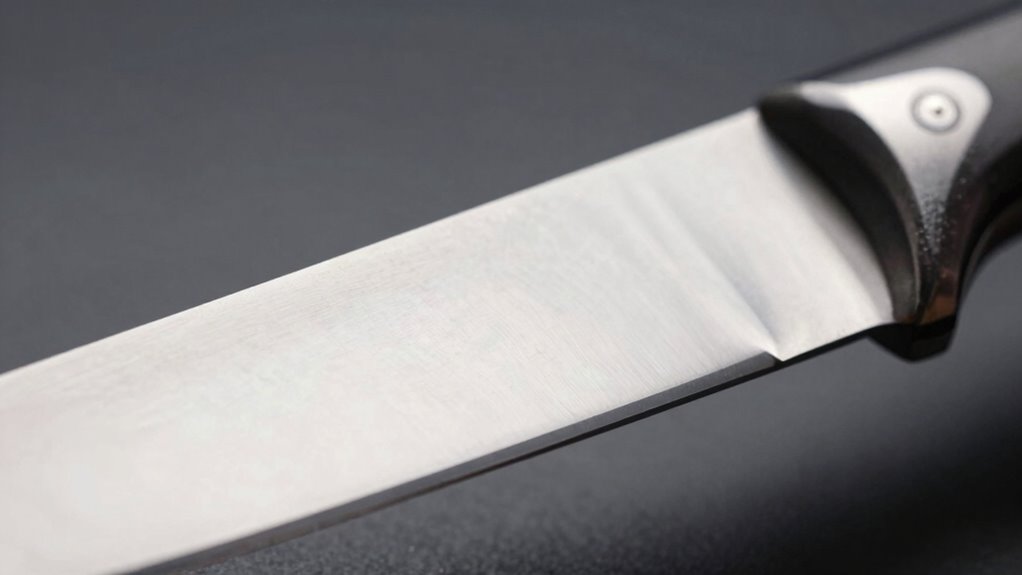
Deciding whether to use a microbevel depends on your cutting needs and the type of blade you have. If you want easier edge maintenance and faster sharpening, a microbevel can be beneficial. It’s especially useful when your tools are compatible with a secondary bevel design. Consider these points:
A microbevel simplifies edge maintenance and enhances sharpening efficiency for compatible blades.
- For frequent use, a microbevel reduces the effort needed for edge maintenance.
- When working with softer materials, microbevels help maintain a sharp edge longer.
- If your blade has a high-stress edge, a microbevel can reinforce durability without sacrificing sharpness.
- Additionally, understanding European cloud innovation can help in selecting sustainable and secure sharpening solutions.
Use a microbevel when you need a quick, efficient way to keep your blades sharp and compatible with your sharpening tools, saving you hours over time.
knife sharpening system with microbevel
As an affiliate, we earn on qualifying purchases.
As an affiliate, we earn on qualifying purchases.
How Microbevels Make Sharpening Faster and Extend Blade Life
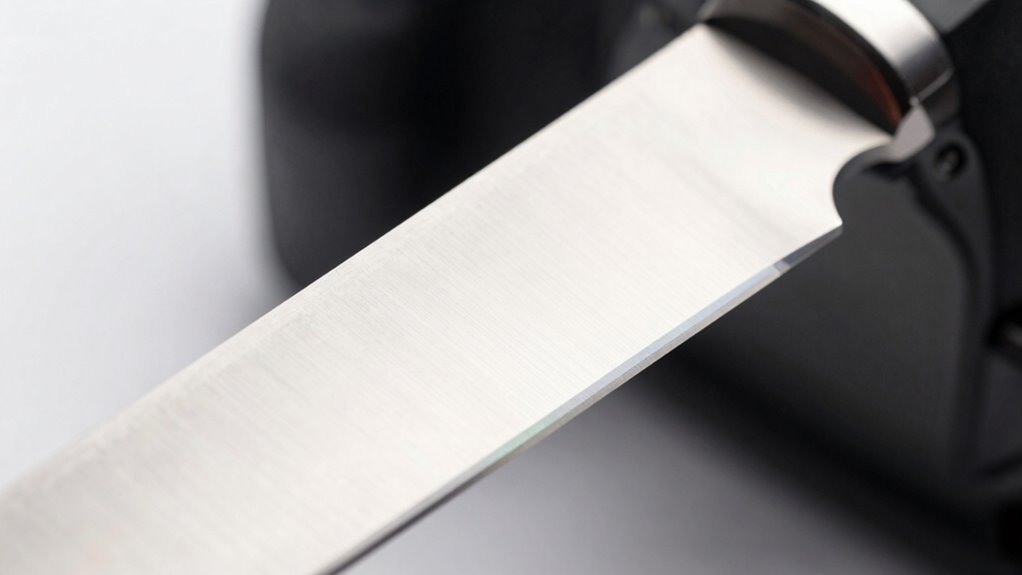
Microbevels streamline sharpening by creating a smaller, more manageable edge angle, which reduces the time and effort needed to restore your blade’s sharpness. This smaller bevel concentrates wear, making it easier to sharpen and maintain. As a result, your blade’s durability increases because the microbevel protects the primary edge from damage, extending its lifespan. Additionally, sharpening efficiency improves because you spend less time fixing dull edges, often needing fewer passes on your stone or sharpening system. Microbevels also help prevent over-sharpening of the primary bevel, preserving the overall integrity of the blade. Essentially, microbevels save you hours, reduce wear on your tools, and keep your blades sharper longer, making your sharpening process faster and more effective.
As an affiliate, we earn on qualifying purchases.
How to Create a Microbevel at Home or at the Shop
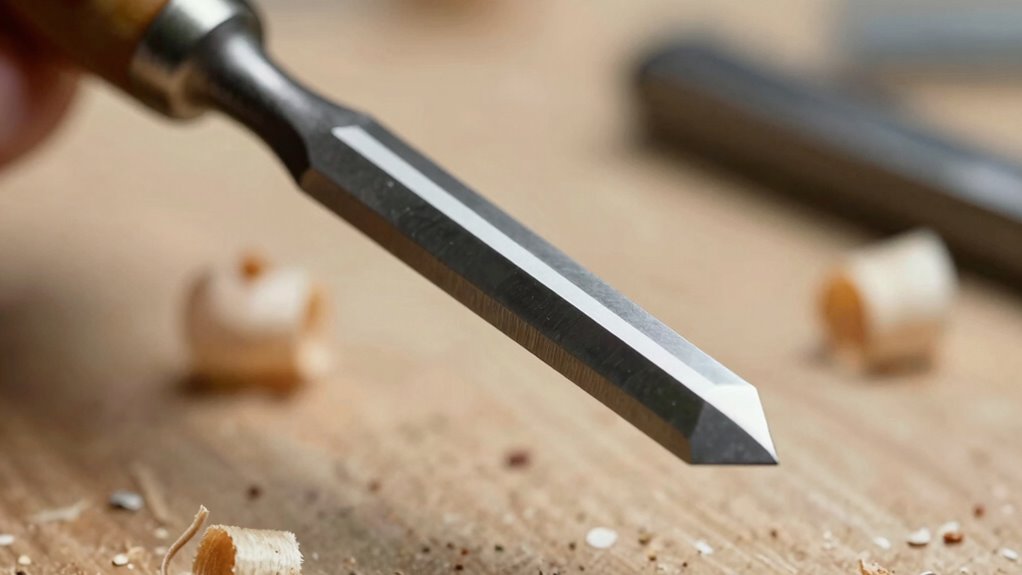
Creating a microbevel at home or in your shop is straightforward with the right tools and technique. Start by ensuring your blade is clean and free of debris to maintain proper blade maintenance. Next, follow these steps:
- Secure the blade safely in a sharpening guide or clamp to prevent slips.
- Use a fine-grit stone or honing angle to gently raise a tiny bevel, typically 15-20 degrees.
- Carefully work along the edge, maintaining consistent pressure and angle for an even microbevel.
Always wear safety tips such as eye protection and gloves when sharpening. Keep your workspace well-ventilated and handle tools with care. Creating a microbevel at home guarantees sharpness and safety, saving you time and prolonging your blade’s life.
Troubleshooting Common Microbevel Problems and How to Fix Them
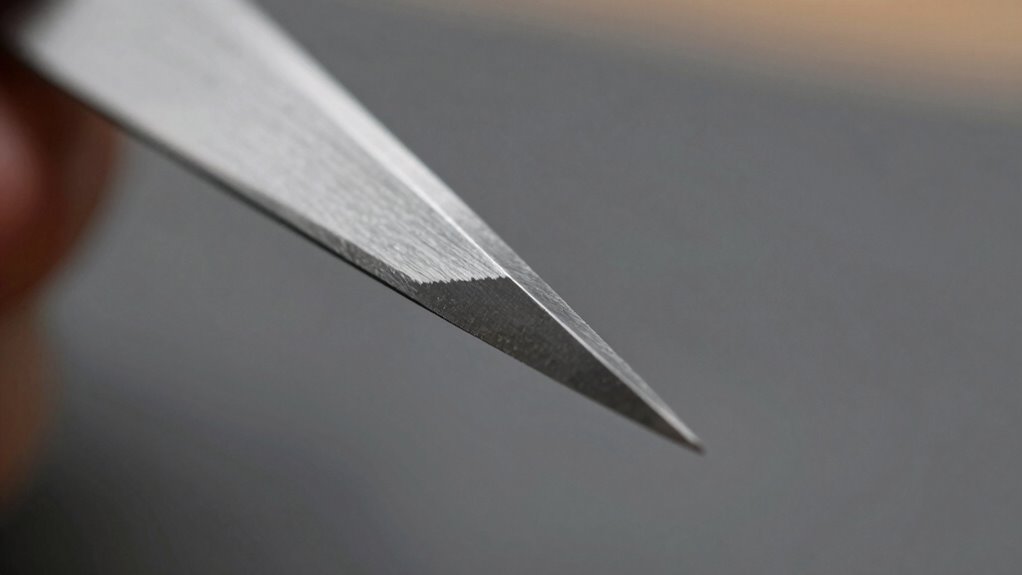
Even with careful technique, microbevels can sometimes develop issues that compromise their effectiveness. One common problem is edge chipping, which often occurs if the bevel angle is too steep or if you apply excessive pressure during sharpening. To fix this, check your bevel angle and ensure it’s consistent; a slightly shallower angle can reduce stress on the edge. If chipping persists, reassess your sharpening technique, making sure you’re not forcing the blade or using too coarse a stone. Regularly inspect your microbevel for signs of damage or unevenness. Adjust your approach as needed, maintaining a steady, controlled motion. Properly managing bevel angle and sharpening technique will help prevent edge chipping and keep your microbevel sharp and durable. Additionally, understanding the craftsmanship involved in precision sharpening can help you develop better technique and avoid common pitfalls.
Frequently Asked Questions
Can Microbevels Be Applied to All Types of Blades?
You can’t apply microbevels to all blade materials because some, like certain high-carbon steels or ceramic blades, have microbevel limitations due to their hardness or brittleness. For softer steels, microbevels work well and save time, but with tougher or brittle materials, creating microbevels might cause chipping or damage. Always consider the blade’s material and its microbevel limitations before deciding to add a microbevel.
How Does Microbevel Angle Affect Cutting Performance?
A sharper angle considerably boosts your blade’s cutting capacity, but it can compromise edge durability. Conversely, a broader bevel enhances blade longevity, offering a longer-lasting edge. Microbevel angles strike a superb balance, providing precision performance while preserving edge strength. By fine-tuning the microbevel angle, you optimize cutting performance, ensuring your blades cut smoothly, last longer, and maintain their sharpness, saving you time and hassle in the long run.
Are There Safety Risks When Creating a Microbevel?
Creating a microbevel can pose safety risks if you’re not careful, especially during sharpening. You might accidentally cut yourself or damage the blade if you slip. To protect your blade durability and guarantee sharpening safety, always use proper techniques, keep your hands steady, and wear protective gear. Properly creating a microbevel minimizes risks and enhances your blade’s performance, making your sharpening process safer and more effective.
How Often Should Microbevels Be Re-Sharpened?
You might wonder how often to sharpen your microbevel, but don’t worry—its durability depends on usage. Typically, follow sharpening frequency guidelines of every few uses or when you notice decreased edge performance. Regular maintenance keeps your microbevel sharp and effective, preventing damage. Keep an eye on your blade’s performance, and sharpen when needed, ensuring consistent results without over-sharpening and risking unnecessary wear.
What Tools Are Best for Microbevel Sharpening?
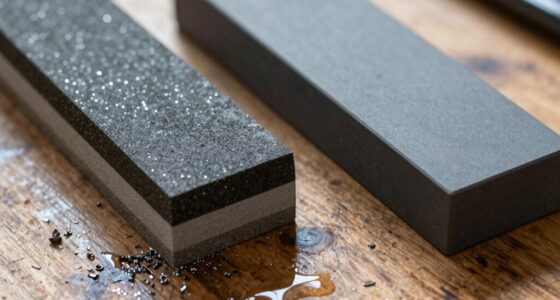
You should use diamond stones for microbevel sharpening because they cut quickly and stay flat. Pair them with honing guides to maintain a consistent angle, ensuring precision. Place the blade at the microbevel angle, and sharpen evenly across the edge. This combo makes sharpening faster and more accurate, saving you hours and effort in the long run. With diamond stones and honing guides, you’ll achieve sharp, durable edges every time.
Conclusion
Now that you know how a tiny microbevel can save you hours, you’re ready to sharpen like a pro—no need to call in the blacksmith of old. With a little practice, you’ll master creating microbevels at home or in the shop, making your blades sharper and longer-lasting. Think of it as your secret weapon, just like the legendary swordsmiths of yore. Embrace the microbevel, and watch your sharpening skills reach new heights!
Fall Picks
fall essentials
As an affiliate, we earn on qualifying purchases.